بدأت حرب إيران 2026 في 28 فبراير 2026 عندما شنت الولايات المتحدة وإسرائيل ضربات جوية منسقة على إيران، مما أسفر عن مقتل المرشد الأعلى علي خامنئي.
هذا الحدث — أهم عمل عسكري أمريكي في الشرق الأوسط منذ غزو العراق 2003 — أعاد تشكيل المشهد الجيوسياسي للمنطقة في غضون أسابيع. دفع أسعار النفط فوق 130 دولار/برميل، وأشعل أسوأ شهر للأسواق العالمية منذ 2022، وهدد بإغلاق مضيق هرمز (الذي يمر عبره 20% من النفط العالمي)، وانتهى بوقف إطلاق نار في 4 أبريل 2026 ترك مستقبل إيران السياسي غامضاً والشرق الأوسط متغيراً إلى الأبد.
هذا المقال شرح كامل ومرتب زمنياً لأسباب الحرب وكيف تطورت وكيف انتهت. كُتب ليكون المرجع النهائي — المصدر الوحيد الذي تحتاجه لفهم حرب إيران 2026 من البداية إلى النهاية.
الخلفية: الطريق إلى الحرب (2015-2025)
الاتفاق النووي الإيراني وانهياره
لفهم حرب 2026، يجب البدء من خطة العمل الشاملة المشتركة (JCPOA) — المعروفة بالاتفاق النووي الإيراني. وُقّع عام 2015 بين إيران وست قوى عالمية (الولايات المتحدة، بريطانيا، فرنسا، ألمانيا، روسيا، والصين)، وصُمم لمنع إيران من تطوير أسلحة نووية مقابل رفع العقوبات الاقتصادية.

بموجب الاتفاق، وافقت إيران على:
- خفض تخصيب اليورانيوم إلى 3.67% (أقل بكثير من 90% اللازمة للأسلحة)
- تقليص مخزون اليورانيوم المخصب بنسبة 98%
- تحديد عدد أجهزة الطرد المركزي بنحو 6,100
- السماح بتفتيشات الوكالة الدولية للطاقة الذرية (IAEA)
- تحويل منشأة فوردو من التخصيب إلى الأبحاث
في المقابل، رفع المجتمع الدولي العقوبات المتعلقة بالملف النووي، مما أتاح لإيران بيع نفطها في السوق العالمية.
الاتفاق كان مثار جدل منذ البداية. إسرائيل والسعودية وكثير من الجمهوريين الأمريكيين عارضوه، بحجة أنه يؤجل القدرة النووية الإيرانية فقط ولا يلغيها.
الانسحاب الأمريكي (2018)
في مايو 2018، سحب الرئيس ترامب الولايات المتحدة من الاتفاق، واصفاً إياه بـ “أسوأ صفقة تُفاوض عليها”. أعادت أمريكا فرض عقوبات قاسية على إيران. النتائج كانت فورية:
- انهارت صادرات النفط الإيرانية من 2.5 مليون برميل/يوم إلى أقل من 500,000
- انكمش الاقتصاد الإيراني بشكل حاد مع تضخم تجاوز 40%
- فقد الريال الإيراني أكثر من 60% من قيمته
- تصاعد السخط الشعبي مما أدى لاحتجاجات واسعة في 2019 و2022
ردت إيران بانتهاك تدريجي لحدود الاتفاق — أولاً التخصيب إلى 20%، ثم 60%، وتراكم مخزون من اليورانيوم المخصب أكبر بكثير مما سمح به الاتفاق.
عهد بايدن: فشل الدبلوماسية (2021-2025)
دخل الرئيس بايدن البيت الأبيض عام 2021 متعهداً بالعودة للاتفاق. مفاوضات فيينا استمرت لسنوات لكنها فشلت في النهاية. العقبات الرئيسية:
- مطالب إيران: أصرت إيران على ضمانات بعدم انسحاب أي رئيس مستقبلي — وهو ما لم يستطع بايدن تقديمه دستورياً
- تصنيف الحرس الثوري: طالبت إيران بإزالة الحرس الثوري من قائمة الإرهاب. أمريكا رفضت
- عتبة التخصيب: تقدم إيران في التخصيب جعل العودة للامتثال معقدة تقنياً
- السياسة الداخلية: لا الكونغرس الأمريكي ولا البرلمان الإيراني كان مستعداً للتنازلات المطلوبة
بحلول 2024، كان المسار الدبلوماسي ميتاً فعلياً.
شبكة الوكلاء الإيرانية: “محور المقاومة”
استراتيجية إيران العسكرية اعتمدت تاريخياً على شبكة من القوى الوكيلة — ما تسميه طهران “محور المقاومة”:
- حزب الله (لبنان): نحو 100,000 صاروخ موجه نحو إسرائيل، مع 30,000-50,000 مقاتل مدرب
- حماس والجهاد الإسلامي (فلسطين): مموّلتان ومسلحتان من إيران
- الحوثيون (اليمن): مسلحون بطائرات مسيّرة وصواريخ إيرانية
- الحشد الشعبي (العراق): ميليشيات موالية لإيران داخل الجهاز الأمني العراقي
- مجموعات متنوعة (سوريا): تعمل بتنسيق الحرس الثوري
هذه الشبكة منحت إيران عمقاً استراتيجياً — القدرة على تهديد إسرائيل والمصالح الأمريكية من اتجاهات متعددة دون مواجهة عسكرية إيرانية مباشرة.
المحفزات المباشرة (أكتوبر 2025 – فبراير 2026)
تصعيد الحوثيين في البحر الأحمر
المحفز المرئي الأبرز كان تصاعد هجمات الحوثيين على الشحن التجاري في البحر الأحمر ومضيق باب المندب. بحلول أواخر 2025، تصاعدت الهجمات بشكل دراماتيكي:
- أكثر من 120 سفينة تجارية هوجمت منذ بداية الحملة
- عدة سفن غُرقت أو تضررت بشكل كبير
- أقساط التأمين على الشحن في البحر الأحمر ارتفعت 400-500%
- شركات الشحن الكبرى حوّلت مساراتها حول رأس الرجاء الصالح
- إيرادات قناة السويس لمصر تراجعت أكثر من 50%
عملية “حارس الازدهار” الأمريكية فشلت في وقف الهجمات. طالما استمرت إيران في تزويد الأسلحة، استمر الحوثيون في إطلاق النار.
أزمة العتبة النووية
في يناير 2026، أصدرت الوكالة الدولية للطاقة الذرية أكثر تقاريرها إثارة للقلق:
- إيران جمعت ما يكفي من اليورانيوم المخصب بنسبة 60% لإنتاج 3-4 أسلحة نووية إذا خُصب لـ 90%
- رُصدت سلاسل طرد مركزي جديدة في منشأة فوردو تحت الأرض
- إيران قيّدت وصول مفتشي الوكالة وأزالت كاميرات المراقبة
- صور الأقمار الصناعية أظهرت نشاطاً في بارشين — موقع عسكري مشتبه به
التقييمات الاستخباراتية الأمريكية والإسرائيلية توافقت على استنتاج حاسم: إيران على بعد 2-3 أسابيع من القدرة على إنتاج يورانيوم بدرجة تصنيع الأسلحة. “وقت الاختراق” انهار من 12 شهراً (بموجب الاتفاق) إلى أيام معدودة.
هذا كان الخط الأحمر الذي رسمته أمريكا وإسرائيل لسنوات.
هجمات الوكلاء على القوات الأمريكية
خلال أواخر 2025 وبداية 2026، كثّفت الميليشيات الموالية لإيران هجماتها على القواعد الأمريكية في العراق وسوريا:
- أكثر من 180 هجوماً بالصواريخ والمسيّرات في 6 أشهر قبل الحرب
- مقتل عسكريين أمريكيين وإصابة عدد آخر بجروح خطيرة
- محاولات استهداف السفارة الأمريكية في بغداد
قرار الضربة
القرار النهائي اتُخذ في سلسلة اجتماعات مجلس الأمن القومي في منتصف وأواخر فبراير 2026.
لصالح الضربة:
- إيران على بعد أسابيع من القدرة النووية — بمجرد تحقيقها ستكون دائمة
- هجمات الوكلاء على القوات الأمريكية تتصاعد وتتطلب رداً
- تعطيل الحوثيين للشحن في البحر الأحمر يكلف مليارات
- إسرائيل ستضرب منفردة إذا لم تشارك أمريكا
- الخيارات الدبلوماسية استُنفدت
ضد الضربة:
- إيران قد ترد بإغلاق مضيق هرمز مسببة أزمة نفط عالمية
- صواريخ حزب الله الـ 100,000+ قد تدمر إسرائيل
- حرب إقليمية أوسع قد تجذب أطرافاً أخرى
- خسائر مدنية كبيرة في إيران
- لا تفويض من الكونغرس لحرب جديدة
- التقييمات الاستخباراتية قد تكون خاطئة (أصداء فشل أسلحة الدمار الشامل العراقية 2003)
تغلبت حجج التأييد. وافق الرئيس على العملية.
بداية الحرب: 28 فبراير 2026
الليلة الأولى
في الساعات الأولى من صباح 28 فبراير 2026 (نحو الثانية صباحاً بتوقيت طهران)، شنت الولايات المتحدة وإسرائيل هجوماً جوياً منسقاً ضخماً على إيران. شمل:
- أصول أمريكية: قاذفات B-2 الشبحية، مقاتلات F-35، وصواريخ توماهوك من السفن والغواصات
- أصول إسرائيلية: مقاتلات F-35I أدير، مقاتلات F-15I رعم، وصواريخ أريحا 3 الباليستية
- عمليات سيبرانية: هجمات إلكترونية منسقة على أنظمة الدفاع الجوي والاتصالات
الأهداف
| فئة الهدف | المواقع الرئيسية | الغرض |
|---|---|---|
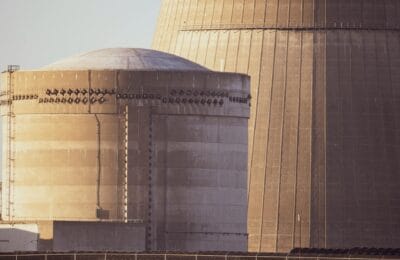
| المنشآت النووية | نطنز (تخصيب)، فوردو (تخصيب تحت الأرض)، أصفهان (تحويل)، أراك (ماء ثقيل) | تدمير قدرة التخصيب |
| القيادة العسكرية | مقر الحرس الثوري في طهران، مجمع بارشين | تعطيل القيادة والسيطرة |
| الدفاعات الجوية | بطاريات S-300 وS-400، منشآت الرادار | تحقيق التفوق الجوي |
| مواقع الصواريخ | مواقع إطلاق الصواريخ الباليستية | تقليل قدرة إيران على الرد |
| الأصول البحرية | قاعدة بندر عباس البحرية | منع إغلاق مضيق هرمز |
| القيادة | مرافق حكومية وقيادية في طهران | ضربات قطع الرأس |
مقتل خامنئي
أكثر حدث مصيري في الحرب وقع في ساعاتها الأولى. المرشد الأعلى آية الله علي خامنئي — أعلى سلطة دينية وسياسية وعسكرية في إيران منذ 1989 — قُتل في ضربة على منشأة قيادية في شمال طهران حيث كان يجتمع بكبار قادة الحرس الثوري.
الإعلام الإيراني الرسمي نفى التقارير مبدئياً، لكن في 1 مارس أكد تلفزيون الجمهورية الإسلامية (IRIB) مقتل خامنئي. تلا ذلك ثلاثة أيام حداد وطني ومشاهد حزن وغضب حقيقي عبر إيران.
مقتل خامنئي لم يكن مجرد خسارة قائد — بل إزالة الشخصية الوحيدة التي تماسك حولها هيكل السلطة الإيراني المعقد. المرشد الأعلى دستورياً فوق الرئيس والبرلمان والقضاء والجيش. هو صاحب القرار النهائي في كل شؤون الدولة. بغيابه، خلق سؤال الخلافة فراغاً فورياً في السلطة.
رد إيران: 1-14 مارس
الرد الصاروخي
رغم الضربات المدمرة، احتفظت إيران بقدرة رد كبيرة. في 1-2 مارس، أطلقت إيران نحو 300-400 صاروخ باليستي ومسيّرة على أهداف في إسرائيل وقواعد أمريكية في العراق وقطر والبحرين والإمارات.
أنظمة الدفاع الصاروخي الإسرائيلية (القبة الحديدية، مقلاع داود، حيتس) اعترضت الغالبية بمعدل اعتراض يُقدر بـ 85-90%. لكن عدة صواريخ اخترقت الدفاعات وأحدثت أضراراً.
حملة حزب الله الصاروخية
كما كان متوقعاً، أطلق حزب الله حملة صاروخية ضخمة على شمال إسرائيل بدءاً من 2 مارس. في أول 48 ساعة وحدها، أُطلق أكثر من 3,000 صاروخ وقذيفة على المدن والمنشآت الإسرائيلية.
ردت إسرائيل بضربات جوية ضخمة على مواقع حزب الله في جنوب لبنان وسهل البقاع والضاحية الجنوبية لبيروت.
لبنان — الغارق أصلاً في أسوأ أزمة اقتصادية في تاريخه الحديث — عانى من أضرار جانبية هائلة. الخسائر المدنية اللبنانية كانت كبيرة، ومئات الآلاف نزحوا من جنوب لبنان.
هذه نقطة جوهرية تستحق التأكيد: لبنان لم يختر هذه الحرب. الشعب اللبناني — المنهك أصلاً من الانهيار الاقتصادي والخلل السياسي وتداعيات انفجار مرفأ بيروت 2020 — جُرّ إلى صراع بين إيران وأمريكا/إسرائيل. الدمار الذي لحق بالمدنيين والبنية التحتية اللبنانية مأساة تأخر المجتمع الدولي كثيراً في الاعتراف بها.
أزمة مضيق هرمز
سلاح إيران الانتقامي الأقوى كان جغرافياً وليس عسكرياً. مضيق هرمز — الممر المائي الضيق بين إيران وعُمان الذي يمر عبره نحو 20% من إمدادات النفط العالمية — كان ورقة إيران الرابحة.
بدءاً من 3 مارس، نشرت إيران ألغاماً بحرية وزوارق هجومية سريعة وبطاريات صواريخ مضادة للسفن. النتيجة: تعطيل فعلي لشحن النفط عبر المضيق لنحو 2-3 أسابيع. حركة الناقلات تراجعت أكثر من 70%. النفط قفز فوق 130 دولار/برميل.
البحرية الأمريكية خصصت مجموعتي حاملات طائرات وعدة سفن كاسحة ألغام لتطهير المضيق. بحلول منتصف مارس، أُنشئ ممر شحن ضيق تحت مرافقة بحرية.
البعد الفلسطيني
لا يمكن فهم حرب إيران 2026 بمعزل عن القضية الفلسطينية — القضية المركزية التي لم تُحل في سياسة الشرق الأوسط منذ أكثر من 75 عاماً.
إيران وضعت نفسها تاريخياً كبطلة المقاومة الفلسطينية. هذا الدعم كان حقيقياً مادياً لكنه خدم أيضاً المصالح الاستراتيجية الإيرانية.
تأثير الحرب على الفلسطينيين كان وخيماً. العمليات العسكرية الإسرائيلية تكثفت في الضفة الغربية. غزة، المدمرة أصلاً من صراع 2023-2024، واجهت مزيداً من التدهور الإنساني مع تحول الاهتمام الدولي لمسرح إيران.
بالنسبة للفلسطينيين، كانت حرب إيران صراعاً آخر يُخاض فوق رؤوسهم من قوى لها أجنداتها الخاصة. تطلعات الشعب الفلسطيني المشروعة للحرية والكرامة والدولة تم استغلالها من جميع الأطراف — إيران وأمريكا وإسرائيل والقوى الإقليمية — لعقود.
موقف مصر: حياد تحت الضغط
حافظت مصر على حياد رسمي طوال الصراع مع إدارة عواقب اقتصادية هائلة. حكومة الرئيس السيسي سارت على خط دقيق: إدانة التصعيد من جميع الأطراف، والمطالبة بوقف فوري لإطلاق النار، وتوفير قنوات دبلوماسية عبر القاهرة.
القلق الحقيقي لمصر كان اقتصادياً. قناة السويس — أهم مصادر الدولار — شهدت تراجع إيراداتها 38%. تكاليف استيراد النفط ارتفعت. الجنيه ضعف إلى 54.35 مقابل الدولار. الاستثمارات الأجنبية فرت.
المساهمة الدبلوماسية المصرية كانت كبيرة. مع عُمان وقطر، ساعدت القنوات الخلفية المصرية في الحفاظ على التواصل بين الأطراف المتحاربة. خبرة القاهرة في الوساطة — المتراكمة عبر عقود من المفاوضات الإسرائيلية-الفلسطينية — أثبتت قيمتها في المسار نحو وقف إطلاق النار.
المسار نحو وقف إطلاق النار: 15 مارس – 4 أبريل
الواقع العسكري: لا أحد يستطيع التصعيد أكثر
بحلول منتصف مارس، تشكّل جمود عسكري فعلي. الولايات المتحدة وإسرائيل حققتا أهدافهما الأساسية — المنشآت النووية تضررت بشدة، الدفاعات الجوية تدهورت، والمرشد الأعلى قُتل. لكنهما لم تستطيعا احتلال إيران (لم يفكر أحد جدياً في غزو بري لدولة من 88 مليون نسمة).
إيران بدورها استنفدت جزءاً كبيراً من قدرتها الانتقامية. مخزونات الصواريخ والمسيّرات تقلصت بشكل كبير. الحرس الثوري بدون قيادة ومفكك. حزب الله تحت قصف إسرائيلي مكثف. إغلاق هرمز يؤذي إيران نفسها بقدر ما يؤذي أسواق النفط العالمية.
كلا الطرفين احتاج مخرجاً.
القنوات الدبلوماسية: عُمان وقطر والصين والأمم المتحدة
عُمان: سلطنة عُمان — التي حافظت تاريخياً على علاقات مع أمريكا وإيران معاً — كانت القناة الخلفية الرئيسية. السلطان هيثم بن طارق تواصل شخصياً مع الطرفين.
قطر: استثمرت قطر علاقاتها مع واشنطن وطهران. الدوحة استضافت محادثات غير رسمية.
الصين: دور بكين كان كبيراً وغير مُقدّر. كأكبر مستورد للنفط الإيراني وعضو دائم في مجلس الأمن، امتلكت الصين نفوذاً مع طهران لا تملكه أي دولة غربية.
الأمم المتحدة: مجلس الأمن أصدر القرار 2742 في 20 مارس يدعو لوقف فوري لإطلاق النار. صوتت روسيا والصين لصالحه.
وقف إطلاق النار: 4 أبريل 2026
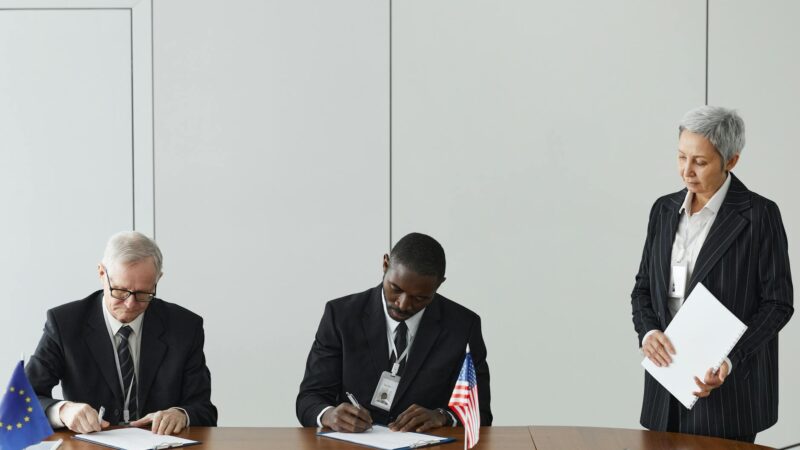
أُعلن وقف إطلاق النار رسمياً بالتزامن في واشنطن وطهران ومسقط. الشروط الرئيسية:
- وقف فوري لجميع العمليات العسكرية من جميع الأطراف بما فيها قوى الوكالة
- إعادة فتح مضيق هرمز تدريجياً تحت مرافقة بحرية دولية
- وصول الوكالة الدولية للطاقة الذرية للمنشآت النووية الإيرانية المتبقية
- ممرات إنسانية لإيصال المساعدات للسكان المتضررين
- إطار للمفاوضات حول اتفاق شامل يغطي البرنامج النووي والأمن الإقليمي والعقوبات
- تبادل أسرى ومعتقلين خلال 60 يوماً
- وقف إطلاق نار لحزب الله في لبنان مشروط بانسحاب إسرائيلي من الأراضي اللبنانية
وقف إطلاق النار كان هشاً وغير مكتمل. أوقف إطلاق النار لكنه لم يحل أياً من القضايا الجوهرية.
الكلفة البشرية
| الفئة | التقدير | ملاحظات |
|---|---|---|
| خسائر عسكرية إيرانية | 2,000-4,000 قتيل | بمن فيهم قادة الحرس الثوري |
| خسائر مدنية إيرانية | 1,500-3,000 قتيل | أساساً من ضربات قرب منشآت عسكرية في مناطق مأهولة |
| خسائر لبنانية | 800-1,500 قتيل | من ضربات إسرائيلية على مواقع حزب الله في مناطق مدنية |
| خسائر إسرائيلية | 150-300 قتيل | من هجمات صاروخية خاصة في شمال إسرائيل |
| خسائر عسكرية أمريكية | 50-100 قتيل | من هجمات صاروخية إيرانية على قواعد في العراق والخليج |
| نازحون | 2-3 مليون | أساساً في لبنان وإيران واليمن |
| أضرار البنية التحتية (إيران) | 50-80 مليار دولار تقديري | منشآت نووية وعسكرية ودفاعات جوية |
| أضرار البنية التحتية (لبنان) | 15-25 مليار دولار تقديري | جنوب لبنان والضاحية وسهل البقاع |
| الكلفة الاقتصادية العالمية | 300-500 مليار دولار تقديري | ارتفاع النفط واضطرابات الشحن وخسائر الأسواق |
المنظور الإقليمي: كيف رأى الشرق الأوسط هذه الحرب
الشارع العربي
الرأي العام في العالم العربي كان منقسماً بشدة. كثير من العرب — خاصة في الخليج — كانوا يخشون الطموحات النووية الإيرانية وشعروا بارتياح هادئ لرؤية قدراتها تتدهور. لكن طريقة الحرب — عملية عسكرية أمريكية-إسرائيلية ضد دولة ذات أغلبية مسلمة، تقتل قائدها — أثارت توازيات تاريخية مؤلمة مع العراق 2003.
الدمار في لبنان أثار أكبر قدر من الغضب. لبنان محبوب في أنحاء العالم العربي بسبب ثقافته وموسيقاه ومطبخه ومرونة شعبه. رؤية المدنيين اللبنانيين يُقتلون ويُهجّرون — مجدداً — في حرب لم تكن حربهم أثارت موجة غضب واسعة.
في مصر، كان الموقف الشعبي حذراً. المصريون يكرهون الحروب التي تؤثر على اقتصادهم — وهذه الحرب فعلت ذلك بشكل مؤلم عبر ارتفاع الأسعار وتراجع الجنيه. في الوقت نفسه، إيران ليست شعبية بين كثير من المصريين بسبب دعمها لحزب الله والتدخل في الشؤون العربية. النتيجة: موقف متذبذب بين رفض العدوان الأمريكي-الإسرائيلي ورغبة في رؤية التهديد الإيراني يتقلص.
دول الخليج
السعودية والإمارات وقطر والكويت والبحرين وعُمان أبحرت في الصراع بدرجات متفاوتة من الحياد. لم تدعم أي منها الضربات علناً. جميعها دعت لخفض التصعيد. لكن بشكل خاص، المسؤولون السعوديون والإماراتيون — الذين ينظرون لإيران كتهديدهم الإقليمي الأساسي منذ عقود — لم يكونوا غير سعداء برؤية القدرات العسكرية الإيرانية تتراجع.
القلق الرئيسي لدول الخليج كان اقتصادياً: تقلبات أسعار النفط واضطرابات الشحن ومخاطر الانجرار لصراع مباشر إذا استهدفت إيران أراضيها. هجمات الحوثيين على السعودية والإمارات عززت هذه المخاوف.
عُمان لعبت الدور الأكثر نشاطاً دبلوماسياً. السلطان هيثم بن طارق — مستمراً في تقليد السلطان قابوس في الوساطة — أصبح القناة الخلفية الأساسية بين واشنطن وطهران. هذا الدور رفع مكانة عُمان الدبلوماسية بشكل كبير.
قطر أيضاً لعبت دوراً محورياً. الدوحة — التي تحتفظ بعلاقات مع واشنطن وطهران معاً — استضافت محادثات غير رسمية وقدمت خدمات وساطة بالاستفادة من خبرتها في ملفات مشابهة (أبرزها وساطتها في محادثات طالبان-أمريكا).
تركيا
تركيا — التي تشترك في حدود مع إيران — أدانت الضربات ودعت لوقف فوري لإطلاق النار. الرئيس أردوغان — الذي طور علاقة عمل براغماتية مع طهران — وضع تركيا كوسيط، وإن كان دورها ثانوياً مقارنة بعُمان وقطر. القلق التركي الرئيسي كان منع أزمة لاجئين من إيران وتجنب زعزعة استقرار حدودها الشرقية.
تحليل: لماذا وقعت هذه الحرب وماذا تعني
فشل الدبلوماسية
حرب إيران 2026 تمثل الفشل النهائي لعملية دبلوماسية بدأت بوعد عام 2015 وانهارت بسبب مزيج من سوء النية والسياسة الداخلية والحسابات الاستراتيجية الخاطئة من جميع الأطراف.
الانسحاب الأمريكي من الاتفاق النووي عام 2018 — بغض النظر عن عيوب الاتفاق — أزال الإطار الوحيد الفعال لإدارة البرنامج النووي الإيراني. دفع إيران نحو السلوك بالضبط الذي صُمم الاتفاق لمنعه: التخصيب السريع نحو القدرة السلاحية.
قرار إيران الرد على الانسحاب الأمريكي بتصعيد التخصيب — بدلاً من الحفاظ على الامتثال لإبقاء أوروبا منخرطة — كان مفهوماً استراتيجياً لكنه في النهاية دمّر ذاتياً. بالاقتراب من العتبة النووية، منحت إيران خصومها التبرير الذي احتاجوه للعمل العسكري.
كلا الطرفين كان يمكن أن يتخذ خيارات مختلفة. كلاهما اختار التصعيد على التسوية. الأشخاص الذين دفعوا الثمن — إيرانيون ولبنانيون وإسرائيليون وأمريكيون — لم يكن لديهم أي رأي في تلك القرارات.
مشكلة السابقة
اغتيال رئيس دولة قائم (خامنئي كان دستورياً رئيس الدولة الإيرانية وليس الرئيس) في ضربة عسكرية مستهدفة يُرسي سابقة دولية خطيرة. لا قائد في أي دولة آمن إذا قررت أقوى قوة عسكرية في العالم أن وجوده يمثل تهديداً.
هذه السابقة تُقلق قادة في بيونغ يانغ وموسكو وبكين وكل عاصمة لديها علاقات عدائية مع الولايات المتحدة. قد تدفع نحو انتشار الأسلحة النووية — النتيجة ذاتها التي كان من المفترض أن تمنعها الضربة — حيث تستنتج الدول أن الأسلحة النووية وحدها يمكنها ردع العمل العسكري الأمريكي.
مسألة لبنان
دمار لبنان في حرب لم يبدأها ولم يستطع منعها ولم يكسب منها شيئاً هو أحد أكبر مظالم هذا الصراع. الشعب اللبناني — الذي يعاني أصلاً أسوأ أزمة في تاريخه الحديث — عُوقب بسبب أفعال حزب الله الذي كان يتصرف بأوامر إيرانية.
مسؤولية المجتمع الدولي في إعادة إعمار لبنان — ومعالجة المشكلة الجوهرية لجماعة مسلحة غير حكومية تعمل خارج سيطرة الدولة — واضحة. ما إذا كان سيتم الوفاء بهذه المسؤولية سؤال آخر.
الوضع الحالي: أبريل 2026
اعتباراً من 10 أبريل 2026 — بعد 6 أيام من وقف إطلاق النار — الوضع كالتالي:
- إيران: في اضطراب سياسي. لم يُسمَّ خليفة لخامنئي. فصائل الحرس الثوري والحكومة المدنية تتنافس على السلطة. المنشآت النووية تضررت بشدة لكن بعض قدرات التخصيب لا تزال قائمة. العقوبات مستمرة. الاقتصاد مدمر.
- مضيق هرمز: أُعيد فتحه جزئياً تحت مرافقة بحرية دولية. حركة الناقلات عند نحو 60% من مستويات ما قبل الحرب وتتزايد يومياً. النفط تراجع من 131 إلى 91 دولار/برميل.
- لبنان: وقف إطلاق النار صامد. حزب الله ضعف كثيراً لكنه لم يُنزع سلاحه. مئات الآلاف لا يزالون نازحين. المساعدات الدولية تصل ببطء.
- إسرائيل: تدعي نجاحاً استراتيجياً — البرنامج النووي الإيراني تأخر “عقداً”. لكنها تواجه أسئلة حول العواقب طويلة المدى.
- الولايات المتحدة: النقاش السياسي حول شرعية الحرب وحكمتها يتصاعد. الكونغرس يطالب بإجابات.
- أسواق النفط: تتعافى لكنها متقلبة. النفط عند 91 دولار/برميل — أعلى من 83 دولار قبل الحرب. التطبيع الكامل يعتمد على صمود وقف إطلاق النار وإعادة فتح هرمز بالكامل.
الأسئلة التي لم تُجب
- من سيقود إيران؟ خلافة خامنئي ستحدد اتجاه إيران لعقود.
- هل دُمر البرنامج النووي فعلاً؟ الضربات يمكنها تدمير المنشآت لكن المعرفة لا تُقصف. إيران تحتفظ بالخبرة العلمية لإعادة البناء.
- هل سيكون هناك اتفاق سلام أوسع؟ إطار وقف إطلاق النار يدعو لمفاوضات لكن المواقف بعيدة.
- ماذا عن حزب الله؟ ضعف لكنه لم يُدمر. مستقبله يعتمد على الدعم الإيراني والسياسة اللبنانية.
- هل ستتسارع انتشار الأسلحة النووية؟ السعودية وتركيا ومصر أبدت اهتماماً ببرامج نووية.
- ماذا عن فلسطين؟ القضية الفلسطينية — الأقدم من الصراع الإيراني — تبقى القضية المركزية التي لم تُحل. الحرب لم تُقرب فلسطين من الدولة.
ملخص الجدول الزمني
| التاريخ | الحدث |
|---|---|
| 2015 | توقيع الاتفاق النووي (JCPOA) |
| مايو 2018 | انسحاب أمريكا من الاتفاق في عهد ترامب |
| 2019-2022 | إيران تنتهك حدود التخصيب تدريجياً |
| 2021-2024 | فشل محادثات فيينا في إحياء الاتفاق |
| أواخر 2023 | بدء هجمات الحوثيين على الشحن في البحر الأحمر |
| 2024-2025 | تصاعد هجمات الحوثيين وهجمات الوكلاء على القوات الأمريكية |
| يناير 2026 | تقرير الوكالة الذرية: إيران قرب القدرة النووية العسكرية |
| 28 فبراير 2026 | ضربات أمريكية-إسرائيلية على إيران — مقتل خامنئي |
| 1-2 مارس | إيران ترد بصواريخ على إسرائيل والقواعد الأمريكية |
| 2 مارس | حزب الله يطلق حملة صاروخية ضخمة على إسرائيل |
| 3 مارس | إيران تبدأ تعطيل مضيق هرمز |
| 7 مارس | النفط يتجاوز 120 دولار/برميل |
| 14-17 مارس | تطهير جزئي لهرمز — النفط يبلغ ذروة 131 دولار/برميل |
| 20 مارس | قرار مجلس الأمن 2742 يدعو لوقف إطلاق النار |
| 25-31 مارس | تكثيف المفاوضات الدبلوماسية عبر عُمان وقطر والصين |
| 4 أبريل 2026 | إعلان وقف إطلاق النار |
| 10 أبريل 2026 | التاريخ الحالي — وقف إطلاق النار صامد |
هذا المقال يُحدّث كمستند حي وسيُحدّث مع التطورات. آخر تحديث: 10 أبريل 2026.