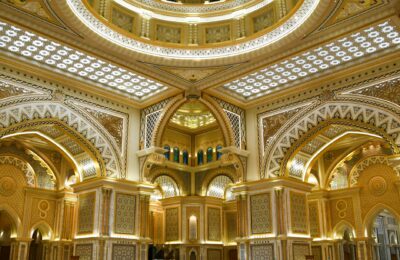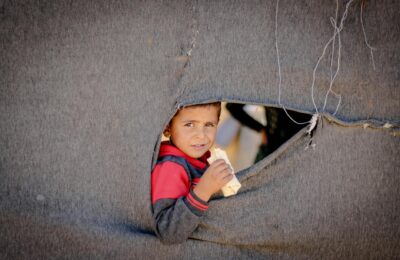
Egypt is advancing along a complex reform path that seeks to strike a delicate balance between political stability and comprehensive economic transformation, amid enormous demographic pressures imposed by a population exceeding 110 million. Cairo today stands as one of the most prominent Arab capitals undertaking a multidimensional reform experiment encompassing economic liberalization, restructuring the military’s economic role, building the New Administrative Capital, expanding social protection networks, and playing a pivotal regional geopolitical role in mediating the Gaza, Libya, and Sudan crises.
Egypt’s National Dialogue: A Roadmap Toward Gradual Political Reform
The Egyptian Presidency launched the National Dialogue initiative in 2022 as an institutional framework bringing together diverse political and social forces to discuss reform priorities. The dialogue sessions produced recommendations covering legislative amendments and reforms to the civil liberties and human rights framework, though actual implementation remains under close scrutiny from international observers.
According to reports from the Carnegie Middle East Center, the National Dialogue represents a positive step toward reopening political space in Egypt after years of restriction. The dialogue recommended issuing a new pretrial detention law, strengthening the independence of the National Council for Human Rights, and revisiting certain legislation restricting the work of civil society organizations.

“The National Dialogue is not an end in itself, but a tool for building societal consensus on reform priorities at a stage that requires wisdom in managing transformation without compromising stability.”
— Egyptian National Dialogue Committee Outcomes, 2024
However, the Freedom House report for 2025 noted that Egypt continues to be classified as “not free,” while acknowledging indicators of gradual openness on certain issues. Analysts believe the success of the National Dialogue depends on the extent to which recommendations are translated into enforceable legislation and actual practices on the ground, particularly regarding freedom of expression, press freedom, and the right to peaceful assembly.
Economic Liberalization and the IMF Program: Deep Structural Reforms
Egypt’s economic reform program in cooperation with the International Monetary Fund (IMF) constitutes a fundamental pillar in the transformation path. The IMF approved a financing package worth $8 billion in March 2024 — the largest in Egypt’s history with the institution — conditioned on implementing fundamental structural reforms including exchange rate liberalization, reducing the state’s economic role, and improving the business environment.
Key measures taken by the Egyptian government include:
- Floating the Egyptian Pound: The Central Bank of Egypt fully liberalized the exchange rate in March 2024, causing a sharp decline in the pound’s value exceeding 40% against the dollar, but contributing to eliminating the parallel market and attracting significant foreign capital inflows.
- Interest Rate Increases: The Central Bank raised interest rates by 600 basis points to contain inflation, targeting a gradual reduction below 15% by end of 2025.
- Privatization of State Assets: The government announced a program to offer stakes in 32 state-owned companies on the Egyptian Exchange, with a target value of $5 billion over three years.
- Subsidy Reform: Phased reduction of energy and food subsidies, with savings redirected toward targeted social protection programs.
According to World Bank data, Egypt’s GDP growth rate is expected to reach 4.2% in fiscal year 2025/2026, compared to 2.4% the previous year, reflecting the emerging results of structural reforms. Inflation has also declined from its peak exceeding 38% in September 2023 to approximately 16% by end of 2025, though it remains above the target level.
Reforming the Military’s Economic Role: The Rebalancing Challenge
The issue of the Egyptian military’s economic role remains one of the most sensitive and complex files in the reform path. The Egyptian military establishment maintains a broad presence across diverse economic sectors ranging from infrastructure and food industries to real estate and cement, with some analyses estimating its share of GDP between 10% and 40% depending on the calculation methodology.
Within the framework of IMF program conditions, the Egyptian government has committed to steps achieving a level playing field between military and civilian companies, including:
- Equal Tax Treatment: Subjecting military-owned companies to the same tax system applied to the private sector, removing unfair competitive advantages.
- Financial Transparency: Publishing financial statements of military companies and subjecting them to oversight by the Central Auditing Organization.
- Stock Exchange Listings: Listing some military companies on the Egyptian Exchange as a step toward transparency and private sector participation.
- Reducing Direct Competition: Directing military companies toward major national projects and reducing their direct competition with the private sector in regular commercial activities.
Analysts at Chatham House note that this reform faces significant institutional resistance, as the military views its economic role as a tool for achieving national security and financial autonomy. However, mounting international pressure — particularly from the IMF and trade partners — is pushing toward accelerating the pace of reform on this file, albeit gradually and cautiously.
The New Administrative Capital: Egypt’s Bet on an Advanced Urban Future
The New Administrative Capital project represents one of the largest urban development projects in the history of the Middle East. The project spans approximately 714 square kilometers east of Cairo, with a total cost exceeding $58 billion, and targets accommodating 6.5 million residents in its first phase.
The relocation of most ministries and government agencies to the new capital was completed by end of 2024, and the city includes:
- Government Quarter: Housing the presidency, parliament, and ministries, designed according to the latest smart city standards.
- Central Business District: Featuring Africa’s tallest tower — the Iconic Tower at 385 meters — and 20 towers for offices and financial headquarters, executed by leading Chinese firms.
- Sports City: Including an Olympic stadium seating 93,000 spectators and comprehensive sports facilities.
- Green Zone: A central park considered one of the world’s largest urban parks, spanning over 1,000 acres.
According to Reuters, the Administrative Capital is viewed as a tool to relieve pressure on Greater Cairo, home to over 22 million people, and to create a modern administrative and commercial hub attracting foreign direct investment. Critics, however, raise questions about the enormous cost amid an economic crisis and whether the middle class can afford housing there.
The Suez Canal Economic Zone: Egypt’s Gateway to Global Trade
The Suez Canal Economic Zone (SCZone) forms a strategic pillar in Egypt’s economic diversification plans. Spanning 461 square kilometers along both banks of the canal, the zone aims to become a global logistics and industrial hub leveraging Egypt’s position as a convergence point between Asia, Africa, and Europe.
The economic zone encompasses several development pillars:
- East Port Said Port: Has become one of the largest container ports in the eastern Mediterranean basin, with a capacity of 10 million TEUs annually, in partnership with international operators.
- Ain Sokhna Industrial Zone: Attracting investments in petrochemicals, automotive manufacturing, and electronics, with favorable tax and customs incentives.
- Green Energy Projects: The zone hosts green hydrogen production projects in collaboration with European companies, as part of Egypt’s strategy to become a regional hub for clean energy exports.
- Technology and Innovation Hub: A dedicated zone for technology companies and startups, integrated with government digital transformation initiatives.
Bloomberg data indicates that Suez Canal revenues exceeded $9.4 billion in 2023 before being impacted by the Houthi crisis in the Red Sea, underscoring the importance of diversifying canal-related revenue through the economic zone. The Economist Intelligence Unit (EIU) estimates the economic zone will contribute approximately 2% additional GDP by 2030.
Social Protection Programs: Takaful and Karama as a Safety Net for the Most Vulnerable
Amid harsh economic reforms involving subsidy cuts and exchange rate liberalization, the Egyptian government has paid special attention to expanding social protection networks to mitigate the impact on the most vulnerable populations. The Takaful and Karama program — supported by the World Bank — serves as the backbone of these efforts.
The program’s numbers reflect its vast scope:
- Beneficiaries: The program serves over 5.2 million households — approximately 22 million citizens — representing roughly 20% of the total population.
- Annual Budget: Spending on the program rose from EGP 19 billion in 2020 to over EGP 41 billion in 2025, with cash transfer values increased by 50% to combat inflation.
- Geographic Targeting: The program focuses on Upper Egypt and rural areas where the poorest populations are concentrated, using electronic registration and smart card technologies to ensure assistance reaches those who need it.
- Program Components: “Takaful” provides conditional cash transfers linked to children’s school enrollment and health check-ups, while “Karama” targets the elderly and people with disabilities who are unable to work.
The World Bank has praised the Takaful and Karama program as a “successful model” in social protection among developing countries, particularly in using digital registries to improve targeting efficiency and reduce leakage. The challenge remains in keeping pace with rising prices and ensuring cash transfers maintain their real purchasing power amid high inflation rates.
Inflation Management and Cost-of-Living Challenges: Testing Reform Resilience
Inflation represents the most difficult test facing Egypt’s economic reform path. Egyptian households have endured a severe inflationary wave that peaked in the second half of 2023, driven by the pound’s depreciation, rising global food prices, and government subsidy cuts.
The Central Bank of Egypt’s response included a tight monetary policy:
- Raising the key interest rate to 27.25% — one of the highest levels globally — to absorb excess liquidity and curb demand.
- Issuing savings certificates with high yields reaching 27% to attract savings and reduce price pressures.
- Managing banking liquidity through open market operations to control money supply.
IMF reports project that inflation will continue its gradual decline to reach a range of 12-14% by end of 2026, provided monetary and fiscal policy discipline continues. However, the social impact of rising prices remains concerning, especially as more than 30% of Egyptians live at or near the poverty line, according to estimates from the Central Agency for Public Mobilization and Statistics (CAPMAS).
“The greatest challenge facing Egypt is not implementing economic reforms per se, but ensuring these reforms are socially bearable and do not lead to unrest that undermines the entire trajectory.”
— Chatham House Analysis, 2025
Foreign Direct Investment Climate: The Ras El-Hekma Deal as a Model
Egypt’s foreign direct investment climate witnessed a qualitative shift with the historic Ras El-Hekma deal in February 2024, when the UAE’s ADQ sovereign fund acquired development rights for the Ras El-Hekma area on the North Coast for $35 billion — the largest FDI deal in the history of Egypt and the Arab region.
This deal contributed to:
- Injecting massive dollar liquidity into the Egyptian economy that restored exchange market stability.
- Strengthening international investor confidence in Egypt’s economy and its ability to attract quality investments.
- Raising foreign exchange reserves at the Central Bank to comfortable levels exceeding $46 billion.
- Reducing the sovereign risk premium on Egyptian bonds in international markets.
Beyond the Ras El-Hekma deal, Egypt is systematically improving its business environment. According to Reuters, reforms include simplifying licensing and commercial registration procedures, amending bankruptcy and investment laws, and establishing specialized economic courts to expedite commercial dispute resolution. Egypt has also attracted quality investments in the renewable energy sector from European and Asian companies, particularly in solar and wind energy in the Gulf of Suez area.
Technology Sector and Digital Transformation: A New Growth Engine
Egypt’s technology sector is experiencing notable growth, making it one of the most prominent non-oil growth drivers. Egypt boasts a vast base of qualified technical talent, with over 600,000 university graduates annually in science, technology, engineering, and mathematics (STEM) fields.
Sector growth indicators include:
- Startups: Egyptian startups attracted over $500 million in funding during 2024, making Egypt the second-largest startup ecosystem in Africa after Nigeria.
- IT Outsourcing: Egypt has become a major destination for IT outsourcing, with over 300 multinational companies operating service centers from Cairo and Alexandria.
- FinTech: Rapid growth in the digital payments sector and mobile financial services, supported by government financial inclusion initiatives that have significantly increased digital transaction rates.
- Digital Infrastructure: Massive investments in fiber optic networks and 5G, with new data centers launched in the Administrative Capital.
The World Bank estimates that Egypt’s digital economy could contribute 8-10% of GDP by 2030 if investments in digital infrastructure and skills development continue at the current pace.
The Demographic Challenge: 110 Million Between Opportunity and Burden
Rapid population growth in Egypt imposes enormous pressures on reform efforts. With a population exceeding 110 million — and a growth rate of approximately 1.7% annually — Egypt needs to create no fewer than one million new jobs per year just to absorb new entrants into the labor market.
This demographic reality carries two contradictory dimensions:
The Opportunity: Over 60% of Egyptians are under 30, providing a potentially enormous demographic dividend if invested through education, vocational training, and job creation. This youthful mass could be a powerful economic engine if managed properly.
The Challenge: In the absence of sufficient jobs and quality education, this population surplus becomes a burden feeding unemployment, irregular migration, and social frustration. Youth unemployment in Egypt stands at approximately 25%, nearly double the national average.
The government’s strategy to address this challenge includes social housing projects — over 750,000 housing units delivered under the “Hayah Karima” (Decent Life) initiative — developing new industrial zones in Upper Egypt and Sinai, and expanding vocational training programs in partnership with German and Japanese institutions.
Education Reform: Investing in Human Capital
Egyptian policymakers recognize that education reform is the true key to sustainable economic transformation. The government launched the “Education 2.0” framework aimed at shifting curricula from rote learning to critical thinking and applied skills, while integrating technology into education through distributing millions of tablets to students.
Education reform pillars include:
- Basic Education: Curriculum development in collaboration with international experts, focusing on STEM, languages, and digital skills from early stages.
- Technical and Vocational Education: Establishing Applied Technology Schools in partnership with major companies such as Siemens and Mercedes, linking educational outcomes to actual labor market needs.
- Higher Education: Opening branches of prestigious international universities in Egypt — including British, Canadian, and German university branches in the Administrative Capital — to raise higher education standards and reduce brain drain.
- Digital Education: Free online educational platforms serving millions of students, with partnerships with international platforms like Coursera and Udacity.
However, the Economist Intelligence Unit notes that government spending on education remains below the required level at approximately 2.5% of GDP, compared to the global average of 4.4%, constraining the ability to achieve a rapid qualitative leap in human capital quality.
Regional Geopolitical Role: Egypt as an Essential Mediator in Regional Crises
Egypt’s domestic reform path cannot be separated from Cairo’s growing geopolitical role on the regional stage. Egypt occupies a unique position as an essential mediator in several hot regional files, granting it significant diplomatic leverage while also imposing burdens and challenges.
Gaza and Palestinian-Israeli Mediation: Egypt played a pivotal role in ceasefire negotiations during the war on Gaza since October 2023, and Cairo is the only party maintaining open communication channels with all sides — Israel, Hamas, the Palestinian Authority, and international mediators. Egypt also bears the burden of managing the Rafah crossing and dealing with the escalating humanitarian crisis.
The Libya File: Egypt supports stability efforts in Libya through backing the political settlement process and elections, while securing its western border stretching 1,115 kilometers.
The Sudan Crisis: Egypt hosts over one million Sudanese refugees who fled the civil war that erupted in April 2023, and works to support peaceful settlement tracks while managing the crisis’s implications for its water security linked to the Grand Ethiopian Renaissance Dam (GERD).
This regional role strengthens Egypt’s standing as an indispensable strategic partner for major powers — from the United States to the European Union to Gulf states — positively impacting its ability to secure financial and political support for its domestic reform programs.
Future Outlook: Can Egypt Succeed in the Stability-Transformation Equation?
Egypt stands at a historic crossroads. The ongoing economic reforms — despite their immediate pain — are laying foundations for more sustainable growth and deeper integration into the global economy. But the success of this path depends on several critical factors:
- Continuity: Maintaining the momentum of structural reforms without retreating under pressure from short-term social impacts.
- Equity: Ensuring that the fruits of economic growth are distributed more fairly, and that the poor do not bear the heaviest burden of reform costs.
- Governance: Strengthening transparency, combating corruption, and improving public spending efficiency — critical factors for attracting investment and building trust.
- Political Opening: Translating National Dialogue outcomes into tangible political reforms that broaden participation and strengthen the popular legitimacy of the reform path.
- Investing in People: Doubling spending on education, health, and vocational training to convert the demographic challenge into a competitive advantage.
Analysts at the Carnegie Middle East Center conclude that Egypt possesses the prerequisites for success — strategic location, a young population base, political will for reform, and international support — but actual and sustained implementation will determine whether it achieves a development model worth emulating in the region, or remains captive to intermittent reform cycles that fail to deliver the required transformation.
Ultimately, the Egyptian experience remains a living test of whether major Arab states can achieve comprehensive reform without disrupting stability — a difficult equation, but not an impossible one if the vision, will, and disciplined execution are in place.
Disclaimer: This article is for educational and analytical purposes only and does not constitute financial, investment, or political advice. The information presented is based on publicly available sources and may not reflect the latest developments. Consult a licensed financial advisor before making any investment decisions.