آخر تحديث: 17 مايو 2026
كل صحيفة مالية كتبت هذا العام عن تصحيح “تاسي” وضعف سوق دبي وتأرجحات بورصة تل أبيب في زمن الحرب. تقريباً لم يكتب أحد عن أفضل سوق أسهم رئيسي يؤدّي فعلياً في منطقة الشرق الأوسط وشمال أفريقيا. ذلك السوق هو سوق مصر. في 10 مايو، أغلق مؤشر EGX 30 عند رقم قياسي بلغ 54,628.42، بارتفاع 1.91% خلال الجلسة و30.6% منذ بداية العام. على أساس سنة واحدة، ارتفع 41.3%. بالعملة المحلية، هو أقوى مؤشر سوق ناشئة في العالم لأول أربعة أشهر من 2026.
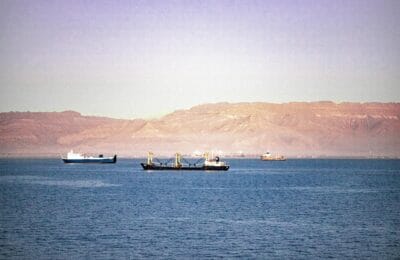
لا أحد يروي هذه القصة لأنها لا تتناسب مع أيٍّ من السرديات السهلة. الرأي التقليدي عن مصر لا يزال متمسكاً بأزمة العملة في 2022-2023 والتقشف بقيادة صندوق النقد. الرأي التقليدي عن الاقتصاد الإقليمي الكلي تهيمن عليه حرب إيران وأزمة تكرير الخليج وتخفيض الإنفاق السعودي. مصر، وفق هذا السرد، يُفترَض أن تكون خاسرة — محشورة بين قناة سويس فقدت ثلثي إيراداتها وقطاع سياحة كان يفترض أن ينهار وملف تهديد زمن الحرب الذي كان يفترض أن يطرد رأس المال.

البيانات الفعلية تحكي قصة مختلفة جداً.
سجّل صافي الاحتياطيات الأجنبية رقماً قياسياً عند 53.01 مليار دولار في نهاية أبريل، الأعلى في تاريخ مصر. تدفّقت التحويلات بقيمة 41.5 مليار دولار في 2025، بزيادة 40.5% على أساس سنوي، و29.4 مليار دولار في أول ثمانية أشهر من السنة المالية 2025/2026 وحدها، بزيادة 28%. أفرج صندوق النقد عن شريحة بـ2.3 مليار دولار في فبراير. تراجع التضخم من 15.2% في مارس إلى 14.9% في أبريل. السياحة منخفضة 12% فقط (مقابل 30-40% التي كانت مخشيّة)، ووصول السياح الخليجيين ارتفع 20%. الجنيه المصري فعلياً يتقوّى في أوائل مايو.
هذه هي قصة النمو المعاكسة لعام 2026 في الشرق الأوسط، وتستحق معالجة جادة.
الأرقام: أداء أسهم منطقة الشرق الأوسط وشمال أفريقيا حتى مايو 2026
| المؤشر | الدولة | منذ بداية 2026 | سنة كاملة | آخر 30 يوماً |
|---|---|---|---|---|
| EGX 30 | مصر | +30.6% | +41.3% | +8.2% |
| MSM 30 | عُمان | +9.4% | +14.1% | +1.8% |
| قطر للجميع | قطر | +4.1% | +6.8% | +0.4% |
| البحرين للجميع | البحرين | +3.7% | +5.2% | -0.3% |
| الكويت للجميع | الكويت | +2.1% | +4.7% | -1.1% |
| تاسي | السعودية | -2.8% | -1.4% | -5.1% |
| سوق أبوظبي | الإمارات – أبوظبي | -1.2% | +2.1% | -2.4% |
| سوق دبي | الإمارات – دبي | +0.4% | +8.7% | -1.9% |
| المغرب للجميع | المغرب | +6.8% | +12.4% | +0.9% |
| تونينديكس | تونس | +3.2% | +5.1% | +0.2% |
| عمّان للأوراق المالية | الأردن | +1.8% | +2.4% | -0.6% |
| بورصة بيروت | لبنان | +11.2% | +18.5% | +2.4% |
التفوّق المصري ليس ظاهرة ربع سنوي أو شهر. هو مستدام عبر نوافذ السنة، منذ بداية العام، والأخيرة. على أساس سنة، EGX 30 صاعد 41.3% بينما ثاني أفضل مؤشر إقليمي رئيسي (بيروت، يتعافى من قاعدة أصغر بكثير) صاعد 18.5%. أصحاب المركزَين الثالث والرابع (مسقط والمغرب) صاعدان 14% و12% على التوالي. الفجوة هائلة.
لماذا يصعد EGX 30 — أربعة محرّكات متعاضدة
المحرّك 1: استقرار الاقتصاد الكلي بفضل صندوق النقد
كان تسهيل الصندوق الممدّد لمصر بقيمة 8 مليارات دولار، الموسَّع من 3 مليارات في مارس 2024، حجر الزاوية في التعافي. اكتمل المراجعة الرابعة للصندوق في فبراير 2026 بإفراج شريحة بـ2.3 مليار دولار — أكبر صرف منفرد ضمن البرنامج. استشهدت رئيسة بعثة الصندوق إيفانا فلادكوفا هولار تحديداً بانضباط الإصلاح المصري بما في ذلك إصلاح نظام التقاعد وتوسعة الدعم بالبطاقة الذكية وتوحيد سعر الصرف كإنجازات جوهرية.
برنامج الإصلاح ليس تحمّلاً. سلّمت مصر فعلياً أكثر من المطلوب على عدة شروط. أصلاح دعم الطاقة قرّب أسعار الوقود بالتجزئة من التعادل الدولي. برنامج بيع حصص الدولة جمع 5.2 مليار دولار في 2025 وحدها (بما في ذلك حصص في بنك القاهرة والشرقية للدخان وإي-فاينانس وشركة الحفر المصرية وشركات تابعة لمصر للتأمين). سعر الصرف المرن، السائد منذ مارس 2024، تم الحفاظ عليه دون موجات تدخل.
المحرّك 2: استقرار العملة وتقوّي الجنيه
تداول الجنيه المصري في نطاق ضيّق 50-53 جنيه/دولار خلال الأشهر التسعة الماضية. في الأسبوع الثاني من مايو، تقوّى الجنيه فعلياً من 52.81 إلى 51.96 — ارتفاع 1.6%، وهو، في السياق المصري، إشارة ذات معنى. راكم البنك المركزي المصري الاحتياطيات طوال الوقت، ولم يدافع عن سعر ربط.
مسار الجنيه المصري والاحتياطيات
| الشهر | جنيه/دولار (متوسط) | صافي الاحتياطيات (مليار دولار) | تغطية الاستيراد 3 أشهر |
|---|---|---|---|
| أبريل 2024 | 48.20 | 40.36 | 5.8 شهر |
| أغسطس 2024 | 48.45 | 46.65 | 6.4 شهر |
| ديسمبر 2024 | 50.12 | 47.10 | 6.5 شهر |
| أبريل 2025 | 50.71 | 48.10 | 6.6 شهر |
| أغسطس 2025 | 48.50 | 49.04 | 6.7 شهر |
| ديسمبر 2025 | 50.85 | 50.20 | 6.9 شهر |
| أبريل 2026 | 52.40 | 53.01 | 7.2 شهر |
رقم 53.01 مليار دولار للاحتياطيات في نهاية أبريل هو الأعلى في تاريخ مصر. عند تغطية ضمنية لـ7.2 شهر من الاستيراد، مصر أصبحت الآن أفضل موقعاً من معظم الأسواق الناشئة عالمياً على هذا المؤشر تحديداً. تشغّل جنوب أفريقيا نحو 5 أشهر، تركيا نحو 4، الأرجنتين نحو 3.
المحرّك 3: تدفقات التحويلات — الدفعة البنيوية
تدفقات التحويلات المصرية كانت المتغير الاقتصادي الأكثر تقليلاً من شأنه خلال السنوات الثلاث الماضية. أرسل المغتربون المصريون — نحو 10 ملايين شخص، معظمهم في الخليج — إلى الوطن 41.5 مليار دولار في 2025، بزيادة 40.5% على أساس سنوي. أول ثمانية أشهر من السنة المالية 2025/2026 (يوليو 2025 إلى فبراير 2026) سلّمت 29.4 مليار دولار، بزيادة 28% على أساس سنوي. إذا استمر معدل التدفق، ستسلّم السنة المالية الكاملة 2025/2026 نحو 43-46 مليار دولار، متجاوزةً رقم السنة الميلادية 2025.
للوضع في السياق: التحويلات المصرية بـ41.5 مليار دولار في 2025 تجاوزت إيرادات قناة السويس (نحو 4 مليار دولار في السنة المتأثرة بالحرب)، وإيرادات السياحة (نحو 11 مليار دولار في سنة عادية، 9.7 مليار في 2025)، وتدفقات الاستثمار الأجنبي المباشر (نحو 10 مليار دولار). التحويلات هي بفارق ملحوظ أكبر مصدر منفرد للدخل الخارجي لمصر.
المحرّك 4: مصر كملاذ آمن نسبي
المحرّك الأكثر خروجاً عن الحدس هو أن حرب إيران وضعت مصر كملاذ آمن إقليمي. السياح الخليجيون، الذين في سنة عادية يتوزّعون بين لبنان والأردن ومصر، يتركّزون في مصر. وصول السياح السعوديين ارتفع 27% سنوياً. الإماراتيين 19%. الكويتيين 31%. السياحة الروسية والأوروبية التقليدية منخفضة، لكن الطلب الخليجي عوّض أكثر من المطلوب أسواق منتجعات شرم الشيخ والبحر الأحمر.
للتدفقات الرأسمالية القصة مماثلة. تفوّقت سندات اليوروبوند السيادية المصرية على كل الائتمان السيادي الإقليمي الآخر منذ بداية 2026. هامش الـ5 سنوات بالدولار عن الخزانة الأمريكية ضاق من 730 نقطة أساس في يناير إلى 480 نقطة في منتصف مايو. هامش الـ10 سنوات عند 590 نقطة مقابل 880 في يناير.
أعلى 10 أسهم تقود الصعود
| الشركة | الرمز | القطاع | منذ بداية 2026 | القيمة السوقية |
|---|---|---|---|---|
| طلعت مصطفى القابضة | TMGH | عقارات | +52% | 4.8 مليار$ |
| حسن علام القابضة | HAHO | إنشاءات/عقارات | +47% | 1.6 مليار$ |
| سوديك | OCDI | عقارات | +41% | 1.1 مليار$ |
| البنك التجاري الدولي | COMI | بنوك | +38% | 5.9 مليار$ |
| السويدي إلكتريك | SWDY | صناعات | +35% | 2.2 مليار$ |
| عز للحديد | ESRS | مواد | +33% | 1.4 مليار$ |
| إديتا للصناعات الغذائية | EFID | استهلاكية | +31% | 0.8 مليار$ |
| الشرقية | EAST | استهلاكية | +28% | 1.3 مليار$ |
| بنك القاهرة | BCAI | بنوك | +27% | 1.7 مليار$ |
| المصرية الكويتية القابضة | EKHO | قابضة | +25% | 2.1 مليار$ |
تفصيل القطاعات داخل EGX 30 (منذ بداية 2026)
| القطاع | الوزن في المؤشر | عائد منذ بداية العام | أعلى سهم |
|---|---|---|---|
| البنوك | 34.2% | +33.4% | COMI (+38%) |
| العقارات | 21.8% | +46.7% | TMGH (+52%) |
| الصناعات | 14.5% | +29.1% | SWDY (+35%) |
| المواد | 9.6% | +24.8% | ESRS (+33%) |
| الاستهلاك الأساسي | 8.4% | +22.5% | EFID (+31%) |
| الاتصالات | 5.2% | +12.4% | ETEL (+15%) |
| الرعاية الصحية | 3.8% | +18.2% | CICH (+24%) |
| الطاقة | 2.5% | +8.1% | SKPC (+12%) |
أربع دراسات حالة
البنك التجاري الدولي (COMI)
أكبر بنك خاص في مصر هو الوزن الأكبر المنفرد في EGX 30 بنحو 11% من المؤشر. أفصح البنك التجاري الدولي عن صافي دخل للربع الأول 2026 بقيمة 12.4 مليار جنيه، بزيادة 31% سنوياً، مع عائد على حقوق الملكية 38.5%. استفاد البنك من ارتفاع عوائد السندات الحكومية (لا تزال أذون الخزانة المصرية تدفع 22-24%)، وتعافي قوي في دخل الرسوم، وخط أنابيب الأعمال المصرفية للشركات المرتبط بقصة تدفق الاستثمار الأجنبي. يتداول COMI عند نحو 1.9 ضعف القيمة الدفترية، مكلف على أساس مطلق لكنه معقول على أساس معدّل بالعائد على حقوق الملكية.
طلعت مصطفى القابضة (TMGH)
TMGH هو أكبر مطور عقاري مدرج في مصر، مع بنك أراضٍ بحجم 35 مليون متر مربع ومشاريع رئيسية في مدينتي ومدينتي الجديدة ومدينتي مول المفتوح ومنطقة أعمال مدينتي وشراكة مدينة نور في العاصمة الإدارية الجديدة. عائد +52% منذ بداية العام مدفوع بمبيعات قياسية على الخريطة — 130 مليار جنيه في 2025 — وبتقدير بنك الأراضي الكامن بالدولار مع استقرار الجنيه. TMGH هو أيضاً مشارك رئيسي في مكوّن العقارات السياحية لمشروع رأس الحكمة.
حسن علام القابضة (HAHO)
HAHO هو الوكيل المدرج الأساسي على الإنشاءات والبنية التحتية المصرية. الشركة هي المقاول الرئيسي على عدة مشاريع للمنطقة الاقتصادية لقناة السويس وتمديد مونوريل بشتيل وبنية تحتية رئيسية للعاصمة الإدارية الجديدة. سجل الأوامر في نهاية 2025 كان 220 مليار جنيه، صاعداً من 165 مليار قبل عام. عائد +47% يعكس كلاً من تضخم سجل الأوامر وفرضية تعافي قطاع الإنشاءات مع تسريع تدفق الاستثمار الأجنبي لبدايات المشاريع.
الشرقية (EAST)
الشرقية هي احتكار التبغ المصري وإحدى آلات النقد المنظّمة النادرة على EGX 30. تحتفظ الدولة بنحو 50.96% عبر الشركة القومية للتبغ؛ الحملة الخاصون يشملون المصرية الكويتية القابضة. دفعت الشرقية توزيعات بقيمة 32 جنيه للسهم في 2025 مقابل سعر سهم حالي حول 350 جنيه، مما يعني عائد توزيعات نحو 9%. عائد +28% يعكس نمو الأسعار من زيادات أسعار التبغ (مفروضة من الدولة، مُمرَّرة للمستهلكين) والتدفق النقدي الدفاعي الكامن.
تدفقات الأموال الأجنبية مقابل المحلية
أحد أهم التحوّلات في القصة المصرية كان عودة رأس المال الأجنبي الاستثماري. في بداية 2026 امتلك المستثمرون الأجانب نحو 13% من حصة التداول الحر في EGX 30. بنهاية أبريل، ارتفعت تلك الحصة إلى نحو 21%. صافي الشراء الأجنبي بلغ نحو 1.4 مليار دولار خلال أول أربعة أشهر من 2026 — أقوى تدفق أجنبي مستدام في الأسهم المصرية خلال خمس سنوات.
تدفقات EGX الأجنبية والمحلية (مليون دولار)
| الشهر | صافي الشراء الأجنبي | مؤسسي محلي | أفراد محليون |
|---|---|---|---|
| يناير 2026 | +312 | +185 | +78 |
| فبراير 2026 | +428 | +220 | +91 |
| مارس 2026 | +311 | +154 | +62 |
| أبريل 2026 | +341 | +178 | +71 |
| مايو (حتى الآن) | +158 | +82 | +34 |
النمط متّسق: التدفق الأجنبي يقود، المؤسسي المحلي يتبع، الأفراد المحليون يشاركون. هذا هو الشكل النموذجي للسوق الصاعد المستدام، لا فقاعة مضاربية.
المقارنة مع لاعبي الأسواق الناشئة الأخرى
| السوق | منذ بداية 2026 محلي | منذ بداية 2026 بالدولار | P/E الآجل | عائد التوزيعات |
|---|---|---|---|---|
| مصر EGX 30 | +30.6% | +28.1% | 9.8x | 4.1% |
| ميرفال الأرجنتين | +25.4% | +18.5% | 11.2x | 1.8% |
| BIST 100 التركي | +19.2% | +12.4% | 6.8x | 3.4% |
| WIG20 البولندي | +15.1% | +18.7% | 10.4x | 4.6% |
| VN-Index الفيتنامي | +12.7% | +11.9% | 11.8x | 2.1% |
| Nifty 50 الهندي | +8.4% | +9.1% | 22.5x | 1.2% |
| بوفيسبا البرازيلي | +11.8% | +14.2% | 8.6x | 5.8% |
| JSE جنوب أفريقيا | +7.1% | +9.4% | 10.2x | 3.9% |
مزيج مصر من العائد المطلق القوي والتقييم المعقول (9.8x P/E آجل) وعائد التوزيعات الجيد (4.1%) وقصة الاقتصاد الكلي الكامنة المتقوية فريد في مجموعة الفرص العالمية الحالية للأسواق الناشئة. الأقرب للمقارنة هو الأرجنتين تحت برنامج إصلاح ميلي، لكن الأرجنتين تتداول عند مضاعف أعلى وتقدّم عائد توزيعات أقل. تركيا أرخص على P/E لكنها تقدم استقراراً أقل للعملة.
خط الإدراجات
خط الإدراجات المصري يستيقظ بعد جفاف لعدة سنوات. أكدت هيئة الرقابة المالية أوائل مايو أن تسع شركات في تحضير متأخر للإدراج في البورصة المصرية:
- البنك المتحد. برنامج بيع الدولة يُحضّر طرحاً جزئياً للبنك المتحد، مع البنك المركزي المصري كبائع.
- وطنية للبترول. ذراع توزيع الوقود في المصب التابع للدولة.
- مصر لتأمينات الحياة. طرح جزئي لأكبر شركة تأمين على الحياة.
- شركة تابعة لمجموعة إي-فاينانس للاستثمار. فصل لأعمال المدفوعات الرقمية.
- طرح ثانوي لبنك القاهرة. عرض أسهم ثانوي بعد الإدراج الجزئي 2024.
- حصة شركة الحفر المصرية. طرح ما قبل الإدراج لمستثمرين أساسيين.
- وحدة الجملة الخاصة لتيليكوم مصر. فصل لمراكز البيانات والبنية التحتية للجملة.
- شركة البترول الوطنية. إدراج مُناقَش منذ وقت طويل.
- طروحات شركات تابعة لـEFG هيرميس. عدة كيانات مالية متخصصة.
يمكن للخط تسليم 3-5 مليار دولار من عرض أسهم جديد على مدى 12-18 شهراً. في سوق دخله 1.4 مليار دولار من تدفق أجنبي خلال أربعة أشهر فقط، هذا العرض قابل للهضم.
المخاطر
الحالة الصاعدة مدعومة جيداً، لكن ثلاثة مخاطر تستحق اهتماماً جاداً.
الخطر 1: تصعيد الحرب الإقليمية. كانت حرب إيران حتى الآن إيجابية صافية لمصر بسبب إعادة توجيه السياحة وإطار الملاذ الآمن. ضربة مباشرة لأمن عبور قناة السويس، أو هجوم على البنية التحتية للغاز والنفط المصري، أو موجة لاجئين من تصعيد لبناني، ستعكس السرد بسرعة. تظل القوات المسلحة المصرية المرتكز الإقليمي، لكن الاقتصاد الكلي حساس لأي صدمة أمنية مباشرة.
الخطر 2: انزلاق برنامج صندوق النقد. الشريحة التالية بقيمة 1.2 مليار دولار مشروطة بتقدم إصلاح دعم الطاقة، والذي كان أصعب جزء سياسياً في الحزمة. أي قرار حكومي بإبطاء التخلص التدريجي من الدعم — ممكن في الفترة التي تسبق الانتخابات البرلمانية 2026 — سيؤخر الشريحة ويضغط على العملة.
الخطر 3: التقييم. يتداول EGX 30 الآن عند نحو 9.8x P/E آجل مقابل متوسطه خلال 5 سنوات 7.6x. حدث بالفعل إعادة تقييم بنسبة 30%. تم تحقيق المال السهل في الصفقة. الصعود الإضافي سيتطلب تسليم أرباح، لا توسعة مضاعفات.
توقعات لبقية 2026
حالتنا الأساسية هي هدف نهاية العام لـEGX 30 عند 60,000-62,000، مما يعني صعوداً إضافياً 10-13% من إغلاق 17 مايو. المحرّكات في النصف الثاني:
- تخفيضات أسعار البنك المركزي المصري (الإجماع 200-300 نقطة أساس من التخفيضات بنهاية العام) سيُطلق إعادة تقييم إضافية في البنوك والعقارات.
- الرقم النهائي للتحويلات للسنة المالية 2025/2026 فوق 44 مليار دولار سيُرسّخ قصة ميزان المدفوعات.
- تنفيذ خط الإدراجات يضيف عمقاً ورؤية أجنبية.
- محادثة ترقية MSCI من أسواق الحدود (مصر حالياً في مؤشر أسواق الحدود؛ التحرك نحو إدراج في الأسواق الناشئة عملية متعددة السنوات لكن يمكن أن نرى مؤشراً مبكراً في النصف الثاني).
- صرف مشروع رأس الحكمة يوفر ثقلاً للاستثمار الأجنبي حتى نهاية العام.
الصورة الأكبر
حاجج “ميدل إيست إنسايدر” في تحليلات أخرى بأن التعافي الاقتصادي المصري بعد 2024 هو أهم قصة لم تُرَ في المنطقة. صعود EGX 30 هو تصويت السوق على تلك الفرضية. بينما يعمل الخليج على أزمة تكرير، وبينما تُعيد السعودية معايرة رؤية 2030، وبينما تتفاوض إسرائيل ولبنان على وقف إطلاق نار طويل، وبينما تُعيد إيران بناء بنيتها الاستراتيجية، تنفّذ مصر بهدوء تعافياً نموذجياً بقيادة صندوق النقد وتُنمّي قطاعها الخاص في الوقت ذاته.
إغلاق البورصة المصرية القياسي فوق 54,628 ليس فقاعة. هو الأشواط الأولى من إعادة تقييم متعددة السنوات لاقتصاد، أخيراً، بعد عقد صعب، على أرض مستدامة. سنواصل تغطية كل إدراج رئيسي وكل قرار سعر للبنك المركزي المصري وكل إصدار شهري للتحويلات والاحتياطيات مع تكشّف القصة.
ما يجب مراقبته
- لجنة السياسة النقدية للبنك المركزي المصري، 22 مايو: أول إشارة محتملة لتخفيض سعر.
- المراجعة الخامسة لصندوق النقد، يونيو: قرار الشريحة التالية بـ1.2 مليار دولار.
- المراجعة الفصلية لمؤشر EGX 30، يونيو: إعادة موازنة محتملة.
- موسم أرباح الشركات للربع الأول 2026: البنوك والعقارات هي عامل التأرجح.
- بيانات التحويلات الشهرية: إصدار أبريل في نهاية مايو هو نقطة البيانات التالية.
- تحديث تقدم تطوير رأس الحكمة: إفصاح ADQ متوقع في يونيو.
- تقويم الانتخابات البرلمانية: أي إعلان جدول زمني يؤثر على وتيرة إصلاح الدعم.
في الوقت الحالي، يقف العنوان قائماً. سوق الأسهم المصرية هو الأفضل في منطقة الشرق الأوسط وشمال أفريقيا في 2026، بفارق واسع، والقصة تحت العنوان أفضل حتى من مستوى المؤشر الذي يقترحه.