The Safest Arab Countries in 2026: A Genuinely Updated Travel Guide
The Arab world in 2026 looks very different than it did even 18 months ago. The Iran-related conflict that dominated regional headlines through 2024 and 2025 has eased into a fragile but holding ceasefire, the Red Sea shipping lanes have reopened, and Gulf tourism numbers are back at — and in several cases above — pre-2024 highs. For travelers, this means a moment of genuine clarity: which Arab countries are safe to visit in 2026, what the practical security situation actually looks like on the ground, and how to plan a trip that takes advantage of the region’s many extraordinary experiences without taking on unnecessary risk.
This guide ranks the 10 safest Arab countries to visit in 2026 using a combination of factors: official travel advisory levels from major source markets (UK, EU, Canada, Japan, Australia, India), crime statistics where available, terrorism risk assessments, healthcare infrastructure, road safety, and the practical day-to-day experience of foreign visitors. These rankings are most relevant for leisure tourists; business travelers and journalists may have different concerns, particularly in countries that border active conflict zones.
A word on what we have deliberately excluded. We have not included countries currently experiencing active conflict, civil unrest, or governance collapse. That removes Syria, Yemen, Libya, Sudan, and Iraq (excluding Kurdistan, which is genuinely safe but functions as a semi-autonomous region for travel purposes) from this ranking. We have also not made a moral judgment about countries’ political systems; this is a practical safety ranking, not a political one. With that established, here is the ranking.

Summary Ranking Table
| Rank | Country | 2026 Safety Rating | Major Advisory Level | Best For |
|---|---|---|---|---|
| 1 | United Arab Emirates | 9.6/10 | Normal precautions | Luxury, family, business, first-time Arab travelers |
| 2 | Oman | 9.4/10 | Normal precautions | Adventure, nature, cultural depth |
| 3 | Qatar | 9.3/10 | Normal precautions | Stopovers, culture, family |
| 4 | Saudi Arabia | 9.0/10 | Normal precautions, advised vigilance near Yemen border | Religious tourism, new destinations, adventure |
| 5 | Bahrain | 8.9/10 | Normal precautions | Short breaks, F1, food and culture |
| 6 | Kuwait | 8.8/10 | Normal precautions | Culture, business, Arabic immersion |
| 7 | Jordan | 8.5/10 | Normal precautions, avoid Syrian border zone | History, archaeology, religious sites, hiking |
| 8 | Morocco | 8.3/10 | Normal precautions | Culture, food, mountains, surf |
| 9 | Egypt | 8.0/10 | Reconsider non-essential travel to North Sinai only; rest of country: normal precautions | Ancient history, Red Sea, river cruising, value |
| 10 | Tunisia | 7.7/10 | Normal precautions for tourist areas | Mediterranean coast, history, value |
1. United Arab Emirates — The Region’s Gold Standard
Safety Rating: 9.6/10 | Advisory Level: Normal precautions | Visa: 30-90 day visa-on-arrival for most nationalities; UAE-issued e-visa available
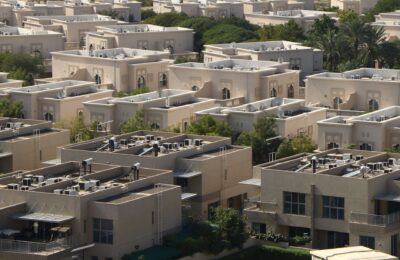
The UAE has been the safest country in the Arab world for the entirety of the last decade, and 2026 has not changed that. Violent crime is essentially nonexistent in tourist areas. The traffic police are competent and roads are well-maintained, though Dubai’s traffic culture is fast and demands attention. Healthcare facilities in Dubai and Abu Dhabi match or exceed those of most Western European capitals. The major safety risk for tourists is heatstroke between June and September, and it is real — temperatures regularly exceed 45°C, and there is no shade in many tourist areas.
The Iran-related conflict did create brief moments of regional disruption in 2024-2025, but the UAE was never a target and never closed to tourism. By April 2026, occupancy rates in Dubai and Abu Dhabi hotels are running 8-12% higher than in the equivalent period of 2024, reflecting confidence in the region’s stability.
Top destinations: Dubai (Burj Khalifa, Marina, Old Dubai, desert safaris), Abu Dhabi (Sheikh Zayed Grand Mosque, Louvre Abu Dhabi, Yas Island), Sharjah (heritage, the most culturally serious of the emirates), Ras Al Khaimah (mountains and beaches), Fujairah (East Coast, snorkeling and diving in the Gulf of Oman).
What to know: Bring respectful clothing for mosques and government buildings. Public displays of affection are not appreciated. Alcohol is licensed but freely available at hotel-affiliated venues. Tap water is safe but unpleasant; most residents drink filtered or bottled water. Friday is the religious day; expect government offices and some businesses to operate on shortened hours.
Visa requirements: US, UK, EU, Canadian, Australian, Japanese, and 60+ other passport holders receive 30-90 day visa-on-arrival. Other nationalities can apply for a UAE e-visa online before travel.
Best time to visit: November-March is the most comfortable. April-May and October-November are shoulder seasons with hot but bearable weather. Avoid June-September unless you are prepared for genuinely punishing heat.
2. Oman — The Most Underrated Arab Destination
Safety Rating: 9.4/10 | Advisory Level: Normal precautions | Visa: e-Visa available online for most nationalities
Oman is the quietly excellent Arab travel destination that the world is finally starting to discover. Crime rates are extremely low, the population is famously welcoming to foreign visitors, the natural landscapes are extraordinary (Hajar Mountains, the Empty Quarter, dramatic coastlines, fjord-like khors), and the cultural heritage is among the most preserved in the Arab world. Muscat is one of the most architecturally coherent and pleasant capitals in the Middle East. The country is genuinely safe to drive across — many travelers do exactly that, renting a 4×4 in Muscat and looping through Nizwa, the Wahiba Sands, Wadi Shab, Sur, and back.
The 2024-2025 conflict had effectively zero direct impact on Oman. Tourism numbers actually accelerated in late 2025 as travelers who had postponed planned visits during the conflict moved to the country, and as Oman’s profile rose with the publication of several major international travel features.
Top destinations: Muscat (Sultan Qaboos Grand Mosque, Mutrah Souq, Royal Opera House), Nizwa (fort, Friday goat market), Wahiba Sands (desert camps), Wadi Shab (canyon hiking and swimming), Salalah in the south (monsoon greenery from June-September, frankincense heritage), Musandam Peninsula (fjords and dolphins).
What to know: Roads are excellent, signage is bilingual, and self-driving is the right way to experience the country. Cash is useful in smaller towns. The dress code is more conservative than in Dubai but tourists in normal modest clothing are entirely fine.
Visa requirements: Most nationalities can apply for a tourist e-visa online for 10, 30, or longer stays. Some Gulf nationals enter visa-free.
Best time to visit: October-April for the north (Muscat, Nizwa, Wahiba). June-September for Salalah’s monsoon season (called “khareef”), one of the most unusual climate experiences in the Arab world.
3. Qatar — The Stopover That Became a Destination
Safety Rating: 9.3/10 | Advisory Level: Normal precautions | Visa: Visa-free or visa-on-arrival for most major source markets
Qatar’s transformation from oil-and-gas state into a serious cultural destination has accelerated since the 2022 World Cup, and 2026 sees the country in genuinely strong form. Doha’s Museum of Islamic Art, National Museum, and the recently expanded Qatar National Library are world-class. The city is exceptionally safe, with violent crime essentially nonexistent. Healthcare in Doha is excellent, on par with Dubai or Singapore.
Qatar’s diplomatic role during the 2024-2025 conflict, including its mediation work on Gaza and other regional issues, raised its international profile rather than threatening its safety. Tourism numbers in late 2025 and early 2026 are at all-time highs.
Top destinations: Doha (Corniche, Souq Waqif, Museum of Islamic Art, Katara Cultural Village, The Pearl), the inland desert (camel trekking, dune driving), Al Khor (heritage town and coastal walks), Al Zubarah (UNESCO-listed coastal fort).
What to know: Doha is hot from May through September; the rest of the year is comfortable to ideal. Public transport via Doha Metro is excellent and inexpensive. Dress modestly in public spaces; bikinis are fine at hotel pools but not on public beaches.
Best time to visit: November-March. The annual Qatar Tourism Festival in December-January is excellent.
4. Saudi Arabia — The Region’s Biggest Travel Story
Safety Rating: 9.0/10 | Advisory Level: Normal precautions, with advised vigilance near the Yemen border | Visa: e-Visa available for 60+ nationalities
Saudi Arabia’s transformation under Vision 2030 has produced the most dramatic tourism story in the Arab world. Five years ago, the kingdom was essentially closed to non-religious tourism. In 2026, it is opening at speed — AlUla (the Nabataean tombs and the new Maraya concert venue), the Red Sea Project (an emerging luxury archipelago), Riyadh (Diriyah heritage district, the Boulevard entertainment zone), Jeddah (the restored Al Balad historic district), Taif (mountains and roses) — and the country is investing aggressively in tourism infrastructure.
From a safety perspective, Saudi Arabia is genuinely safe for tourists in the major destinations. Violent crime is extremely low, women travelers report uniformly positive experiences in tourist areas, and the country’s tourism police force is professional and visible. The one real exception is the southern border region with Yemen, which still sees occasional Houthi missile or drone activity. Most tourist destinations are nowhere near that border, but check current advisories before traveling to Najran, Jizan, or Asir.
Top destinations: AlUla (Hegra, the second Nabataean capital after Petra), Riyadh (Diriyah, the National Museum, modern Boulevard zone), Jeddah (Al Balad UNESCO site, Red Sea waterfront), the Red Sea Project (luxury islands and reefs), Taif (mountains in the south, rose harvest season in April-May), Madain Saleh and the broader AlUla region.
What to know: The dress code for women in public has been relaxed — abaya is no longer mandatory, though modest clothing is expected. Alcohol remains banned. Religious tourism (Hajj and Umrah) operates separately from the tourist visa system. Roads between major cities are excellent; domestic flights are cheap and frequent.
Best time to visit: October-March for most of the country. April-May for AlUla and Taif specifically (cooler mountain weather). Avoid June-September except for the southern mountains.
5. Bahrain — The Gulf’s Compact Cultural Hub
Safety Rating: 8.9/10 | Advisory Level: Normal precautions | Visa: Visa-on-arrival or e-Visa for most nationalities
Bahrain is small enough to see in three or four days and culturally rich enough to deserve that time. Manama’s old souq, the Bahrain National Museum, the Bahrain Fort, and the Tree of Life are all worth the visit, and the Formula 1 Grand Prix in early March is a global sporting fixture. The country is safe, friendly to foreign visitors, and considerably less expensive than the UAE or Saudi Arabia.
Top destinations: Manama (Souq, National Museum, Bab Al Bahrain), Bahrain Fort, Tree of Life, Saar (archaeological sites), Muharraq (heritage houses), F1 circuit during March.
What to know: Bahrain is connected to Saudi Arabia by the King Fahd Causeway and sees significant weekend traffic from Saudi visitors, especially Thursday-Saturday. Alcohol is licensed at hotels. Dress codes are relaxed by regional standards but modesty is expected at religious sites.
Best time to visit: October-April. The F1 weekend in early March is the marquee event but the city is busy and prices are elevated.
6. Kuwait — Underrated for Culture and Food
Safety Rating: 8.8/10 | Advisory Level: Normal precautions | Visa: e-Visa for select nationalities; visa on arrival for some
Kuwait is not a leisure tourism destination in the way Dubai or Doha is — there are no luxury beach resorts, no marquee theme parks, no skyline-defining towers (the Kuwait Towers and the Al Hamra notwithstanding). What it has is a serious food culture, excellent museums, a low-key but genuine Arab everyday life that visitors can experience without packaging, and a level of safety that matches the Gulf’s best.
Top destinations: Kuwait Towers, Tareq Rajab Museum (Islamic art and heritage), Souq Mubarakiya, The Avenues mall, Failaka Island (archaeological history).
What to know: Alcohol is strictly banned. The dress code is more conservative than the UAE or Bahrain. Friday-Saturday is the local weekend.
Best time to visit: November-March.
7. Jordan — History, Hiking, and the Region’s Most Iconic Site
Safety Rating: 8.5/10 | Advisory Level: Normal precautions for most of the country, avoid the Syrian border zone | Visa: Visa-on-arrival for many nationalities; Jordan Pass strongly recommended
Jordan is the safest country in the Levant in 2026 and one of the most rewarding Arab destinations for travelers who care about history and landscape. Petra remains one of the most extraordinary archaeological sites on earth. Wadi Rum is the closest thing the planet has to a Martian landscape (and was used for several major sci-fi films). The Dead Sea is the lowest point on land. Amman is a livable, sophisticated capital with excellent food. The country’s tourism infrastructure recovered strongly through 2025 after the disruption of the 2024 conflict period.
From a safety perspective, Jordan is genuinely safe in the tourist zones. The country has hosted millions of refugees over the past decade and managed that pressure without significant security deterioration. The one zone to avoid is the northeastern border with Syria; tourists have no reason to go there anyway.
Top destinations: Petra (allow two full days), Wadi Rum (one overnight in a Bedouin camp is mandatory), Dead Sea, Jerash (Roman ruins, the best-preserved in the Middle East), Amman (downtown, the Citadel, food), Aqaba (Red Sea diving), Madaba and Mount Nebo (Christian heritage and mosaics).
What to know: The Jordan Pass — a combined visa-and-attractions ticket — is genuinely the best deal in regional tourism if you are visiting for at least three days. Roads are good but driving culture is more aggressive than the Gulf. Some Bedouin guides at Petra will hassle solo female tourists; politely decline.
Best time to visit: March-May and September-November. Avoid July-August for Petra (extreme heat).
8. Morocco — North Africa’s Most Reliable Destination
Safety Rating: 8.3/10 | Advisory Level: Normal precautions | Visa: Visa-free for most major nationalities up to 90 days
Morocco is the Arab world’s most established mainstream tourist destination, and 2026 has been a strong year. The country recovered well from the September 2023 Marrakech earthquake, tourism numbers are at record highs, and the run-up to co-hosting the 2030 FIFA World Cup is driving significant investment in infrastructure and hotels. The combination of mountains, desert, surf, ancient cities, and food makes it the most varied Arab destination.
Top destinations: Marrakech (medina, gardens, food), Fes (medina, the world’s oldest continuously operating university), Chefchaouen (the blue town), Essaouira (coastal music city), Sahara (Erg Chebbi and Erg Chigaga), Atlas Mountains (Toubkal trekking), Casablanca (modern Morocco, Hassan II Mosque), Tangier (gateway to North Africa).
What to know: Petty theft and aggressive hawking exist in the major medinas; keep your bag close and learn a few firm phrases in French or Arabic. Hashish offers in tourist areas are common; refuse them. Women travelers should expect more verbal attention than in the Gulf but are not in physical danger in mainstream areas.
Best time to visit: March-May and September-November. April is the most reliable for weather across the country. December-February is wet in the north and cold in the mountains.
9. Egypt — The Cradle Civilization, Recovered
Safety Rating: 8.0/10 | Advisory Level: Reconsider non-essential travel to North Sinai only; rest of country is normal precautions | Visa: Visa-on-arrival or e-Visa for most major nationalities
Egypt is one of the most rewarding travel destinations on earth and is fundamentally safe outside the North Sinai security zone. The Grand Egyptian Museum near the Giza Pyramids opened fully in 2024 and is now operating at scale, and the resulting tourism surge has been substantial. Cairo, Luxor, Aswan, and the Red Sea resorts (Sharm El Sheikh, Hurghada, El Gouna, Marsa Alam) are all completely safe. Egyptian society is one of the most welcoming in the Arab world, and the cultural depth of the country — pharaonic, Coptic, Islamic, and modern — is genuinely unmatched.
Egypt deserves explicit defense in any safety ranking: the country has navigated extraordinary regional turbulence over the past 15 years and emerged with a tourism sector that is now better-organized, better-trained, and better-positioned than it was a decade ago. The recent Iran-related disruption did not directly affect Egypt and Egyptian tourism numbers reached an all-time high in 2025, with 2026 on pace to exceed that.
Top destinations: Giza Pyramids and the Grand Egyptian Museum (now the world’s largest archaeological museum), Cairo (Islamic Cairo, Coptic Cairo, the Egyptian Museum in Tahrir Square as the second-best Egyptology museum), Luxor (Valley of the Kings, Karnak, Hatshepsut Temple), Aswan (Philae, Abu Simbel), Nile cruising (Luxor-Aswan), Red Sea diving (Hurghada, Sharm, Marsa Alam), Siwa Oasis (desert culture and salt lakes), Alexandria (Mediterranean Egypt).
What to know: Petty hassling for tips at tourist sites is real; a small note in your hand discourages most of it. Cairo traffic is famously chaotic; use a ride-hailing app. Drink bottled water everywhere. Take a few practical precautions and Egypt rewards visitors as well as any country in the world.
Best time to visit: October-April. December-February is peak season at the pyramids and Luxor. Summer is fine for diving in Sharm but punishing at the inland archaeological sites.
10. Tunisia — Mediterranean Affordability
Safety Rating: 7.7/10 | Advisory Level: Normal precautions in tourist zones | Visa: Visa-free for most European, North American, and Gulf nationalities up to 90 days
Tunisia is the underrated Mediterranean Arab destination. Beaches that rival the south of France at a quarter of the price, Roman ruins that compete with Italy’s, the white village of Sidi Bou Said, and the desert oases of the south. Tourist zones are safe and well-policed. The country has worked hard to rebuild its tourism sector after difficulties in the 2010s, and 2026 reflects that effort with strong arrival numbers and well-maintained infrastructure.
Top destinations: Tunis (Medina, Bardo Museum), Carthage and Sidi Bou Said, El Jem (Roman amphitheater, the best-preserved in the world), Sousse and Hammamet (beach resorts), Djerba (island), Sahara (Douz and Tozeur), Kairouan (one of Islam’s holiest cities).
What to know: French is widely spoken; Arabic is the official language. The currency (Tunisian dinar) cannot be exchanged outside the country, so spend it before you leave. Avoid southern border regions with Algeria and Libya.
Best time to visit: March-May and September-November.
Country-by-Country Visa Snapshot
| Country | US/UK/EU | Gulf Nationals | Most Asian | Notes |
|---|---|---|---|---|
| UAE | 30-90 day VOA | Free entry | e-Visa for many | Easiest in region |
| Oman | e-Visa online | Free entry | e-Visa online | Multiple duration options |
| Qatar | Visa-free or VOA | Free entry | VOA for many | Hayya Card for events |
| Saudi Arabia | e-Visa for 60+ nationalities | Free entry | e-Visa expanding | Religious visa separate |
| Bahrain | VOA or e-Visa | Free entry | e-Visa most | Causeway entry from KSA |
| Kuwait | e-Visa for select | Free entry | Limited | Most restrictive of GCC |
| Jordan | VOA | Free entry | VOA most | Jordan Pass recommended |
| Morocco | Visa-free 90 days | Visa-free 90 days | Varies | One of the most generous |
| Egypt | VOA or e-Visa | Free entry GCC | e-Visa most | e-Visa is cheaper than VOA |
| Tunisia | Visa-free 90 days | Visa-free 90 days | Varies | Generous to most |
Practical Safety Tips That Apply Region-Wide
Money and Cards
ATMs in major cities work reliably across the region. Bring two cards from different networks (Visa and Mastercard ideally). Notify your bank of travel plans to avoid blocks. Cash is essential in Karama-style neighborhoods in Dubai, almost all Egyptian souks, all of Tunisia outside major hotels, and most of Morocco’s medinas.
Transport
Ride-hailing apps (Careem, Uber, inDriver, and local equivalents) work well in Dubai, Abu Dhabi, Riyadh, Jeddah, Cairo, Amman, Doha, and Manama. In Morocco, use grand taxis or the train network — both are reliable and inexpensive. In Tunisia, taxis are metered and cheap. In Egypt, Uber and Careem both work in Cairo, Alexandria, and major Red Sea resorts. Avoid intercity night driving in Egypt, Morocco, and Tunisia.
Health
Drink bottled water in Egypt, Morocco, Tunisia, and Jordan. Tap water in the UAE, Oman, Qatar, Bahrain, Kuwait, and Saudi Arabia is technically safe but tastes bad; most residents drink filtered. Pharmacies in all GCC countries are excellent. In Egypt and Morocco, bring any prescription medication in original packaging with a copy of the prescription. Travel insurance with medical coverage is genuinely valuable for any visit longer than a few days.
Communication
Buy a local SIM at the airport on arrival. UAE (Etisalat, du), Saudi Arabia (STC, Mobily), Egypt (Vodafone, Orange), Morocco (Maroc Telecom, Inwi) all have reasonable tourist plans. WhatsApp calling is permitted in most Arab countries (the UAE blocks WhatsApp voice/video calls on cellular; works on hotel WiFi with VPN if needed).
Cultural Etiquette
Dress modestly when visiting mosques, religious sites, and traditional neighborhoods (women: cover shoulders, knees, and bring a scarf for head covering at religious sites; men: long pants at religious sites). Public displays of affection are not appreciated anywhere in the region. Ramadan is a special period — eating, drinking, and smoking in public during daylight hours is illegal in some countries and culturally inappropriate everywhere. Greet shopkeepers with “salaam aleikum” and you will get warmer responses.
Best Arab Country for Different Traveler Types
| Traveler Type | Best Match | Why |
|---|---|---|
| First-time Arab traveler | UAE | Most familiar Western-style infrastructure; everything in English |
| Adventure seeker | Oman | Mountains, desert, coast all accessible by 4×4 |
| History buff | Egypt | Most layered ancient and Islamic heritage on earth |
| Beach holiday | Egypt (Red Sea) or Oman | World-class diving, lower crowds than Mediterranean |
| Food traveler | Morocco | Best food culture in the Arab world outside Lebanon |
| Religious tourism | Saudi Arabia or Jordan | Hajj/Umrah or Christian heritage sites |
| Family with kids | UAE or Qatar | Theme parks, beaches, family-friendly culture |
| Honeymoon | Jordan + Egypt combo | Romance of Petra plus Nile cruising |
| Budget backpacker | Egypt or Tunisia | Most affordable, deep cultural offerings |
| Luxury traveler | UAE or AlUla (KSA) | World’s best luxury hotel inventory |
The Iran Conflict and Its Lingering Effects on Regional Travel
The fragile but holding ceasefire that ended the most acute phase of the Iran-related conflict has stabilized regional travel meaningfully through 2026. The Strait of Hormuz remained open throughout, the Red Sea shipping lanes have fully reopened, regional airspace is normal, and there have been no significant attacks on Gulf or Levantine civilian targets since the ceasefire began. Major airlines have returned all suspended routes, hotel occupancy is at or above pre-conflict levels in most of the region, and the regional tourism boards are running their largest marketing campaigns in years.
That said, travelers should monitor advisory updates from their home governments before travel, particularly for trips to Saudi Arabia’s southern provinces (where Yemen-related security issues persist), Jordan’s far northeastern border zone, and Egypt’s North Sinai. Egypt and Jordan deserve particular vindication: both countries have hosted refugees, weathered regional turbulence, and maintained tourist safety throughout the difficult period. Both reward travelers richly.
What About Lebanon, Iraq, and Palestine?
These three countries deserve specific mention because all three are culturally extraordinary destinations that we did not include in the top 10 safety ranking, and their omission requires explanation.
Lebanon: The country remains one of the most beautiful, culturally rich, and food-defining Arab destinations. But Lebanon’s economic crisis, intermittent regional flare-ups, and political fragility make it a destination for travelers who already know the country or who have local connections, not for first-time Arab visitors. We hope to rank Lebanon in this list within the next two years as the situation stabilizes.
Iraqi Kurdistan: Erbil and the Kurdish-administered north are genuinely safe and increasingly visited by tourists drawn by the mountains, the heritage of Hewler citadel, and the welcoming culture. Federal Iraq (Baghdad, Karbala, Najaf, Basra) is also accessible to organized religious or heritage tourism, but conditions vary. Watch for an explicit Iraq travel guide in the coming months.
Palestine: The West Bank — Bethlehem, Jericho, Hebron, Nablus, Ramallah — remains accessible and is a profoundly meaningful destination for religious tourists and anyone who wants to understand the regional history honestly. Gaza, of course, is not currently a tourism destination. Visiting the West Bank involves logistical complexity, especially around movement and checkpoints, but the cultural rewards are real and Palestinian society’s hospitality to visitors is extraordinary. We encourage thoughtful travelers to consider it.
Recommended Multi-Country Itineraries for 2026
The Classic Two-Week Arab World Introduction
If this is your first serious trip to the Arab world and you have two weeks, the strongest itinerary in 2026 is Dubai (3 nights) + Abu Dhabi (1 night) + Oman (4 nights including Muscat, Nizwa, and a desert camp) + Jordan (5 nights covering Petra, Wadi Rum, Dead Sea, and Amman) + 1 transit night. This combination gives you the contemporary face of the Arab world, the historical depth, mountain and desert landscape, and one of the planet’s iconic archaeological sites. Total budget for two people, mid-range, runs approximately $5,500-7,500 excluding flights.
The Egypt-Focused Deep Dive
If Egyptian civilization is the draw, a two-week Egypt-only itinerary is genuinely better than splitting time across countries. Cairo and Giza (3 nights), Luxor (3 nights including Karnak, Valley of the Kings, and the West Bank temples), a 4-night Nile cruise from Luxor to Aswan, Aswan and Abu Simbel (2 nights), and 2-3 nights on the Red Sea in El Gouna or Marsa Alam. The Egypt approach is, dollar for dollar, the best cultural travel value in the Arab world in 2026.
The Gulf Modernity Sampler
For travelers focused on contemporary Arab business and architecture, 10 days covering Dubai, Abu Dhabi, Doha, and Riyadh gives you a complete snapshot of the Gulf’s modern direction. AlUla can be added if you have an additional 2-3 days. This itinerary works particularly well for business travelers who want to extend a work trip into something more substantial.
The North Africa Mediterranean Circuit
Two weeks across Morocco and Tunisia gives you the most varied landscapes in the Arab world at the most affordable price points. Morocco anchor (10 days: Marrakech, Atlas trekking, Sahara, Fes) plus Tunisia (4 days: Tunis, Carthage, Sidi Bou Said, El Jem). Spring or fall departures only.
The Bottom Line
The Arab world in 2026 is more travelable than it has been in years, the safety picture in the top 10 countries on this list is genuinely good, and the diversity of experience on offer — luxury Dubai, ancient Egyptian history, Omani mountains, Moroccan medinas, Petra and Wadi Rum, AlUla and the emerging Saudi tourism scene, the Mediterranean coast of Tunisia — is unmatched in any comparable region of the world. Travel insurance, sensible itineraries that avoid border zones, basic cultural respect, and the same situational awareness you would apply in any major city are the only real safety requirements. The region is ready to welcome you. Go.
For Arab travelers themselves — whether you are visiting from one Arab country to another, returning home from a long diaspora absence, or exploring parts of your own region you have never seen — 2026 is a particularly rewarding moment. Visa policies for inter-Arab travel are simpler than they have been in decades, regional airline networks are strong, and the cultural pride that has emerged across Arab tourism boards is producing real investment in heritage preservation and visitor experience. Egypt’s investments in the Grand Egyptian Museum, Saudi Arabia’s opening of AlUla and its broader cultural heritage, and Morocco’s preparation for the 2030 World Cup are all moments of Arab self-confidence translating into infrastructure that visitors will benefit from for decades. This is a good time to know your region.