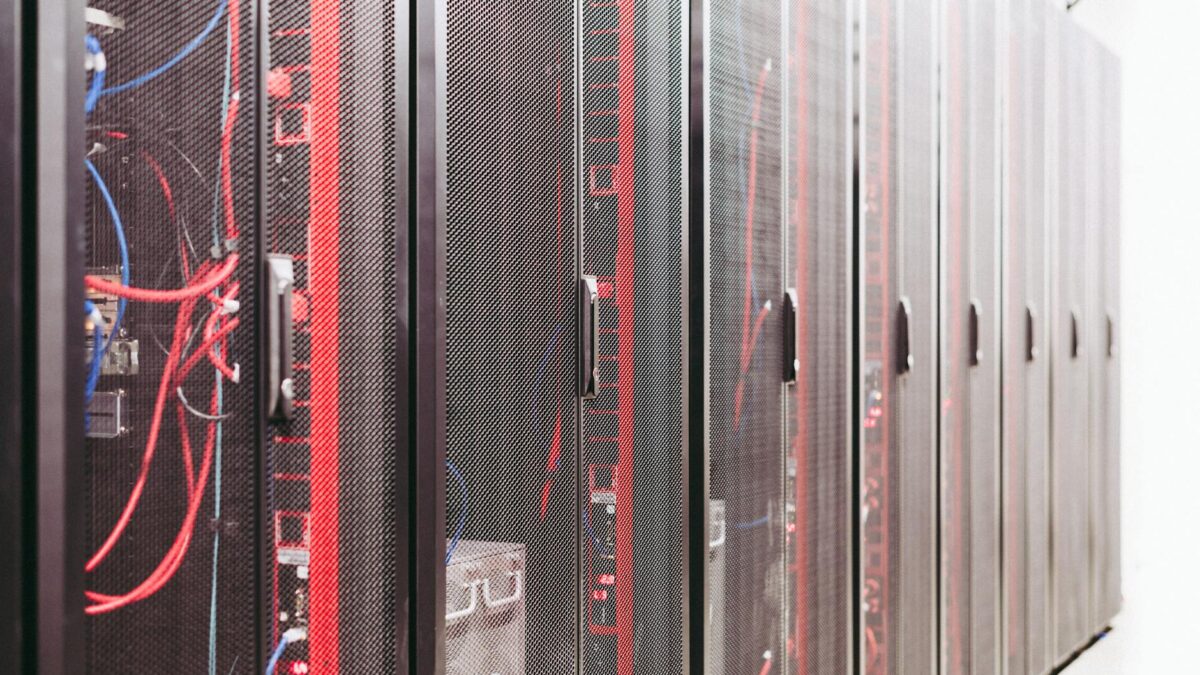
ادخل إلى ممر الرياض الصناعي الشمالي في أوائل عام 2026، مرّ بأبراج مركز الملك عبدالله المالي، وفي غضون أربعين دقيقة تصل إلى مجمع Center3 في الرياض حيث جمعت stc بهدوء أكبر بصمة طاقة حية في المملكة في مجال مراكز البيانات. يدوي الموقع كما تدوي مراكز البيانات الكبيرة دائماً: محطات تبريد على المحيط، الأنين الخفيف المستمر لوحدات معالجة الهواء في غرف الحاسبات، مؤشرات أخطاء أرضية زرقاء على المفاتيح الكهربائية الخارجية، محطتان فرعيتان جديدتان شُغّلتا في النصف الثاني من 2025، وخلف السياج الفولاذ غير المكتمل للمرحلة الثانية — سبعون ميجاوات إضافية مقررة للتشغيل خلال 2026. اقطع خمس ساعات شرقاً إلى الدمام وتصبح الصورة أوضح. هناك، على قطعة من الصحراء قرب منطقة عمليات أرامكو الشرقية، وضع المساحون بالفعل أوتاد محيط ما تسميه Humain — شركة الذكاء الاصطناعي السيادية التي أطلقها صندوق الاستثمارات العامة في مايو 2025 — أول حرم تدريب وطني للذكاء الاصطناعي، مع جدولة تسليم رفوف NVIDIA Blackwell على مراحل خلال 2026 و2027. هذه هي طفرة مراكز البيانات السعودية لعام 2026، وبعد أربعة وعشرين شهراً من التخطيط البطيء، تُصبّ الميجاوات أخيراً في الخرسانة.
تروي الأرقام القصة الاستراتيجية. أنهت المملكة العربية السعودية عام 2024 بحوالي 250 ميجاوات من سعة مراكز البيانات الحية المثبتة عبر جميع المشغلين. وبحلول 2026 يبلغ الرقم العامل 400 إلى 500 ميجاوات، على مسار رؤية 2030 نحو حوالي 1,300 ميجاوات بحلول نهاية العقد — بناء يعني خمسة أضعاف البصمة الحالية في ست سنوات. التدفق الرأسمالي الذي يدعم هذا البناء يرتكز على ثلاثة أسماء: أكوا باور، بهدف 1.5 جيجاوات في مشروع مشترك مع أرامكو السعودية بحلول 2032 و5 إلى 7 مليارات دولار ملتزم بها؛ stc من خلال منصة Center3، التي تتوسع من حوالي 150 ميجاوات في 2024 نحو 350 ميجاوات بحلول 2027 ببرنامج بنية تحتية يتجاوز 4 مليارات دولار؛ وHumain، شركة الذكاء الاصطناعي السيادية التابعة لصندوق الاستثمارات العامة بالتزام أولي قدره 40 مليار دولار وهدف بنية تحتية وطنية للذكاء الاصطناعي يبلغ 1,000 ميجاوات بحلول 2030. خلف هؤلاء الثلاثة تقف موبايلي وأرامكو السعودية كلاود وموجة متنامية من المناطق الأجنبية الكبرى من Google وMicrosoft وOracle و— في النهاية — Amazon Web Services.
هذا ملخص محلل عملي حول بناء مراكز البيانات السعودية لعام 2026 والسنوات التي تليها مباشرة. يغطي أرقام السعة بالميجاوات ومسار رؤية 2030، مجموعة اللاعبين السعوديين الرئيسيين بأهداف سعتهم والتزامات رأس المال، اقتصاديات شراكة الشركات الكبرى، تحكيم تكلفة الطاقة الذي يرتكز عليه منطق الاستثمار بأكمله، تفضيلات الموقع عبر الرياض والدمام وجدة ونيوم وينبع، المقارنة بالبدائل الإماراتية والمصرية، أدوات الاستثمار في الأسهم المُدرجة والمقاولين المتاحة لرأس المال الأجنبي، تقويم معالم 2026، والمخاطر التي يجب تسعيرها قبل توقيع الشيك. هو مكتوب لمحلل البنية التحتية، ومسؤول مشتريات خدمات السحابة، ومدير المحفظة الأجنبي المهتم بتداول، ومسؤول التطوير المؤسسي الذي يحاول فهم ما إذا كان التعرض لمراكز البيانات السعودية يستحق وضعاً حقيقياً بدلاً من مجرد حاشية.

قصة السعة: من 250 ميجاوات إلى 1,300 ميجاوات على مسار رؤية 2030
حساب السعة هو المكان المناسب للبدء لأنه يؤطر كل قرار آخر. في 2024، كانت السعة الإجمالية المثبتة لمراكز البيانات في المملكة العربية السعودية حوالي 250 ميجاوات من حمل تقنية المعلومات — مقاسة بالطريقة التي تقيسها الصناعة، وهي سعة الطاقة المتاحة للرفوف لعملاء التموضع المشترك، وليس إجمالي طاقة المرفق التي تشمل التبريد والملحقات الأخرى. من تلك الـ 250 ميجاوات، شكّلت stc Center3 حوالي 150 ميجاوات موزعة بين الرياض وجدة وبصمة دمام أصغر، مما يجعلها بفارق ملحوظ أكبر مشغل واحد. ساهمت موبايلي بحوالي 50 إلى 80 ميجاوات. وشكّل ذراع السحابة لأرامكو السعودية 20 إلى 30 ميجاوات إضافية من السعة المخصصة لقطاع الطاقة. ملأ المشغلون الأصغر والمرافق الحكومية الداخلية الباقي.
الرقم العامل لعام 2026 — الذي يستخدمه مخططو الحكومة السعودية، ومتتبع مراكز بيانات الشرق الأوسط وشمال إفريقيا التابع لـ Cushman & Wakefield، وفريق البنية التحتية الإقليمي لـ Knight Frank، والاستشاريين الهندسيين الكبار الذين ينتجون توقعات السعة — يقع عند 400 إلى 500 ميجاوات من حمل تقنية المعلومات الحي. تعكس الزيادة عن 2024 تشغيل المرحلة الثانية لـ stc في موقعي الرياض وجدة خلال 2025 وحتى أوائل 2026، وعمل المرحلة الأولى لـ Humain خلال 2026، بالإضافة إلى سعة إضافية من موبايلي والمشغلين الأصغر.
هدف رؤية 2030 هو حوالي 1,300 ميجاوات بحلول نهاية العقد. هذا الرقم مبني من التزامات على مستوى المشغل: 350 ميجاوات في stc Center3 بحلول 2027 مع المزيد من التوسع حتى 2030؛ 1,000 ميجاوات في Humain بحلول 2030؛ ما يصل إلى 1.5 جيجاوات في المشروع المشترك بين أكوا باور وأرامكو السعودية بحلول 2032 (مع معظم ذلك بعد أفق 2030)؛ وحوالي 100 إلى 150 ميجاوات تراكمياً عبر موبايلي وأرامكو السعودية كلاود واللاعبين الأصغر. صافياً من تداخلات المشغلين وخصومات معدل البناء المعقولة، 1,300 ميجاوات هو رقم التخطيط الحالة المركزية. تابعت تغطية رويترز للتكنولوجيا خلال 2025 وحتى 2026 إيقاع الإعلان والتشغيل بالتفصيل، مع تقارير ثابتة عن Humain وأكوا باور وتوسع Center3.
للمقارنة، الإمارات العربية المتحدة — من خلال G42 ومقرها أبوظبي وشركتها الفرعية Khazna Data Centres، والبصمة المدعومة من اتصالات — متوقعة عند حوالي 800 ميجاوات بحلول 2030 وفقاً لتوقعات الصناعة. مصر متوقعة عند 200 إلى 300 ميجاوات. قطر أصغر عند حوالي 100 إلى 150 ميجاوات. إسرائيل عند حوالي 200 ميجاوات. هدف 1,300 ميجاوات السعودي يضع المملكة كأكبر سوق وطني واحد لمراكز البيانات في منطقة الشرق الأوسط وشمال إفريقيا الأوسع بفارق ذي معنى — إعادة ترتيب هيكلية للسحابة الإقليمية والبنية التحتية للذكاء الاصطناعي لها آثار على الاستراتيجية التجارية للشركات الكبرى، والبنية التحتية لتدريب الذكاء الاصطناعي باللغة العربية، وإقامة أعباء العمل الحكومية أبعد بكثير من حدود المملكة العربية السعودية ذاتها.
Humain: نموذج بطل الذكاء الاصطناعي السيادي
الميزة الهيكلية الجديدة الأكثر أهمية في مشهد مراكز البيانات السعودية لعام 2026 هي Humain، شركة الذكاء الاصطناعي السيادية التي أطلقها صندوق الاستثمارات العامة في مايو 2025. Humain هي للبنية التحتية للذكاء الاصطناعي السعودي ما هي أرامكو السعودية للهيدروكربونات السعودية أو ما هي stc للاتصالات السعودية: أداة بطل وطنية مملوكة بالكامل للدولة، مرسملة بمقياس سيادي، مفوّضة ببناء قدرة وطنية محورية عبر طبقة صناعية كاملة. تجاوز التزام صندوق الاستثمارات العامة الأولي 40 مليار دولار عند الإطلاق، مع خطة استراتيجية ترتكز على 1,000 ميجاوات من سعة مراكز البيانات بحلول 2030، موزعة بشكل أساسي بين الرياض والدمام، مع نيوم كموقع توسع مستقبلي.
استراتيجية الرقائق متعددة البائعين بالتصميم. وقّعت Humain اتفاقيات إطارية مع NVIDIA تغطي توريد وحدات معالجة الرسوم من جيل Blackwell على نطاق واسع، مع تسليم على مراحل متوافق مع جاهزية موقع مركز البيانات حتى 2026 و2027. الاتفاقيات الإطارية الموازية مع AMD تغطي مسرعات Instinct من فئة MI، مما يوفر تنويعاً للمنصة ضد التعرض لبائع واحد ويعطي Humain قدرة تدريب بمكدس مزدوج تتطابق مع التفضيلات المعمارية لمختلف العملاء النهائيين. تُغلَّف طبقة الحوسبة في عروض السحابة والذكاء الاصطناعي كخدمة الموضوعة لأعباء العمل الحكومية السعودية، والصناعات المنظمة، والعملاء المؤسسات عبر دول مجلس التعاون الخليجي.
دفتر العملاء يُبنى عمداً. تشمل علاقات Humain المُعلنة Google — من خلال شراكة سحابية بدلاً من توريد الرقائق المباشر — وأرامكو السعودية للذكاء الاصطناعي في قطاع الطاقة، والحكومة السعودية عبر وزارات متعددة من خلال تنسيق أعباء العمل في SDAIA، وقائمة متنامية من المشترين في الصناعات المنظمة. تتناول قطعتنا المرافقة عن استراتيجية وصفقات Humain للذكاء الاصطناعي السعودي 2026 العلاقات التجارية المحددة والجدول الزمني للإعلانات العامة. تفويض رؤية 2030 صريح: ستكون Humain مزود البنية التحتية الوطنية للذكاء الاصطناعي على مستوى التشغيل الذي تعمل عليه أعباء العمل الحكومية السعودية والمنظمة والصناعية الاستراتيجية، مع دمج الشركات الكبرى الأجنبية كشركاء ومزودي سعة بدلاً من أن يكونوا مشغلين نهائيين لأعباء العمل الحرجة وطنياً.
بالنسبة للمستثمرين الأجانب، تهم قصة Humain على الرغم من أن Humain نفسها خاصة. التزام صندوق الاستثمارات العامة البالغ 40 مليار دولار يتدفق إلى تدفقات الشراء التي تفيد الشركات المدرجة — NVIDIA وAMD على جانب الرقائق، ومقاولي الهندسة والمشتريات والبناء الذين يبنون البصمة المادية، وأخصائيي المعدات الذين يوفرون البنية التحتية للتدفئة والتهوية وتكييف الهواء والكهرباء والأمن المادي، ومشغلي الاتصال والألياف الذين يربطون الحرم الجامعي بالكابلات البحرية وبمناطق الشركات الكبرى، وشركات الطاقة والاتصالات المدرجة في تداول التي تتقاطع مع سلسلة قيمة Humain في نقاط متعددة. تضع نظرة عامة لدينا حول حيازات محفظة صندوق الاستثمارات العامة السعودي لعام 2026 Humain داخل استراتيجية تخصيص رأس المال الأوسع لصندوق الاستثمارات العامة وتُظهر أين تقع أطروحة مراكز البيانات داخل المحفظة العالمية للصندوق السيادي.
stc Center3: المشغل الراسخ يضاعف رهانه
stc — شركة الاتصالات السعودية، رمز تداول 7010 — هي الشركة الراسخة وأكبر مشغل واحد لمراكز البيانات في المملكة من حيث الميجاوات الحية. أُعيدت تسمية أعمال مراكز البيانات إلى Center3 في 2024 لفصل عرض التموضع المشترك والبنية التحتية السحابية عن العلامة التجارية للاتصالات الاستهلاكية ولجعل الأصل أنظف لشراكات الشركات الكبرى والإجراءات الاستراتيجية المستقبلية المحتملة بما في ذلك إمكانية الانفصال أو الإدراج الجزئي. أنهت Center3 عام 2024 بحوالي 150 ميجاوات من سعة تقنية المعلومات الحية موزعة عبر مجمع الرياض الرئيسي، وموقع جدة الثانوي، وبصمة الدمام الأصغر.
مسار التوسع الملتزم يأخذ Center3 إلى 350 ميجاوات بحلول 2027 بنفقات رأسمالية حوالي 4 مليارات دولار عبر البرنامج متعدد السنوات. توسع الرياض يمثل أكبر حصة واحدة، مع تشغيل المرحلة الثانية خلال 2025 و2026 يليها المرحلة الثالثة بالأرض المؤمنة بالفعل. توسع جدة أكثر تواضعاً من حيث الميجاوات المطلقة لكنه مهم استراتيجياً لأن جدة هي موقع هبوط الكابلات الطبيعي للألياف البحرية في البحر الأحمر وبالتالي المنطقة السعودية المفضلة لأعباء العمل الحساسة لزمن الانتقال من الشركات الكبرى التي تواجه العملاء. توسع الدمام يدعم العملاء الصناعيين المجاورين لأرامكو وقاعدة عبء العمل في المنطقة الشرقية.
دفتر العملاء مرتكز على أعباء العمل السحابية للحكومة السعودية. قواعد إقامة السحابة السعودية — المنسقة من قبل SDAIA، الهيئة السعودية للبيانات والذكاء الاصطناعي، وCITC، هيئة الاتصالات والفضاء والتقنية — تتطلب تشغيل البيانات المنظمة وأعباء العمل الحكومية داخل المملكة. هذا المتطلب هو المرتكز الهيكلي لاقتصاديات Center3: يعطي Center3 دفتر طلب مدافع عنه من القطاع الحكومي الذي من غير المرجح أن يهاجر إلى الخارج بسبب المنافسة السعرية. يعمل عملاء الشركات الكبرى — Google Cloud وMicrosoft Azure وOracle Cloud — عادةً كمستأجري تموضع مشترك في مواقع Center3 لمناطقهم السحابية السعودية بدلاً من بناء بنية تحتية مخصصة على أرض جديدة، ويتشاركون الطبقة التشغيلية الأساسية أثناء تشغيل طبقة الخدمة الخاصة بهم التي تواجه العميل أعلاه. تابع قسم تكنولوجيا بلومبرغ توسع Center3 في عدة قطع أطول عبر 2025، مع التركيز على اقتصاديات شراكة الشركات الكبرى وقصة قابلية الاستثمار الأوسع في اتصالات تداول.
أكوا باور وأرامكو السعودية: المشروع المشترك لمراكز البيانات الخضراء
أكوا باور — رمز تداول 2082 — هي التعرض الأكثر إثارة هيكلياً لبناء مراكز البيانات السعودية للمستثمرين الأجانب الذين يريدون غلافاً مدرجاً بدلاً من المشاركة المباشرة في المشروع. الأعمال التقليدية لأكوا هي إنتاج مستقل للطاقة والمياه ببصمة عالمية عبر المملكة العربية السعودية، ودول مجلس التعاون الخليجي الأوسع، ومصر، والمغرب، وجنوب أفريقيا، وآسيا الوسطى، مرتكزة على أسطول من أصول الطاقة الشمسية على نطاق المرافق، وطاقة الرياح، والغاز، وتحلية المياه. التحول إلى مراكز البيانات، المعلن في 2024 والذي يتقدم خلال 2025 و2026، يستفيد من الكفاءة الأساسية لأكوا في تسليم الطاقة المتكاملة بالإضافة إلى البنية التحتية في بناء مراكز بيانات الذكاء الاصطناعي.
الهيكل الإجمالي هو مشروع مشترك مع أرامكو السعودية وشركاء إضافيين يستهدف ما يصل إلى 1.5 جيجاوات من سعة مراكز البيانات بحلول 2032، مع التزامات رأس المال في نطاق 5 إلى 7 مليارات دولار عبر المشروع المشترك. المرتكز الاستراتيجي هو دمج خط أنابيب توليد الطاقة المتجددة لأكوا — بما في ذلك مرفق سدير للطاقة الشمسية بقوة 1.5 جيجاوات، والعديد من تطورات الطاقة الشمسية الأخرى على نطاق المرافق ضمن برنامج صندوق الاستثمارات العامة الوطني للطاقات المتجددة، ومنصة الهيدروجين الأخضر الأوسع — مع سعة مراكز البيانات المجاورة. العرض واضح: تبني المملكة العربية السعودية أكثر من 30 جيجاوات من السعة الشمسية وطاقة الرياح الجديدة بحلول 2030. يجب أن تكون بعض هذه السعة موقعة بشكل مشترك مع حمل مراكز البيانات لالتقاط قصة الطاقة الخضراء لتحديد موقع ESG للشركات الكبرى، وتأمين طاقة منخفضة التكلفة على المدى الطويل لتدريب الذكاء الاصطناعي، وتحقيق الدخل من توليد حافة الشبكة الذي قد يتنافس بطريقة أخرى على الإرسال السعودي للشبكة.
الموقع الأول المحدد يقع في ينبع على ساحل البحر الأحمر، مع الانتهاء من تخصيص الأرض والهندسة الأولية خلال 2025 واستهداف كسر الأرض في الربع الرابع من 2026. منطق ينبع صناعي — القرب من تجمع الصناعات الثقيلة في مدينة ينبع الصناعية، وبصمة توليد الطاقة الموجودة التي تبسط الترابط مع الشبكة، والوصول إلى هبوط الكابلات في البحر الأحمر للألياف البحرية، وانخفاض المنافسة مع مواقع الرياض والمنطقة الشرقية على عمالة البناء الماهرة. مواقع إضافية قيد الدراسة على طول ساحل البحر الأحمر وفي المنطقة الشرقية المجاورة لعمليات أرامكو. أجرت فاينانشال تايمز الشرق الأوسط عدة قطع تتعقب المشروع المشترك بين أكوا وأرامكو منذ 2024، مع تغطية مفصلة لأطروحة الهيدروجين الأخضر بالإضافة إلى مراكز البيانات وعملية اختيار المقاولين.
بالنسبة لمستثمري الأسهم المدرجة، أكوا باور هي أداة أكثر تنوعاً من مشغل مراكز بيانات نقي. مساهمة مراكز البيانات هي إحدى ركائز النمو المتعددة المتراكمة فوق امتياز الطاقة والمياه القائم، إلى جانب بناء الطاقات المتجددة لرؤية 2030 وخط أنابيب المشاريع الدولية. هذا التنويع يُقطع في كلا الاتجاهين: يحد من تركيز الاسم الواحد لأطروحة مراكز البيانات، ويخفف من الجانب الإيجابي إذا تبين أن أعمال مراكز البيانات هي ركيزة النمو الأعلى للعقد القادم. يجب على المستثمرين تحديد حجم التعرض لأكوا على أساس الأعمال المتكاملة بدلاً من اعتبارها لعبة مراكز بيانات نقية.
اللاعبون الأصغر: موبايلي وأرامكو السعودية كلاود والشركات الكبرى الأجنبية
موبايلي — اتحاد اتصالات، رمز تداول 7020 — هي شركة الاتصالات السعودية المدرجة الأصغر والمنوّع الأكثر تواضعاً لمراكز البيانات. تقع بصمة مراكز البيانات لموبايلي عند حوالي 50 إلى 80 ميجاوات، بشكل رئيسي في الرياض، مع توسع تدريجي مستهدف خلال 2027 و2028. المنطق الاستراتيجي مشابه لـ stc: تنويع الاتصالات بعيداً عن إيرادات الاتصال نحو إيرادات البنية التحتية كخدمة بمضاعفات أعلى، مرتكزة على أعباء العمل الحكومية والمنظمة لقواعد الإقامة السعودية. عيب نطاق موبايلي النسبي مقابل Center3 يعني أنها تعمل كمورد ثانوي موثوق بدلاً من المرتكز الأساسي؛ كما تجعل موبايلي مرشحاً أكثر إثارة لعمليات الاندماج والاستحواذ أو الانفصال على المدى المتوسط مع توطد مشهد مراكز البيانات السعودية.
أرامكو السعودية كلاود هو ذراع خدمات السحابة المنفصل عن أرامكو السعودية الأصلية، يركز على أعباء العمل في قطاع الطاقة والقطاعات الصناعية المجاورة. بصمة السعة أصغر — 20 إلى 30 ميجاوات من السعة المخصصة في 2024، تتوسع خلال 2026 — لكن دفتر العملاء فريد القيمة لأنه يقع داخل مكدس عمليات مجموعة أرامكو مع وصول مميز إلى ميزانيات تحديث تكنولوجيا المعلومات في المنبع والمتوسط والمصب. حصلت أرامكو كلاود على واستحوذت على شراكة مع TONOMUS — شركة الذكاء الاصطناعي التابعة لنيوم — وAtos لتكامل التكنولوجيا، وتقع بجانب برنامج التحول الرقمي الأوسع لأرامكو. بالنسبة للمستثمرين الأجانب، أرامكو كلاود ليست قابلة للاستثمار مباشرة؛ تقع داخل هيكل مجموعة أرامكو. التعرض غير المباشر يمر عبر أرامكو السعودية نفسها (رمز تداول 2222)، وتغطي مقارنتنا بين أرامكو السعودية وإكسون موبيل لعام 2026 حالة الاستثمار الأوسع لأرامكو حيث ذراع السحابة هي إحدى ركائز النمو المتعددة المتراكمة فوق أعمال الهيدروكربونات الأساسية.
دخول الشركات الكبرى الأجنبية إلى المملكة العربية السعودية هو دولاب النمو من الدرجة الثانية للبناء بأكمله. أعلنت Google Cloud عن المنطقة السعودية في 2024 مع إطلاق التشغيل المستهدف لعام 2026 والتوافر العام في 2027، مرتكزة على شراكة استراتيجية مع أرامكو توفر طبقة الاستضافة المادية وعلاقات العملاء في سوق المؤسسات السعودية. أعلنت Microsoft Azure عن مناطق البيانات السعودية في 2025 مع التوافر العام على مراحل خلال 2026 و2027، متكاملة مع البنية التحتية للاستضافة لـ Center3. التزمت Oracle Cloud بمنطقة سعودية مع التوافر العام في 2025، أيضاً بشكل أساسي من خلال استضافة Center3. أجرت AWS مناقشات مع السلطات السعودية والمشغلين منذ 2023 لكنها لم تلتزم حتى الآن بمنطقة سعودية اعتباراً من أوائل 2026 — الأشخاص المتراجعون الأكثر استشهاداً هم الشروط التجارية وبنية التحكم التشغيلي للعملاء الذين يتعاملون مع البيانات السيادية.
نمط الشركات الكبرى ثابت: مزود سحابة أجنبي يشترك مع مشغل سعودي محلي (عادةً Center3، أحياناً Humain، لبعض أعباء العمل أكوا)، يوفر الشريك السعودي البنية التحتية المادية والاتصال، ويوفر مزود الشركات الكبرى الأجنبية خدمات طبقة المنصة وعلاقات العملاء والقوة التجارية العالمية. تتطلب قواعد الإقامة السعودية هذا النمط من الشراكة للبيانات المنظمة والحكومية، مما يحول ما يمكن أن يكون توسعاً إقليمياً سحابياً أجنبياً نقياً إلى بناء سعة صناعية سعودية مع شركاء أجانب. NVIDIA، على النقيض، توفر الرقائق إلى Humain وCenter3 لكنها لم تعلن عن بناء مركز بيانات سعودي خاص بها — دور مورد الرقائق مباشر ودور البناء يُترك للمشغلين السياديين والشركات السعودية. تتناول قطعتنا حول موقع NVIDIA في المملكة العربية السعودية للرقائق ومراكز البيانات لعام 2026 اقتصاديات توريد الرقائق بمزيد من التفصيل.
تحكيم تكلفة الطاقة: 3 إلى 5 سنتات مقابل 8 إلى 12 سنتاً
الرقم الأكثر أهمية في كامل أطروحة استثمار مراكز البيانات السعودية هو تكلفة الطاقة. تُسعّر الكهرباء الصناعية السعودية لمشغلي مراكز البيانات المرخصين بحوالي 3 إلى 5 سنتات أمريكية لكل كيلوواط ساعة في 2026، مقابل 8 إلى 12 سنتاً لمراكز البيانات الأمريكية النموذجية في تكساس (دالاس فورت وورث، هيوستن) وفيرجينيا (زقاق مراكز البيانات في مقاطعة لاودون)، و15 إلى 20 سنتاً في سنغافورة. هذه الفجوة قابلة للتكاثر هيكلياً عبر المدى المتوسط لأن الكهرباء السعودية مرتكزة على المواد الخام الهيدروكربونية بأسعار قريبة من التكلفة الحدية، مدعومة بخط أنابيب شمسي عدواني يقدم بعضاً من أدنى تكلفة موحدة غير مدعومة للطاقة على مستوى العالم — في نطاق 1.5 إلى 2.5 سنت لكل كيلوواط ساعة لعقود الطاقة الشمسية على نطاق المرافق الممنوحة بموجب البرنامج الوطني السعودي للطاقة المتجددة.
الحساب على نطاق واسع يهم. حرم تدريب الذكاء الاصطناعي بقدرة 100 ميجاوات يعمل بنسبة استخدام سنوية تبلغ 80 في المائة يستهلك حوالي 700 جيجاوات ساعة سنوياً من الكهرباء. الفرق في التكلفة بين الأسعار السعودية عند 4 سنتات لكل كيلوواط ساعة وأسعار تكساس الأمريكية عند 9 سنتات لكل كيلوواط ساعة على هذا الحجم هو حوالي 35 مليون دولار سنوياً. على حرم بقدرة 500 ميجاوات — وهو النطاق الذي تخطط له Humain وأكوا-أرامكو — يرتفع الفرق إلى 175 مليون دولار سنوياً. على نافذة تشغيلية مدتها عشر سنوات، تصل ميزة تكلفة الطاقة التراكمية إلى 1.75 مليار دولار لكل جيجاوات من السعة. هذا كبير بما يكفي لتبرير عقوبة زمن الانتقال على الاستدلال الذي يواجه العميل، وتعديلات إقامة بيانات التدريب، والاحتكاك التنظيمي للعمل بموجب قواعد السيادة على البيانات السعودية، والعلاوة الجيوسياسية التي قد يطلبها بعض العملاء على التعرض للبنية التحتية في الشرق الأوسط.
الديمومة الهيكلية لميزة تكلفة الطاقة هي السبب الأساسي لتعهد الشركات الكبرى بالمناطق السعودية على الرغم من عيب زمن الانتقال مقابل مراكز بيانات الاتحاد الأوروبي الأقرب واحتكاك قاعدة العملاء مقابل المواقع الأمريكية. أعباء عمل تدريب الذكاء الاصطناعي غير حساسة إلى حد كبير لزمن انتقال الشبكة — يحدث العمل داخل مركز البيانات عبر مجموعة GPU مقترنة بإحكام، ولا تُتكبد تكلفة زمن انتقال العميل إلا في وقت تقديم الوظيفة واسترداد النتائج. أعباء عمل الاستدلال أكثر حساسية لزمن الانتقال وبالتالي تميل إلى البقاء أقرب إلى العملاء، لكن أعباء عمل التدريب الكثيرة، والضبط الدقيق، وتوليد التضمين تتناسب تماماً مع المواقع كثيفة الحوسبة المتسامحة مع زمن الانتقال ذات الطاقة الرخيصة. تقدم المملكة العربية السعودية بالضبط هذا الملف الشخصي.
تطبقة الطاقة المتجددة تعزز القضية أكثر. خط أنابيب الطاقة الشمسية والرياح في المملكة العربية السعودية بحلول 2030 يتجاوز 30 جيجاوات من السعة الجديدة. مرفق سدير لأكوا باور وحده 1.5 جيجاوات من الطاقة الشمسية التي ستغذي مراكز بيانات مجاورة بموجب اتفاقيات شراء طاقة موقعة بشكل مشترك. مشروع نيوم هيليوس للهيدروجين الأخضر مهيكل لتغذية تجربة مركز بيانات نيوم بطاقة مشتقة من الهيدروجين الأخضر للعملاء الحساسين لـ ESG المستعدين لدفع تعرفة قسط أخضر. الجمع بين طاقة الشبكة الأساسية الرخيصة بالإضافة إلى تطبقة طاقة خضراء مجاورة يمنح مشغلي مراكز البيانات السعوديين عرض ESG للشركات الكبرى الذي يمكن لمواقع بديلة قليلة مطابقتها بتكلفة مماثلة. توفر صفحة بلد المملكة العربية السعودية في إدارة معلومات الطاقة الأمريكية بيانات كلية منظمة عن توليد الطاقة السعودية والتحول الجاري الذي يرتكز عليه هذا الاستثمار.
خريطة المواقع: الرياض والدمام وجدة ونيوم وينبع
تتركز بصمة مراكز البيانات السعودية عبر خمسة تجمعات جغرافية أساسية، لكل منها منطق استراتيجي متميز يهم لتخطيط السعة، وقاعدة العملاء، وتركيز المخاطر.
الرياض (الدرعية، KAFD، وادي الرياض للتقنية)
الرياض هي التجمع المهيمن من حيث السعة الحية ومسار 2030. تمثل منطقة العاصمة حوالي 60 في المائة من السعة المثبتة الحالية ومن المتوقع أن تحتفظ بحوالي نصف بصمة 2030 البالغة 1,300 ميجاوات. المنطق الاستراتيجي بسيط: الرياض هي مركز السكان والاقتصاد، موطن كل وزارة حكومية سعودية تقع أعباء عملها في مركز دفتر الطلب لقواعد الإقامة، تجمع مركز الملك عبدالله المالي للخدمات المالية، وبصمة المقر لكل شركة سعودية كبرى. القرب من العميل يهم حتى لأعباء العمل الثقيلة بالذكاء الاصطناعي عندما تتراكم تطبيقات المؤسسات الحساسة لزمن الانتقال فوقها، والرياض هي المرتكز الطبيعي. المواقع الرئيسية في الرياض تشمل المجمع الرئيسي لـ Center3 شمال الرياض، وموقع Humain للمرحلة الأولى في الرياض، وعدة مواقع أصغر لموبايلي، والمناطق المخططة للشركات الكبرى التي تواجه العميل لـ Google وMicrosoft وOracle.
الدمام والمنطقة الشرقية
الدمام والتجمع الأوسع للمنطقة الشرقية — بما في ذلك الخبر والظهران — هما التجمع الثاني من حيث سعة 2030. الاقتصاديات مرتكزة على أراضي أرخص، وطاقة صناعية وفيرة، والقرب من أرامكو لأعباء العمل السحابية في قطاع الطاقة. حددت Humain المنطقة الشرقية كموطن لحرمها التدريبي الرئيسي الثاني، مع تأمين الأرض وكسر الأرض المقرر لعام 2026. تقع بصمة أرامكو السعودية كلاود بشكل أساسي في هذا التجمع. توسع Center3 في الدمام أكثر تواضعاً من حيث الميجاوات المطلقة لكنه مهم استراتيجياً للقرب من عملاء المنطقة الشرقية. تستفيد المنطقة الشرقية أيضاً من قربها من هبوط كابل البحرين-المملكة العربية السعودية البحري ومن البنية التحتية لكابل الخليج العربي التي تتصل بالاتصال الإقليمي الأوسع.
جدة وتجمع البحر الأحمر
جدة هي مرتكز تجمع البحر الأحمر، مع مزايا هبوط الكابلات على طرق الألياف البحرية للبحر الأحمر التي تربط المملكة العربية السعودية بمصر والسودان وما بعدها إلى أوروبا والهند. بصمة مراكز البيانات في جدة أصغر من الرياض والدمام من حيث الميجاوات المطلقة لكنها مهمة استراتيجياً للمناطق التي تواجه العميل للشركات الكبرى لأن طوبولوجيا هبوط الكابلات تعطي السعة الموجودة في جدة زمن انتقال أفضل للعملاء الأوروبيين والأفارقة من السعة المكافئة في الرياض. توسع Center3 في جدة هو المحرك الرئيسي، مع سعة تدريجية أصغر من موبايلي ومن المناطق المخططة للشركات الكبرى.
نيوم
نيوم — مدينة رؤية 2030 الكبرى قيد الإنشاء في منطقة تبوك شمال غرب المملكة العربية السعودية — هي تجمع مراكز البيانات الموجه نحو المستقبل المرتكز على أطروحة الطاقة المشتقة من الهيدروجين الأخضر. سيغذي مشروع نيوم هيليوس للهيدروجين الأخضر تجربة مركز بيانات نيوم بطاقة خالية من الكربون، مما يوفر عرض ESG ممتاز لعملاء الشركات الكبرى المستعدين لدفع علاوة تعرفة خضراء. السعة قصيرة المدى لنيوم متواضعة لأن المدينة لا تزال قيد الإنشاء، لكن الخطة على المدى المتوسط تتعلق بعدة مئات من الميجاوات من السعة المخصصة بحلول 2030 مع النمو حتى عام 2030. تغطي قطعتنا حول بطاقة نتائج استثمار نيوم للربع الثاني من 2026 بناء نيوم الأوسع حيث مكون مركز البيانات هو ركيزة نمو واحدة بين عدة.
ينبع
ينبع، على الساحل الأوسط للبحر الأحمر، هي تجمع مراكز البيانات الصناعية بقيادة أكوا باور، مرتكزة على المشروع المشترك مع أرامكو السعودية ومتسقة مع بصمة الصناعات الثقيلة الموجودة في مدينة ينبع الصناعية. المنطق الاستراتيجي هو تسليم الطاقة المتكاملة بالإضافة إلى البنية التحتية باستخدام أصول توليد الطاقة الموجودة لأكوا، بالإضافة إلى انخفاض المنافسة على تكاليف العمالة والأرض مقابل تجمعات الرياض والمنطقة الشرقية. تطوير مراكز البيانات في ينبع في مرحلة كسر الأرض المبكرة اعتباراً من 2026 مع تشغيل السعة المقرر للعمل من 2028 فصاعداً.
تقويم معالم 2026
يجب بناء مكدس مراقبة المستثمر لعام 2026 حول تقويم معالم محدد يقود تحركات الأسهم ورؤية خط الأنابيب للمرحلة التالية من النفقات الرأسمالية.
الربع الثاني 2026: تشغيل المرحلة الثانية لـ stc Center3. المجمع الرئيسي للرياض المرحلة الثانية — حوالي 70 ميجاوات إضافية — مقرر للتشغيل الحي خلال الربع الثاني، مع تصاعد الإيرادات المقابل خلال النصف الثاني من 2026. دفتر عملاء المرحلة الثانية موقع مسبقاً إلى حد كبير عبر مستأجري التموضع المشترك للشركات الكبرى وأعباء العمل الحكومية السعودية.
الربع الثالث 2026: المرحلة الأولى من Humain تصبح تشغيلية. أول مجمع مركز بيانات Humain في الرياض — حوالي 100 إلى 150 ميجاوات من حمل تقنية المعلومات الأولي — مقرر أن يصبح متاحاً خلال الربع الثالث، مع تشغيل رفوف NVIDIA Blackwell على مراحل ومسرعات AMD Instinct تتبع على جدول زمني للنشر الموازي. من المتوقع إعلانات Humain الأولى عن العملاء الكبار خلال هذا الربع.
الربع الرابع 2026: كسر الأرض للمشروع المشترك بين أكوا باور وأرامكو لمراكز البيانات في ينبع. بدء البناء المادي يمثل المرحلة الرسمية لنشر رأس المال للمشروع المشترك، مما يثير تعبئة مقاولي الهندسة والمشتريات والبناء والمرحلة الأولى من شراء معدات البائعين. يبدأ الاعتراف بالنفقات الرأسمالية بجدية من هذه النقطة.
2027: التوافر العام لمنطقة Google Cloud السعودية. إطلاق التوافر العام لمنطقة Google Cloud السعودية يمثل أول منطقة كبرى للشركات الكبرى تعمل بكامل النطاق التجاري في المملكة، مع الاعتراف بالإيرادات المقابل وبناء قاعدة العملاء. تتبع Microsoft Azure وOracle على جداول زمنية مماثلة على نطاق واسع.
2028: المرحلة الأولى لمركز بيانات نيوم. المرحلة الأولى من تجربة مركز بيانات نيوم — مرتكزة على الطاقة المشتقة من الهيدروجين الأخضر — تأتي عبر الإنترنت بسعة أولية في نطاق 50 إلى 100 ميجاوات. يتبع التصعيد التشغيلي خلال 2029 و2030 مع تقدم بناء مدينة نيوم الأوسع.
السعودية مقابل الإمارات مقابل مصر: المقارنة الإقليمية الصادقة
يفكر رأس المال الأجنبي الذي ينظر إلى التعرض لمراكز البيانات في الشرق الأوسط وشمال إفريقيا عادةً في المقايضات عبر المملكة العربية السعودية والإمارات العربية المتحدة ومصر. المقارنة الصادقة تهم لأن لكل سوق نقاط قوة حقيقية والإجابة الصحيحة تعتمد على الأطروحة المحددة.
الإمارات العربية المتحدة — من خلال G42 ومقرها أبوظبي وشركتها الفرعية Khazna Data Centres، والبصمة المدعومة من اتصالات — لديها بداية متقدمة في النضج التشغيلي، ومقعد أعمق من علاقات الشركات الكبرى المبنية خلال دورة تجارية أطول، وميزة المتحرك الأبكر على البنية التحتية لتدريب الذكاء الاصطناعي باللغة العربية من خلال تعاون G42 مع Microsoft وOpenAI. سعة الإمارات لعام 2030 متوقعة عند حوالي 800 ميجاوات. تشمل نقاط قوة الإمارات نضج النظام البيئي التشغيلي، وبصمة الخدمات المالية الدولية التي تجلب عملاء المؤسسات العالميين، وقابلية التنبؤ التنظيمي للعمل بموجب أطر القانون العام لـ DIFC وADGM.
المملكة العربية السعودية ترد بطاقة أرخص (3 إلى 5 سنتات مقابل 6 إلى 9 سنتات للإمارات)، وتوافر أراضي أكبر، وطلب مرتكز حكومي على نطاق واسع من خلال دفتر أعباء العمل الوزارية لرؤية 2030، ونموذج Humain الواضح لبطل وطني الذي لا تكرره الإمارات بالضبط. سعة المملكة العربية السعودية لعام 2030 عند 1,300 ميجاوات أكبر بحوالي 60 في المائة من 800 ميجاوات الإمارات المتوقعة، مما يعكس الاقتصاد الأساسي الأكبر ونشر رأس المال السيادي الأكثر عدوانية.
مصر سوق أصغر — متوقعة عند 200 إلى 300 ميجاوات بحلول 2030 — تركز على أعباء العمل المصرية والإفريقية مع مزايا هبوط الكابلات على البحر الأبيض المتوسط وعلى البحر الأحمر. تكاليف الطاقة المصرية تنافسية مع المملكة العربية السعودية عند 6 إلى 8 سنتات لكل كيلوواط ساعة للمستخدمين الصناعيين، وتكاليف العمالة أقل بشكل كبير. عيب مصر الهيكلي هو قاعدة عملاء مؤسسية محلية أصغر ونشر رأس مال سيادي أقل نضجاً، لكن موقع هبوط الكابلات يجعل مصر مثيرة للاهتمام استراتيجياً للسعة التي تواجه إفريقيا.
الإجابة الصادقة هي أن منطقة الشرق الأوسط وشمال إفريقيا ستنهي العقد بمحاور مراكز بيانات دائمة من اثنين إلى ثلاثة تعمل بالتوازي بدلاً من فائز واحد. ستكون المملكة العربية السعودية الأكبر من حيث الميجاوات؛ ستكون الإمارات الأكثر نضجاً تشغيلياً؛ ستكون مصر مركز اتصال الكابلات الإقليمي لأعباء العمل الإفريقية. يجب أن يتوقع المستثمرون الأجانب الذين لديهم أطروحات إقليمية العمل عبر ولايات قضائية متعددة بدلاً من اختيار فائز واحد.
المقارنة مع مراكز بيانات الذكاء الاصطناعي الأمريكية في تكساس وفيرجينيا تهم أيضاً. مزايا المملكة العربية السعودية هي طاقة أرخص، وأراضي وفيرة، وتسليم بنية تحتية منسقة من قبل الحكومة. مزايا الولايات المتحدة هي مواهب التكنولوجيا العميقة، وحجم قاعدة العملاء، وتطور أسواق رأس المال، والإطار التنظيمي الذي يحدد في النهاية الوصول إلى بيانات تدريب الذكاء الاصطناعي للنماذج الرائدة. عرض المملكة العربية السعودية للشركات الكبرى هو حوسبة تدريب الذكاء الاصطناعي بالإضافة إلى الطاقة الخضراء بالإضافة إلى الطلب المرتكز الحكومي؛ لا يهدف إلى استبدال المواقع الأمريكية للأعمال الأكثر تطوراً ولكن بالأحرى لالتقاط أعباء العمل الجماعية للتدريب والضبط الدقيق وتوليد التضمين واللغة العربية حيث ميزة التكلفة السعودية وقفل قاعدة الإقامة هي الأقوى. أجرت تغطية الشرق الأوسط لوول ستريت جورنال عدة قطع تحليلية في 2025 و2026 تعمل من خلال المقايضة السعودية مقابل الأمريكية بالتفصيل.
أدوات الاستثمار لرأس المال الأجنبي
سؤال أداة الاستثمار هو حيث يترجم العمل التحليلي إلى مواقف محفظة فعلية. لرأس المال الأجنبي الذي ينظر إلى التعرض لمراكز البيانات السعودية خمسة طرق عملية.
الأسهم المُدرجة المباشرة في تداول. أكوا باور (الرمز 2082) هي التعرض الأكثر مباشرة للطاقة المتكاملة والبنية التحتية مع بناء مراكز البيانات كركيزة نمو ذات معنى. stc (الرمز 7010) هي شركة الاتصالات الراسخة مع Center3 كأكبر أعمال مراكز البيانات التشغيلية. موبايلي (الرمز 7020) هي شركة الاتصالات المتنوعة الأصغر. كل الثلاثة مدرجة في تداول ومتاحة للمستثمرين الأجانب من خلال إطار المستثمر الأجنبي المؤهل أو من خلال طريق التداول المباشر للسوق المالية السعودية.
الصكوك السيادية والديون شبه السيادية. Humain خاصة لكن قاعدة رأسمالها تقع داخل الميزانية العمومية الأوسع لصندوق الاستثمارات العامة. يمكن للمستثمرين الأجانب الوصول إلى التدفقات النقدية المتعلقة بصندوق الاستثمارات العامة بشكل غير مباشر من خلال إصدار الصكوك السيادية لصندوق الاستثمارات العامة، الذي كان برنامج إصدار نشط خلال 2024 و2025 مع مشاركة مستثمر أجنبي ثابتة. توفر أدوات الديون شبه السيادية لأرامكو السعودية تعرضاً جزئياً لأرامكو كلاود من خلال الميزانية العمومية الأوسع للوالد.
عقود خدمات السحابة وموقع المشتريات. بائعو التكنولوجيا الأجانب الذين يبيعون لبناء مراكز البيانات السعودية — موردو الرقائق، وموردو المعدات، ومقاولو الهندسة والمشتريات والبناء، ومقدمو منصات البرامج — يلتقطون نشر رأس المال السعودي في سلسلة المشتريات. NVIDIA وAMD هما أكبر المستفيدين المُدرجين علنياً على جانب الرقائق. تلتقط شركات تصنيع الخوادم الكبرى — Dell وHPE وSupermicro — حصة ذات معنى من مشتريات المعدات. يلتقط أخصائيو الشبكات — Cisco وArista — طبقة الاتصال. يلتقط أخصائيو التدفئة والتهوية وتكييف الهواء والكهرباء — Schneider Electric وVertiv — طبقة البنية التحتية المادية.
مقاولو الهندسة والبناء. طبقة الهندسة والمشتريات والبناء التي تبني بصمة مركز البيانات المادي تشمل مزيجاً من المقاولين الدوليين والسعوديين. تشمل المستفيدين المُدرجين دولياً Bechtel (خاص)، وHill International، وAECOM، والمقاولين الأوروبيين الكبار. يشمل المقاولون المُدرجون السعوديون مع التعرض لمراكز البيانات عدة أسماء بناء متداولة في تداول فازت بعقود ذات معنى على خط أنابيب المشاريع الكبرى لرؤية 2030.
التعرض لأسهم الشركات الكبرى. التعرض غير المباشر لنمو مراكز البيانات السعودية يمر عبر شركة Google الأم Alphabet، وMicrosoft، وOracle، و(في النهاية) Amazon. السعة السعودية حصة صغيرة من إجمالي إيرادات الشركات الكبرى العالمية، لذلك هذا تعرض بالارتباط بدلاً من التعرض المباشر، لكنه يلتقط أطروحة البنية التحتية للذكاء الاصطناعي الإجمالية مع تنويع أوسع عبر الطلب السحابي العالمي. لمستثمري الأسهم المُدرجة الذين يريدون تعرضاً عاماً للبنية التحتية للذكاء الاصطناعي مع تيار خلفي سعودي مدرج، توفر أسماء الشركات الكبرى الغلاف الأنظف الكبير.
مكدس المخاطر: ما يجب تسعيره بصدق
التعرض لمراكز البيانات السعودية يحمل مخاطر حقيقية ستضغط عليها أي لجنة استثمار منضبطة. خمسة مخاطر تهيمن على مناقشة المخاطر المُسعّرة.
مخاطر تركز الشركات الكبرى. تهيمن Google وMicrosoft وOracle على التزامات المنطقة السعودية المُعلنة. تأخير أو إلغاء من قبل أي من الثلاثة سيضغط خط أنابيب الطلب بشكل ملحوظ. المخاطر مخففة جزئياً بطلب الحكومة السعودية المرتكز من خلال دفتر قاعدة الإقامة، ودور Humain للطلب السيادي، والتنويع عبر شركات كبرى متعددة، لكن تأخيرات الشركات الكبرى ذات الاسم الواحد ستظل تضر بتصاعد إيرادات المشغلين.
ضوابط التصدير الأمريكية على الرقائق المتقدمة. شدد مكتب الصناعة والأمن الأمريكي القواعد على صادرات رقائق الذكاء الاصطناعي المتقدمة إلى المملكة العربية السعودية في نقاط متعددة منذ 2023، مستشهداً بمخاوف بشأن تحويل الرقائق الصينية من خلال وسطاء سعوديين. الإطار الحالي لعام 2026 يسمح بشحنات NVIDIA من جيل Blackwell إلى مراكز البيانات السعودية بموجب شروط مرخصة، لكن القواعد عرضة للتقلبات السياسية في ظل الإدارات الأمريكية المتغيرة. التشديد ذو المعنى سيضغط مسار بناء حوسبة Humain ويبطئ البناء الأوسع.
تضخم تكاليف البناء. خط أنابيب المشاريع الكبرى لرؤية 2030 في المملكة العربية السعودية حشد مقاولي الهندسة والمشتريات والبناء، ودفع معدلات العمالة والمواد إلى أعلى، وأطال جداول التسليم في مشاريع مراكز البيانات. تجاوزات تكاليف البناء بنسبة 15 إلى 30 في المائة مقابل الميزانيات الأصلية هي افتراضات أساسية واقعية للمشاريع المعتمدة في 2024 و2025. يجب على المستثمرين نمذجة معدل العائد الداخلي للمشروع مع حساسية تكلفة البناء بدلاً من معاملة أرقام الميزانية كأرقام ثابتة.
اختناقات شبكة نقل الطاقة. الشبكة السعودية قوية على التوليد لكن لديها قيود نقل محلية، خاصة في المنطقة الشرقية حول منطقة عمليات أرامكو وحول الرياض. تأخر التشغيل الحي لسعة مراكز البيانات الجديدة في بعض الحالات بسبب مهل المحطات الفرعية للنقل حتى عند وجود سعة التوليد. سرّعت الشركة السعودية للكهرباء استثمار النقل لكن القيد يبقى حقيقياً لعامي 2026 و2027.
نقص المواهب. عمليات البنية التحتية المتقدمة للذكاء الاصطناعي — هندسة موثوقية الموقع، وشبكات السيليكون المخصصة، وعمليات التدريب الموزعة — تتطلب مجموعات مهارات لا تزال المملكة العربية السعودية تبنيها. الحل قصير المدى هو توظيف المغتربين من خلال Humain وCenter3 بالإضافة إلى برامج التدريب العدوانية من خلال جامعة الملك عبدالله للعلوم والتكنولوجيا ونظام الجامعات الفنية السعودي. من المرجح أن تُملأ الفجوة متوسطة المدى، لكن لعامي 2026 و2027 يضيف قيد المواهب احتكاكاً تشغيلياً يجب تسعيره.
أطروحة الاستثمار 2026-2030
الحالة الهيكلية للتعرض لمراكز البيانات السعودية ترتكز على خمس قوى من غير المرجح أن تنعكس على المدى المتوسط.
ديمومة تحكيم تكلفة الطاقة. ستظل الكهرباء الصناعية السعودية أرخص من البدائل الأمريكية والأوروبية وشرق آسيا حتى 2030 وما بعدها، مرتكزة على اقتصاديات المواد الخام الهيدروكربونية بالإضافة إلى خط أنابيب شمسي ضخم بتكاليف موحدة تنافسية دولياً. ميزة التكلفة من 35 إلى 50 مليون دولار لكل 100 ميجاوات في السنة قابلة للتكاثر عبر المدى المتوسط وهي المحرك الأقوى لالتزامات الشركات الكبرى.
نشر رأس المال السيادي لرؤية 2030. صندوق الاستثمارات العامة، من خلال Humain ومن خلال محفظة رؤية 2030 الأوسع، يخصص رأس المال على نطاق سيادي في البنية التحتية للذكاء الاصطناعي. التزام Humain البالغ 40 مليار دولار وحده يتجاوز النشر التراكمي العالمي لرأس المال لأي مشغل خاص للبنية التحتية للذكاء الاصطناعي. تلك القاعدة الرأسمالية صبورة، مرتكزة على أفق استراتيجي 2030، وغير حساسة هيكلياً لدورة تكلفة رأس المال التي تؤثر على المشغلين الخاصين البحت.
دفتر الطلب الحكومي والمنظم. قواعد إقامة السحابة السعودية من خلال SDAIA وCITC تخلق دفتر طلب مدافع عنه لسعة مراكز البيانات داخل المملكة من غير المرجح أن يهاجر إلى الخارج بسبب المنافسة السعرية. هذا الطلب المرتكز يوفر أرضية الإيرادات التي تدعم البناء الأوسع، مما يفصل السوق السعودي عن المباني التخمينية في الأسواق دون أطر إقامة قابلة للمقارنة.
التزامات منطقة الشركات الكبرى. Google وMicrosoft وOracle ومن المحتمل Amazon ستشغل مناطق سحابية سعودية حتى 2030 وما بعدها. بمجرد أن تكون منطقة الشركات الكبرى نشطة، تجعل ديناميكيات اكتساب العملاء والاحتفاظ بهم الخروج مكلفاً، مما يثبت الطلب الدائم على السعة المادية الأساسية. طبقة السعة المادية تحت مناطق الشركات الكبرى تُشغّل إلى حد كبير من قبل Center3 وHumain وأكوا، وليس من قبل الشركات الكبرى نفسها — التقاط القيمة في طبقة المشغل هو الميزة الهيكلية للبناء السعودي.
البنية التحتية لتدريب الذكاء الاصطناعي باللغة العربية. ما يقرب من 400 مليون متحدث بالعربية في العالم يمثلون سوقاً ذي معنى غير مخدوم لخدمات الذكاء الاصطناعي المتقدمة، والمملكة العربية السعودية تضع نفسها — من خلال Humain ومن خلال تفويض الذكاء الاصطناعي السيادي الأوسع — كقاعدة البنية التحتية الأساسية لتدريب نماذج اللغة العربية. هذا تجمع عبء عمل متميز عن تدريب الذكاء الاصطناعي باللغة الإنجليزية، بإقامة بيانات مختلفة، وخصائص تنظيمية، وقاعدة عملاء مختلفة، والمملكة العربية السعودية في وضع هيكلي لالتقاط الجزء الأكبر من عبء العمل ذلك حتى 2030.
الاستنتاجات العملية: خمس وجبات سفر لمستثمري 2026
أولاً، خذ أرقام سعة مراكز البيانات السعودية على محمل الجد. بناء 250 ميجاوات إلى 1,300 ميجاوات من 2024 إلى 2030 حقيقي، ورأس المال الذي يدعمه حقيقي، ودفتر طلب العملاء حقيقي. هذه ليست أطروحة تخمينية؛ هي دورة بنية تحتية هيكلية مع رسو سيادي.
ثانياً، لا تدور بشكل مفرط إلى اسم واحد. أكوا باور وstc وموبايلي يلتقط كل منهما شريحة مختلفة من البناء. Humain خاصة. التعرض للشركات الكبرى عالمي مع شريحة سعودية. الموقف الصحيح للمحفظة هو سلة عبر الأدوات المتاحة بدلاً من رهان مركز على اسم واحد.
ثالثاً، نمذج مخاطر تكاليف البناء والتوقيت بشكل صريح. ازدحام خط أنابيب المشاريع الكبرى لرؤية 2030 يخلق انزلاق توقيت حقيقي وتجاوزات تكلفة. يجب اختبار حساسية تقديرات معدل العائد الداخلي للمشروع مع سيناريوهات تجاوز تكاليف البناء بنسبة 15 إلى 30 في المائة وتأخيرات التسليم من 12 إلى 18 شهراً.
رابعاً، راقب تقويم المعالم ربع سنوي. دفتر معالم 2026 كثيف — Center3 المرحلة الثانية، وHumain المرحلة الأولى، وكسر الأرض لأكوا-أرامكو — ومن المحتمل أن يكون رد فعل الأسهم على تسليم المعالم (أو الانزلاق) ذا معنى في كل خطوة. المراقبة النشطة من خلال تغطية رويترز وبلومبرغ والفاينانشال تايمز الإقليمية هي المتطلب التشغيلي.
خامساً، عامل التعرض لمراكز البيانات السعودية كجزء من موضوع إقليمي أوسع. الأطروحة تعمل جنباً إلى جنب مع التعرض لـ G42 الإماراتية، جنباً إلى جنب مع المواقف العالمية للشركات الكبرى، جنباً إلى جنب مع سلة موردي معدات البنية التحتية الأوسع للذكاء الاصطناعي. التعرض السعودي البحت كتخصيص أطروحة واحدة أكثر تركيزاً مما يجب أن تديره معظم المحافظ المؤسسية، لكن السعودية كمكون لتخصيص بنية تحتية أوسع للذكاء الاصطناعي في وضع جيد لبقية العقد.
الخاتمة
بناء مراكز البيانات السعودية هو قصة البنية التحتية الأكثر أهمية للذكاء الاصطناعي في منطقة الشرق الأوسط وشمال إفريقيا لبقية هذا العقد. أرقام السعة — 250 ميجاوات في 2024، 400 إلى 500 ميجاوات في 2026، 1,300 ميجاوات مستهدفة بحلول 2030 — تصف إعادة ترتيب هيكلية للسحابة الإقليمية والبنية التحتية للذكاء الاصطناعي لها عواقب أبعد بكثير من حدود المملكة. رأس المال الذي يدعم البناء — التزام Humain البالغ 40 مليار دولار من صندوق الاستثمارات العامة، والمشروع المشترك لأكوا باور بقيمة 5 إلى 7 مليارات دولار مع أرامكو، وتوسع stc Center3 بقيمة 4 مليارات دولار — على نطاق سيادي وصبور. ميزة تكلفة الطاقة عند 3 إلى 5 سنتات لكل كيلوواط ساعة مقابل البدائل الأمريكية بسعر 8-12 سنتاً والآسيوية بسعر 15-20 سنتاً قابلة للتكاثر هيكلياً. شراكات الشركات الكبرى مع Google وMicrosoft وOracle ترسي الطلب الدائم. تفويض البنية التحتية لتدريب الذكاء الاصطناعي باللغة العربية يخلق تجمع عبء عمل متميز توضع المملكة العربية السعودية لالتقاطه.
للمستثمر الأجنبي في البنية التحتية، الموقف الصحيح في 2026 هو متفاعل ونشط. الموقع عبر أكوا باور وstc وموبايلي على جانب الأسهم المُدرجة. تتبع التزامات الشركات الكبرى من خلال Alphabet وMicrosoft وOracle. راقب أسماء موردي الرقائق — NVIDIA وAMD — لزخم الطلبات المدفوع من السعودية. اقرأ تقويم المعالم ربع سنوي وعدّل حجم الموقف مع تقدم تسلسل التشغيل لـ 2026 و2027 و2028 (أو ينزلق). المستثمرون الذين يقومون بالعمل التحليلي الآن سيكونون هم المشاركون من الداخل مع انتقال صناعة مراكز البيانات السعودية من مرحلة البناء المبكرة إلى دورة التشغيل الناضجة التي ستحدد النصف الثاني من هذا العقد. الميجاوات حقيقية، ورأس المال ملتزم، والطلب مرتكز، والبناء يحدث. السؤال لم يعد ما إذا كانت المملكة العربية السعودية ستكون مركز مراكز بيانات رئيسياً بحلول 2030 — بل كم من سلسلة القيمة يلتقط رأس المال الأجنبي على طول الطريق.