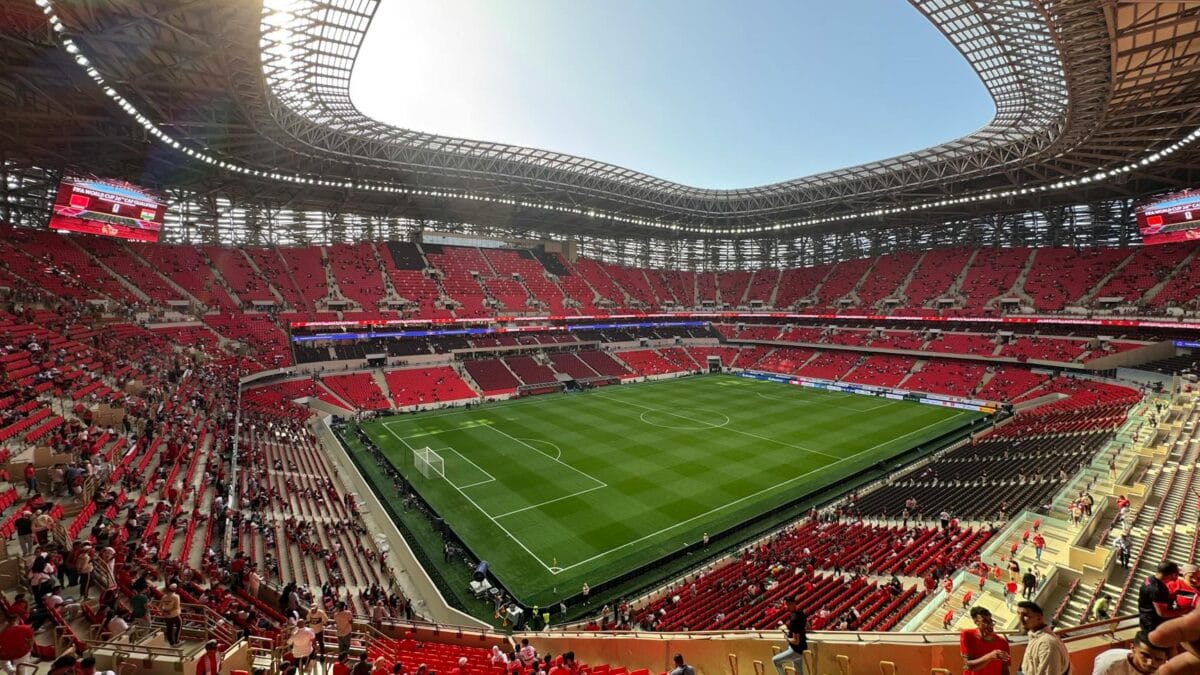
قف على الطريق الساحلي شمال الدار البيضاء في المنصورية في أوائل عام 2026 ويمكنك أن ترى أغلى ملعب لكرة القدم على الإطلاق وهو يأخذ شكله: موقع بناء على مساحة مئة هكتار، ثلاث رافعات برجية من مشروع مشترك صيني-مغربي ترفع الفولاذ إلى موضعه، الحلقة السفلية من المقاعد قد صُبّت بالفعل لما سيكون ملعباً بسعة 115 ألف مقعد عندما يُفتتح في أواخر 2027 أو أوائل 2028. هذا هو الملعب الكبير للدار البيضاء، الذي يحمل اسم ملعب الحسن الثاني، حجر الزاوية في برنامج البنية التحتية المغربي لكأس العالم 2030 الذي تتجاوز قيمته 35 مليار دولار. اقطع ساعتين ونصف جنوباً إلى مراكش وستتغير الصورة إلى توسعة ملعب مراكش الحالي البالغ سعته 45 ألفاً نحو 55 ألف مقعد، بالإضافة إلى خط ترام جديد، وموجة من التزامات فنادق ماريوت وأكور وIHG على طول الطريق إلى المدينة العتيقة. تابع شمالاً إلى طنجة وملعب ابن بطوطة يُرفع نحو تكوين 65 ألف مقعد لاستضافة مباريات دور المجموعات، بينما يُربط ممر ميناء طنجة المتوسط والسكك الحديدية بشكل أوثق بالدار البيضاء من خلال امتدادات السكك الحديدية عالية السرعة. هذه هي جغرافيا قصة استثمار المغرب 2030، وللمستثمرين الأجانب الذين يقيّمون التعرض لشمال إفريقيا اليوم، إنها أهم أطروحة استثمارية بقيادة البنية التحتية في القارة.
هذا الدليل ملخص عملي لمسؤول التطوير المؤسسي ومدير المكتب العائلي وخبير استراتيجية قطاع البناء ومدير الاستثمار الأجنبي المباشر الذي يحاول فهم ما إذا كانت المغرب 2030 تستحق تخصيص رأس مال حقيقي. يغطي قرار الاستضافة من فيفا وهيكل العرض المشترك بين البلدان الإيبيرية وشمال إفريقيا، والمدن الست المغربية المضيفة ومشاريع الملاعب الكبرى، وملعب الحسن الثاني تحديداً، والبرنامج الأوسع للنقل والضيافة، ومزيج التمويل ودور صناديق الثروة الخليجية، والمقارنة مع قطر 2022 والسعودية 2034، وزوايا الأسهم المُدْرَجة والاستثمار الخاص لرأس المال الأجنبي، والمخاطر التي تحتاج إلى التسعير قبل أي التزام. الهدف هو فصل العناوين عن الحجة الهيكلية.
قرار استضافة 2030: كيف حصلت المغرب على العرض
أكد فيفا هيكل استضافة كأس العالم 2030 رسمياً في ديسمبر 2024 بعد عملية متعددة السنوات. الهيكل الإجمالي هو استضافة ثلاثية: إسبانيا والبرتغال والمغرب، مع ثلاث مباريات مئوية مخصصة للأرجنتين وأوروغواي وباراغواي للاحتفال بالذكرى المئوية لكأس العالم الأولى التي أُقيمت في أوروغواي عام 1930. توفر إسبانيا أحد عشر ملعباً والبرتغال ثلاثة والمغرب ستة، مما يجعل البطولة الأكثر توزيعاً جغرافياً في تاريخ كأس العالم.

المنطق الاستراتيجي لفيفا جمع موضوعين. الأول كان التناوب القاري. كأس العالم 2026 تذهب إلى الولايات المتحدة والمكسيك وكندا؛ 2030 إلى مجموعة أوروبا-إفريقيا؛ و2034 إلى المملكة العربية السعودية. النمط يجلب البطولة إلى قارة مختلفة في كل دورة ويخدم احتياج فيفا التجاري والسياسي لنشر الحدث عالمياً. الموضوع الثاني كان المثابرة المغربية. كانت المغرب قد قدمت عروضاً لكأس العالم خمس مرات سابقة — 1994 و1998 و2006 و2010 و2026 — وخسرت في كل مرة، غالباً بهوامش ضيقة. عرض 2030، المرتكز ضمن الهيكل الإيبيري-الشمال إفريقي الأكبر، قدم أخيراً حقوق الاستضافة وأنهى حملة استمرت ثلاثين عاماً. الانضمام إلى عرض ثلاثي كان الابتكار الهيكلي الذي جعل السياسة تنجح.
سيرة “أسود الأطلس” الذين وصلوا إلى نصف نهائي قطر 2022 — أصبح المغرب أول دولة إفريقية وعربية تصل إلى نصف نهائي كأس العالم — وفّرت الزخم الشعبي والسياسي. تبلور حماس كرة القدم الوطنية حول الفريق، واكتسب الاتحاد المغربي لكرة القدم مصداقية، وتعزز التزام الحكومة بالبنية التحتية للعرض ماديًا. بحلول الوقت الذي أعلن فيه فيفا الجائزة الرسمية، كانت المغرب قد بدأت بالفعل العمل التحضيري لملعب الحسن الثاني ووقعت مذكرات تفاهم مع الاتحادين الإسباني والبرتغالي المضيفين بشأن نموذج التنسيق التشغيلي. وقد وثّقت رويترز للرياضة مسار العرض بالتفصيل عبر 2024.
المدن الست المغربية المضيفة وبرنامج الملاعب
المدن الست المغربية المضيفة المؤكدة هي الدار البيضاء والرباط ومراكش وطنجة وفاس وأكادير. يوازن الاختيار بين الملاعب الساحلية والداخلية، والعاصمة السياسية والعاصمة التجارية، ومغناطيسات السياحة الثقافية في مراكش وفاس، وبوابة الأطلسي في أكادير. تقدم كل مدينة مضيفة مشروع ملعب رئيسي إما كبناء جديد أو كتجديد رئيسي، بالإضافة إلى برامج التنقل الحضري وتوسيع طاقة الفنادق الأوسع.
الدار البيضاء: ملعب الحسن الثاني وملعب محمد الخامس
الدار البيضاء هي أكبر مدينة تجارية والعاصمة المالية والمضيف المحوري للبطولة. ستقدم ملعبين لعام 2030. يُبنى ملعب الدار البيضاء الكبير الجديد، الذي يحمل اسم ملعب الحسن الثاني، على موقع 100 هكتار في المنصورية، على بُعد حوالي ثلاثين كيلومتراً شمال وسط الدار البيضاء. السعة المخططة هي 115 ألف مقعد، مما يجعله أكبر ملعب مخصص لكرة القدم في العالم. ميزانية البناء حوالي خمسة مليارات دولار، مموَّلة من خلال مزيج من الاقتراض السيادي المغربي وأموال الشراكة الخليجية وهياكل الامتياز للقطاع الخاص. تشمل الكونسورتيوم المعمارية والهندسية الشركات المغربية أوالالو + شوي وشراكة فرنسية-مغربية تقدم الهندسة الإنشائية، مع المقاولين الصينيين الذين يوفرون قدرة كبيرة في مرحلة البناء. بدأ البناء في 2024 ومستهدف للتسليم في أواخر 2027 أو أوائل 2028، مما يوفر مهلة تشغيلية قبل البطولة.
يجري تحديث ملعب محمد الخامس الحالي في وسط الدار البيضاء، بسعة حوالي 67 ألف مقعد، للاستخدام في البطولة بدلاً من توسيعه بشكل كبير. يركز تجديد ملعب محمد الخامس على غرف الضيافة والبنية التحتية للبث الإعلامي وإمكانية الوصول وتجديد المقاعد، بتكلفة تقديرية تتراوح بين ثلاثمئة وأربعمئة مليون دولار. سيستضيف الملعب مباريات دور المجموعات وعلى الأرجح دور الستة عشر.
الرباط: ملعب جديد بسعة 70 ألفاً
الرباط، العاصمة السياسية، تقدم ملعباً جديداً بسعة حوالي 70 ألف مقعد كجزء من برنامج تجديد حضري أوسع مرتبط بكأس العالم. سيستضيف ملعب الرباط مباريات مرحلة ربع النهائي، وتشمل خطة التطوير الحضري المحيطة خط ترام جديد يربط الملعب بوسط الرباط، وقدرة موسعة للمؤتمرات والضيافة، وتجديدات الحي السياحي على طول المدينة العتيقة التاريخية ومجمع برج الحسن. يبلغ إجمالي برنامج استثمار الرباط حوالي ثلاثة مليارات دولار عبر الملعب والبنية التحتية المجاورة.
مراكش: توسعة الملعب والقدرة السياحية
مراكش، أكبر وجهة سياحية دولية في المغرب، توسع ملعب مراكش الحالي من حوالي 45 ألفاً إلى 55 ألف مقعد. التوسعة أكثر بساطة من برامج البناء الجديد في الدار البيضاء والرباط، مع التسليم المستهدف لعام 2027. الاستثمار الأوسع في مراكش هو في الضيافة والسياحة — تستهدف المدينة 30 إلى 40 ألف غرفة فندقية إضافية عبر البناء الجديد والتوسعات والتحويلات، مع التزامات ماريوت وأكور وIHG الكبرى التي ترتكز على العرض الجديد. أعلنت ماريوت وحدها عن أكثر من عشرة عقارات جديدة عبر المغرب خلال دورة 2025 إلى 2029، مع مواقع متعددة في مراكش.
طنجة: ترقية ملعب ابن بطوطة
تتم ترقية ملعب ابن بطوطة في طنجة نحو تكوين 65 ألف مقعد. يتكامل برنامج ترقية الملعب مع ممر ميناء طنجة المتوسط والسكك الحديدية عالية السرعة الأوسع الذي رسخ التطوير الصناعي لطنجة على مدى العقد الماضي. تستضيف طنجة مباريات دور المجموعات وتستفيد من تأثير العلامة التجارية للبطولة على مدينة أصبحت محوراً مهماً للتصنيع والخدمات اللوجستية. تدير رينو وستيلانتيس مصانع سيارات كبرى في المناطق الخلفية لطنجة؛ يجلب كأس العالم رؤية إضافية للعلامة التجارية واستثماراً في البنية التحتية يدعم التجمع الصناعي الأوسع.
فاس: تجديد الملعب التاريخي للمدينة
تجدد فاس ملعبها الحالي وتجمع استثمار الملعب مع برنامج سياحي كبير للمدينة التاريخية. فاس مدينة تراث عالمي لليونسكو وستجلب البطولة زواراً مهتمين تحديداً بالتراث الثقافي للمغرب. تشمل الاستثمارات تحويل المدينة العتيقة إلى منطقة مشاة، وتحويلات فنادق الرياض، وتجديدات الحي السياحي الأوسع. تستضيف فاس مباريات دور المجموعات.
أكادير: مرتكز البطولة على الساحل الأطلسي
تقوم أكادير، على الساحل الأطلسي في جنوب المغرب، بترقية ملعبها الحالي لمباريات دور المجموعات وربما دور الستة عشر. أكادير هي الوجهة الرئيسية للسياحة الشاطئية في البلاد وتسرع البطولة برنامج توسيع طاقة الفنادق الذي كان جارياً بالفعل قبل منح العرض. تستفيد المدينة أيضاً من استثمارات الموانئ والنقل الأوسع المرتبطة بدورها كبوابة جنوبية للوجستيات البطولة.
ملعب الحسن الثاني: أغلى ملعب لكرة القدم تم بناؤه على الإطلاق
يستحق الملعب الكبير للدار البيضاء معالجة خاصة لأن المشروع مهم هيكلياً ليس فقط للبطولة ولكن لاقتصاد كرة القدم والترفيه المغربي على المدى الطويل. سعة 115 ألف مقعد، إذا تم تسليمها كما هو مخطط، ستجعله أكبر ملعب لكرة القدم في العالم بالسعة، متجاوزاً كلاً من ملعب رنغرادو الأول من مايو في بيونغ يانغ (المُدْرَج رسمياً بسعة 114 ألفاً) وكامب نو في برشلونة (حوالي 99 ألفاً بعد التجديد الحالي). تم اختيار موقع المنصورية، شمال الدار البيضاء، على البدائل المركزية في الدار البيضاء لأن مساحة 100 هكتار المطلوبة للملعب بالإضافة إلى مواقف السيارات والضيافة والبنية التحتية للنقل المحيطة لم تكن متاحة ضمن البصمة الحضرية الحالية.
تقود الكونسورتيوم المعمارية والهندسية شركات مغربية بالشراكة مع مقاولين فرنسيين وصينيين. لعبت شركة أوالالو + شوي المغربية دوراً معمارياً بارزاً، ويتم تسليم الهندسة الإنشائية من خلال شراكة فرنسية-مغربية مع قدرة كبيرة في مرحلة البناء الصينية. تعكس ميزانية الخمسة مليارات دولار الطموح الهيكلي للمشروع: الملعب مصمم لسعة 115 ألفاً ولكن مع تكنولوجيا السقف القابل للسحب الكامل والتحكم في المناخ، والبنية التحتية الكاملة لمستوى البث، وأكثر من 7 آلاف مقعد للضيافة وكبار الشخصيات، ومرافق مخصصة للفرق ووسائل الإعلام بمعيار فيفا، وموقف السيارات والبنية التحتية للحركة المرورية لتدفق الأحداث الكبرى.
بدأ البناء في 2024 ويترك هدف التسليم في أواخر 2027 أو أوائل 2028 مهلة تشغيلية قبل كأس العالم. يستهدف الملعب استضافة نهائي كأس العالم بناءً على سعته وهيبته، رغم أن فيفا لم يؤكد رسمياً بعد إسناد النهائي بين المضيفين المغربي والإسباني والبرتغالي. حالة الاستخدام بعد البطولة هي السؤال الاقتصادي الأهم. سيصبح الملعب موطناً للفريق الوطني المغربي لكرة القدم — أسود الأطلس — ومن المتوقع أن يستضيف أحياناً مباريات الأندية المتوسطية والإفريقية، بالإضافة إلى الحفلات الموسيقية الكبرى وأحداث الترفيه. ما إذا كانت سعة 115 ألفاً مستدامة كبصمة تشغيلية منتظمة، أو ما إذا كانت الطبقات العلوية ستُضبط كمناطق سعة مرنة للاستخدام العادي، هو سؤال التصميم التشغيلي الذي ستتوقف عليه الاقتصاديات على المدى الطويل. تتبعت بلومبرغ ميزانية المشروع واختيار المقاولين عبر 2024 و2025.
استثمار النقل والسكك الحديدية والمطارات
يمثل استثمار الملاعب حوالي نصف إجمالي برنامج كأس العالم المغربي. النصف الآخر هو النقل والضيافة والبنية التحتية الحضرية. يرتكز عنصر النقل على توسعة السكك الحديدية عالية السرعة التي كانت أولوية وطنية مغربية على مدى العقد الماضي والتي تسرعها كأس العالم ماديًا.
خط السكك الحديدية عالية السرعة الحالي بين الدار البيضاء وطنجة، الذي افتُتح في 2018، هو أول خط سكة حديد عالية السرعة في إفريقيا ويعمل بسرعات تصل إلى 320 كيلومتراً في الساعة. يمد برنامج 2030 الخط جنوباً، مع مشاريع كبرى لربط الدار البيضاء-الرباط-طنجة بالنظام الأوسع، بالإضافة إلى توسعة عالية السرعة مخططة باتجاه مراكش. يجري ترقية مقطع الدار البيضاء-مراكش، الذي يخدمه حالياً السكك الحديدية التقليدية بسرعات أقل، ببناء خط جديد مستهدف للاكتمال قبل البطولة. يقدر إجمالي استثمار نظام السكك الحديدية المرتبط ببرنامج 2030 بستة إلى ثمانية مليارات دولار.
يتم توسيع طاقة المطارات ماديًا. مطار محمد الخامس في الدار البيضاء، الأكبر في البلاد، يخضع لتوسعة كبيرة في المحطة لمعالجة حركة المرور الإضافية للبطولة بالإضافة إلى هدف نمو السياحة الأوسع. تتوسع مطار مراكش-المنارة لنفس السبب. تتلقى مطارات المدن المضيفة الأخرى — الرباط-سلا، طنجة-ابن بطوطة، فاس-سايس، أكادير-المسيرة — ترقيات أصغر ولكن مهمة. يبلغ إجمالي استثمار المطارات حوالي ثلاثة إلى أربعة مليارات دولار عبر النظام.
يركز استثمار التنقل الحضري على خطوط الترام والنقل العام السريع بالحافلات ومشاريع تحويل المناطق إلى مناطق مشاة في المدن المضيفة. تقوم الدار البيضاء بتمديد شبكة الترام الحالية. تقدم الرباط خط ترام جديد يربط الملعب الجديد بوسط المدينة. تضيف مراكش طاقة الترام وتوسع النقل العام السريع بالحافلات. إجمالي برنامج التنقل الحضري حوالي اثنين إلى ثلاثة مليارات دولار.
الضيافة: 100 ألف غرفة جديدة بحلول 2030
عرض الفنادق الحالي في المغرب، البالغ حوالي 270 ألف غرفة في 2024، غير كافٍ للتعامل مع طلب ذروة كأس العالم إلى جانب السياحة العادية. وضعت الحكومة هدفاً لطاقة الفنادق يتجاوز 100 ألف غرفة إضافية بحلول 2030، يتم تسليمه من خلال مزيج من البناء الجديد والتحويلات وتوسعات العلامات التجارية الكبرى. تستوعب مراكش أكبر حصة من العرض الجديد، تليها الدار البيضاء، ثم المدن المضيفة الثانوية.
التزمت مجموعات الفنادق الدولية الكبرى بشكل كبير. أعلنت ماريوت عن أكثر من عشرة عقارات جديدة عبر المغرب خلال دورة 2025 إلى 2029، مرتكزة على مواقع في مراكش والدار البيضاء. تقوم أكور، مجموعة الفنادق الفرنسية، بتوسيع بصمتها الحالية مع البناء الجديد وتحويلات التجديد. التزمت IHG بعدة عقارات جديدة تحت علاماتها التجارية المختلفة. لدى هيلتون وحياة وفور سيزونز جميعاً خطوط مشاريع مرتبطة بهدف عرض 2030. يتسارع نموذج تحويل فنادق الرياض — تحويل المنازل المغربية التقليدية ذات الفناء إلى عقارات ضيافة بوتيك — أيضاً، خاصة في الأحياء التاريخية لفاس ومراكش.
استثمار الضيافة في معظمه من القطاع الخاص، غالباً بالشراكة مع المطورين العقاريين المغاربة والصناديق المرتبطة بالخليج السيادية. أعرب صندوق الاستثمارات العامة السعودي عن اهتمامه بأصول السياحة والضيافة المغربية، بناءً على الحوار الاستراتيجي الأوسع بين الرياض والرباط. زادت كيانات المطورين الإماراتيين، خاصة المرتبطة بـ ADQ ودامك، تعرضها المغربي منذ منح الاستضافة في 2024. يمكن للمستثمرين المهتمين بأطروحة استثمار صندوق الاستثمارات العامة السعودي الأوسع العثور على السياق في دليلنا حيازات محفظة صندوق الاستثمارات العامة السعودي 2026، الذي يغطي الاستراتيجية الهيكلية لصندوق الثروة السيادي.
التمويل: السيادي والخليجي والقطاع الخاص ومتعدد الأطراف
يُموَّل البرنامج البالغ 35 مليار دولار من خلال هيكل متعدد الطبقات. يغطي الاقتراض السيادي المغربي، بما في ذلك إصدارات اليوروبوند التقليدية والإقراض الميسر من البنك الدولي وبنك التنمية الإفريقي، حوالي 40 إلى 50 في المائة من إجمالي تكلفة البرنامج. كانت الحكومة المغربية مُصدراً منتظماً لليوروبوند وحافظت على تصنيفات درجة الاستثمار طوال فترة 2024 إلى 2026، مما يدعم تكاليف الاقتراض المعقولة.
توفر صناديق الشراكة الخليجية — خاصة المملكة العربية السعودية والإمارات — أسهماً مباشرة كبيرة وتمويلاً ميسراً في مشاريع الملاعب والفنادق والسياحة. تسارع الحوار الاستراتيجي السعودي-المغربي منذ 2024، مع اهتمام صندوق الاستثمارات العامة السعودي بأصول السياحة والضيافة المغربية تحديداً. زادت كيانات المطورين الإماراتيين والمرتبطة بـ ADQ تعرضها المغربي عبر الضيافة والعقارات. يقدر إجمالي الالتزامات المرتبطة بدول مجلس التعاون الخليجي بخمسة إلى ثمانية مليارات دولار خلال فترة 2024 إلى 2030.
توفر هياكل امتيازات القطاع الخاص — خاصة لضيافة الملاعب ومشاريع النقل والتنقل وأصول الضيافة الكبرى — 20 إلى 30 في المائة أخرى من إجمالي تمويل البرنامج. تأخذ شركات البناء الأوروبية الكبرى بما في ذلك فينسي وإيفاج وأكسيونا أسهماً مباشرة في المشاريع بالإضافة إلى عقود الإنشاءات. تشارك CMA CGM، الشركة الفرنسية الكبرى للشحن ذات الجذور المغربية العميقة، أيضاً في الاستثمار في الموانئ والخدمات اللوجستية المجاورة.
يوفر المقرضون متعددو الأطراف — البنك الدولي وبنك التنمية الإفريقي وبنك الاستثمار الأوروبي — تمويلاً ميسراً لمشاريع النقل والبنية التحتية الحضرية، خاصة توسعة السكك الحديدية. توفر صفحة دولة المغرب لصندوق النقد الدولي ومراجعات المادة الرابعة سياقاً كلياً مفيداً للصورة الأوسع لاستدامة الديون؛ تتبع صفحة دولة المغرب لصندوق النقد الدولي التصنيف السيادي والإطار الكلي. للمستثمرين الذين يقارنون ملف تمويل المغرب بمقترضين سياديين إقليميين آخرين، يوفر دليلنا برنامج صندوق النقد الدولي مع مصر بقيمة 8 مليارات دولار مقارنة مفيدة لكيفية تمويل برامج البنية التحتية المدعومة سيادياً في شمال إفريقيا.
المقارنة مع الدول المضيفة الأخرى
المغرب 2030 تقع في سياق مقارن مهم مقابل المضيفين الأخيرين والقادمين لكأس العالم. الدروس الهيكلية من كل مقارنة مهمة لتحديد حجم أطروحة الاستثمار المغربية.
المغرب 2030 مقابل قطر 2022
كان إجمالي الإنفاق على البنية التحتية لقطر المرتبط بكأس العالم 2022 المُبلَّغ عنه حوالي 220 مليار دولار، رغم أن الرقم يشمل بنية تحتية وطنية أوسع بنمط رؤية 2030 كانت ستُسلَّم مع البطولة أو بدونها. كان الإنفاق المخصص للبطولة بشكل صارم أقرب إلى 20 مليار دولار عبر الملاعب والنقل والضيافة. بنت قطر أو جددت بشكل كبير ثمانية ملاعب، وقدمت نظام مترو جديداً، ووسعت مطار حمد الدولي، وأضافت طاقة فنادق ذات معنى. كانت البطولة نجاحاً هيكلياً تشغيلياً؛ كانت الحالة الاقتصادية بعد البطولة للملاعب مختلطة، مع تحويل عدة ملاعب لاستخدامات أخرى.
الإنفاق المخصص للبطولة بشكل صارم في المغرب البالغ 35 مليار دولار أكبر ماديًا من رقم قطر المخصص للبطولة، مما يعكس عدد سكان المغرب الأكبر (37 مليوناً مقابل 3 ملايين)، والنطاق الجغرافي الأوسع (ست مدن مضيفة مقابل منطقة حضرية واحدة)، والاعتماد الأكبر على البطولة لتحفيز نمو السياحة الهيكلي والاستثمار الأجنبي المباشر. الرقم الإجمالي المغربي مرتبط بالبطولة بشكل أكثر صدقاً من الرقم الإجمالي القطري.
المغرب 2030 مقابل روسيا 2018
جاءت روسيا 2018 بحوالي 14 مليار دولار عبر إحدى عشرة مدينة مضيفة. قدم البرنامج الروسي ملاعب جديدة ومجددة بالإضافة إلى ترقيات نقل مستهدفة لكنه لم يحفز نفس مستوى نمو السياحة الأوسع والاستثمار الأجنبي المباشر الذي تستهدفه المغرب. كان استخدام الملاعب الروسية بعد البطولة مختلطاً، مع عدة ملاعب غير مستخدمة بشكل كافٍ في السنوات اللاحقة. الدرس التحذيري للمغرب هو أن اقتصاديات الملاعب بعد البطولة تتطلب تخطيطاً تشغيلياً متعمداً — التذاكر، وحقوق التسمية، والاستخدام متعدد الأغراض، وبرمجة الأحداث — لا يمكن تركها تتطور عضوياً.
المغرب 2030 مقابل المملكة العربية السعودية 2034
من المتوقع أن تتجاوز المملكة العربية السعودية 2034، البطولة التالية بعد 2030، 200 مليار دولار في إجمالي الإنفاق على البنية التحتية المرتبط بالبطولة. يتكامل البرنامج السعودي مع تسليم المشاريع الكبرى الأوسع لرؤية 2030 ويشمل بناء ملاعب جديدة في نيوم ومدينة الترفيه القدية بالقرب من الرياض، وعدة ملاعب جديدة وموسعة عبر الرياض وجدة والمدن السعودية الأخرى، واستثماراً كبيراً في النقل والضيافة. يتجاوز البرنامج السعودي حجم المغرب لكن اقتصاديات نصيب الفرد ونصيب المتفرج للبطولة قابلة للمقارنة بشكل عام. البرنامجان مترابطان استراتيجياً أيضاً: تدفقات التمويل الخليجي إلى المغرب ممكّنة جزئياً بقدرة المشاريع الكبرى الإقليمية الأوسع، والتنسيق السعودي-المغربي حول الخدمات اللوجستية والبث والسياحة حقيقي. تتبعت فاينانشال تايمز أطروحة المشاريع الكبرى الإقليمية الأوسع عبر 2024 و2025.
فرص الاستثمار الأجنبي
للمستثمرين الأجانب الذين يقيّمون التعرض المباشر لبرنامج المغرب 2030، تنقسم مجموعة الفرص إلى خمس فئات نظيفة.
البناء والهندسة
شركات البناء الأوروبية الكبرى — فينسي وإيفاج وأكسيونا وبويغ — مدمجة بعمق في برامج الملاعب والنقل والضيافة المغربية من خلال كل من عقود الهندسة والمشتريات والإنشاء وأسهم المشاريع المباشرة. شركات البناء الإسبانية الكبرى أيضاً مشاركون مهمون نظراً لترتيب الاستضافة المشتركة. يلعب المقاولون الصينيون دوراً مهماً في مشروع ملعب الحسن الثاني تحديداً وفي البنية التحتية الأوسع للنقل. للمستثمرين الأجانب، التعرض الأكثر سهولة للرياح المؤيدة لقطاع البناء هو من خلال أسهم البناء الأوروبية المُدْرَجة بدلاً من المشاركة المباشرة في المشاريع. فينسي وإيفاج وأكسيونا جميعها مُدْرَجة في البورصات الأوروبية وتوفر تعرضاً متنوعاً للبناء حيث يمثل المغرب 2030 حصة مادية وإن لم تكن مهيمنة من خط أنابيب المشاريع.
الضيافة
مجموعات الفنادق الدولية الكبرى — ماريوت وأكور وIHG وهيلتون وحياة — جميعها توسع البصمة المغربية ماديًا. للمستثمرين الأجانب، التعرض الأكثر سهولة هو من خلال شركات الأم المُدْرَجة، التي تُتداول في البورصات الأمريكية والأوروبية والآسيوية. أشارت ماريوت بشكل خاص إلى نمو مغربي ذي معنى في اتصالات المستثمرين. يقدم استثمار العقارات المباشر في الضيافة — من خلال شراكات مع المطورين المغاربة، أو وسائل تحويل الرياض، أو مشاريع الإقامات ذات العلامات التجارية — إمكانية عوائد أعلى مقابل مخاطر أعلى وتعقيد تشغيلي.
العقارات
أسواق العقارات في الدار البيضاء ومراكش وطنجة تشهد ارتفاعاً ملحوظاً في الأسعار منذ منح الاستضافة في 2024. تُظهر العقارات التجارية والسكنية الفاخرة في الدار البيضاء، والعقارات السياحية في مراكش، وممرات الصناعة والسكن في طنجة جميعاً اتجاهاً صعودياً هيكلياً. الوصول للمستثمرين الأجانب من خلال شراكات مع المطورين المغاربة — الضحى، أليانس، يميد من بين كبار المطورين المغاربة المُدْرَجين — أو من خلال أدوات استثمار مباشرة. تقدم بورصة الدار البيضاء تعرضاً عقارياً مُدْرَجاً من خلال عدة شركات عقارية وتجمع التطوير العقاري الأوسع.
الاتصالات والبنية التحتية الرقمية
تتطلب كأس العالم استثماراً كبيراً في الاتصالات والبنية التحتية الرقمية لأغراض البث وتجربة المشجعين وعمليات الملاعب. المغرب للاتصالات (IAM) وإنوي وأورانج المغرب هم المشغلون المهيمنون وجميعهم يزيدون النفقات الرأسمالية المرتبطة ببرنامج 2030. المغرب للاتصالات مُدْرَج في بورصة الدار البيضاء ويوفر وصولاً مباشراً للمستثمرين. الاتصال بالملاعب وانتشار الألياف وتوسع الجيل الخامس جميعها تستفيد من التأثير المحفز للبطولة.
الطاقة المتجددة والطاقة
يتم تلبية طلب طاقة الملاعب والمدن المضيفة جزئياً من خلال طاقة متجددة جديدة. يستفيد مجمع نور الشمسي في المغرب ومزرعة الرياح في طرفاية والبنية التحتية للطاقة المتجددة الأوسع جميعها بشكل غير مباشر من محفز الطلب للبطولة. لدى أكوا باور ومطورين إقليميين آخرين للطاقة المتجددة خطوط مشاريع في المغرب. للمستثمرين ذوي تفويضات الطاقة المتجددة، توفر موارد المغرب الهيكلية للطاقة الشمسية والرياح عوائد طويلة الأجل جذابة مدعومة بمحفزات الطلب المرتبطة بالبطولة.
زوايا الأسهم المُدْرَجة في بورصة الدار البيضاء
يتمتع المستثمرون الأجانب الذين يفضلون التعرض للسوق المُدْرَجة على أسهم المشاريع المباشرة بوصول مهم من خلال بورصة الدار البيضاء. تقدم البورصة عالماً مركزاً من حوالي 75 شركة مُدْرَجة عبر قطاعات البنوك والاتصالات والعقارات والسلع الاستهلاكية والقطاعات الصناعية. تعتبر أطروحة المغرب 2030 ذات صلة خاصة بعدة أسماء.
المغرب للاتصالات (IAM) هو مشغل الاتصالات المهيمن، المُدْرَج في بورصتي الدار البيضاء وباريس، مع تعرض عميق للبنية التحتية الرقمية لبرنامج البطولة. الشركة مملوكة جزئياً من اتصالات (الإمارات)، مما يعطيها دعماً استراتيجياً خليجياً. التجاري وفا بنك هو أكبر بنك مغربي، مهيمن في الخدمات المصرفية للأفراد ومموّل رئيسي لمشاريع البنية التحتية للبطولة. البنك الشعبي المركزي (BCP) هو ثاني أكبر مجموعة مصرفية مع تعرض مماثل لتمويل البطولة. كوسومار هو منتج السكر المهيمن مع خصائص السلع الاستهلاكية الأساسية التي تستفيد من نمو السياحة الأوسع. الضحى وأليانس وإقامات دار سعادة توفر تعرضاً للتطوير العقاري. مرسى المغرب يقدم تعرضاً للموانئ والخدمات اللوجستية بما في ذلك ميناء طنجة المتوسط.
أسماء البناء الإسبانية والبرتغالية المُدْرَجة — خاصة أكسيونا وACS وFCC في إسبانيا، بالإضافة إلى موتا-إنجيل في البرتغال — توفر أيضاً تعرضاً غير مباشر للمغرب 2030 نظراً لهيكل الاستضافة المشترك والمشاركة العابرة للحدود للمقاولين الإيبيريين في المشاريع المغربية.
المخاطر: ما يجب تسعيره
أطروحة المغرب 2030 حقيقية لكنها ليست خالية من المخاطر. تستحق خمس فئات من المخاطر التسعير الصريح.
مخاطر الجدول الزمني. برامج البنية التحتية للأحداث الكبرى عالمياً لها سجل تسليم في الوقت المحدد ضعيف. هدف ملعب الحسن الثاني لأواخر 2027 أو أوائل 2028 يترك هامشاً محدوداً قبل البطولة. ترقيات الملاعب في مراكش وطنجة وأماكن أخرى أكثر ضيقاً. يجب على المستثمرين والمقاولين تسعير هامش تأخير من 18 إلى 24 شهراً في اقتصاديات المشروع. أشارت الحكومة المغربية إلى الجدول الزمني كقيد ملزم وتستخدم هياكل المشتريات السريعة، لكن المخاطر الهيكلية تظل قائمة.
مخاطر تجاوز التكلفة. تجاوزات التكلفة في البنية التحتية للبطولة من 30 إلى 60 في المائة شائعة عالمياً. شهدت البرازيل 2014 تجاوزات كبيرة. كان لدى جنوب إفريقيا 2010 تجاوزات مادية. كانت روسيا 2018 منضبطة نسبياً لكنها لا تزال تجاوزت بنسبة 15 إلى 20 في المائة. كانت قطر 2022 باهظة الثمن للغاية لكنها مُدارة تشغيلياً بشكل جيد. يفترض رقم 35 مليار دولار للمغرب الإجمالي مشتريات منضبطة وتضخماً معقولاً. تجاوز بنسبة 50 في المائة سيضغط على نسبة الديون إلى الناتج المحلي الإجمالي ماديًا وقد يتطلب تمويلاً إضافياً للشراكة الخليجية أو إقراضاً ميسراً متعدد الأطراف.
مخاطر الاستقرار السياسي والخلافة الملكية. الملك محمد السادس على العرش منذ 1999 وفي أوائل الستينيات من عمره. الملكية المغربية مركزية دستورياً للنظام السياسي ودور الملك في تأييد المشاريع الكبرى هيكلي. أسئلة الخلافة الملكية موضوع متكرر في التحليل السياسي المغربي. من غير المرجح أن تعطل المخاطر الذيل 2030 مباشرةً ولكنها اعتبار طويل المدى يجب على رأس المال ذي آفاق الاستثمار متعددة العقود تسعيره.
المخاطر الجيوسياسية والإقليمية. تظل التوترات بين المغرب والجزائر قيداً متكرراً، خاصة في المناطق الحدودية والصحراء الغربية. من غير المرجح أن تتأثر بطولة 2030 مباشرةً بالتوترات بين المغرب والجزائر، لكن تدفقات السياحة من الجزائر ضئيلة ويظل التكامل المغاربي الأوسع متوقفاً. لم يؤثر صراع إسرائيل-حماس مباشرةً على المغرب لكن البيئة الأمنية الإقليمية الأوسع مهمة لتدفقات السياحة من أوروبا والخليج.
مخاطر التنسيق الإسباني-البرتغالي-المغربي. هيكل الاستضافة الثلاثي يضيف تعقيداً تشغيلياً. تعديلات برنامج فيفا، وتنسيق حقوق البث، ونزاعات تخصيص الملاعب جميعها احتمالات حقيقية نظراً لهيكل الدول الثلاث بالإضافة إلى المباريات المئوية في أمريكا الجنوبية. ستوفر بطولة 2026 الأمريكية-المكسيكية-الكندية حالة اختبار تشغيلية مفيدة لتنسيق المضيفين الثلاثة. من المرجح أن تُعلم دروس 2026 التخطيط التشغيلي لـ 2030.
الاستدامة والاقتصاديات بعد البطولة
السؤال الأصعب على المدى الطويل هو ماذا تفعل المغرب بالبنية التحتية لـ 2030 بعد انتهاء البطولة. اقتصاديات الملاعب بعد الأحداث الكبرى لها سجل ضعيف عالمياً — العديد من الدول المضيفة لديها ملاعب تعمل بسعة جزئية أو تجلس غير مستخدمة بشكل كبير في السنوات اللاحقة.
ملعب الحسن الثاني بسعة 115 ألفاً هو السؤال الأكثر تطلباً اقتصادياً. يلعب الفريق الوطني المغربي لكرة القدم حوالي عشر مباريات في الديار سنوياً ولن يملأ 115 ألف مقعد خارج مباريات كأس العالم أو كأس الأمم الإفريقية المميزة. من المرجح أن يشمل التصميم التشغيلي مناطق سعة مرنة — طبقات علوية قابلة للضبط للاستخدام في المباريات العادية بسعة مخفضة، تفعيل السعة الكاملة للأحداث الكبرى. الاستخدام متعدد الأغراض بما في ذلك الحفلات الموسيقية وأحداث الترفيه جزء من الأطروحة التشغيلية.
برنامج استثمار الضيافة والعقارات لديه ملف بعد البطولة أكثر ملاءمة لأن هدف نمو السياحة الأساسي — من 14 مليون زائر في 2024 إلى 26 مليوناً بحلول 2030 — هيكلي وليس معتمداً على البطولة. إذا حقق المغرب هدف نمو السياحة، فإن استثمار الفنادق والعقارات يستوعب هيكلياً بالطلب المستمر. إذا خاب نمو السياحة، يصبح فائض عرض الفنادق مخاطرة ذات معنى في فترة ما بعد 2030.
البنية التحتية للنقل — خاصة توسعة السكك الحديدية عالية السرعة — لديها حالة بعد البطولة مواتية هيكلياً. يخدم نظام السكك الحديدية الاقتصاد المغربي الأوسع بغض النظر عن حالة البطولة، وتدعم القدرة الإضافية السياحة وسفر الأعمال وحركة البضائع على أساس مستمر.
تتبعت قناة الجزيرة الاقتصاد مسار السياحة والاستثمار الأجنبي المباشر المغربي عبر 2024 و2025 بتفصيل كبير.
عدسة مقارنة: استثمار المشاريع الكبرى عبر منطقة الشرق الأوسط وشمال إفريقيا
المغرب 2030 هي واحدة من ثلاث قصص رئيسية لاستثمار المشاريع الكبرى في منطقة الشرق الأوسط وشمال إفريقيا تعمل في وقت واحد. الاثنتان الأخريان — نيوم السعودي ورؤية 2030، والبرنامج الأوسع للبنية التحتية في مصر المرتبط بمنطقة قناة السويس الاقتصادية والعاصمة الإدارية الجديدة — يتشاركان في أوجه تشابه هيكلية واختلافات ذات معنى.
نيوم، المشروع السعودي الكبير في منطقة تبوك، يستهدف اكتمال مراحل رئيسية حتى 2030 وما بعد، بتكلفة برنامج إجمالية أُبلغ عنها بـ 500 مليار دولار أو أكثر عبر مختلف المشاريع الكبرى لرؤية 2030. نيوم أكثر طموحاً من المغرب 2030 في الحجم لكنه أكثر عدم يقين في التسليم، مع تنقيحات متعددة للتصميم والجدول الزمني عبر 2024 و2025. كأس العالم السعودي 2034، التي تتبع المغرب 2030، تتكامل مع نيوم وبرنامج رؤية 2030 الأوسع. يمكن للمستثمرين المهتمين بهيكل ضريبة الشركات والاستثمار الأجنبي المباشر الإماراتي الأوسع الذي يدعم تدفقات رأس المال الخليجية العابرة للحدود العثور على التفاصيل في دليلنا ضريبة الشركات الإماراتية للشركات الأجنبية 2026.
المنطقة الاقتصادية لقناة السويس (SCZONE) في مصر هي أكبر برنامج استثمار صناعي في شمال إفريقيا وتخدم مزيج قطاعات مختلف — التصنيع بدلاً من السياحة — لكن مزيج التمويل وهيكل الشراكة الخليجية قابل للمقارنة مع المغرب. يمكن للمستثمرين الذين يقيّمون التخصيص لشمال إفريقيا عبر كلا البلدين العثور على تفاصيل SCZONE في دليلنا دليل المستثمر للمنطقة الاقتصادية لقناة السويس 2026. تفضل المقارنة الهيكلية المغرب للتعرض للسياحة والخدمات ومصر للتعرض للتصنيع، مع مخاطر التمويل والتنفيذ القابلة للمقارنة بشكل عام.
أطروحة الاستثمار الهيكلية
تستند حالة استثمار المغرب 2030 إلى خمس قوى مستقلة إلى حد كبير عن الأداء التشغيلي لأسبوع البطولة.
أولاً، نمو السياحة الهيكلي. هدف المغرب البالغ 26 مليون زائر بحلول 2030، ارتفاعاً من 14 مليوناً في 2024، مدعوم بتوسيع طاقة الفنادق وترقيات المطارات وفائدة العلامة التجارية للاستضافة. حتى الإنجاز الجزئي للهدف — لنقل 22 مليوناً بحلول 2030 — يدعم حالة استثمار قوية للفنادق والعقارات.
ثانياً، محفز الاستثمار الأجنبي المباشر. تسرع البطولة الاستثمار الأجنبي المباشر بما يتجاوز مرحلة البناء. صناديق الثروة الخليجية وشركات البناء الأوروبية والآسيوية الكبرى ومجموعات الفنادق العالمية جميعها تزيد التعرض المغربي. السؤال بعد 2030 هو ما إذا كان تدفق الاستثمار الأجنبي المباشر يستمر؛ تشير الحالة الهيكلية للمغرب كبوابة شمال إفريقيا إلى أنه سيفعل.
ثالثاً، تحديث البنية التحتية. امتداد السكك الحديدية عالية السرعة وتوسعة المطارات وبرامج التنقل الحضري جميعها تخدم الاقتصاد المغربي الأوسع على أساس مستمر. تستمر فائدة البنية التحتية بشكل جيد بعد 2030.
رابعاً، فائدة التسويق للعلامة التجارية. توفر استضافة الأحداث الكبرى فائدة تسويقية مستدامة للعلامة التجارية يصعب تحديدها بدقة لكنها حقيقية في الحجم. أظهرت جنوب إفريقيا 2010 والبرازيل 2014 وروسيا 2018 وقطر 2022 جميعها ارتفاعاً قابلاً للقياس في حقوق العلامة التجارية بعد البطولة. يستفيد تموضع السياحة والاستثمار في المغرب وفقاً لذلك.
خامساً، تأثيرات الجالية والتحويلات. الجالية المغربية، خاصة في فرنسا وإسبانيا وبلجيكا وهولندا، كبيرة. تحفز البطولة مشاركة الجالية وإنفاق زيارة العودة والاستثمار المباشر من رأس مال الجالية. تجري تدفقات التحويلات إلى المغرب بحوالي 11 مليار دولار سنوياً ومن المتوقع أن ترفع البطولة المسار.
تغطي أرابيان بيزنس تطورات البناء والعقارات الإقليمية المرتبطة ببرنامج المغرب 2030 بتفصيل منتظم.
الاستنتاجات العملية: خمس نقاط رئيسية لمستثمري 2026
أولاً، خذ المغرب 2030 على محمل الجد كأطروحة استثمارية. برنامج 35 مليار دولار حقيقي، ومزيج التمويل موثوق، ومحفز السياحة والاستثمار الأجنبي المباشر هيكلي. المغرب 2030 ليست مجرد حدث رياضي؛ إنها المبدأ التنظيمي المركزي للسياسة الاقتصادية المغربية حتى 2030.
ثانياً، اختر أداة الوصول بعناية. توفر التعرض للأسهم المُدْرَجة من خلال أسماء البناء الأوروبية ومجموعات الفنادق العالمية وأسماء بورصة الدار البيضاء وصولاً متنوعاً قابلاً للوصول. توفر المشاركة المباشرة في المشاريع من خلال أسهم العقارات والضيافة والبنية التحتية عوائد أعلى مع تعقيد تشغيلي أعلى. توفر الديون السيادية وشبه السيادية تعرضاً منخفض العائد ومنخفض المخاطر للبرنامج الأوسع.
ثالثاً، نمذج مخاطر الجدول الزمني وتجاوز التكلفة بشكل صريح. يجب أن يكون هامش تسليم من 18 إلى 24 شهراً وحالة حساسية تجاوز التكلفة بنسبة 30 إلى 50 في المائة معياراً في أي نموذج اقتصاديات مشروع. الحالة الأساسية هي التسليم في الميزانية وفي الوقت المحدد؛ الحالة الواقعية تشمل انزلاقاً ذا معنى.
رابعاً، خطط لفترة ما بعد البطولة. اقتصاديات الملاعب ومخاطر فائض عرض الضيافة واستخدام البنية التحتية جميعها تتطلب تخطيطاً متعمداً ما بعد 2030. يجب على المستثمرين وزن التدفقات النقدية بعد البطولة في نماذج الاكتتاب الخاصة بهم بدلاً من الاعتماد على محفز أسبوع البطولة.
خامساً، تعامل مع المغرب 2030 كجزء من محفظة المشاريع الكبرى الإقليمية لمنطقة الشرق الأوسط وشمال إفريقيا. رأس المال المخصص عبر المغرب 2030 والسعودية 2034 ونيوم والبنية التحتية المصرية يوفر تعرضاً متنوعاً للمشاريع الكبرى لمنطقة الشرق الأوسط وشمال إفريقيا أكثر قوة من التركز في أي برنامج واحد. الارتباطات الهيكلية بين البرامج — تدفقات التمويل الخليجية والمشاركة الأوروبية في البناء وتوسع مجموعات الفنادق العالمية — تجادل من أجل التفكير بالمحفظة بدلاً من التركز.
الخلاصة
المغرب 2030 هي أهم أطروحة استثمارية بقيادة البنية التحتية في شمال إفريقيا اليوم. الجمع بين حقوق استضافة فيفا و35 مليار دولار من استثمار البرنامج وملعب الحسن الثاني كأكبر ملعب لكرة القدم في العالم وست مدن مضيفة بأدوار سياحية وصناعية متنوعة وتمويل الشراكة الخليجية والأوروبية وهدف نمو السياحة الهيكلي حتى 2030 يجعل حالة الاستثمار صعبة التجاهل. المخاطر — الجدول الزمني وتجاوز التكلفة ومخاطر ذيل الخلافة الملكية والديناميكيات السياسية الإقليمية وتنسيق المضيفين الثلاثة — حقيقية لكنها قابلة للتسعير. الفرص — الأسهم المُدْرَجة والاستثمار المباشر في الضيافة والعقارات وديون البنية التحتية وتعرض بورصة الدار البيضاء — متاحة لمجموعة واسعة من ملفات المستثمرين الأجانب.
ستشهد السنوات الخمس القادمة اكتمال ملعب الحسن الثاني وتمديد السكك الحديدية عالية السرعة وتوسيع طاقة الفنادق بـ 100 ألف غرفة وتحويل الدار البيضاء ومراكش وطنجة والرباط وفاس وأكادير إلى نظام مدن مضيفة منسق. بحلول الوقت الذي تنطلق فيه البطولة في 2030، ستكون المغرب اقتصاداً مختلفاً هيكلياً — قاعدة سياحية أكبر وبنية تحتية محدثة ورؤية دولية موسعة وتكامل أعمق مع تدفقات رأس المال الأوروبية والخليجية. المستثمرون الذين يقومون بواجباتهم الآن — اختيار أدوات الوصول بعناية والهيكلة لمخاطر الجدول الزمني والتكلفة والتخطيط لاقتصاديات ما بعد البطولة — سيكونون هم من يتموضعون للمشاركة في ذلك التراكم من الداخل بدلاً من مطاردته بعد الحقيقة.