عيد الفصح الشرقي 2026: السبت 12 أبريل
يثحتفل الملايين من المسيحيين الأرثوذكس حول العالم وفي أنحاء الشرق الأوسط بعيد الفصح المجيد — عيد القيامة — يوم السبت 12 أبريل 2026. هذا العيد هو أهم وأقدس أعياد الكنائس الأرثوذكسية الشرقية والشرقية، وهو يُحيي ذكرى قيامة السيد المسيح من بين الأموات وفق الإيمان المسيحي.
في هذا العام، يأتي عيد الفصح الشرقي بعد أسبوع واحد من عيد الفصح الغربي الذي احتفل به الكاثوليك والبروتستانت يوم الأحد 5 أبريل. هذا الفارق — الذي يحيّر كثيرين — له أسباب تقويمية ولاهوتية عميقة سنشرحها بالتفصيل.
يأتي عيد الفصح هذا العام في ظروف استثنائية: وقف إطلاق النار الأخير بين إيران والتحالف الأمريكي-الإسرائيلي يمنح مسيحيي الشرق الأوسط أملاً بعيد أكثر سلاماً، رغم أن جراح الحرب لا تزال طرية والأوضاع في فلسطين ولبنان وسوريا والعراق لا تزال صعبة.
هذا الدليل الشامل يغطي كل ما تحتاج معرفته: لماذا يختلف التاريخ، تقاليد الاحتفال في كل بلد من بلدان الشرق الأوسط، الأطعمة التقليدية، مواعيد القداسات والخدمات الكنسية، وأجمل تهاني عيد الفصح بالعربية.
لماذا يختلف موعد عيد الفصح الشرقي عن الغربي؟
المشكلة: تقويمان مختلفان
القصة تبدأ عام 325 ميلادي، في مجمع نيقية الأول — أول مجمع مسكوني في تاريخ المسيحية. قرر المجمع أن عيد الفصح يُحتفل به في أول أحد بعد أول بدر بعد الاعتدال الربيعي (21 مارس). المشكلة أن “21 مارس” هذا محسوب وفق التقويم اليولياني الذي كان سائداً وقتها.
في عام 1582، أصدر البابا غريغوريوس الثالث عشر تقويماً جديداً — التقويم الغريغوري — لتصحيح خطأ تراكمي في التقويم اليولياني. الخطأ كان 10 أيام وقتها (أصبح 13 يوماً الآن). الكنائس الكاثوليكية والبروتستانتية تبنت التقويم الجديد. الكنائس الأرثوذكسية — باستثناء عدد قليل — رفضته لأسباب لاهوتية وتقليدية واستمرت في استخدام اليولياني لحساب عيد الفصح.
القاعدة الأرثوذكسية الإضافية
هناك فرق إضافي مهم: الكنائس الأرثوذكسية تلتزم بقاعدة أن عيد الفصح المسيحي يجب أن يأتي دائماً بعد عيد الفصح اليهودي (بيساح/פסח). هذا احتراماً للتسلسل الإنجيلي — حيث حدث الصلب والقيامة بعد عشاء الفصح اليهودي. الكنائس الغربية لا تلتزم بهذا الشرط دائماً.
في 2026، عيد الفصح اليهودي يبدأ مساء 1 أبريل وينتهي مساء 9 أبريل. عيد الفصح الغربي (5 أبريل) يقع خلال فترة بيساح وهو مقبول. عيد الفصح الشرقي (12 أبريل) يأتي بعد انتهاء بيساح — وهو ما تشترطه القاعدة الأرثوذكسية.
جدول مقارنة تواريخ عيد الفصح
| السنة | عيد الفصح الغربي | عيد الفصح الشرقي | الفارق |
|---|---|---|---|
| 2024 | 31 مارس | 5 مايو | 5 أسابيع |
| 2025 | 20 أبريل | 20 أبريل | نفس اليوم |
| 2026 | 5 أبريل | 12 أبريل | أسبوع واحد |
| 2027 | 28 مارس | 2 مايو | 5 أسابيع |
| 2028 | 16 أبريل | 16 أبريل | نفس اليوم |
| 2029 | 1 أبريل | 22 أبريل | 3 أسابيع |
| 2030 | 21 أبريل | 28 أبريل | أسبوع واحد |
كما يتضح، التواريخ تتطابق أحياناً (2025، 2028) وتختلف أحياناً بأسبوع أو خمسة أسابيع. هذا بسبب التفاعل المعقد بين التقويمين والدورة القمرية وقاعدة بيساح.
عيد الفصح القبطي في مصر: تقاليد تمتد لـ 2000 عام
الكنيسة القبطية الأرثوذكسية: أقدم كنائس أفريقيا
الكنيسة القبطية الأرثوذكسية هي أكبر طائفة مسيحية في الشرق الأوسط وشمال أفريقيا، بتعداد يُقدر بـ 10-15 مليون مؤمن في مصر وحدها. تأسست، وفق التقليد، على يد القديس مرقس الرسول في القرن الأول الميلادي، مما يجعلها واحدة من أقدم الكنائس في العالم.
عيد القيامة (“عيد الفصح”) هو أهم عيد في التقويم القبطي — أهم حتى من عيد الميلاد. الاستعدادات تبدأ قبل 55 يوماً بالصوم الكبير، وهو أطول وأصعب صوم في التقويم المسيحي بأكمله.
الصوم الكبير: 55 يوماً من التقشف
الصوم الكبير في الكنيسة القبطية يمتد 55 يوماً (مقارنة بـ 40 يوماً في الكنائس الغربية) — بدءاً من يوم الاثنين 16 فبراير 2026 وحتى سبت الفرح 11 أبريل. خلال هذه الفترة، يمتنع الأقباط عن:
- كل أنواع اللحوم والدواجن
- الأسماك (باستثناء يوم أحد الشعانين)
- منتجات الألبان والبيض
- أي منتج حيواني
النظام الغذائي خلال الصوم يكون نباتياً بالكامل — فول، عدس، خضروات، فواكه، وحبوب. كثيرون يمتنعون أيضاً عن الطعام حتى غروب الشمس أو حتى الساعة 3 عصراً.
الصوم ليس مجرد امتناع عن الطعام — إنه فترة تكثيف روحي تشمل صلوات إضافية، قراءات كتابية مكثفة، اعتراف، وأعمال رحمة ومحبة. كثيرون يمتنعون أيضاً عن الترفيه والموسيقى الصاخبة.
أسبوع الآلام: القلب النابض للموسم
أسبوع الآلام (البصخة المقدسة) — من أحد الشعانين 6 أبريل إلى سبت النور 11 أبريل — هو أكثر أسابيع السنة كثافة روحية في الكنيسة القبطية. الخدمات الكنسية تستمر ساعات طويلة كل يوم:
| اليوم | التاريخ (2026) | الحدث الليتورجي | مدة الخدمة التقريبية |
|---|---|---|---|
| أحد الشعانين | 6 أبريل | دخول المسيح أورشليم — سعف النخيل | 3-4 ساعات |
| الاثنين | 7 أبريل | تطهير الهيكل — صلوات البصخة | 5-6 ساعات |
| الثلاثاء | 8 أبريل | أمثال المسيح الأخيرة | 5-6 ساعات |
| الأربعاء | 9 أبريل | سكب الطيب — مؤامرة يهوذا | 5-6 ساعات |
| خميس العهد | 10 أبريل | العشاء الأخير — غسل الأرجل | 6-7 ساعات |
| الجمعة العظيمة | 11 أبريل | الصلب — دفن المسيح | 8-12 ساعة (أطول خدمة) |
| سبت النور | 11 أبريل (مساءً) | القيامة المجيدة — فرح القيامة | 3-4 ساعات (تنتهي بعد منتصف الليل) |
| أحد القيامة | 12 أبريل | قداس عيد القيامة — التناول | 2-3 ساعات |
الجمعة العظيمة هي الأكثر تأثيراً عاطفياً. الكنيسة تُزيّن بالسواد، والترانيم حزينة وعميقة، والمؤمنون يُتابعون ساعات الصلب والموت والدفن. كثير من الأقباط يصومون هذا اليوم بالكامل — بدون ماء حتى — حتى منتصف الليل عندما تبدأ صلوات القيامة.
لحظة القيامة: من الظلام إلى النور
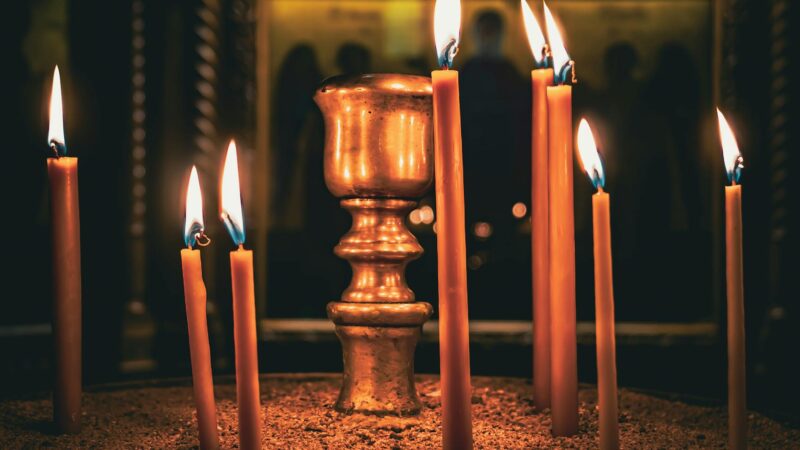
أجمل لحظات عيد الفصح القبطي تأتي مساء سبت النور. الكنيسة تكون في ظلام شبه كامل. فجأة، يُعلن الكاهن “المسيح قام! بالحقيقة قام!” وتُضاء الشموع وتنتشر الأنوار في الكنيسة بأكملها. الترانيم تتحول من الحزن إلى الفرح الغامر. يتبادل المصلون القبلات والتهاني.
هذه اللحظة — الانتقال من الظلام إلى النور، من الحزن إلى الفرح — هي جوهر عيد الفصح في الإيمان القبطي.
البابا تواضروس الثاني: قيادة الاحتفالات
البابا تواضروس الثاني، بابا الإسكندرية وبطريرك الكرازة المرقسية (البابا الـ 118 للكنيسة القبطية)، يترأس القداس الرئيسي في الكاتدرائية المرقسية الكبرى في العباسية بالقاهرة. القداس يُبث مباشرة على التلفزيون المصري وقنوات CTV وAghapy.
هذا العام، من المتوقع أن تتضمن عظة البابا إشارات للسلام والأمل في ظل وقف إطلاق النار، والصلاة من أجل مسيحيي المنطقة المتأثرين بالصراعات — خاصة في فلسطين ولبنان والعراق وسوريا.
شم النسيم: العيد الذي يجمع كل المصريين
اليوم التالي لعيد الفصح القبطي — الاثنين 14 أبريل 2026 — هو شم النسيم، أقدم عيد في تاريخ مصر. يعود لعصر الفراعنة (أكثر من 4,500 سنة) وكان يُحتفل به كعيد للربيع والخصوبة.
اليوم، يحتفل به كل المصريين — مسلمون ومسيحيون — وهو عطلة رسمية. التقاليد:
- الفسيخ: سمك بوري مملح ومخمّر — الطبق الأيقوني لشم النسيم. رائحته قوية جداً لكن طعمه (للمحبين) لا يُضاهى. تحذير صحي: الفسيخ المحضّر بشكل غير صحيح قد يسبب تسمماً غذائياً خطيراً (بوتيوليزم)، لذا يُنصح بشرائه من مصادر موثوقة فقط.
- الرنجة: سمك رنجة مدخن — البديل الأكثر أماناً للفسيخ وربما الأكثر شعبية الآن.
- البيض الملون: تلوين البيض المسلوق بألوان زاهية — تقليد يشترك فيه مع عيد الفصح عالمياً لكنه في مصر أقدم بآلاف السنين.
- البصل الأخضر: يرمز للحياة والتجدد في التقليد الفرعوني.
- الخس: من التقاليد الفرعونية أيضاً.
- الخروج للحدائق: العائلات المصرية تخرج بأعداد ضخمة إلى الحدائق والمتنزهات والكورنيش. حديقة الأزهر في القاهرة والحدائق العامة في جميع المحافظات تكتظ بالعائلات.
شم النسيم هو واحد من أجمل الأمثلة على التعايش في مصر — عيد بجذور فرعونية، مرتبط بتقويم مسيحي، يحتفل به المسلمون والمسيحيون معاً. هذا التناغم الفريد هو ما يميز مصر عن كثير من دول المنطقة.
عيد الفصح في القدس: كنيسة القيامة والنور المقدس
كنيسة القيامة: أقدس مكان في المسيحية
كنيسة القيامة (Church of the Holy Sepulchre) في القدس القديمة هي المكان الذي يعتقد المسيحيون أن المسيح صُلب ودُفن وقام فيه. بُنيت في القرن الرابع بأمر من الإمبراطور قسطنطين، وأُعيد بناؤها عدة مرات عبر القرون.
الكنيسة تتشاركها ست طوائف مسيحية: الروم الأرثوذكس (الحصة الأكبر)، الكنيسة الكاثوليكية (عبر الفرنسيسكان)، الأرمن الأرثوذكس، الأقباط الأرثوذكس، السريان الأرثوذكس، والأحباش (الكنيسة الإثيوبية). كل طائفة لها مناطقها وأوقات صلواتها المحددة بدقة وفق اتفاق “الوضع الراهن” الذي يعود للعصر العثماني.
النور المقدس: معجزة سبت النور
الحدث الأبرز في عيد الفصح الأرثوذكسي في القدس هو حفل النور المقدس (Holy Fire / النار المقدسة). يقع يوم سبت النور — 11 أبريل 2026 — وهو من أقدم وأشهر الطقوس المسيحية في العالم.
الطقس كالتالي:
- بطريرك الروم الأرثوذكس في القدس يدخل القبر المقدس (Edicule) وحده، بدون أي مصدر نار.
- يصلي داخل القبر. بعد فترة، تشتعل الشموع التي يحملها بشكل يصفه المؤمنون بأنه معجزي.
- يخرج بالشموع المضاءة، وينقل النور إلى المؤمنين المنتظرين بالآلاف داخل الكنيسة وخارجها.
- ينتشر النور بسرعة مذهلة — كل مؤمن يضيء شمعته من شمعة جاره — حتى تمتلئ الكنيسة بأكملها بالنور.
- يُنقل النور المقدس جواً في نفس اليوم إلى اليونان وقبرص وروسيا وجورجيا ودول أرثوذكسية أخرى.
احتفالات 2026: في ظل وقف إطلاق النار
هذا العام، تكتسب احتفالات عيد الفصح في القدس أهمية خاصة. الأوضاع في فلسطين المحتلة لا تزال متوترة رغم وقف إطلاق النار مع إيران. المسيحيون الفلسطينيون — الذين يتناقص عددهم باستمرار بسبب الهجرة والتضييقات — يحاولون الحفاظ على تقاليدهم رغم كل الصعوبات.
القيود الإسرائيلية على حرية التنقل تؤثر بشكل مباشر على قدرة المسيحيين من الضفة الغربية وغزة على الوصول لكنيسة القيامة. كل عام، يصدر الاحتلال تصاريح محدودة — وكثيرون يُحرمون من حقهم في زيارة أقدس أماكنهم المقدسة.
الكنائس الفلسطينية — ومن بينها الكنيسة الأرثوذكسية في بيت لحم ورام الله ونابلس — تُقيم قداساتها بحضور مكثف من المؤمنين الذين يجدون في العيد فرصة للتمسك بالأمل والهوية والإيمان في مواجهة الاحتلال.
عيد الفصح في لبنان: تعدد وجمال
الطوائف المسيحية في لبنان
لبنان فريد في العالم العربي من حيث تنوعه المسيحي. تشكل الطوائف المسيحية نحو 30-35% من السكان، وتشمل:
- الموارنة: أكبر طائفة مسيحية لبنانية (حوالي 21% من السكان). يتبعون التقويم الغربي لعيد الفصح (5 أبريل 2026).
- الروم الأرثوذكس: ثاني أكبر طائفة (حوالي 8%). يحتفلون يوم 12 أبريل 2026 وفق التقويم الشرقي.
- الروم الكاثوليك (الملكيين): يتبعون التقويم الغربي عادة.
- الأرمن الأرثوذكس: يحتفلون يوم 12 أبريل 2026.
- الأرمن الكاثوليك، السريان، الكلدان، اللاتين: طوائف أصغر بتقاليد متنوعة.
هذا التنوع يعني أن لبنان يحتفل بعيد الفصح مرتين في بعض السنوات — مرة غربية ومرة شرقية — وكل مرة بتقاليد مختلفة.
تقاليد عيد الفصح اللبنانية
الأطعمة التقليدية تحتل مركز الاحتفال في لبنان:
- المعمول: كعك محشو بالتمر أو الجوز أو الفستق الحلبي — الطبق الأيقوني للعيد. كل عائلة لبنانية تصنعه بوصفتها الخاصة، وتبدأ التحضيرات قبل أيام.
- البيض الملون: خاصة البيض المصبوغ بالأحمر الذي يرمز لدم المسيح.
- لحم الخروف: الطبق الرئيسي لغداء العيد — غالباً مشوي أو مع أرز بالبهارات.
- الكعكة: كعكة عيد الفصح بأشكال متنوعة.
- مسابقة البيض: تقليد شعبي حيث يتبارى الأطفال (والكبار!) في كسر بيض بعضهم البعض. الفائز هو صاحب البيضة الأقوى.
لبنان 2026: عيد في ظل التعافي
يحتفل المسيحيون اللبنانيون بعيد الفصح هذا العام وبلدهم لا يزال يتعافى من الأزمة الاقتصادية والنقدية التي بدأت في 2019. الليرة اللبنانية فقدت أكثر من 98% من قيمتها. البطالة مرتفعة. والطبقة الوسطى تآكلت بشكل كبير.
لكن اللبنانيين معروفون بإصرارهم على الاحتفال. الكنائس في بيروت وجبيل وجونية وزحلة والبترون ستمتلئ بالمصلين. العائلات ستتجمع حول موائد قد تكون أبسط من السنوات السابقة لكنها لن تفقد دفئها.
وقف إطلاق النار مع إيران يمنح لبنان — الذي كان يخشى توسع الصراع إلى أراضيه عبر حزب الله — بعض الطمأنينة. لأول مرة منذ أشهر، يمكن للبنانيين الاحتفال دون خوف من تصعيد عسكري وشيك.
عيد الفصح في الأردن: مسيحيون عرب أصيلون
المسيحيون الأردنيون
يُشكل المسيحيون نحو 4% من سكان الأردن (حوالي 450,000 نسمة)، وهم مندمجون بالكامل في النسيج الاجتماعي والسياسي. أبرز الطوائف هي الروم الأرثوذكس (الأكبر)، الروم الكاثوليك (الملكيين)، واللاتين.
الأردن يتميز بعلاقة تاريخية عميقة مع المسيحية. نهر الأردن — موقع معمودية المسيح — يقع في الأردن. والأردن يضم مواقع مسيحية مقدسة مثل جبل نبو (حيث رأى موسى الأرض الموعودة) ومادبا (خريطة الفسيفساء الشهيرة).
تقاليد عيد الفصح الأردنية
المسيحيون الأردنيون يحتفلون بعيد الفصح بتقاليد تجمع بين العناصر الشرقية والمحلية:
- القداس الإلهي: في الكنائس الأرثوذكسية في عمان والسلط ومادبا والكرك والفحيص. كنيسة الروم الأرثوذكس في عمان القديمة (جبل اللويبدة) تشهد حضوراً مكثفاً.
- المعمول والكعك: مثل لبنان، المعمول هو الطبق الأيقوني.
- لحم الخروف المنسف: المنسف — الطبق الوطني الأردني — يتصدر مائدة العيد في كثير من العائلات المسيحية الأردنية. التقاطع بين الهوية الوطنية والهوية الدينية واضح في المائدة الأردنية.
- الزيارات العائلية: تقليد راسخ في المجتمع الأردني — المسلمون والمسيحيون يزورون بعضهم البعض في الأعياد كتعبير عن الترابط الاجتماعي.
موقع المعمودية: حدث خاص
موقع المغطس (Bethany Beyond the Jordan) — المكان المعتقد لمعمودية المسيح على الضفة الشرقية لنهر الأردن — يشهد في عيد الفصح احتفالات خاصة وصلوات وتجديد عهود المعمودية. آلاف الحجاج يزورون الموقع سنوياً، وهو مدرج على قائمة التراث العالمي لليونسكو منذ 2015.
عيد الفصح في سوريا والعراق: إيمان في وجه المحن
سوريا: المسيحيون الصامدون
المسيحيون السوريون — الذين كانوا يُشكلون نحو 10% من السكان قبل 2011 — تقلص عددهم بشكل كبير بسبب الحرب. التقديرات الحالية تتراوح بين 2-5% من السكان. لكن من بقي يحتفل بعيد الفصح بإصرار مذهل.
في دمشق القديمة — باب توما وباب شرقي وكساب — تُقام القداسات في كنائس تاريخية يعود بعضها لقرون. الحي المسيحي في دمشق القديمة لا يزال نابضاً بالحياة رغم كل ما مرت به سوريا.
في حلب — التي شهدت بعضاً من أعنف المعارك — الكنائس أعيد ترميم بعضها والبعض لا يزال متضرراً. لكن المسيحيين الحلبيين يحتفلون في أي مكان متاح.
العراق: تراث مهدد
العراق كان مهداً لبعض أقدم المجتمعات المسيحية في العالم — الكلدان والآشوريون والسريان. من نحو 1.5 مليون مسيحي عراقي قبل 2003، بقي أقل من 250,000. عيد الفصح في سهل نينوى وأربيل وبغداد يحمل ثقل هذا التاريخ المأساوي.
الكنائس الكلدانية في أربيل ودهوك تشهد احتفالات حية. في بغداد، الكنائس في الكرادة والمنصور والدورة تُقيم قداساتها بحراسة أمنية مشددة — تذكير مؤلم بأن الاحتفال بالعيد يتطلب شجاعة في العراق.
تهاني عيد الفصح بالعربية
إليك أجمل عبارات التهنئة بعيد الفصح المجيد:
التهاني التقليدية
- “المسيح قام! بالحقيقة قام!” — التحية التقليدية الأولى والأهم. يقولها أحدهم ويرد الآخر “بالحقيقة قام!” (باليونانية: Χριστὸς ἀνέστη! — Ἀληθῶς ἀνέστη!)
- “عيد قيامة مجيد” — تهنئة بسيطة وجميلة
- “كل سنة وأنت طيب بمناسبة عيد القيامة المجيد” — الصيغة المصرية الشائعة
- “فصح مجيد وقيامة مباركة” — تهنئة رسمية
تهاني خاصة لعام 2026
- “عيد قيامة مجيد — وعسى أن يحمل هذا العيد السلام لمنطقتنا بعد كل ما مررنا به”
- “المسيح قام والأمل قام معه — كل عام وأنتم بخير”
- “من مصر إلى فلسطين إلى لبنان — عيد قيامة مجيد لكل مسيحيي الشرق”
- “نور القيامة أقوى من كل ظلام — عيد مبارك على الجميع”
تهاني باللهجات المختلفة
- مصري: “كل سنة وانتو طيبين يا جماعة — عيد قيامة مجيد علينا وعليكو”
- لبناني: “عيد فصح مجيد — الله يخلّيكن ويحمي لبنان”
- أردني: “كل عام وأنتم بألف خير — عيد القيامة المجيد مبارك”
- سوري: “المسيح قام — كل سنة وأنتم سالمين”
- عراقي: “عيدكم مبارك — المسيح قام بالحقيقة”
أطعمة عيد الفصح التقليدية في الشرق الأوسط
دليل الأطعمة حسب البلد
| البلد | الأطباق الرئيسية | الحلويات | المشروبات |
|---|---|---|---|
| مصر | فسيخ، رنجة، بيض ملون (شم النسيم). لحم مشوي وفتة يوم العيد | كحك، بسكويت، بيتي فور | عصير قصب، ليمون بالنعناع |
| لبنان | لحم خروف، كبة نية، تبولة، فتوش | معمول، مغلي، بقلاوة | عرق، نبيذ لبناني (شاتو كسارة، كفريا) |
| الأردن | منسف، مقلوبة، لحم مشوي | معمول، كنافة نابلسية | قهوة عربية، شاي بالميرمية |
| سوريا | كبة حلبية، يبرق، لحم بعجين | معمول، غريبة، برازق | عرق، جلاب |
| العراق | قوزي، دولمة، تشريب | كليجة، معمول | شاي عراقي (استكان) |
| فلسطين | مسخن، مقلوبة، لحم خروف | معمول، قطايف | قهوة عربية |
وصفة المعمول: الكعك الذي يجمع الشرق الأوسط
المعمول هو القاسم المشترك بين جميع مسيحيي الشرق الأوسط في عيد الفصح. إليك الوصفة الأساسية:
المكونات:
- 3 أكواب سميد ناعم
- 1 كوب سمن بلدي أو زبدة مذابة
- 3 ملاعق ماء زهر + ماء ورد
- 3 ملاعق سكر
- رشة خميرة فورية
- حشوة: تمر عجوة أو جوز مطحون مع سكر وقرفة أو فستق حلبي
الطريقة: يُخلط السميد مع السمن ويُترك ليلة كاملة. يُضاف ماء الزهر والسكر والخميرة. يُعجن ويُحشى ويُشكل في القوالب الخشبية التقليدية (الطابع). يُخبز في فرن 180 درجة لمدة 15-20 دقيقة حتى يتماسك دون أن يتحمّر كثيراً. يُرش بسكر البودرة عند التقديم.
مواعيد القداسات والخدمات الكنسية — أبريل 2026
القاهرة والإسكندرية (الكنيسة القبطية)
- خميس العهد (10 أبريل): القداس صباحاً 8:00-12:00 ثم صلاة رفع بخور عشية والبصخة من 6:00 مساءً
- الجمعة العظيمة (11 أبريل): صلوات البصخة من 8:00 صباحاً حتى 6:00 مساءً (خدمة الساعة 12 ودفن المسيح)
- سبت النور (11 أبريل مساءً): قداس عيد القيامة من 8:00 مساءً حتى 12:30-1:00 بعد منتصف الليل
- أحد القيامة (12 أبريل): قداس صباحي 7:00-10:00 صباحاً
القدس (كنيسة القيامة)
- سبت النور (11 أبريل): حفل النور المقدس يبدأ ظهراً. البطريرك يدخل القبر المقدس نحو 1:00-2:00 ظهراً
- قداس القيامة (12 أبريل): منتصف الليل وصباحاً — لكل طائفة وقتها المحدد
بيروت وجبل لبنان (الروم الأرثوذكس)
- الجمعة العظيمة (11 أبريل): صلاة الجنازة المسائية — دفن المسيح — من 6:00-9:00 مساءً في معظم الكنائس
- سبت النور (11 أبريل مساءً): قداس القيامة يبدأ 11:00 مساءً
- أحد القيامة (12 أبريل): قداس صباحي 9:00-11:00
عيد الفصح الأرثوذكسي في اليونان وقبرص وروسيا وجورجيا
اليونان: أكبر احتفال أرثوذكسي في أوروبا
اليونان — حيث يُشكل الأرثوذكس نحو 90% من السكان — تحتفل بعيد الفصح بشكل يفوق أي عيد آخر بما في ذلك عيد الميلاد. الأسبوع المقدس في اليونان يُعتبر أهم أسبوع في السنة، وكثير من اليونانيين يعودون لقراهم الأصلية للاحتفال مع عائلاتهم — تماماً كما يعود المصريون لبلادهم في عيد الفطر.
ليلة السبت الكبير (11 أبريل 2026)، تخرج المواكب بالشموع في كل مدينة وقرية. في أثينا، ساحة سينتاغما أمام البرلمان تمتلئ بعشرات الآلاف. في سانتوريني وميكونوس ورودس، المشهد ساحر — الشموع تنعكس على البحر والمباني البيضاء.
الطعام التقليدي اليوناني لعيد الفصح يتمحور حول الخروف المشوي على السيخ (سوفلا) الذي يُطبخ في الهواء الطلق لساعات. أيضاً تسوريكي (خبز عيد الفصح الحلو) والبيض المصبوغ بالأحمر.
في 2026، هناك بُعد خاص: النور المقدس من كنيسة القيامة في القدس يصل اليونان عبر طائرة خاصة يوم سبت النور، ويُستقبل في مطار أثينا باحتفال رسمي قبل توزيعه على الكنائس في أنحاء البلاد.
قبرص: الأقرب جغرافياً للقدس
قبرص — الجزيرة المقسمة بين الجزء اليوناني القبرصي (أرثوذكسي بغالبيته) والجزء التركي — تحتفل بعيد الفصح بتقاليد مشابهة لليونان لكن بلمسة محلية. الاحتفالات في ليماسول ونيقوسيا ولارنكا تجذب سياحاً من أوروبا يريدون تجربة عيد فصح أرثوذكسي أصيل.
تقليد فريد في قبرص: “لامبراتزيا” — حرق دمية يهوذا في الساحات العامة ليلة السبت، مع ألعاب نارية ضخمة تضيء السماء. الاحتفال يمزج بين الديني والشعبي بطريقة قبرصية مميزة.
روسيا: أكبر دولة أرثوذكسية في العالم
روسيا — بنحو 100 مليون أرثوذكسي — هي أكبر تجمع أرثوذكسي في العالم. البطريرك كيريل يترأس القداس في كاتدرائية المسيح المخلص في موسكو، والرئيس بوتين يحضر تقليدياً.
التقاليد الروسية تشمل: كعكة كوليتش (كعكة عيد الفصح المرتفعة)، بسخا (حلوى جبن قريش مع فواكه مجففة)، والبيض المصبوغ. كثير من الروس يزورون المقابر صباح عيد الفصح لإحياء ذكرى الموتى — ربط بين فكرة القيامة والأمل في حياة أخرى.
في 2026، عيد الفصح الروسي يأتي في ظل استمرار التوترات مع الغرب وتعقيدات العلاقة مع إيران. الكنيسة الروسية الأرثوذكسية دعت للسلام في الشرق الأوسط، وإن كان موقف روسيا السياسي من الحرب أكثر تعقيداً.
جورجيا: إيمان عميق
جورجيا — واحدة من أقدم الأمم المسيحية (اعتنقت المسيحية عام 327 ميلادي) — تحتفل بعيد الفصح بحماسة دينية عميقة. كاتدرائية الثالوث المقدس في تبليسي — أكبر كاتدرائية أرثوذكسية في القوقاز — تشهد حضوراً ضخماً. الجورجيون يُعدّون مائدة فصح ضخمة تضم أكثر من 40 طبقاً تقليدياً.
عيد الفصح في الشتات: المهاجرون العرب المسيحيون حول العالم
الجاليات المسيحية العربية في أمريكا وكندا وأستراليا
ملايين من المسيحيين العرب يعيشون خارج بلدانهم الأصلية — في أمريكا وكندا وأستراليا وأوروبا وأمريكا الجنوبية. عيد الفصح هو المناسبة التي يتجمع فيها هؤلاء حول هويتهم الثقافية والدينية.
في ديربورن (ميشيغان) — أكبر تجمع عربي في أمريكا — الكنائس الكلدانية والمارونية والأرثوذكسية تمتلئ عن آخرها. في سيدني وملبورن — حيث يعيش أكثر من 300,000 مسيحي عربي — الاحتفالات تشمل قداسات بالعربية والإنجليزية ومآدب جماعية ضخمة.
في ساو باولو (البرازيل) — حيث يعيش أكبر تجمع لبناني خارج لبنان — الاحتفالات تمزج بين التقاليد اللبنانية والبرازيلية بطريقة فريدة. المعمول اللبناني يُقدم مع القهوة البرازيلية.
لهؤلاء المهاجرين، عيد الفصح ليس فقط مناسبة دينية — إنه خيط يربطهم ببلدانهم الأصلية. تحضير المعمول وصبغ البيض وسماع ترانيم القيامة بالعربية — هذه الأفعال البسيطة تحمل ثقل الحنين وعمق الانتماء.
في 2026، مع حرب إيران ووقف إطلاق النار، كثيرون في الشتات يتابعون أخبار عائلاتهم في لبنان وسوريا والعراق وفلسطين بقلق. عيد الفصح هذا العام يحمل صلوات أكثر من المعتاد — صلوات من أجل السلام والأمان لمن بقوا هناك.
الأبعاد الاقتصادية لعيد الفصح في الشرق الأوسط
السياحة الدينية: مليارات الدولارات
عيد الفصح — والأسبوع المقدس الذي يسبقه — هو أحد أكبر مواسم السياحة الدينية في العالم. كنيسة القيامة في القدس تستقبل عشرات الآلاف من الحجاج من أوروبا وأمريكا وأفريقيا وآسيا. الأردن يستقبل حجاجاً في موقع المعمودية ومادبا وجبل نبو.
في مصر، السياحة الدينية المسيحية — خاصة من الأقباط المهاجرين الذين يعودون لقضاء العيد — تُضيف مئات الملايين للاقتصاد. الفنادق في القاهرة والإسكندرية والأقصر تشهد حجوزات مرتفعة في أسبوع الآلام.
في 2026، السياحة الدينية تتعافى تدريجياً بعد تأثرها بحرب إيران. وقف إطلاق النار قبل أسبوع من عيد الفصح جاء في توقيت مثالي — مما شجع بعض الحجاج على المضي قدماً في خططهم التي كانوا سيلغونها لولا وقف إطلاق النار.
صناعة الطعام والحلويات
موسم عيد الفصح يُنشط قطاع صناعة الحلويات والأغذية في جميع دول المنطقة. محلات المعمول والكعك في لبنان والأردن وسوريا وفلسطين تشهد ذروة مبيعاتها السنوية. في مصر، صناعة الفسيخ والرنجة لشم النسيم تُدر ملايين الجنيهات.
الطلب على البيض يرتفع بشكل ملحوظ قبل عيد الفصح وشم النسيم — مما يؤثر على أسعاره في الأسواق المصرية. في 2026، ارتفاع تكاليف الأعلاف بسبب الحرب أدى لارتفاع سعر البيض، مما أثر على تقاليد تلوين البيض لبعض العائلات المصرية محدودة الدخل.
عيد الفصح 2026 في ظل وقف إطلاق النار: رسالة أمل
هذا العام، عيد الفصح الشرقي يأتي في لحظة فارقة. وقف إطلاق النار بين إيران والتحالف الأمريكي-الإسرائيلي، المُعلن قبل أسبوع فقط، يمنح المنطقة أول نفَس أمل منذ فبراير.
لمسيحيي الشرق الأوسط — الذين عانوا أكثر من أي مجموعة أخرى من عقود من الحروب والصراعات التي لم يبدأوها — يحمل هذا العيد معنى خاصاً. القيامة في الإيمان المسيحي هي انتصار الحياة على الموت، النور على الظلام، الأمل على اليأس. في منطقة شهدت الكثير من الموت والظلام واليأس، هذه الرسالة ليست مجرد عقيدة دينية — إنها حاجة إنسانية ملحة.
في فلسطين، يحتفل المسيحيون بالقيامة وهم يعيشون تحت الاحتلال — وهذا يمنح إيمانهم عمقاً لا يفهمه من لم يعشه. في لبنان، يحتفلون وبلدهم ينهض من الانهيار. في سوريا والعراق، يحتفلون وآلاف الكنائس لا تزال مدمرة.
لكنهم يحتفلون. هذا بحد ذاته هو رسالة القيامة.
كل عام وأنتم بخير — عيد قيامة مجيد لجميع مسيحيي الشرق الأوسط والعالم.
آخر تحديث: 10 أبريل 2026