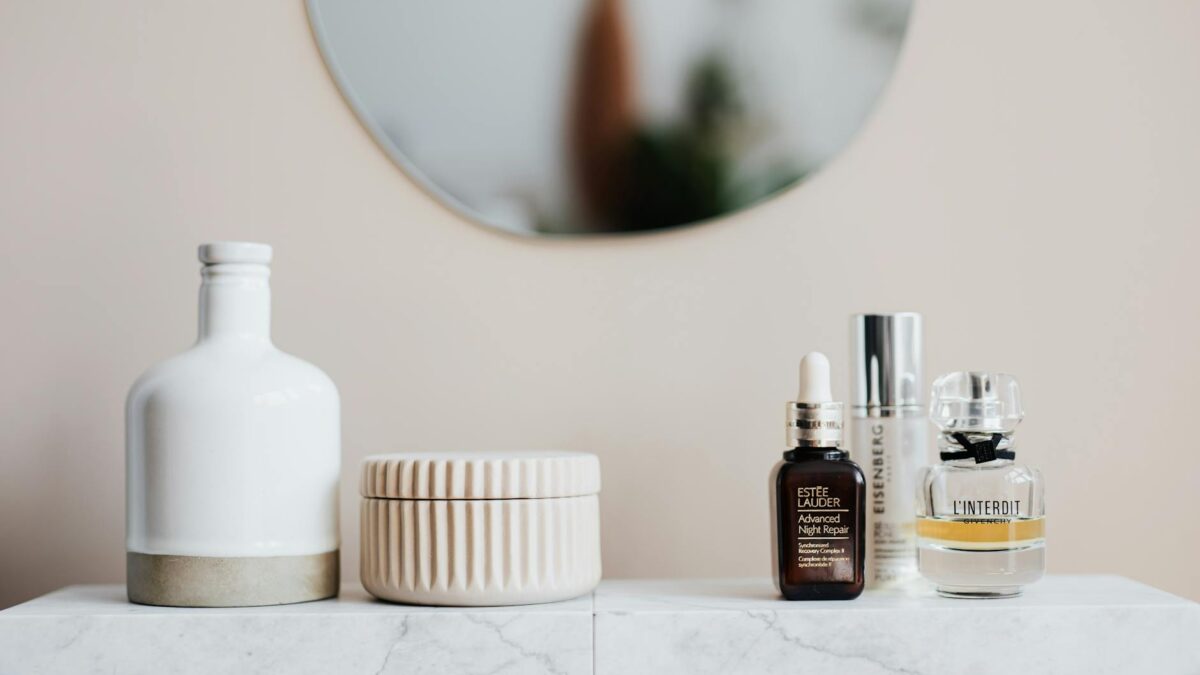
Why Arab Beauty Matters in 2026
The Arab beauty market crossed US$60 billion in retail sales last year, and analysts at Euromonitor expect it to reach US$78 billion by 2028. The Gulf accounts for nearly half that value, with Saudi Arabia overtaking the UAE in absolute spend in 2024. But the numbers tell only part of the story. Arab beauty in 2026 is not a category, it is a culture: a blend of inherited ritual passed from grandmothers to granddaughters, the explosion of homegrown brands now exporting globally, and a clinical-skincare scene in Dubai and Jeddah that rivals Seoul and Paris. This guide pulls together everything a modern Arab woman, or anyone wanting an Arab-inspired routine, needs in 2026.
The Roots: Traditional Arab Skincare Ingredients That Still Work
Every modern routine in the region rests on a foundation of ingredients that Arab women have used for centuries. The science has caught up with most of them.
Rose water (Ma’a Ward). Distilled in the Taif highlands of Saudi Arabia and the Kelaat M’Gouna region of Morocco, rose water is a gentle astringent, hydrator and natural anti-inflammatory. Modern dermatologists confirm that authentic distilled rose water contains polyphenols and flavonoids that calm redness and balance skin pH. Use it as a toner after cleansing, morning and night, or refrigerated as a refreshing mist during summer.

Argan oil (Zayt Argan). The liquid gold of southern Morocco, cold-pressed argan oil is rich in vitamin E, oleic and linoleic acids. It absorbs quickly and is suited to all skin types, including oily skin in small amounts. It also conditions hair and softens cuticles. Look for cosmetic-grade argan with no scent and a clear amber colour; the food-grade variety has a nutty smell and is less refined.
Black seed oil (Habbat al-Baraka). Mentioned in classical Arab medicine for fifteen centuries, black seed oil is now recognised for its thymoquinone content, which has antimicrobial and anti-inflammatory properties. Applied as a treatment two or three nights a week, it helps blemish-prone skin and supports scalp health.
Kohl (Kuhl). Traditionally made from antimony or ground galena, kohl was used to define and protect the eyes. Modern Arab brands have reformulated kohl with safe pigments that preserve the deep matte black finish without lead. Kayali, Huda Beauty and the Kuwaiti brand Boudoir Cosmetics all sell heritage-style kohl liners using safe modern pigments.
Henna (Hinna). Beyond the celebratory designs that mark weddings and Eid, henna conditions hair, calms the scalp and provides a natural reddish dye for those who want to step away from chemical colourants. A henna-and-yogurt mask once a month is one of the oldest haircare rituals in the region and still one of the most effective.
Other heritage ingredients worth keeping in your cabinet include ghassoul clay from the Atlas Mountains, fenugreek seeds (helba) for thickening hair, sidr leaves for shampooing, sandalwood paste for brightening, and pure beeswax for lip balm.
The Modern Routine for Hot, Dry Climates
The Gulf and the broader Middle East present a specific climate challenge: dry, hot, dust-laden air for much of the year, alternating with sharply air-conditioned indoor environments. The routine that works in Paris or Seoul will not work in Riyadh in August. Here is the 2026 routine our dermatologist contributors recommend.
Morning. Start with a gentle cream or gel cleanser, avoiding foaming sulphates that strip the skin’s barrier. Apply a hydrating toner; a 5% panthenol toner or rose water both work. Layer a vitamin C serum, ideally 10-15% L-ascorbic acid or a stable derivative such as tetrahexyldecyl ascorbate, to protect against oxidative damage from sun and pollution. Follow with a lightweight moisturiser containing ceramides and squalane. Finish with a broad-spectrum mineral sunscreen SPF 50+. The Gulf’s UV index regularly tops 11, and sunscreen is not optional, even if you wear a hijab or spend most of the day indoors near windows.
Evening. Double cleanse if you have worn makeup or sunscreen: an oil-based cleanser first to dissolve products, then a gentle water-based cleanser. Tone, then apply a treatment serum retinoid two to three nights a week (start with 0.25% retinaldehyde for sensitive skin or 0.3% retinol for more experienced users), niacinamide on non-retinol nights, and a peptide serum twice a week. Lock in with a richer cream containing ceramides, fatty acids and a humectant such as hyaluronic acid or polyglutamic acid. Once a week, swap your treatment serum for a chemical exfoliant: a 5-7% AHA or 1-2% BHA serum keeps skin clear without the irritation of physical scrubs.
Weekly extras. A clay mask once a week (ghassoul or kaolin) for deep cleansing, and a hydrating sheet or cream mask twice a week. During Ramadan, when you are fasting and water intake is concentrated into the evening hours, lean even harder into hydration: more humectants, an overnight sleeping mask, and a humidifier in the bedroom.
The Big Arab Beauty Brands of 2026
The last decade has produced a roster of Arab-founded brands that now lead the global category. These are the names every Arab woman knows and increasingly every non-Arab consumer does too.
Huda Beauty. Founded in Dubai by Huda Kattan in 2013, Huda Beauty pioneered the modern Arab beauty empire. Its complexion products, the GloWish Skin Tints and the Easy Bake setting powder, are universal staples. The brand’s relaunched lipstick range in 2025 is now ranked among the best in the world by independent reviewers.
Kayali. Founded by Mona Kattan, Huda’s sister, Kayali is the leading Arab-rooted fragrance house, with collections grounded in oud, amber, musk and rose. Vanilla 28, Musk 12 and Oudgasm are signature scents. In 2024 Mona bought back full control of Kayali and accelerated its expansion into Korea and Japan.
Mona Kattan Beauty. Mona’s standalone brand launched in 2025 focuses on luxurious body and bath products with an Arab-fragrance DNA, including a body oil and a body cream that became viral hits on TikTok in the Gulf.
Bared. The Riyadh-born skincare house that has become Saudi Arabia’s most-discussed clean beauty brand. Bared’s hydrating barrier cream and its centella-and-niacinamide serum are dermatologist favourites.
Asateer. An Emirati luxury skincare brand inspired by traditional Arab ingredients, with hammam-derived cleansing rituals and oud-infused body care. Asateer products are sold in Harrods and Bergdorf Goodman and have a cult following in the Gulf.
Other names to know. Lillapois (Egypt) for affordable colour cosmetics; The Skin Cooperative (Jordan) for clean clinical skincare; Yasmeen (Beirut) for fragrance; Faces and Sephora’s regional in-house lines; and the Saudi prestige fragrance line Asghar Ali, whose royal-court oud blends now sit in luxury cabinets worldwide.
Hijabi Haircare: The Real Routine
Wearing a hijab does not damage hair on its own, but the friction, lack of airflow and accumulated product residue can lead to scalp issues, breakage at the hairline, and dryness if a proper routine is not followed. The 2026 hijabi haircare routine combines tradition and science.
Wash twice a week with a sulphate-free shampoo, focusing on the scalp rather than the lengths. Use a deep-conditioning mask once a week, ideally one containing keratin, hydrolysed silk proteins or shea butter. Apply argan or black seed oil to the lengths and ends after washing.
Scalp care matters most. A weekly scalp scrub with a salicylic-acid-based product removes the buildup that can cause itching and odour. Massage the scalp for two to three minutes during shampooing to stimulate circulation.
Choose your underscarf wisely. Silk or satin underscarves reduce friction and breakage. Avoid tight cotton bands at the hairline; switch to elastic-free softer alternatives. Loose hairstyles under the hijab, especially a low loose bun or a soft braid, prevent traction alopecia at the temples, which has become an increasingly recognised concern in dermatology clinics across the Gulf.
Let your hair breathe. At home, untie your hair and let it air out. Once or twice a week, sleep with a silk wrap rather than tying hair tightly.
Signature Makeup Looks: Khaleeji, Egyptian and Lebanese
Three distinct schools of Arab makeup dominate 2026 trends.
The Khaleeji look (Gulf). Bold, glamorous, occasion-driven. Skin is luminous and full-coverage; brows are sculpted and dark; the eye is the centrepiece, smoked in deep browns or jewel tones, often with a winged liner and dramatic false lashes. Lips are typically nude or warm rose to balance the strong eye. The Khaleeji look is the natural pairing for an abaya or evening dress and dominates weddings, Eid receptions and family gatherings.
The Egyptian look (Masry). Inspired both by ancient Egyptian aesthetics and by the cinematic glamour of mid-century Cairo, the Egyptian look features a slightly warmer skin tone, defined kohl-rimmed eyes, a softer lip in berry or warm red, and an emphasis on the eyebrow as a strong architectural feature. It is more wearable for daytime than the Khaleeji look and translates well from professional settings to evening.
The Lebanese look. Polished, sophisticated, modern. The Lebanese look is closer to a European editorial aesthetic but warmer in tone. Skin is glowy but not heavy; the eye is softly smoked with a clean liner; lashes are individual rather than strip; and the lip is the focal point, often in mocha, terracotta or a glossy nude. Beirut’s beauty industry, despite the country’s economic difficulties, remains one of the most respected in the region for technique and finish.
Ramadan and Eid Prep: The Two-Stage Beauty Calendar
The Ramadan-and-Eid calendar shapes Arab beauty consumption like no other moment in the year. The two stages call for different routines.
During Ramadan. The focus is restoration and barrier support. Fasting changes hydration, sleep and digestion, all of which affect the skin. Lighter makeup during the day, an emphasis on hydration in the evening routine, and a focus on hair masks and scalp treatments on weekends prepare the skin and hair for Eid. Many salons in the Gulf offer Ramadan packages of facials and hammam treatments scheduled between iftar and sahour.
Eid preparation. The week before Eid is the busiest of the year for the beauty industry. Common bookings include facial treatments (hydrafacial, BB Glow or PRP, depending on the skin), full-body hammam scrubs (a Moroccan tradition increasingly adopted across the Gulf), threading or sugaring for hair removal, manicure-pedicure with henna design or chrome nails, and a hair colour or treatment. Book six to eight weeks in advance at top salons in Dubai, Riyadh and Cairo, since they close their lists tightly in the run-up to Eid.
Hair Removal: The Arab Tradition Refined
Sugaring (halawa), an ancient Egyptian and Levantine tradition using a paste of sugar, lemon and water, remains the gold standard for body hair removal across the Arab world. It is gentler than waxing, less likely to cause ingrown hairs, and entirely natural. Most upscale salons offer it, and many women still prefer to learn the technique from a relative and do it at home.
For facial hair, threading is the regional default, performed expertly in salons in Egypt, Jordan and the Gulf. Laser hair removal has also become extremely common, with affordable packages widely available in Dubai, Riyadh, Doha and Kuwait City; ensure the clinic uses diode or Nd:YAG lasers appropriate for medium-to-darker skin tones, which dominate the region.
Top Dermatologists in Dubai and the Gulf in 2026
Dubai has become a dermatological capital. Several names stand out for technical skill, ethics and outcomes.
Dr Hassan Galadari (Galadari Derma, Dubai). One of the most quoted aesthetic dermatologists in the region, with a calm injector style and a global reputation in academic dermatology.
Dr Hala Elgharib (Cocoona, Dubai). A leading authority on melasma and pigmentation, conditions especially relevant to Arab skin types IV-V on the Fitzpatrick scale.
Dr Aurora Almadori (London Premier Laser & Skin, Dubai). Specialist in regenerative skin treatments and PRP.
Dr Ola Otaibi (Riyadh). Saudi dermatologist known for her conservative, results-led approach and patient education content.
Dr Maryam Zamani (London and Dubai). Oculoplastic surgeon and founder of MZ Skin, with a worldwide following among Arab clients.
Before booking with any clinic, ask three questions: who exactly will perform the treatment, what products or devices will be used, and what the recovery and risk profile is. Top clinics will answer these without hesitation.
Building Your Personal Arab Beauty Stack in 2026
The clearest pattern in 2026 is that Arab women are no longer choosing between heritage and modernity; they are layering them. A morning that begins with rose water from Taif and ends with a Huda Beauty tinted moisturiser is now the norm. The pantry of grandmother’s ingredients is alive next to the cabinet of dermatologist-tested serums. The salon offers both threading and laser, hammam and hydrafacial, henna and chrome nails.
The best routine, in the end, is the one that respects your skin, fits your time, and honours the inheritance you choose to carry. Start with the basics cleanse, hydrate, protect from the sun add the regional rituals that mean something to you, and trust the brands that have earned the trust of the women around you.