مفارقة المشهد: لماذا يستضيف أقدم نصب تذكاري في العالم أحدث رياضاته
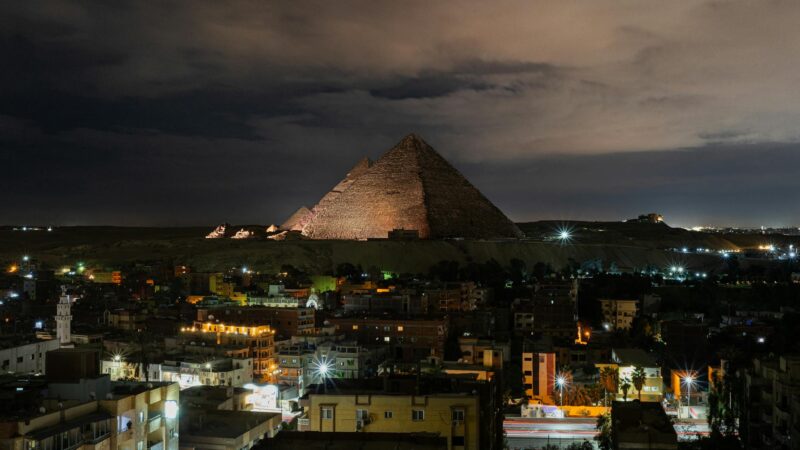
وقف هرم الجيزة الأكبر منذ 4,500 عام. شهد صعود وسقوط الفراعنة، غزو الإسكندر، وصول نابليون، بناء قناة السويس، حربين عالميتين، وثورة غيّرت الشرق الأوسط الحديث. صُوّر أكثر من أي بناء آخر على وجه الأرض تقريباً. والآن، في 2026، سيكون خلفية لشيء لم يتخيله بناؤه أبداً: نزالان على بطولة العالم في الملاكمة، يُبثان لمئات الملايين من المشاهدين حول العالم، في حدث لا يمثل مجرد عرض رياضي بل بيان عن مكانة مصر في اقتصاد الترفيه العالمي وطموح العالم العربي المتنامي ليكون ليس مجرد مستهلك لثقافة الرياضة العالمية بل صانعاً ومضيفاً لها.
هذه مفارقة حدث “المجد في الجيزة”: أقدم رمز وأكثره ديمومة للإنجاز البشري يوفر المسرح لواحدة من أكثر الرياضات بدائية وفورية. التباين ليس صدفة؛ إنه الهدف بأكمله. في منطقة كثيراً ما تُختزل في عناوين عن الصراع وعدم الاستقرار والتخلف، تبعث صورة رياضيين عالميين يتنافسون تحت نظر أبو الهول رسالة تتجاوز الرياضة: العالم العربي يبني ويبدع ويحتفل، حتى، وربما خاصة، في الأوقات الصعبة.
الحدث: ما هو المجد في الجيزة فعلاً
المجد في الجيزة حدث ملاكمة احترافي مقرر إقامته على هضبة الجيزة، مع هرم خوفو الأكبر كخلفية حرفية. تتضمن البطاقة نزالين على لقب العالم، مما يجعله أحد أهم أحداث الملاكمة في 2026 وأكبر حدث رياضات قتالية أُقيم في الشرق الأوسط على الإطلاق.

لوجستيات إقامة حدث ملاكمة عالمي في موقع تراث عالمي لليونسكو هائلة. سيُبنى مدرج مؤقت على الهضبة بطاقة استيعاب لآلاف المتفرجين وبنية تحتية للبث التلفزيوني العالمي. تصميم المدرج، المطوّر بالتشاور مع المجلس الأعلى للآثار في مصر، يضمن عدم التأثير على الموقع الأثري مع تعظيم المشهد البصري للأهرامات كخلفية.
تتضمن النزالات التمهيدية عدة مباريات ذات أهمية إقليمية، بما في ذلك نزالات يشارك فيها ملاكمون عرب ومصريون. هذا الإدراج يخدم أغراضاً متعددة: يوفر منصة للمواهب النامية في المنطقة، ويربط الحدث بالجماهير المحلية التي قد تراه عرضاً غربياً مستورداً، ويبني رواية الملاكمة العربية كقوة متنامية في الرياضة.
قيم الإنتاج مصممة لمضاهاة أو تجاوز أكبر أحداث الملاكمة في لاس فيغاس أو لندن. كاميرات عالية الوضوح ستلتقط تجاور المنافسة الرياضية الحديثة مع الحجر القديم؛ لقطات الطائرات المسيّرة ستوفر مناظر جوية تجمع المدرج والأهرامات وأفق القاهرة؛ ونظام الصوت والإضاءة سيحول الهضبة إلى بيئة ترفيهية غامرة.
زاوية الفخر المصري: أكثر من مجرد نزال
بالنسبة للمصريين، يحمل حدث المجد في الجيزة أهمية تمتد أبعد بكثير من الرياضة. في عام يهيمن عليه الضغوط الاقتصادية من الصراع الإيراني وارتفاع الأسعار وانخفاض قيمة العملة، يمثل الحدث شيئاً لا يُقاس بأرقام الناتج المحلي الإجمالي: الفخر الوطني.
علاقة مصر بالأهرامات معقدة. لعقود، ارتبطت الأثريات أساساً بالسياحة، صناعة تجلب العملة الأجنبية اللازمة لكنها أيضاً تختزل أكثر رموز البلاد شهرة في فرص تصوير للزوار الأجانب. يستعيد حدث المجد في الجيزة الأهرامات كمكان للإنجاز المصري — ليس فقط الإنجاز القديم المتجمد في الحجر، بل الإنجاز الحي الديناميكي المعاصر المبثوث للعالم.
هذا الاسترداد يتردد بقوة خاصة في سياق اللحظة الثقافية المصرية الأوسع. يشهد السينما المصرية نهضة، مع أفلام ومسلسلات تحصل على توزيع دولي على منصات البث. الموسيقى المصرية، من المهرجانات إلى التأليفات العربية الكلاسيكية الجديدة، اكتسبت جماهير عالمية. حقق الرياضيون المصريون نجاحات حديثة في الاسكواش (مصر تهيمن على التصنيفات العالمية) وكرة اليد ورياضات أخرى. حدث المجد في الجيزة جزء من هذا الزخم الثقافي.
التوقيت الاقتصادي مهم. مع الجنيه المصري تحت الضغط وأسعار الذهب عند 4,600 جنيه مصري للغرام عيار 21 (حوالي 104.50 دولار للغرام)، يشعر المصريون بالضغط من الاضطراب الاقتصادي العالمي. في هذا السياق، حدث دولي كبير يجلب عملة أجنبية للبلاد ويعرض مصر لجمهور عالمي ويولد حماساً حقيقياً هو أكثر من ترفيه؛ إنه محفز اقتصادي ملفوف بالفخر الوطني.
ثورة الرياضة العربية: السياق والمسار
لا يوجد حدث المجد في الجيزة في فراغ. إنه جزء من تحول أوسع في ثقافة الرياضة العربية تسارع بشكل كبير في عشرينيات القرن. فهم هذا التحول يتطلب فحص عدة تطورات متزامنة.
الاستثمار الرياضي السعودي
وضعت رؤية السعودية 2030 الرياضة كعنصر محوري في التنويع الاقتصادي والتحول الاجتماعي للمملكة. استقطاب الدوري السعودي الاحترافي لنجوم كرة القدم الدوليين (بما في ذلك كريستيانو رونالدو ونيمار وكريم بنزيما وآخرين) حوّل الدوري من منافسة إقليمية إلى حديث عالمي. استضافت السعودية أيضاً أحداث ملاكمة كبرى وسباقات الفورمولا 1 وعروض WWE وتستعد لاستضافة كأس العالم 2034.
حجم الاستثمار الرياضي السعودي مذهل. خصص صندوق الاستثمارات العامة ما يقدر بـ 50 مليار دولار للاستثمارات المرتبطة بالرياضة، بما في ذلك الاستحواذ على نادي نيوكاسل يونايتد وإنشاء LIV Golf وتطوير البنية التحتية لمونديال 2034.
منظومة الترفيه الإماراتية
بنت الإمارات، خاصة أبوظبي ودبي، منظومة رياضية وترفيهية شاملة على مدار العقدين الماضيين. تستضيف أبوظبي جائزة أبوظبي الكبرى للفورمولا 1 وأحداث UFC وبطولة أبوظبي الكبرى للجوجيتسو. تستضيف دبي كأس دبي العالمي لسباق الخيل وبطولة دبي للتنس وأحداث دولية عديدة أخرى.
يختلف نهج الإمارات عن السعودية في التركيز: بينما ركزت السعودية على الاستحواذات والأحداث الضخمة، بنت الإمارات منظومة على مدار العام من الأحداث المنتظمة التي تدعم صناعة سياحة رياضية دائمة. تولد هذه المنظومة ما يقدر بـ 2-3 مليار دولار سنوياً في التأثير الاقتصادي المباشر وغير المباشر.
إرث قطر بعد كأس العالم
كانت استضافة قطر لكأس العالم 2022 أكثر حدث رياضي تحويلي في التاريخ العربي. رغم الجدل حول ظروف العمل وقضايا أخرى، أثبتت البطولة أن دولة عربية يمكنها استضافة أكبر حدث رياضي أحادي في العالم بنجاح. البنية التحتية الإرثية، بما في ذلك ثمانية استادات عالمية المستوى، تبقى متاحة لأحداث مستقبلية.
كان التأثير الثقافي لكأس العالم ربما أكثر أهمية من تأثيره الاقتصادي. لأول مرة، جرّب مليارات المشاهدين حول العالم دولة عربية كمضيف وصانع لحدث ثقافي عالمي كبير. فتح هذا التحول في الإدراك أبواباً لمبادرات رياضية عربية لاحقة، بما في ذلك أحداث مثل المجد في الجيزة.
التراث والإحياء الرياضي المصري
كثيراً ما يُتجاهل سجل مصر الرياضي في نقاشات يهيمن عليها الاستثمار الخليجي. تمتلك البلاد تراثاً رياضياً عميقاً: استضافت كأس أمم أفريقيا مرات عديدة، وهي الأكثر نجاحاً في تاريخ كرة القدم الأفريقية (سبعة ألقاب)، وتهيمن على الاسكواش العالمي (المصنف الأول عالمياً في الرجال والنساء عادة مصري)، وأنتجت ميداليات أولمبية في رفع الأثقال والمصارعة والخماسي الحديث.
ما افتقرته مصر مقارنة بدول الخليج هو رأس المال الاستثماري. مصر لا تستطيع منافسة استحواذات صندوق الاستثمارات العامة السعودي أو منشآت الإمارات الحديثة. بدلاً من ذلك، تنافس مصر برأس المال الثقافي: الأهرامات كمكان لا مثيل له، وجمهورها المحلي البالغ 100 مليون هو الأكبر في العالم العربي، والصدى العاطفي للإنجاز الرياضي المصري يتصل بهوية وطنية تمتد لآلاف السنين.
يمثل حدث المجد في الجيزة مصر وهي تلعب على نقاط قوتها الفريدة. لا يمكن لأي قدر من الاستثمار الخليجي تكرار الأهرامات كخلفية. لا تمتلك أي دولة عربية أخرى مزيج مصر من حجم السكان والثقل الثقافي والتراث الرياضي. يموضع الحدث مصر ليس كمنافس للاستثمار الرياضي السعودي أو الإماراتي بل كوجهة مكملة تقدم شيئاً مختلفاً جذرياً: الأصالة والتاريخ والقوة العاطفية الخام لأيقونة العالم القديم الأكثر شهرة.
الملاكمة في العالم العربي: قوة متنامية
تمتلك رياضات القتال علاقة معقدة مع الثقافة العربية. للمصارعة جذور عميقة في المنطقة، وتوجد أشكال تقليدية من الفنون القتالية في أنحاء العالم العربي. لكن الملاكمة الحديثة كانت أبطأ في التطور مقارنة بكرة القدم أو كرة السلة أو رياضات الفريق الأخرى. يمثل حدث المجد في الجيزة فرصة لتسريع نمو الملاكمة في المنطقة.
عدة عوامل تدفع الاهتمام المتزايد بالملاكمة عبر العالم العربي:
التأثير السعودي: استضافة السعودية لأحداث ملاكمة رفيعة قدمت الرياضة لملايين المشاهدين العرب الذين كان تعرضهم السابق محدوداً. جذبت أحداث ملاكمة موسم الرياض نزالات دولية كبرى، واستثمار المملكة في حقوق بث الملاكمة جعل الرياضة أكثر إتاحة عبر المنطقة.
جيل يوتيوب ووسائل التواصل الاجتماعي: الشباب العرب، كالشباب عالمياً، يستهلكون المحتوى الرياضي أساساً عبر وسائل التواصل. الملاكمة، بروايتها الدرامية وتسويقها القائم على الشخصيات ولحظاتها البارزة، مناسبة تماماً لاستهلاك وسائل التواصل. بنى صناع محتوى ملاكمة عرب متابعات كبيرة.
اتجاه اللياقة ورياضات القتال: تكاثرت صالات الملاكمة في المدن العربية الكبرى، من القاهرة إلى الرياض إلى دبي. فوائد اللياقة لتدريب الملاكمة دفعت كثيراً من هذا النمو، لكن الملاكمة التنافسية تبعت. مصر بشكل خاص شهدت طفرة في المشاركة في ملاكمة الهواة.
عامل الفخر الوطني: عندما يتنافس ملاكمون عرب على المستوى الدولي، يولدون اهتماماً عاماً غير متناسب. الاستثمار العاطفي في رؤية عربي يتنافس على المسرح العالمي مكثف، والانتصارات تخلق موجات من الفخر الوطني والإقليمي.
اقتصاديات المشهد: ماذا يعني المجد في الجيزة مالياً
الهيكل المالي لحدث ملاكمة كبير معقد، ويوضح حدث المجد في الجيزة اقتصاديات المشهد الرياضي في الشرق الأوسط.
إيرادات البوابة: مبيعات التذاكر لحدث بطولة عالمية في مكان فريد كالأهرامات تتطلب أسعاراً فاخرة. باقات VIP، التي تشمل مقاعد بجانب الحلبة مع إطلالات غير معرقلة على كل من الحلبة والأهرامات وضيافة حصرية، مسعّرة بآلاف الدولارات. تذاكر الدخول العام، رغم أنها أكثر معقولية، تحمل علاوة كبيرة عن أحداث الملاكمة النموذجية. إجمالي إيرادات البوابة يُقدر بعشرات الملايين من الدولارات.
حقوق البث: حقوق البث التلفزيوني والرقمي العالمي تمثل أكبر مصدر إيرادات لأحداث الملاكمة الكبرى. سيُبث الحدث في أكثر من 150 دولة. توزيع الدفع مقابل المشاهدة في الأسواق الرئيسية (أمريكا، بريطانيا) يولد إيرادات إضافية، بينما تضمن صفقات بث منطقة الشرق الأوسط وشمال أفريقيا الوصول الإقليمي.
الرعاية والضيافة: تشمل الرعاية المؤسسية علامات دولية تسعى لظهور عالمي وعلامات إقليمية تسعى للارتباط بعقار ترفيهي فاخر. مكوّن الضيافة، بما في ذلك تجارب فاخرة تجمع حدث الملاكمة مع جولات خاصة بالأهرامات وعشاء خمس نجوم وتجارب ثقافية مقتنيات، يستهدف أصحاب الثروات الفائقة.
مضاعف السياحة: الفائدة الاقتصادية غير المباشرة تمتد أبعد من الحدث نفسه. الزوار الدوليون الحاضرون للمجد في الجيزة يمددون إقاماتهم عادة لزيارة معالم مصرية أخرى. التغطية الإعلامية للحدث، التي يراها مئات الملايين عالمياً، توفر تعريضاً تسويقياً للسياحة المصرية يكلف مئات الملايين لشرائه كإعلان.
التأثير الاقتصادي المباشر المقدر: يقدر محللو الصناعة التأثير الاقتصادي المباشر للحدث بـ 30-50 مليون دولار، شاملاً إيرادات البوابة وحقوق البث والرعاية والضيافة والإنفاق السياحي الفوري. التأثير غير المباشر، بما في ذلك الإقامات السياحية الممتدة وقيمة التعريض الإعلامي والسياحة المستقبلية المولدة من ظهور الحدث، يُقدر بأضعاف هذا المبلغ.
القوة البصرية: لماذا تغيّر الأهرامات كل شيء
أُقيمت الملاكمة في أماكن مذهلة كثيرة: ماديسون سكوير غاردن، MGM Grand، استاد ويمبلي. لكن أهرامات الجيزة في فئة وحدها. التأثير البصري لرياضيين عالميين يتنافسون مع آثار عمرها 4,500 عام خلفهم يخلق صوراً تتجاوز الرياضة وتدخل عالم الأيقونات الثقافية.
لهذه القوة البصرية تداعيات تجارية عملية. التفاعل على وسائل التواصل الاجتماعي للأحداث في أماكن فريدة عادة أعلى 3-5 مرات من الأحداث في صالات تقليدية. خلفية الأهرامات تضمن عملياً أن كل صورة من الحدث تصبح محتوى قابلاً للمشاركة. للرعاة، هذا يعني تعريضاً أعلى بكثير للعلامة لكل دولار مستثمر. لمصر، يعني ظهوراً عالمياً لا يشتريه المال.
أرست سابقة أحداث الاسكواش عند الأهرامات. بطولة CIB المصرية المفتوحة، المقامة في ملعب زجاجي شفاف مع الأهرامات مرئية خلف اللاعبين، ولّدت بعض أكثر الصور الرياضية مشاركة في السنوات الأخيرة. انتشرت الصور ليس بسبب الاسكواش (رياضة متخصصة عالمياً) بل بسبب المكان. الملاكمة، بجمهورها العالمي الأكبر بكثير، ستضخم هذا التأثير بأوامر من المقدار.
اقتصاد الترفيه: حدود العالم العربي الجديدة
حدث المجد في الجيزة جزء من اتجاه أكبر: ظهور العالم العربي كلاعب رئيسي في اقتصاد الترفيه العالمي. يمثل هذا الظهور تحولاً جذرياً من الدور التاريخي للمنطقة كمستهلك للترفيه الغربي إلى دورها الجديد كمنتج ومضيف ومصدر.
الأرقام تروي القصة. قُدرت قيمة سوق الترفيه والإعلام في الشرق الأوسط وشمال أفريقيا بنحو 45 مليار دولار في 2025 وفقاً لتوقعات PwC. يمثل هذا نمواً بنحو 8% سنوياً، ضعف المتوسط العالمي تقريباً. السعودية والإمارات ومصر هي الأسواق الثلاث الأكبر.
النمو مدفوع بعدة عوامل:
الديموغرافيا الشابة: يمتلك العالم العربي واحدة من أصغر السكان عالمياً. حوالي 60% من سكان المنطقة تحت 30 عاماً، وهذه الشريحة متعطشة للترفيه.
الاستثمار الحكومي: من الهيئة العامة للترفيه السعودية إلى استثمارات مصر في البنية التحتية الثقافية إلى المناطق الحرة الترفيهية الإماراتية، تروّج الحكومات عبر المنطقة بنشاط للترفيه كقطاع اقتصادي ومنفذ اجتماعي.
المنصات الرقمية: تكاثر خدمات البث (العالمية مثل نتفليكس والإقليمية مثل شاهد و OSN+ و TOD) خلق قنوات توزيع جديدة للمحتوى العربي وأنماط استهلاك جديدة للمحتوى الدولي.
سياحة الأحداث: الأحداث الكبرى، من موسم الرياض إلى تقويم أبوظبي الترفيهي إلى أحداث القاهرة الثقافية، أصبحت محركات اقتصادية تولد إيرادات سياحية وتخلق وظائف وتبني وعياً دولياً بالعلامة التجارية للمدن والدول المضيفة.
التقويم الرياضي الأوسع: ماذا يحدث أيضاً في الرياضة العربية 2026
| الحدث | الموقع | الرياضة | الأهمية |
|---|---|---|---|
| المجد في الجيزة | الجيزة، مصر | الملاكمة | نزالان على لقب العالم عند الأهرامات |
| الدوري السعودي الاحترافي | السعودية | كرة القدم | لاعبون عالميون، صفقة بث عالمية |
| جائزة السعودية الكبرى F1 | جدة | سباق سيارات | سباق ليلي على حلبة الكورنيش |
| جائزة أبوظبي الكبرى F1 | أبوظبي | سباق سيارات | خاتمة الموسم في ياس مارينا |
| بطولة CIB المصرية للاسكواش | الجيزة، مصر | الاسكواش | ملعب زجاجي عند الأهرامات |
| موسم الرياض | الرياض | متعدد/ترفيه | مهرجان ترفيهي ضخم |
| كأس دبي العالمي | دبي | سباق خيل | أغنى سباق خيل في العالم |
| بطولة قطر المفتوحة للتنس | الدوحة | التنس | حدث ATP 250 |
| أبوظبي غراند سلام | أبوظبي | الجوجيتسو | أكبر بطولة جوجيتسو في العالم |
| تصفيات كأس أمم أفريقيا | متعددة | كرة القدم | مصر تنافس على المجد القاري |
يوضح هذا التقويم عرض وعمق النشاط الرياضي العربي. لا تهيمن دولة واحدة؛ بدلاً من ذلك، كل منها تجلب نقاط قوة فريدة. السعودية تجلب حجم الاستثمار، الإمارات تجلب البنية التحتية والانتظام، قطر تجلب إرث كأس العالم، ومصر تجلب الصدى الثقافي والأهمية التاريخية. معاً، يبنون منظومة رياضية إقليمية تنافس بشكل متزايد العواصم الرياضية التقليدية في أوروبا وأمريكا الشمالية.
ما يعنيه هذا لمستقبل مصر
حدث المجد في الجيزة حالة اختبار لطموحات مصر في اقتصاد الترفيه والرياضة العالمي. نجاحه أو فشله سيؤثر على قرارات حول أحداث مستقبلية واستثمارات واتجاه الاستراتيجية الثقافية المصرية.
إذا نجح، يفتح الحدث عدة مسارات. أولاً، يؤسس الأهرامات كمكان عالمي فاخر للأحداث، مما قد يقود لأحداث كبرى منتظمة. ثانياً، يثبت قدرة مصر على تنظيم أحداث عالمية، مما يبني الثقة بين منظمي الأحداث والرعاة الدوليين. ثالثاً، يولد عوائد اقتصادية تبرر مزيداً من الاستثمار في البنية التحتية الترفيهية المصرية.
للحدث أيضاً تداعيات على القوة الناعمة المصرية في سياق التنافس الإقليمي الأوسع على التأثير الثقافي. السعودية تمتلك رأس المال الاستثماري. الإمارات تمتلك البنية التحتية. قطر تمتلك إرث كأس العالم. مصر تمتلك الأهرامات و100 مليون شخص و5,000 سنة من الحضارة. هذه أصول لا يمكن شراؤها أو تكرارها، وأحداث مثل المجد في الجيزة تثبت كيف يمكن نشرها.
للمصريين العاديين، قد تكون أهمية الحدث أبسط وأقوى من أي تحليل اقتصادي أو استراتيجي يمكن أن يلتقطها. في عام ارتفاع الأسعار وضغوط العملة والصراع الإقليمي، رؤية العالم يأتي إلى مصر، إلى أهراماتهم، للاحتفال والتنافس والانبهار، تذكير بأن بلدهم مهم على المسرح العالمي. أن مصر لا تُعرّف بتحدياتها الاقتصادية بل بعظمتها الحضارية الدائمة. أن الأهرامات ليست مجرد نصب تذكاري للماضي بل منصة للمستقبل.
الخاتمة: حين يلتقي الحجر القديم بالمجد الحديث
حدث ملاكمة المجد في الجيزة هو، على مستوى واحد، مجرد بطاقة ملاكمة: نزالان على لقب العالم ونزالات تمهيدية وتعليق وبطاقات تحكيم. لكن على مستوى أعمق، هو شيء أكثر أهمية بكثير. إنه بيان عن مكانة مصر في العالم، وعن دور العالم العربي المتنامي في الرياضة والترفيه العالمي، وعن قدرة رأس المال الثقافي على منافسة رأس المال المالي، وعن الدافع البشري الدائم لخلق المشهد في ظل العظمة.
بُنيت الأهرامات للاحتفال بالإنجاز البشري وإسقاط القوة عبر القرون. بعد أربعة آلاف وخمسمائة عام، تفعل الشيء نفسه بالضبط، بشكل لم يكن بناؤها ليتخيلوه لكنهم بالتأكيد كانوا ليفهموه. الدافع للتجمع والتنافس ومشاهدة التميز الجسدي والانتماء لشيء أكبر منا: هذا قديم قدم الحجارة نفسها.
عندما يدخل المقاتلون الحلبة تحت نظر الهرم الأكبر، سيشاركون في تقليد قديم قدم الحضارة. تغيرت الساحات. تطورت الرياضات. توسعت الجماهير من الآلاف إلى المليارات. لكن الدراما البشرية الأساسية — الشجاعة والمهارة وإرادة النصر — تبقى دون تغيير. المجد في الجيزة هو أحدث فصل في قصة بدأت عندما وُضع أول حجر عند سفح الهضبة، ولن يكون الأخير.
سيُحدّث هذا المقال بالنتائج والتحليل الكامل بعد الحدث. احفظ هذه الصفحة لأشمل تغطية بالعربية والإنجليزية لحدث ملاكمة المجد في الجيزة وثقافة الرياضة العربية في 2026.
المصادر: وزارة السياحة والآثار المصرية، BoxingScene، PwC Global Entertainment and Media Outlook، رؤية 2030 (السعودية)، الاتحاد العالمي للاسكواش، IATA، رويترز، الجزيرة. التقديرات الاقتصادية مبنية على تحليل الصناعة وبيانات أحداث مماثلة. أسعار الذهب: حوالي 104.50 دولار/غرام (عيار 21 بحوالي 4,600 جنيه مصري/غرام في مصر).