The Paradox of Month Two: More Destruction, More Diplomacy
Here is the contradiction that defines April 2026: the Iran conflict has simultaneously intensified and begun to crack open diplomatic windows that did not exist four weeks ago. Missiles still fly. Ships still sit idle. Oil still trades above $100 per barrel. Yet for the first time since hostilities erupted in February, multiple credible back-channels are operating. The question is whether diplomacy can outpace escalation before the conflict hardens into something far worse.
This comprehensive assessment examines what has materially changed after two months of conflict, what has stubbornly remained the same, and what the next 30 days may bring. We draw on shipping data, satellite imagery analysis, diplomatic source reporting, and economic indicators to provide the clearest picture available of where this conflict stands as of early April 2026.
Timeline of Key Events: March 1 to April 1, 2026
Understanding the trajectory of Month 2 requires following the sequence of events that shaped it. What emerges from the timeline is a pattern: each escalation was followed within days by a diplomatic response, suggesting that both sides are testing limits while leaving room for retreat.

Week 1 (March 1-7): The Escalation Spike
March opened with the most intense week of military operations since the conflict began. Coalition forces conducted over 200 airstrikes against Iranian military infrastructure in a 72-hour period starting March 2. Targets included air defense networks in Khuzestan province, naval facilities at Bandar Abbas, and suspected missile production sites near Isfahan. Iran responded with a barrage of ballistic missiles targeting coalition staging areas in the UAE and Bahrain, most of which were intercepted by integrated air defense systems. However, debris from intercepted missiles caused civilian casualties in Dubai’s Jebel Ali industrial zone, killing 4 workers and injuring 23.
The maritime dimension intensified as well. Iran’s Islamic Revolutionary Guard Corps Navy (IRGCN) deployed additional fast-attack craft and mine-laying vessels near the Strait of Hormuz. Intelligence agencies reported the deployment of at least 12 new naval mines in shipping lanes, bringing the estimated total to over 60. The Reuters world desk reported that commercial shipping insurance premiums for Gulf transit increased to 5-7% of hull value, effectively making most routine cargo uneconomical.
Week 2 (March 8-14): The Humanitarian Crisis Deepens
The focus shifted to humanitarian consequences as the blockade entered its second month. The International Maritime Organization formally declared the Strait of Hormuz situation a maritime humanitarian emergency. Approximately 20,000 commercial seafarers remained stranded aboard vessels unable to transit the strait, with conditions deteriorating as food stores and medical supplies ran low on many ships. The Philippines, which has an estimated 4,500 sailors stranded, recalled its ambassador from Iran in protest.
Inside Iran, the economic impact of the conflict became more visible. The Iranian rial fell to 850,000 against the US dollar on unofficial markets, a 40% decline from pre-conflict levels. Basic food prices in Tehran and other major cities increased 25-35%. Fuel rationing, paradoxically, was introduced in one of the world’s largest oil-producing countries as refinery operations were disrupted by coalition strikes.
Week 3 (March 15-21): The Omani Channel Opens
The most significant diplomatic development of Month 2 occurred when Oman, which has historically served as a neutral intermediary with Iran, confirmed that it was hosting preliminary discussions between Iranian representatives and Western diplomats. Omani Foreign Minister Sayyid Badr al-Busaidi met separately with Iranian Deputy Foreign Minister and a senior US State Department official in Muscat. While both sides characterized the meetings as “exploratory,” the mere fact of face-to-face contact represented a shift from the zero-communication posture of Month 1.
Simultaneously, China dispatched a special envoy to Tehran, reportedly carrying a framework proposal for de-escalation that would involve partial lifting of the Hormuz blockade in exchange for a suspension of strikes on Iranian energy infrastructure. India, separately, engaged Iran through established diplomatic channels, motivated by its dependence on Iranian oil and the stranding of approximately 3,000 Indian sailors.
Week 4 (March 22-31): Testing the Humanitarian Corridor
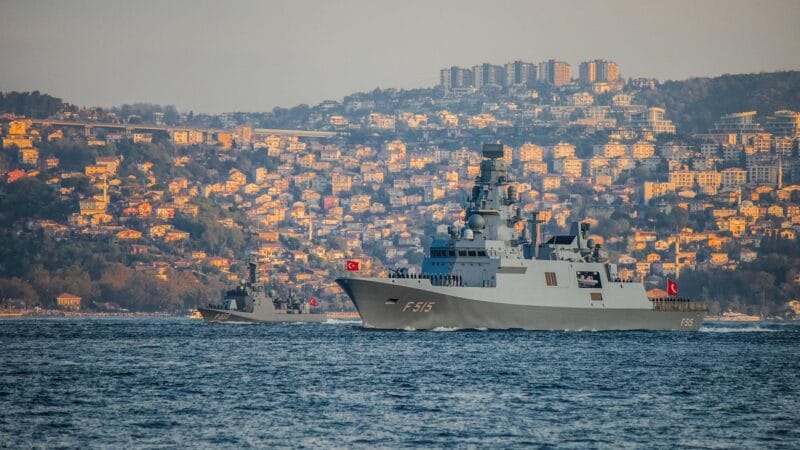
The final week of March saw the first concrete, if limited, result of diplomatic efforts: the establishment of a narrow humanitarian shipping corridor through the Strait of Hormuz. Operating 8 hours per day under the supervision of Omani naval vessels, the corridor permitted passage of vessels carrying food, medicine, and humanitarian supplies. An average of 4-6 vessels per day transited the corridor during its first week of operation, a fraction of the pre-conflict volume of 60-80 vessels daily, but a symbolically important step.
However, the corridor did not extend to oil tankers or general commercial cargo, and Iran maintained its broader naval posture. Coalition forces, for their part, continued airstrikes on military targets, though at a reduced tempo compared to early March. The month ended in an uneasy equilibrium: more destruction than Month 1 in absolute terms, but with emerging structures for managing the crisis.
What Changed in Month Two
Several material shifts distinguish the situation in early April from where things stood at the end of February. These changes do not yet amount to a turning point, but they alter the calculus for all parties involved.
1. Diplomatic Channels Now Exist
The most important change is structural: there are now active communication channels between the warring parties that did not exist in Month 1. The Omani back-channel has conducted at least three rounds of discussions. China’s special envoy has made two trips to Tehran. The UN Secretary-General’s office has established a coordination mechanism for humanitarian issues. While none of these channels has produced a ceasefire framework, their existence reduces the risk of miscalculation and provides infrastructure for negotiation when political conditions permit.
Historical precedent suggests this matters. In the Iran-Iraq War, it took over a year for comparable communication structures to develop. In the 2006 Lebanon War, back-channels through European intermediaries were critical to achieving a ceasefire within 34 days. The speed at which diplomatic infrastructure has developed in this conflict suggests that, despite public rhetoric, neither side has foreclosed the possibility of a negotiated resolution.
2. The Humanitarian Corridor Precedent
The humanitarian shipping corridor through Hormuz, while limited in scope, establishes a precedent that could be expanded. It demonstrates that Iran is willing to make operational concessions in the strait under specific conditions, and that coalition forces will respect agreed-upon safe passage windows. The corridor also creates a practical template, with Omani naval escorts, defined transit windows, and vessel verification procedures, that could be scaled up to include commercial shipping if negotiations progress.
3. Economic Pain Is Becoming Bilateral
In Month 1, the economic pain was heavily asymmetric, falling primarily on Iran and oil-importing developing nations. By Month 2, the costs have become more evenly distributed. Gulf states face growing economic disruption from reduced port activity, tourism decline, and the costs of sustained military operations. The UAE reported a 35% decline in non-oil trade volume through its ports. Saudi Arabia’s non-oil GDP growth has stalled. Bloomberg reported that the combined fiscal cost to Gulf Cooperation Council states has exceeded $40 billion through the end of March, eroding the financial cushion that initially made sustained conflict seem affordable.
4. Global Pressure Is Mounting
International patience with the conflict is wearing thin. The G7 issued a joint statement calling for an immediate ceasefire and the reopening of the Strait of Hormuz. The African Union and ASEAN both passed resolutions expressing concern about the conflict’s impact on food and energy security. More consequentially, China and India, which together account for over 40% of Iran’s pre-conflict oil exports, have signaled that their diplomatic support for Iran’s position is contingent on progress toward de-escalation. This creates pressure on Tehran that did not exist in Month 1.
What Has Not Changed
Against these shifts, several fundamental aspects of the conflict remain stubbornly unchanged, limiting the prospects for rapid resolution.
1. The Strait of Hormuz Remains Blocked
Despite the humanitarian corridor, the Strait of Hormuz remains effectively closed to commercial traffic. The corridor handles 4-6 humanitarian vessels per day versus the pre-conflict norm of 60-80 commercial vessels. No oil tankers have transited the strait since the blockade began. Iran has shown no willingness to reopen the strait to commercial shipping without a comprehensive deal that addresses its core demands, including the cessation of military operations against its territory and the lifting of sanctions.
The physical infrastructure of the blockade has actually strengthened. Intelligence assessments indicate that Iran has expanded its naval mine fields, deployed additional anti-ship missile batteries along its coastline, and positioned submarine assets to deter any attempt to force open the strait. Clearing the mines alone would take an estimated 3-6 months of dedicated minesweeping operations even after a ceasefire.
2. Oil Remains Above $100 per Barrel
Brent crude closed March at $108 per barrel, well above the $100 threshold that has become the conflict’s economic benchmark. While OPEC+ members with spare capacity, primarily Saudi Arabia and the UAE, have increased production, this has only partially offset the loss of Iranian exports and the disruption to Gulf shipping. The IEA estimates that global oil supply remains approximately 2.5 million barrels per day below demand, with strategic petroleum reserve releases providing temporary relief but not a structural solution.
For context, every $10 increase in oil prices above the pre-conflict baseline of approximately $75 per barrel adds roughly $500 billion annually to global energy costs. At $108, that represents an additional $1.65 trillion per year in energy costs that is being absorbed by consumers and businesses worldwide. The Wall Street Journal’s energy desk has documented how this is particularly devastating for emerging economies in South and Southeast Asia that lack both domestic energy resources and fiscal buffers.
3. No Formal Ceasefire Framework Exists
Despite the opening of diplomatic channels, no party has tabled a comprehensive ceasefire proposal that both sides consider a viable basis for negotiation. The fundamental gap remains: coalition forces demand the unconditional reopening of the Strait of Hormuz and verifiable dismantlement of Iran’s nuclear enrichment capacity above 5%, while Iran demands the cessation of all military operations, lifting of all post-2018 sanctions, and security guarantees against future attack. These positions remain far apart.
4. The Sailor Crisis Persists
Approximately 20,000 commercial seafarers remain stranded in the conflict zone. While the humanitarian corridor has enabled some crew rotations, the International Transport Workers’ Federation estimates that fewer than 1,500 sailors have been repatriated since the corridor opened. Conditions aboard stranded vessels continue to deteriorate, with reports of rationed food, limited medical care, and severe psychological distress. Several flag states have threatened legal action against Iran at the International Court of Justice if crew repatriations do not accelerate.
The Oil Market: Structural Disruption vs. Temporary Shock
One of the critical questions for the global economy is whether the current oil price environment represents a temporary shock that will normalize when the conflict ends, or a structural disruption that will persist regardless of the military outcome.
Supply-Side Analysis
The conflict has removed approximately 3.5 million barrels per day from global oil markets: Iran’s 2.5 million bpd of exports plus approximately 1 million bpd of non-Iranian Gulf production that cannot transit the blocked strait. OPEC+ spare capacity, primarily in Saudi Arabia (estimated 2-3 million bpd) and the UAE (estimated 0.5-1 million bpd), can theoretically cover most of this shortfall, but only if production increases are sustained and alternative export routes (primarily via pipelines to Red Sea terminals) can handle the additional volume.
| Factor | Pre-Conflict | Month 2 (April 2026) | Impact |
|---|---|---|---|
| Brent Crude Price | ~$75/barrel | $108/barrel | +44% |
| Hormuz Daily Transits | 60-80 vessels | 4-6 (humanitarian only) | -93% |
| Iranian Oil Exports | 2.5M bpd | ~0.3M bpd (overland) | -88% |
| Global Supply Deficit | Balanced | ~2.5M bpd | Critical |
| Shipping Insurance (Gulf) | 0.1-0.3% hull | 5-7% hull | +2000% |
| SPR Releases (IEA members) | None | 1.5M bpd coordinated | Temporary buffer |
| OPEC+ Spare Capacity Used | Minimal | ~2M bpd activated | Buffer shrinking |
Demand-Side Response
High prices are beginning to destroy demand at the margins. The IEA revised its 2026 global oil demand growth forecast from 1.4 million bpd to 0.6 million bpd, reflecting both price-induced conservation and slower economic growth. However, demand destruction is a slow process, and the current supply deficit is large enough that prices are likely to remain elevated (above $95 per barrel) even with reduced demand growth, unless the Strait of Hormuz reopens or a ceasefire enables resumed Iranian exports.
The LNG Dimension
Often overlooked in oil-focused coverage, the conflict has also disrupted LNG shipments from Qatar, which typically transit the Strait of Hormuz. Qatar is the world’s largest LNG exporter, and the blockade has forced it to reroute exports through the narrow humanitarian corridor or hold cargoes in port. European natural gas prices have increased approximately 60% since the conflict began, compounding the energy crisis for a continent still adjusting to the loss of Russian pipeline gas.
Regional Impact Assessment: Country by Country
The conflict’s effects are not uniformly distributed across the Middle East. Each country faces a distinct combination of risks and, in some cases, opportunities.
Iran: Resilient but Strained
Iran’s strategy of leveraging the Strait of Hormuz as its primary asymmetric deterrent has proven effective in raising the cost of conflict for all parties, but at enormous domestic cost. The economy has contracted an estimated 8-10% since hostilities began. Inflation exceeds 50% on an annualized basis. Popular frustration with economic conditions is visible but has not translated into organized anti-war sentiment, partly due to the rallying effect of external attack and partly due to intensified security force presence in urban centers.
Iran’s military capacity has been degraded but not eliminated. Its air defense network has suffered significant losses, and several naval facilities are non-operational. However, its asymmetric capabilities, including fast-attack naval craft, ballistic missiles, and proxy networks in Iraq, Syria, Yemen, and Lebanon, remain substantially intact. The IRGC has demonstrated an ability to adapt tactically, dispersing assets and shifting to mobile launch platforms that are harder to target.
UAE: Economic Pain Behind the Military Role
The UAE’s position as a coalition participant has exposed its economy to costs that were underestimated at the outset. The Jebel Ali port complex, one of the world’s busiest, is operating at approximately 40% of capacity. Dubai’s tourism sector has been devastated, with hotel occupancy rates falling to 25% from pre-conflict levels above 80%. The Abu Dhabi Investment Authority (ADIA) and other sovereign wealth funds have deployed capital to stabilize markets and support affected businesses, but the fiscal drain is substantial.
The UAE’s diplomatic posture has subtly shifted. While maintaining its coalition commitment, Emirati officials have become more vocal about the need for a negotiated resolution. The UAE’s facilitation of the Omani diplomatic channel and its quiet engagement with Chinese mediators suggest a growing preference for de-escalation, even at the cost of accepting a less-than-complete military outcome.
Saudi Arabia: Balancing Act
Saudi Arabia has navigated the conflict with characteristic caution. While providing logistical and intelligence support to the coalition, it has avoided direct military engagement. Its oil production increase has partially compensated for lost Iranian supply, generating additional revenue even as the conflict creates broader economic risks. However, Saudi Arabia’s Vision 2030 transformation program has been disrupted, with foreign investment inflows declining and major construction projects facing supply chain delays.
The Kingdom’s diplomatic calculation centers on the post-conflict order. Saudi officials have privately indicated that they view the conflict as an opportunity to permanently diminish Iran’s regional influence, but they are equally wary of a prolonged war that could destabilize their own domestic transformation agenda. Crown Prince Mohammed bin Salman’s engagement with both US and Chinese leaders suggests Saudi Arabia is positioning itself as a potential broker rather than a belligerent.
Egypt: Suez Benefits, Food Fears
Egypt occupies a paradoxical position. The Suez Canal has benefited from increased traffic as vessels reroute away from the Persian Gulf, with canal revenues up approximately 15% year-over-year. However, Egypt’s dependence on imported wheat and fuel makes it acutely vulnerable to the conflict’s inflationary effects. Bread prices have increased 20% despite government subsidies, and the Egyptian pound has faced renewed depreciation pressure. The Egyptian government has increased its strategic grain reserves and is negotiating emergency wheat supply agreements with Russia and Ukraine.
Iraq: The Proxy Battleground
Iraq remains the most volatile secondary theater. Iranian-aligned Popular Mobilization Forces have conducted rocket and drone attacks against coalition military installations, while coalition forces have struck PMF targets in response. The Iraqi government, caught between its security relationship with the US and its political ties to Iran, has struggled to maintain a coherent position. Oil exports from Basra have been intermittently disrupted, adding to the global supply deficit.
Lebanon and Yemen: Simmering Fronts
Hezbollah in Lebanon and the Houthis in Yemen have increased military operations in solidarity with Iran, though neither has escalated to full-scale conflict. Hezbollah has conducted limited rocket attacks on northern Israel, while the Houthis have intensified attacks on commercial shipping in the Red Sea. These secondary fronts stretch coalition military resources and complicate diplomatic efforts by linking the Iran conflict to other regional disputes.
The Diplomatic Landscape: Who Is Talking to Whom
The diplomatic architecture that has emerged in Month 2 is complex and multilayered, reflecting the number of parties with stakes in the outcome.
The Omani Channel
Oman’s role as intermediary builds on decades of practice. The Sultanate facilitated the back-channel negotiations that led to the 2015 JCPOA (Iran nuclear deal) and has maintained diplomatic relations with all parties throughout the current conflict. The Omani channel is currently the most substantive forum for direct communication between Iran and Western parties, though discussions remain at a pre-negotiation stage focused on confidence-building measures rather than comprehensive settlement terms.
The Chinese Initiative
China’s diplomatic engagement has been more ambitious in scope but less established in trust. Beijing’s special envoy has proposed a three-phase framework: immediate humanitarian measures (already partially implemented through the shipping corridor), a commercial shipping resumption plan tied to reduced military operations, and a comprehensive regional security dialogue. Iran has shown interest in the framework as a basis for discussion, partly because China’s economic leverage (as Iran’s largest remaining trading partner) gives its proposals weight. Coalition members have been more cautious, concerned that China’s framework does not adequately address nuclear proliferation concerns.
The UN Mechanism
The UN Security Council has been divided along predictable lines, with China and Russia blocking resolutions that assign blame to Iran, and the US, UK, and France blocking resolutions that call for an unconditional ceasefire without addressing the nuclear dimension. The resulting compromise, Resolution 2735, established a humanitarian coordination mechanism but lacks enforcement provisions. The UN Secretary-General’s office has played a useful but limited role in facilitating technical discussions on humanitarian corridors and crew repatriation.
The Gold and Currency Dimension
The conflict has had significant effects on gold prices and regional currencies, reflecting both safe-haven demand and economic fundamentals.
Gold has traded between $28 and $32 per gram ($870-995 per troy ounce) during Month 2, elevated above pre-conflict levels but below the spike seen in the first week of hostilities. Central banks in the Gulf region have been net buyers of gold, with the UAE Central Bank reportedly adding 15 tonnes to its reserves in March alone. In Egypt, gold prices have exceeded 4,200 EGP per gram on the retail market, driven by both international price levels and pound depreciation.
| Currency | Pre-Conflict Rate (vs USD) | Current Rate (vs USD) | Change |
|---|---|---|---|
| Iranian Rial | ~600,000 | ~850,000 | -29% |
| Egyptian Pound | ~48 | ~56 | -14% |
| Turkish Lira | ~38 | ~43 | -12% |
| UAE Dirham | 3.6725 (pegged) | 3.6725 (pegged) | Stable |
| Saudi Riyal | 3.75 (pegged) | 3.75 (pegged) | Stable |
| Iraqi Dinar | ~1,310 | ~1,450 | -10% |
What to Watch in Month Three: April-May 2026
The trajectory of the conflict over the next 30 days will be shaped by several key variables, each of which could tip the balance toward escalation or de-escalation.
1. The Omani Negotiations: Substance or Stalling?
The critical question is whether the Omani channel moves from confidence-building to substantive negotiation. Indicators to watch include: whether the parties agree to a formal agenda, whether senior officials (foreign minister level or above) become directly involved, and whether any interim agreements, such as expanding the humanitarian corridor to include commercial shipping, are reached. If the channel produces a tangible result by mid-April, it will create momentum for further progress. If discussions stall, the risk of escalation increases.
2. Oil Market Pressure Points
Strategic petroleum reserves among IEA member states are being drawn down at approximately 1.5 million barrels per day. At this rate, coordinated reserves will reach uncomfortable levels by late May, creating pressure for either a resolution to the conflict or an increase in non-Gulf production. The US has already accelerated permitting for domestic drilling, and discussions with Venezuela regarding sanctions relief in exchange for increased production are reportedly underway.
3. The Summer Shipping Season
The approach of the peak summer shipping season adds urgency to resolution efforts. Global supply chains, already strained, face the prospect of peak-season demand colliding with constrained shipping capacity. Logistics companies are already warning of potential shortages of consumer goods, electronics components, and industrial inputs in Q3 2026 if Gulf shipping does not resume.
4. Domestic Pressures in Iran
Economic conditions inside Iran are approaching thresholds that have historically triggered social unrest. The government’s ability to maintain domestic stability through a combination of subsidies, rationing, and security force deployment is being tested. Any significant deterioration in living conditions, such as widespread power outages during the hot summer months or food shortages, could alter Iran’s negotiating calculus.
5. US Political Calendar
The approach of the 2026 US midterm elections creates political pressures that cut in multiple directions. High gas prices and the economic impact of the conflict favor a push for resolution, while concerns about appearing “soft on Iran” constrain the negotiating flexibility of the administration. The interplay between domestic politics and foreign policy will influence the pace and scope of US engagement in diplomatic channels.
Analysis: The Three Scenarios for Month Three
Based on the current trajectory and the variables outlined above, three scenarios emerge for the May 2026 timeframe.
Scenario A: Managed De-escalation (Probability: 30%)
In this scenario, the Omani channel produces an agreement to expand the humanitarian corridor to include commercial shipping, initially for non-oil cargo, with a timeline for including oil tankers. Military operations are reduced in scope and tempo on both sides. A formal ceasefire negotiation framework is agreed upon, even if the ceasefire itself is not yet achieved. This scenario requires compromises from both sides that are not yet evident in their public positions but may be achievable given the growing costs of conflict.
Scenario B: Frozen Conflict (Probability: 50%)
The most likely scenario is a continuation of the current equilibrium: the humanitarian corridor persists, diplomatic channels remain active but do not produce breakthrough results, military operations continue at a reduced tempo, and economic costs accumulate for all parties. This scenario is unstable in the medium term, as the economic and humanitarian costs will eventually force a shift toward either resolution or escalation, but it could persist for several months.
Scenario C: Escalation (Probability: 20%)
In the escalation scenario, a triggering event, such as a major maritime incident, a successful missile strike on critical infrastructure, or a collapse of the Omani channel, leads to intensified military operations. This could include attempts to forcibly clear the Strait of Hormuz, strikes on Iranian nuclear facilities, or expanded proxy warfare in Iraq, Lebanon, and Yemen. The consequences of this scenario include oil prices potentially exceeding $130 per barrel, significant civilian casualties, and a regional conflict that draws in additional state actors.
Lessons from History: How Long Can This Last?
The historical record of comparable conflicts offers limited comfort. The Iran-Iraq War lasted eight years (1980-1988). The Tanker War phase of that conflict, which involved attacks on commercial shipping in the Gulf, lasted approximately three years. The 1990-91 Gulf War was shorter but involved a clearer power asymmetry that is absent in the current conflict.
More recent precedents suggest that conflicts involving asymmetric capabilities and nuclear dimensions tend to persist longer than conventional military logic would predict. The key variable is whether external economic pressure, rather than military outcomes, drives the parties toward negotiation. In this respect, the current conflict bears more resemblance to the sanctions-and-negotiation dynamic that produced the 2015 JCPOA than to a conventional war with a clear military endpoint.
The Human Cost: Beyond the Numbers
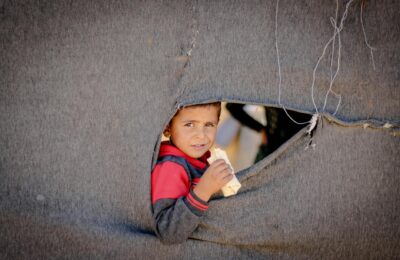
Behind the strategic analysis and economic data lies a human toll that deserves attention in its own right. The 20,000 stranded sailors have become a symbol of the conflict’s humanitarian dimension, but they represent only a fraction of the affected population. Iranian civilians face medicine shortages and economic hardship. Gulf state migrant workers face job losses and uncertainty. Families across the region live with the daily reality of air raid sirens and missile defense activations.
The psychological impact of sustained conflict in a region that had been experiencing cautious optimism, with the Abraham Accords, Vision 2030, and infrastructure development creating narratives of progress, should not be underestimated. The conflict has not merely disrupted economic activity; it has disrupted the sense of possibility that was driving the region’s transformation.
Related Articles
- Middle East Politics Coverage – Stay updated on all geopolitical developments
- Markets & Oil Price Analysis – Track commodities and economic impacts
- The Abraham Accords in 2026: What Survived the Iran War
Frequently Asked Questions
Is the Strait of Hormuz still blocked in April 2026?
Yes. As of early April 2026, the Strait of Hormuz remains under a de facto naval blockade. A narrow humanitarian corridor operates 8 hours per day for food and medical supply vessels, but commercial shipping and oil tankers cannot transit. Approximately 20,000 sailors remain stranded on vessels in the region.
How high are oil prices because of the Iran war?
Brent crude traded at $108 per barrel at the end of March 2026, approximately 44% above pre-conflict levels of around $75 per barrel. The sustained disruption to Gulf shipping has created a structural supply deficit of approximately 2.5 million barrels per day that OPEC+ spare capacity has only partially offset.
Are there any peace negotiations happening?
Several diplomatic channels are active. Oman hosts back-channel discussions between Iranian and Western representatives. China has dispatched a special envoy with a three-phase de-escalation framework. India has engaged Iran bilaterally. However, no formal ceasefire negotiations have begun, and the core demands of both sides remain far apart.
How many sailors are stranded due to the Hormuz blockade?
Approximately 20,000 commercial sailors from over 40 nationalities are stranded aboard vessels. The International Maritime Organization has classified the situation as a humanitarian emergency. Fewer than 1,500 sailors have been repatriated since the humanitarian corridor opened in late March.
What is the humanitarian impact of the Iran war?
The humanitarian toll is multi-dimensional: medicine and food shortages in Iran, migrant worker displacement in Gulf states, increased instability in Iraq and Yemen, and a 12% increase in global food prices. The WHO estimates regional healthcare delivery has degraded by 30-40%. Economic costs to GCC states have exceeded $40 billion.
How is the conflict affecting the global economy?
Oil above $100 per barrel has reignited global inflation. Shipping insurance for Gulf transit has increased 2000%. Supply chains are disrupted as vessels reroute around the Cape of Good Hope. Global GDP growth forecasts have been revised downward by 0.3-0.5 percentage points. Emerging economies in South and Southeast Asia are particularly affected.