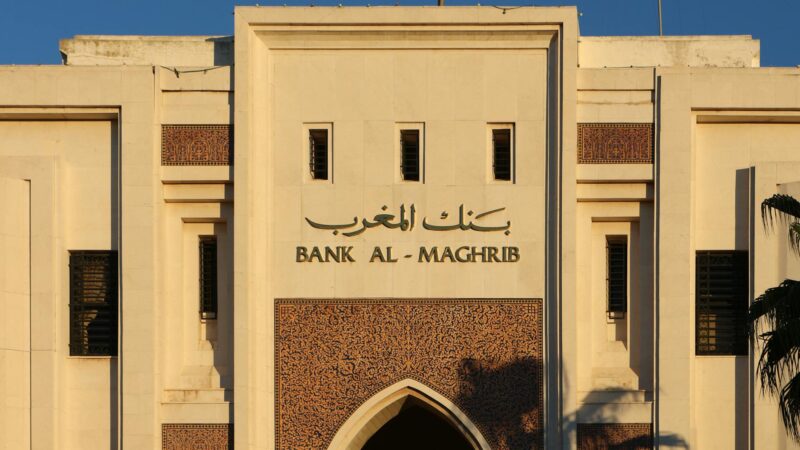
تحول التمويل الإسلامي من قطاع متخصص إلى صناعة عالمية تتجاوز أصولها 4 تريليونات دولار. تقود دول الخليج — وفي مقدمتها السعودية — هذا القطاع، حيث تمثل البنوك الإسلامية نسبة متزايدة من إجمالي الأصول المصرفية في المنطقة. ما الذي يدفع هذا النمو، وكيف يمكن للمستثمر الاستفادة منه؟
مبادئ التمويل الإسلامي
يقوم التمويل الإسلامي على مجموعة من المبادئ المستمدة من الشريعة الإسلامية:
- تحريم الربا (الفائدة): البنوك الإسلامية لا تتعامل بالفائدة التقليدية، بل تستخدم بدائل قائمة على المشاركة في الربح والخسارة
- تحريم الغرر: المعاملات يجب أن تكون واضحة وشفافة بدون مخاطرة مفرطة أو غموض
- الارتباط بأصول حقيقية: كل معاملة مالية يجب أن تكون مرتبطة بنشاط اقتصادي حقيقي
- تحريم الاستثمار في قطاعات محظورة: مثل الكحول والقمار والتبغ
وفقاً لتقارير مجلس الخدمات المالية الإسلامية (IFSB)، فإن هذه المبادئ أنتجت منتجات مالية بديلة أثبتت كفاءتها وجاذبيتها لشريحة واسعة من المستثمرين.

المنتجات المصرفية الإسلامية الرئيسية
- المرابحة: البنك يشتري الأصل ثم يبيعه للعميل بهامش ربح متفق عليه مسبقاً. أكثر المنتجات استخداماً في تمويل المنازل والسيارات
- الإجارة: تأجير الأصل مع خيار التملك — مشابه للتأجير التمويلي لكن بشروط شرعية
- المشاركة: شراكة في الربح والخسارة بين البنك والعميل — تُستخدم في تمويل المشاريع
- المضاربة: المستثمر يقدم رأس المال والبنك يقدم الخبرة والإدارة — يتقاسمان الأرباح
- الاستصناع: تمويل التصنيع أو البناء — يُستخدم في المشاريع الإنشائية الكبرى
سوق الصكوك: السندات الإسلامية
تُعد الصكوك أهم أدوات التمويل الإسلامي في أسواق رأس المال. على عكس السندات التقليدية التي تدفع فائدة، تمنح الصكوك حاملها ملكية جزئية في أصل أو مشروع ونصيباً من أرباحه.
وفقاً لتقارير Reuters وBloomberg، تجاوز حجم سوق الصكوك العالمي 800 مليار دولار، وتتصدر السعودية وماليزيا والإمارات الإصدارات. أبرز الملاحظات:
- إصدارات سيادية: الحكومة السعودية والإماراتية تُصدر صكوكاً بانتظام لتمويل المشاريع التنموية
- إصدارات شركات: شركات مثل أرامكو والراجحي أصدرت صكوكاً بمليارات الدولارات
- طلب دولي: مستثمرون غير مسلمين يشترون الصكوك كأداة تنويع
“الصكوك لم تعد منتجاً متخصصاً — بل أصبحت أداة تمويل رئيسية في أسواق رأس المال العالمية.”
— تقرير S&P Global للتمويل الإسلامي
السعودية: قائدة التمويل الإسلامي عالمياً
تتصدر المملكة العربية السعودية قطاع التمويل الإسلامي عالمياً، حيث تمثل البنوك الإسلامية أكثر من 80% من إجمالي الأصول المصرفية في المملكة وفقاً لبيانات ساما. يتصدر مصرف الراجحي كأكبر بنك إسلامي في العالم من حيث القيمة السوقية.
التمويل الإسلامي مقابل التقليدي
للمستثمر العادي، الفروقات العملية تشمل:
- العائد: المنتجات الإسلامية تقدم عوائد مشابهة للتقليدية — الفرق في الهيكل وليس في النتيجة المالية غالباً
- الاستثمار الأخلاقي: صناديق الاستثمار الإسلامية تستبعد قطاعات معينة، مما يجعلها متوافقة مع معايير ESG
- المخاطر: مبدأ المشاركة في الربح والخسارة يعني مخاطر مختلفة عن القروض التقليدية
التكنولوجيا المالية الإسلامية
الجمع بين التكنولوجيا المالية والتمويل الإسلامي يخلق فرصاً جديدة: منصات تمويل جماعي إسلامي، تطبيقات استثمار متوافقة مع الشريعة، وحلول دفع رقمية. هذا القطاع يجذب استثمارات متزايدة وفقاً لتقارير MAGNiTT.
الخلاصة
التمويل الإسلامي ليس مجرد بديل أخلاقي — بل صناعة مالية ناضجة تقدم منتجات تنافسية وفرصاً استثمارية حقيقية. سوق الصكوك المتنامي والبنوك الإسلامية القوية في الخليج توفر خيارات متنوعة للمستثمر الذي يبحث عن عوائد جيدة ضمن إطار متوافق مع الشريعة.
هذا المقال لأغراض تعليمية فقط ولا يُعتبر نصيحة مالية. استشر مستشاراً مالياً مرخصاً قبل اتخاذ أي قرار استثماري.