As Eid al-Fitr approaches at the end of March 2026, attention turns to the scale of consumer spending and its impact on Gulf financial markets and the retail sector. The Ramadan-Eid season represents the largest consumer spending period in the Middle East and North Africa region, with total expenditures estimated at more than $60 billion across the region — a figure that exceeds Western holiday season spending relative to economic size.
Expected Spending Figures for Eid al-Fitr 2026
Research and consulting firm projections indicate that consumer spending in GCC countries during the Eid al-Fitr 2026 season will register growth of 8-12% compared to the previous year, driven by several factors:
- Population and tourism growth: Gulf states continue to attract increasing numbers of tourists and residents, expanding the consumer base. The GCC population surpassed 60 million in 2026.
- Government stimulus programs: Gulf governments continue injecting massive public spending under economic diversification visions, supporting consumer income.
- E-commerce: The region’s e-commerce sector growing at over 25% annually adds a new dimension to the holiday season.
At the country level, Saudi Arabia and the UAE are expected to lead consumer spending with more than 70% of total Gulf expenditure, followed by Qatar, Kuwait, Bahrain, and Oman.

Retail Sector: The Big Winners
The Eid al-Fitr season represents a golden period for Gulf retail. Historical data indicates that retail sales rise between 30% and 50% during the last two weeks of Ramadan and the first week of Eid compared to the monthly average.
The sub-sectors benefiting most:
- Fashion and apparel: Sales surge 40-60%, driven by the tradition of purchasing new Eid clothing. Luxury brands like Zara, H&M, and major shopping malls record their highest annual sales during this period.
- Electronics: Smartphone and electronics sales rise 25-35%, especially with season-linked promotional offers.
- Gifts and confectionery: The gifts, chocolate, and Arabic sweets sector registers growth exceeding 50% during Eid week.
- Restaurants and hospitality: Restaurant bookings increase 35-45% during Eid days, with growing preference for upscale dining and premium food experiences.
Travel and Tourism: Strong Seasonal Revival
Eid al-Fitr is the region’s second-largest travel season after summer. Airline and booking platform data reveal notable trends in March 2026:
- Domestic flight bookings: Up 18% compared to Eid al-Fitr 2025, with destinations like Jeddah and Madinah in Saudi Arabia leading.
- International travel: Turkey, Malaysia, Georgia, and the Maldives top the preferred destination list for Gulf tourists, with bookings up 22%.
- Saudi domestic tourism: New entertainment projects under Vision 2030 — such as Riyadh Season and the Red Sea project — attract growing numbers of travelers who traditionally headed abroad.
- Gulf hotels: Expected occupancy rates during Eid week exceed 85% in Dubai, Abu Dhabi, and Doha, with average nightly rates up 30-40% compared to regular weeks.
Gulf Stock Markets: Historical Patterns
Historical data reveals intriguing patterns in Gulf stock market performance during the Eid al-Fitr period:
- Pre-Eid: Markets typically experience a slight decline in trading volumes during Ramadan’s final week, as investors tend toward caution and position reduction before the holiday.
- Eid holiday: Gulf stock exchanges close for 3 to 5 days during Eid al-Fitr — a period during which geopolitical or economic developments may occur that affect prices upon reopening.
- Post-Eid: Historically, Gulf markets have posted average gains of 1.5% to 3% in the two weeks following Eid al-Fitr, driven by seasonal optimism and returning liquidity.
However, in 2026, several factors could complicate this traditional pattern:
- Geopolitical tensions related to the Iranian-Israeli file could overshadow seasonal optimism.
- Globally elevated interest rates reduce equities’ attractiveness compared to fixed-income instruments.
- The performance of China’s economy — the Gulf’s largest trading partner — will influence oil demand and trade expectations.
E-Commerce: The Quiet Revolution
The Eid al-Fitr 2026 season is witnessing a notable shift toward digital shopping. Reports estimate that e-commerce’s share of total retail sales during the Eid season will reach approximately 18-22% in GCC countries, compared to just 12% in 2023.
Leading regional platforms such as noon.com, Amazon.sa, and Namshi are launching massive promotional campaigns, while delivery companies like Talabat and Careem invest in expanding their logistics capabilities to meet surging demand.
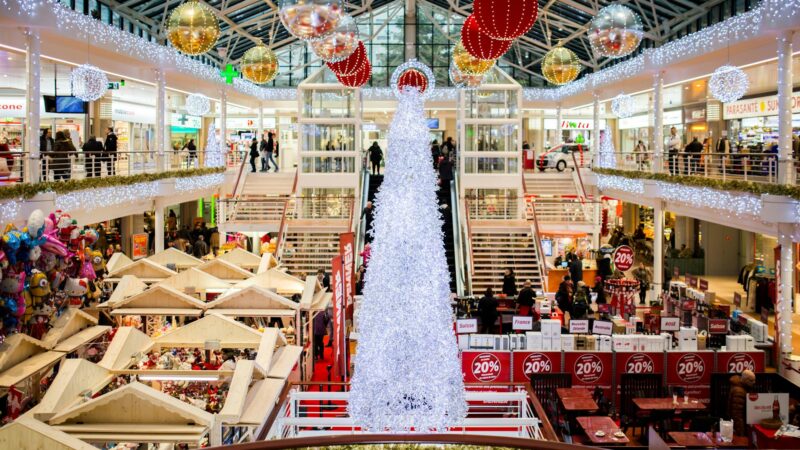
This shift carries significant implications for traditional retail, as shopping malls face increasing pressure to transition from a sales model to an “experience” model combining shopping, entertainment, and dining.
Investment Sectors to Watch
For investors, the Eid al-Fitr 2026 season presents opportunities in specific sectors:
- Retail stocks: Companies like Jarir, Al Hokair, Majid Al Futtaim, and LuLu directly benefit from rising consumer spending.
- Banks: Rising credit card and point-of-sale spending supports fee-based banking revenues.
- Telecommunications: Increased data and communication consumption during the holiday season supports telecom revenues.
- Aviation and tourism: Airlines like flynas, flydubai, and Qatar Airways achieve their highest seasonal revenues.
Outlook
The Eid al-Fitr 2026 season remains a genuine test of the Gulf consumer economy’s resilience amid a turbulent geopolitical environment and elevated interest rates. Early indicators are positive, with expectations of record spending across most sectors. However, prudent investors will closely monitor actual sales volumes against projections and the sustainability of consumer momentum after the season concludes.
The decisive factor will be the extent to which regional tensions affect consumer confidence. Historically, the Gulf consumer has demonstrated notable resilience in maintaining spending patterns during holidays even in uncertain times, but the current escalation tests this resilience in unprecedented ways.
Follow The Middle East Insider for analysis on Gulf market performance during and after the Eid al-Fitr 2026 season.