يقف العراق على أعتاب تحول تاريخي في قطاع الطاقة والنفط، حيث تتدفق استثمارات ضخمة تقدّر بنحو 50 مليار دولار لتحديث البنية التحتية النفطية في البلاد — من حقول البصرة العملاقة في الرميلة وغرب القرنة، إلى صفقة توتال إنرجيز (TotalEnergies) لالتقاط الغاز بقيمة 27 مليار دولار، مروراً بتحديث المصافي وبناء خطوط أنابيب استراتيجية جديدة. يمتلك العراق خامس أكبر احتياطيات نفطية مؤكدة في العالم بأكثر من 145 مليار برميل وفقاً لبيانات منظمة أوبك، لكنه لم يستغل سوى جزء بسيط من إمكاناته الحقيقية بسبب عقود من الحروب والعقوبات والإهمال المؤسسي والفساد. يستعرض هذا التقرير التحليلي الشامل كيف يمكن لهذه الاستثمارات الضخمة أن تُطلق الإمكانات الكاملة للعراق ليصبح قوة نفطية عالمية من الدرجة الأولى، مع تحليل التحديات الجيوسياسية والتقنية والمؤسسية التي تقف في الطريق.
حقول البصرة العملاقة: الرميلة وغرب القرنة وقلب الإنتاج العراقي
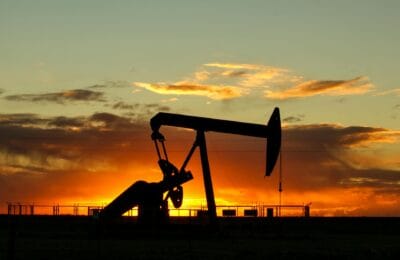
تُمثّل حقول البصرة النفطية في جنوب العراق العمود الفقري لصناعة النفط العراقية، حيث تُنتج أكثر من 70% من إجمالي الإنتاج النفطي للبلاد. ويُعد حقل الرميلة — الذي تُشغّله شراكة بين شركة BP البريطانية وشركة نفط الجنوب العراقية — أحد أكبر الحقول النفطية في العالم، بطاقة إنتاجية تتجاوز 1.5 مليون برميل يومياً، ويحتوي على احتياطيات مؤكدة تُقدّر بنحو 17 مليار برميل.
أما مجمع غرب القرنة فيُقسّم إلى مرحلتين رئيسيتين:

- غرب القرنة-1: يُشغّله تحالف تقوده شركة إكسون موبيل (ExxonMobil) بالشراكة مع بتروتشاينا، وتبلغ طاقته الإنتاجية الحالية نحو 500,000 برميل يومياً مع خطط لرفعها إلى 850,000 برميل.
- غرب القرنة-2: يُشغّله تحالف تقوده شركة لوك أويل (Lukoil) الروسية، وقد بلغ إنتاجه 400,000 برميل يومياً مع احتياطيات مؤكدة تتجاوز 12 مليار برميل.
لكن رغم هذه الأرقام الضخمة، تعاني هذه الحقول من بنية تحتية متقادمة يعود بعضها إلى سبعينيات وثمانينيات القرن الماضي. ووفقاً لتقرير وكالة الطاقة الدولية (IEA)، يحتاج العراق إلى استثمارات تتراوح بين 20 و30 مليار دولار في حقول البصرة وحدها لرفع الطاقة الإنتاجية من المستوى الحالي البالغ نحو 4.6 مليون برميل يومياً إلى الهدف الطموح المتمثل في 6 ملايين برميل يومياً بحلول نهاية العقد. وتشمل التحديات أنظمة حقن المياه المتهالكة التي تُعد ضرورية للحفاظ على ضغط المكامن، وشبكات الأنابيب الداخلية المتآكلة، ومحطات المعالجة والفصل القديمة التي تحدّ من القدرة على تصدير النفط بالكميات المثلى.
“العراق يمتلك الجيولوجيا المثالية لإنتاج نفطي ضخم بتكلفة منخفضة — المشكلة لم تكن يوماً في باطن الأرض، بل في البنية التحتية فوقها وفي المنظومة المؤسسية التي تُديرها. إذا نجح العراق في تحديث بنيته التحتية النفطية، فسيكون قادراً على منافسة السعودية من حيث تكلفة الإنتاج.”
— تقرير S&P Global Platts حول مستقبل الإنتاج العراقي
صفقة توتال إنرجيز بقيمة 27 مليار دولار: التقاط الغاز وإنهاء الحرق
تُمثّل صفقة توتال إنرجيز الموقّعة مع الحكومة العراقية أكبر اتفاقية استثمار أجنبي مباشر في تاريخ العراق الحديث، بقيمة إجمالية تبلغ 27 مليار دولار موزعة على عدة مشاريع متكاملة. ووفقاً لما أوردته وكالة رويترز، تشمل الصفقة أربعة محاور رئيسية:
- مشروع التقاط الغاز المصاحب: يهدف إلى التقاط ومعالجة الغاز المصاحب لإنتاج النفط في حقول جنوب العراق بدلاً من حرقه في المشاعل، بطاقة معالجة تصل إلى 600 مليون قدم مكعب قياسي يومياً.
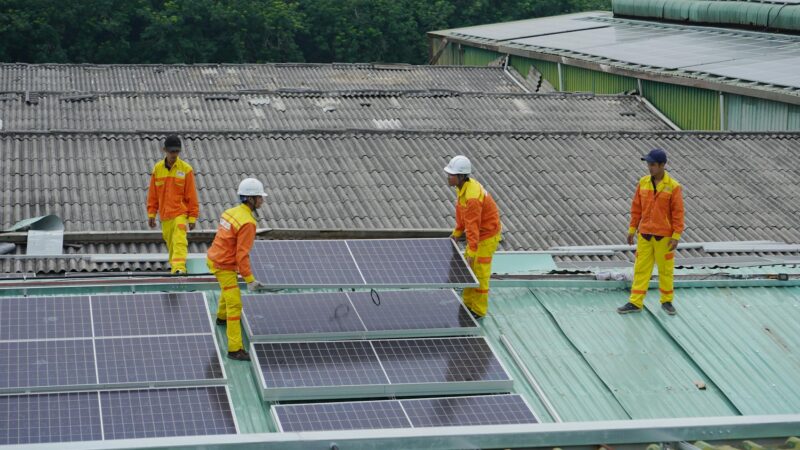
- محطة طاقة شمسية: بقدرة 1,000 ميغاواط لتوفير الكهرباء للعمليات الصناعية وتقليل الاعتماد على الغاز المستورد.
- مشروع معالجة مياه البحر: لتوفير المياه اللازمة لعمليات حقن المكامن النفطية — وهو مشروع حيوي للحفاظ على معدلات الإنتاج في حقول البصرة.
- تطوير حقل أرطاوي: لاستخراج الغاز الحر غير المصاحب من حقل أرطاوي في محافظة الأنبار.
يُعد حرق الغاز المصاحب (Gas Flaring) من أكبر التحديات البيئية والاقتصادية التي يواجهها العراق. ووفقاً لبيانات البنك الدولي، يحتل العراق المرتبة الثانية عالمياً بعد روسيا في حجم الغاز المحروق، حيث يحرق نحو 17 مليار متر مكعب سنوياً — أي ما يُعادل قيمة تتجاوز 5 مليارات دولار من الغاز المهدور. ولا تقتصر خسائر الحرق على الجانب الاقتصادي فحسب، بل تُسهم في انبعاثات ثاني أكسيد الكربون بما يُعادل 40 مليون طن سنوياً، مما يضع العراق تحت ضغوط دولية متزايدة لتقليل بصمته الكربونية.
وأشار تقرير Bloomberg Energy إلى أن نجاح صفقة توتال إنرجيز سيكون بمثابة نقطة تحول ليس فقط لقطاع الطاقة العراقي، بل لمنظومة الاستثمار الأجنبي بأكملها في البلاد. فمشروع التقاط الغاز وحده يمكن أن يُوفّر ما يكفي من الغاز الطبيعي لتوليد 4,500 ميغاواط من الكهرباء — وهو ما يُمثّل نحو ربع العجز الحالي في شبكة الكهرباء العراقية التي تُعاني من انقطاعات مزمنة، خاصة خلال أشهر الصيف الحارقة.
حصة أوبك+ وقيود الإنتاج: التوازن بين الالتزام والطموح
يواجه العراق معادلة صعبة بين طموحاته لزيادة الإنتاج والتزاماته ضمن اتفاقية أوبك+ لخفض الإنتاج. فبينما يسعى العراق لرفع طاقته الإنتاجية إلى 6 ملايين برميل يومياً، تُلزمه حصة أوبك+ بإنتاج لا يتجاوز نحو 4 ملايين برميل يومياً — وهو مستوى يقل كثيراً عن طاقته الفعلية. وقد واجه العراق انتقادات متكررة من المحللين المتابعين لسوق النفط العالمي بسبب تجاوزه المتكرر لحصته المقررة.
ووفقاً لتقارير S&P Global Platts، تجاوز العراق حصته الإنتاجية بمعدل 200,000 إلى 400,000 برميل يومياً خلال عدة أشهر من عامي 2024 و2025، مما أثار توترات مع السعودية التي تتحمل العبء الأكبر من تخفيضات الإنتاج الطوعية. وقد التزم العراق لاحقاً بتقديم خطة تعويضات عن الإنتاج الزائد، تتضمن خفض إنتاجه إلى ما دون حصته المقررة لعدة أشهر.
تتمثل المفارقة في أن العراق يحتاج بشدة إلى عائدات نفطية أعلى لتمويل ميزانيته الحكومية التي تعتمد على النفط بنسبة تتجاوز 90%. ومع تذبذب أسعار النفط، يجد العراق نفسه أمام خيارين كلاهما مُكلف: إما الالتزام الصارم بحصة أوبك+ والقبول بعجز مالي مُتزايد، أو تجاوز الحصة والمخاطرة بتقويض تحالف أوبك+ وانهيار الأسعار. ووفقاً لتقديرات البنك الدولي، يحتاج العراق إلى سعر نفط يتراوح بين 70 و80 دولاراً للبرميل لتحقيق التوازن في ميزانيته الحكومية.
لكن الاستثمار في البنية التحتية الآن — حتى في ظل قيود الإنتاج — يُعد خطوة استراتيجية ذكية. فعندما تتيح ظروف السوق أو اتفاقيات أوبك+ زيادة الإنتاج مستقبلاً، سيكون العراق مُستعداً للاستجابة السريعة بدلاً من أن يجد نفسه مُقيّداً ببنية تحتية عاجزة عن مواكبة الطلب. كما أن التحولات في سياسات أوبك+ تجاه إنتاج النفط تُشير إلى مرونة متزايدة قد تستفيد منها الدول ذات الاحتياطيات الكبيرة كالعراق.
الهيمنة الصينية على الاستثمارات: بكين تُعزز نفوذها في قطاع النفط العراقي
برزت الصين بشكل لافت كأكبر مستثمر أجنبي في قطاع النفط العراقي، حيث تُشغّل الشركات الصينية أو تُشارك في تشغيل أكثر من نصف الحقول النفطية الرئيسية في البلاد. ووفقاً لتقرير وكالة الطاقة الدولية، تشمل الحضور الصيني الرئيسي في العراق:
- شركة بتروتشاينا (PetroChina): شريك رئيسي في تطوير حقلي الرميلة وحلفاية، وتُعد الشركة الصينية الأكثر نشاطاً في العراق.
- شركة CNOOC: تُشغّل حصة كبيرة في حقل ميسان في جنوب العراق.
- شركة ZhenHua Oil: استحوذت على حصص في عدة حقول نفطية عراقية.
- شركة Sinopec: تُشارك في عمليات خدمات حقلية واستكشافية متعددة.
- شركة CPECC: تُنفذ مشاريع بنية تحتية نفطية كبرى في جنوب العراق.
وأشارت Bloomberg إلى أن الصين أصبحت تستورد أكثر من 1.5 مليون برميل يومياً من النفط العراقي — أي نحو ثلث الإنتاج الإجمالي للعراق — مما يجعل العلاقة بين البلدين تكافلية بعمق: العراق يحتاج الاستثمارات والتقنية الصينية، والصين تحتاج النفط العراقي لتأمين إمداداتها من الطاقة.
لكن هذه الهيمنة الصينية تُثير قلقاً لدى بعض المراقبين. فمن جهة، قدّمت الشركات الصينية شروطاً مالية تنافسية وأظهرت استعداداً للعمل في بيئات أمنية صعبة تجنّبتها شركات غربية كثيرة. ومن جهة أخرى، تُشير تقارير S&P Global Platts إلى أن بعض العقود الصينية تتضمن شروطاً أقل صرامة من حيث نقل التقنية وتوظيف الكوادر المحلية والمعايير البيئية، مما يُثير تساؤلات حول الفائدة طويلة الأمد للعراق. كما أن الاعتماد المفرط على مستثمر واحد يُعرّض العراق لمخاطر التبعية الجيوسياسية في حال تدهور العلاقات الأمريكية-الصينية.
“الصين لا تشتري النفط العراقي فحسب — إنها تُعيد تشكيل البنية التحتية النفطية العراقية بأكملها وفق رؤيتها الاستراتيجية لأمن الطاقة. هذا الحضور العميق يمنح بكين نفوذاً جيوسياسياً هائلاً في بلد يقع في قلب الشرق الأوسط.”
— تحليل Reuters حول الاستثمارات الصينية في العراق
خطوط الأنابيب الاستراتيجية: العراق-تركيا والبصرة-العقبة ومعادلة التصدير
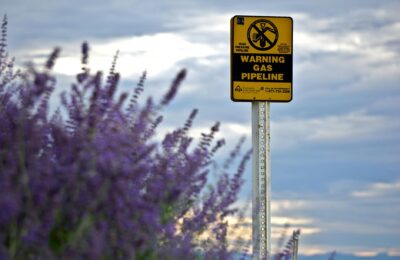
تُعد البنية التحتية لخطوط الأنابيب حجر الزاوية في قدرة العراق على تحويل احتياطياته النفطية الهائلة إلى عائدات فعلية. ويواجه العراق تحديات كبيرة في هذا المجال، أبرزها إعادة تشغيل خط أنابيب العراق-تركيا (كركوك-جيهان) وبناء بدائل تصديرية جديدة:
خط أنابيب العراق-تركيا (كركوك-جيهان):
- يمتد لمسافة 970 كيلومتراً من حقول كركوك شمال العراق إلى ميناء جيهان التركي على البحر المتوسط.
- توقّف الخط عن العمل منذ مارس 2023 بعد قرار هيئة تحكيم دولية أمرت تركيا بدفع تعويضات للعراق بسبب تصدير نفط إقليم كردستان دون موافقة بغداد.
- كلّف التوقف العراق خسائر تُقدّر بأكثر من 8 مليارات دولار من العائدات النفطية المُعطّلة وفقاً لتقديرات وزارة النفط العراقية.
- تجري مفاوضات مكثفة بين بغداد وأنقرة وأربيل لاستئناف التشغيل، لكن القضايا القانونية والسياسية المعقدة تُبطئ التقدم.
خط أنابيب البصرة-العقبة:
- مشروع استراتيجي مُقترح لربط حقول البصرة في جنوب العراق بميناء العقبة الأردني على البحر الأحمر.
- يمتد لمسافة تقارب 1,700 كيلومتر بطاقة نقل تصل إلى مليون برميل يومياً.
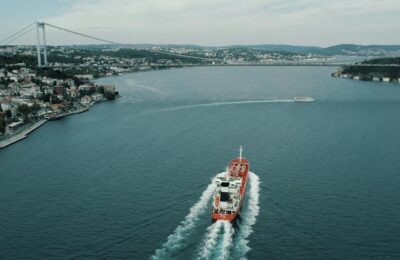
- يُوفّر للعراق منفذ تصدير بديل يُقلل الاعتماد على مضيق هرمز — وهو نقطة اختناق جيوسياسية حرجة يمر عبرها نحو 20% من إمدادات النفط العالمية.
- واجه المشروع تأخيرات متكررة بسبب التكاليف الباهظة المُقدّرة بأكثر من 18 مليار دولار والتعقيدات الأمنية والسياسية عبر المناطق التي يمر بها.
وأشار تقرير وكالة الطاقة الدولية إلى أن تنويع مسارات التصدير العراقية يُعد أولوية أمن طاقة وطنية، حيث يعتمد العراق حالياً بشكل شبه كامل على ميناء البصرة النفطي في الجنوب لتصدير معظم إنتاجه — مما يجعله عرضة لأي اضطراب في منطقة الخليج العربي. كما يتقاطع مشروع خط البصرة-العقبة مع مشروع طريق التنمية (Development Road) الطموح الذي يهدف لربط العراق بتركيا وأوروبا عبر شبكة سكك حديدية وطرق سريعة، مما يُعزز موقع العراق كممر لوجستي استراتيجي بين اقتصادات الخليج وأسواق أوروبا.
الكهرباء من الغاز: إنهاء الاعتماد على الواردات الإيرانية
يُعاني العراق من أزمة كهرباء مزمنة تُعد من أخطر التحديات الاقتصادية والاجتماعية في البلاد. فرغم أن العراق يحرق مليارات الأمتار المكعبة من الغاز سنوياً، إلا أنه يستورد في الوقت ذاته الغاز والكهرباء من إيران لسد العجز في شبكته الكهربائية. ووفقاً لتقارير Reuters، يستورد العراق نحو 40-50 مليون متر مكعب يومياً من الغاز الإيراني لتشغيل محطات توليد الكهرباء، بتكلفة سنوية تتراوح بين 3 و5 مليارات دولار.
يخلق هذا الاعتماد ثغرة جيوسياسية خطيرة، حيث تستخدم إيران ورقة الغاز والكهرباء كأداة نفوذ سياسي — فكثيراً ما تقطع الإمدادات أو تُقلّصها في أوقات التوتر السياسي أو عند تأخر المدفوعات العراقية. كما أن العقوبات الأمريكية على إيران تُعقّد عملية الدفع وتُعرّض العراق لخطر العقوبات الثانوية.
يُمثّل التقاط الغاز المصاحب — المحور الرئيسي لصفقة توتال إنرجيز — الحل الأمثل لهذه المعادلة المعقدة. فبدلاً من حرق الغاز وتبديد ثروة وطنية ثم استيراد غاز من الخارج، يمكن للعراق أن:
- يُحوّل الغاز المُلتقط إلى كهرباء عبر محطات توليد بالدورة المُركّبة بكفاءة عالية.
- يُقلّص فاتورة الاستيراد من إيران تدريجياً حتى الوصول إلى الاكتفاء الذاتي.
- يُوفّر غازاً إضافياً للصناعات البتروكيماوية ذات القيمة المضافة العالية.
- يُخفّض انبعاثات الكربون بشكل كبير تماشياً مع الالتزامات المناخية الدولية.
وأشار تقرير البنك الدولي إلى أنه إذا نجح العراق في التقاط 75% من الغاز المحروق حالياً، فسيتمكن من توليد ما يكفي من الكهرباء لسد 80% من عجز الشبكة الحالي — وهو ما سيُحدث تحولاً جذرياً في حياة المواطنين الذين يعانون من انقطاعات تصل إلى 12-18 ساعة يومياً في فصل الصيف. كما أن وفر فاتورة الاستيراد وحده سيُتيح إعادة توجيه مليارات الدولارات نحو البنية التحتية والخدمات العامة.
تحديث المصافي والقيمة المضافة: من تصدير الخام إلى تكرير المنتجات
يُصدّر العراق الجزء الأعظم من نفطه في صورة خام غير مُكرّر، ثم يستورد المنتجات النفطية المُكررة كالبنزين والديزل بتكلفة باهظة — وهو نموذج اقتصادي غير مستدام يُهدر القيمة المضافة المحلية. ووفقاً لبيانات وزارة النفط العراقية، تبلغ الطاقة التكريرية الفعلية للعراق نحو 800,000 برميل يومياً — وهي غير كافية لتلبية الطلب المحلي المتزايد.
تتضمن خطة تحديث المصافي عدة مشاريع رئيسية:
- مصفاة الفاو الكبرى: بطاقة تكريرية تصل إلى 300,000 برميل يومياً، وتُعد أكبر مشروع تكرير في تاريخ العراق. واجهت تأخيرات متكررة لكنها تحظى بأولوية حكومية قصوى.
- تحديث مصفاة البصرة: رفع طاقتها من 210,000 إلى 280,000 برميل يومياً مع تحسين جودة المنتجات لتتوافق مع المعايير البيئية الحديثة.
- تحديث مصفاة بيجي: أكبر مصفاة في شمال العراق، التي تعرضت لأضرار جسيمة خلال الحرب ضد تنظيم داعش، وتجري أعمال إعادة تأهيلها لرفع طاقتها إلى 350,000 برميل يومياً.
- مصافي صغيرة ومتوسطة: مشاريع تكرير إقليمية في محافظات كربلاء وذي قار وميسان لخدمة الطلب المحلي.
وأشار تقرير Bloomberg إلى أن رفع الطاقة التكريرية العراقية إلى 1.5 مليون برميل يومياً بحلول 2030 سيُوفّر على العراق ما يتراوح بين 4 و6 مليارات دولار سنوياً من فاتورة استيراد المنتجات المُكررة، مع إمكانية تصدير الفائض إلى الأسواق الإقليمية. كما سيُوفّر قطاع التكرير آلاف فرص العمل المباشرة وغير المباشرة في بلد يعاني من معدل بطالة مرتفع بين الشباب يتجاوز 30% وفقاً لتقديرات البنك الدولي.
نزاعات نفط إقليم كردستان: بغداد وأربيل ومعادلة الثروة النفطية
يُمثّل النزاع بين بغداد وحكومة إقليم كردستان حول إدارة الموارد النفطية أحد أعقد التحديات السياسية والقانونية التي تُعرقل تطوير قطاع النفط العراقي بكامل طاقته. وقد أصدرت المحكمة الاتحادية العليا في العراق حكماً في فبراير 2022 قضى بعدم دستورية قانون النفط والغاز لإقليم كردستان، مما أعاد السيطرة النظرية على الموارد النفطية في الإقليم إلى الحكومة الاتحادية.
تتشعب أبعاد هذا النزاع على عدة محاور:
- الإنتاج والتصدير: كان إقليم كردستان يُنتج نحو 450,000 برميل يومياً ويُصدّرها بشكل مستقل عبر خط أنابيب كركوك-جيهان إلى تركيا. وبعد حكم المحكمة وتوقف الخط، انخفض الإنتاج بشكل كبير.
- العقود النفطية: أبرم الإقليم عقوداً مع شركات دولية عديدة — بما في ذلك شيفرون وDNO النرويجية وجينيل إنرجي — لم تعترف بها بغداد، مما خلق وضعاً قانونياً معقداً.
- تقاسم العائدات: ينص الدستور العراقي على توزيع عائدات النفط بين الحكومة الاتحادية والأقاليم، لكن آلية التوزيع لا تزال موضع خلاف حاد.
- الحقول المتنازع عليها: تقع حقول نفطية كبرى — بما فيها حقول كركوك — في مناطق تُصنّف بأنها “متنازع عليها” بموجب المادة 140 من الدستور.
ووفقاً لتقرير Reuters، كلّف هذا النزاع العراق خسائر تراكمية تُقدّر بعشرات المليارات من الدولارات من الإنتاج المُعطّل والاستثمارات المُجمّدة والفرص الضائعة. ويرى محللون في وكالة فيتش للتصنيف الائتماني أن حل هذا النزاع بشكل نهائي يمكن أن يُضيف 500,000 إلى 700,000 برميل يومياً إلى الإنتاج العراقي الإجمالي — أي عائدات إضافية تتجاوز 15 مليار دولار سنوياً بأسعار النفط الحالية.
مشروع طريق التنمية: العراق كممر لوجستي بين الخليج وأوروبا
يُمثّل مشروع طريق التنمية (Development Road) رؤية استراتيجية طموحة تتجاوز قطاع النفط لتُعيد تموضع العراق كـممر لوجستي عالمي يربط دول الخليج العربي بتركيا وأوروبا. ويتضمن المشروع — الذي تُقدّر تكلفته بنحو 17 مليار دولار — إنشاء:
- خط سكك حديدية: بطول 1,200 كيلومتر يمتد من ميناء الفاو الكبير في أقصى جنوب العراق إلى الحدود التركية شمالاً.
- طريق سريع مُوازٍ: يربط نفس النقاط ويُوفّر شبكة نقل بري متكاملة.
- مناطق صناعية ولوجستية: على طول المسار لتحفيز التنمية الاقتصادية في المحافظات التي يمر بها.
- ميناء الفاو الكبير: الذي يجري بناؤه بتكلفة تتجاوز 5 مليارات دولار ليصبح أحد أكبر موانئ المنطقة.
يتقاطع مشروع طريق التنمية بشكل وثيق مع تحديث البنية التحتية النفطية. فخط السكك الحديدية وشبكة الطرق يمكن أن تُستخدم لنقل المعدات والمواد اللازمة لمشاريع الطاقة، كما أن ميناء الفاو سيُعزز قدرات التصدير النفطي العراقي. ووفقاً لتحليلات Bloomberg، يمكن لمشروع طريق التنمية أن يُقلّص زمن نقل البضائع من الخليج إلى أوروبا بنسبة 40% مقارنة بقناة السويس، مما يجعل العراق بديلاً لوجستياً جذاباً.
لكن المشروع يواجه تحديات كبيرة تشمل الأمن في المناطق التي يمر بها والتمويل والاستقرار السياسي اللازم لاستمرارية مشروع بهذا الحجم عبر عدة دورات حكومية. كما أن نجاح المشروع يعتمد على التنسيق مع تركيا التي تُمثّل الامتداد الطبيعي لهذا الممر نحو أوروبا — وهو تنسيق يتأثر بعلاقات متقلبة بين البلدين خاصة فيما يتعلق بالملف الكردي. ويرى خبراء التنويع الاقتصادي في المنطقة أن مشروع طريق التنمية — إذا نجح — يمكن أن يُمثّل نموذجاً عراقياً فريداً للتحول من الاعتماد الكُلي على النفط إلى اقتصاد متنوع قائم على الخدمات اللوجستية والتجارة والصناعة.
التصنيف الائتماني والمخاطر المؤسسية: ما يراه المستثمرون الدوليون
يُعد التصنيف الائتماني للعراق مؤشراً حاسماً على قدرة البلاد في استقطاب الاستثمارات اللازمة لتحديث بنيتها التحتية النفطية. وتُصنّف وكالتا فيتش (Fitch) وموديز (Moody’s) العراق عند درجة B- مع نظرة مستقبلية مستقرة — وهي درجة تعكس المخاطر المرتفعة لكنها تُشير إلى اعتراف بالتحسن التدريجي في الأوضاع الاقتصادية والمالية.
تُحدد وكالات التصنيف عدة عوامل رئيسية تؤثر على جاذبية العراق الاستثمارية:
- الاعتماد المفرط على النفط: تمثّل عائدات النفط أكثر من 90% من إيرادات الحكومة و99% من الصادرات، مما يجعل الاقتصاد شديد الحساسية لتقلبات الأسعار العالمية.
- الحوكمة والفساد: يحتل العراق مرتبة متأخرة في مؤشرات الشفافية والحوكمة، ويُعد الفساد عائقاً رئيسياً أمام الاستثمار.
- الأمن: رغم التحسن الملحوظ منذ هزيمة داعش، لا تزال المخاطر الأمنية قائمة في بعض المناطق.
- البيروقراطية: تُعد الإجراءات البيروقراطية المعقدة وبيئة الأعمال الصعبة من أبرز شكاوى المستثمرين الأجانب.
- الاستقرار السياسي: تُنتج الديناميكيات السياسية الطائفية حكومات ائتلافية هشة تُصعّب اتخاذ القرارات الاستراتيجية طويلة الأمد.
ومع ذلك، يُشير تقرير Moody’s إلى عدة عوامل إيجابية تشمل: الاحتياطيات النفطية الضخمة التي تضمن إيرادات طويلة الأمد، وتكلفة الإنتاج المنخفضة (أقل من 5 دولارات للبرميل في أغلب الحقول)، والديون الخارجية المحدودة نسبياً، والاحتياطيات النقدية المتنامية لدى البنك المركزي. كما أن نجاح صفقة توتال إنرجيز وعودة خط أنابيب كركوك-جيهان للعمل يمكن أن يُسهما في تحسين التصنيف الائتماني، مما يفتح الباب أمام تمويل أرخص للمشاريع الضخمة.
في السياق الأوسع، يقف العراق عند مفترق طرق تاريخي. فالبلاد تمتلك كل المقومات الطبيعية لتصبح قوة نفطية من الدرجة الأولى — احتياطيات هائلة، تكلفة إنتاج منخفضة، وموقع جغرافي استراتيجي. لكن تحويل هذه المقومات إلى واقع يتطلب أكثر من مجرد 50 مليار دولار من الاستثمارات: يتطلب إصلاحاً مؤسسياً جذرياً، وبيئة تنظيمية شفافة، واستقراراً سياسياً كافياً لتنفيذ مشاريع تمتد لعقود. إذا نجح العراق في هذا التحدي، فسيُعيد رسم خريطة الطاقة العالمية. وإذا فشل، فسيبقى أسير إمكاناته المُهدرة — بلد غني بالنفط لكنه فقير بالبنية التحتية اللازمة لاستخراج ثروته وتحويلها إلى رفاهية لمواطنيه.
وتُشير التقديرات المُجمّعة من وكالة الطاقة الدولية وS&P Global Platts إلى أنه في حال نجاح مسار التحديث بالكامل، يمكن للعراق أن يرفع إنتاجه إلى 7 ملايين برميل يومياً بحلول 2035، وأن يُحقق اكتفاءً ذاتياً من الغاز والكهرباء، وأن يُنشئ قطاع تكرير وبتروكيماويات يُضاعف القيمة المضافة المحلية، وأن يُنوّع اقتصاده تدريجياً عبر مشاريع إعادة الإعمار والتنمية الممولة من عائدات نفطية متنامية ومستدامة. الطريق طويل وشاق، لكن الجائزة — إطلاق الإمكانات الكاملة لبلد يمتلك ثروات هائلة — تستحق كل استثمار وجهد.
إخلاء مسؤولية: هذا المقال لأغراض إعلامية وتحليلية فقط ولا يُعتبر نصيحة استثمارية أو مالية. المعلومات الواردة مبنية على مصادر عامة متاحة بما في ذلك تقارير وكالة الطاقة الدولية (IEA) ومنظمة أوبك والبنك الدولي ووكالة رويترز وبلومبرغ وS&P Global Platts ووكالات التصنيف الائتماني فيتش وموديز ووزارة النفط العراقية، وقد لا تعكس أحدث التطورات. يُرجى الرجوع إلى المصادر الرسمية للحصول على أحدث البيانات. لا يتحمل موقع The Middle East Insider أي مسؤولية عن أي قرارات تُتخذ بناءً على المعلومات الواردة في هذا المقال.