سوق دبي المالي المعروف بين المتداولين باسم DFM هو الأصغر والأكثر سهولة في الوصول بين بورصتي الأسهم في الإمارات. بقيمة سوقية تبلغ نحو 700 مليار درهم — حوالي 190 مليار دولار أمريكي اعتباراً من أبريل 2026 — فهو جزء من السوق المالية السعودية تداول ويقف خلف سوق أبوظبي ADX من حيث الحجم الإجمالي. ومع ذلك، بالنسبة لمجموعة محددة من حالات استخدام المستثمرين الأجانب — التعرض لدورة العقارات في دبي، والمصارف الإسلامية، والتدفق النقدي للبنية التحتية المنظمة، ومجموعة توزيعات الأرباح للطروحات الأولية بعد 2022 — لا يوجد بديل عن بند DFM. هذا دليل عملي بصوت محلل السوق حول ما يجب امتلاكه، وكيفية الوصول إليه، وما هي التفاصيل التشغيلية المهمة.
يعكس الهيكل التالي كيف يفكر مدير المحفظة النشط فعلياً في السوق. أولاً، خريطة السوق: الحجم والمؤشر وأوزان القطاعات. ثانياً، آليات الوصول — حساب NIN والوسطاء المرخصون وقنوات البنوك التي يستخدمها مستثمرو التجزئة عادة. ثالثاً، مجموعة الأسهم سهماً بسهم، منظمة حسب القطاع. رابعاً، كتاب توزيعات الأرباح، وهو السبب الوحيد الأكثر أهمية لامتلاك DFM اليوم. خامساً، تفاصيل الضرائب والصرف الأجنبي والتسوية. سادساً، آراء بناء المحفظة لملفات المستثمرين المختلفة. يتم اقتباس الرموز المحددة والعوائد والأوزان في جميع أنحاء الدليل، مستمدة من إفصاحات DFM وبيانات السوق من رويترز ومطبوعات طرفية بلومبرغ اعتباراً من منتصف أبريل 2026.
حجم DFM والمؤشر وأين يقف في خريطة دول الخليج
تأسست سوق دبي المالي في عام 2000 ككيان حكومي، ثم تحولت إلى شركة مساهمة وأدرجت أسهمها للتداول على نفسها في 2006 — مما يجعل DFM واحدة من البورصات القليلة في العالم التي تتداول أسهمها على دفتر أوامرها الخاص. اليوم شركة سوق دبي المالي نفسها سهم مدرج (رمز DFM)، إلى جانب حوالي 60 شركة أخرى في السوق الرئيسية. القيمة السوقية تبلغ نحو 700 مليار درهم، مع قيم تداول يومية تتراوح بين 250 و500 مليون درهم في جلسة عادية وأكثر من مليار درهم في أيام طرح أولي أو توزيعات أرباح ثقيلة.
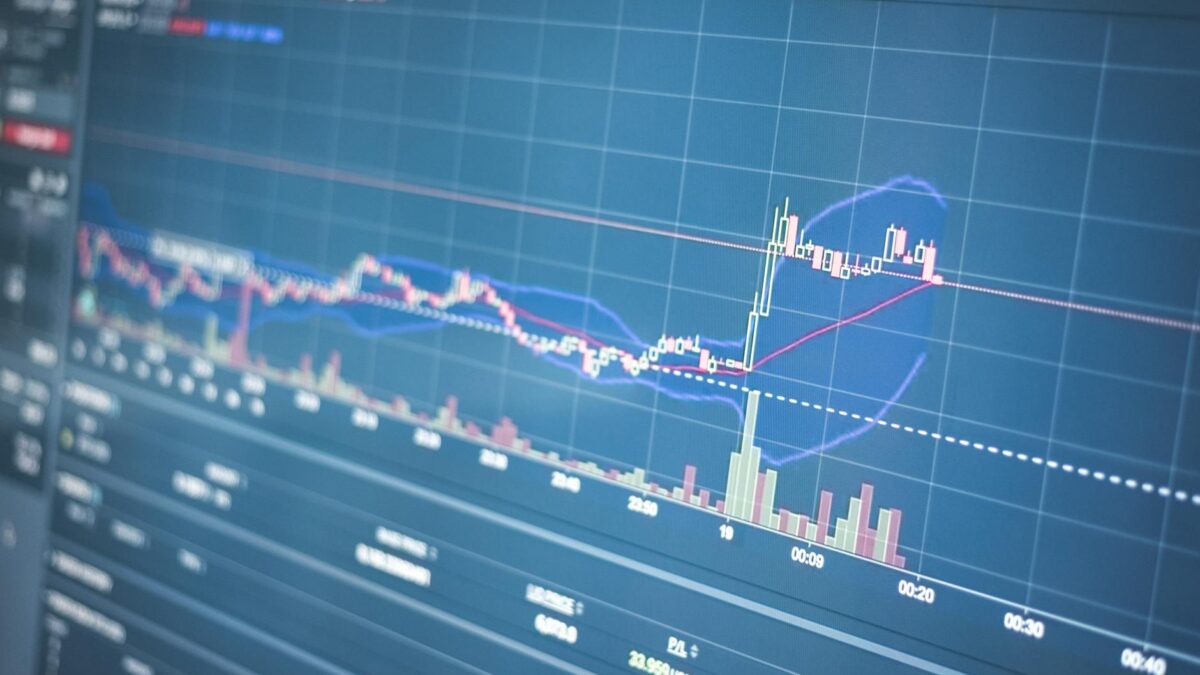
المؤشر المعياري الرئيسي هو مؤشر سوق دبي المالي العام (DFMGI). توجد مؤشرات فرعية لبنوك DFM، والعقارات، والاتصالات، والخدمات، والسلع الاستهلاكية. في الممارسة العملية، تهيمن ثلاثة قطاعات على أي محادثة DFM: العقارات والبنوك وكتلة البنية التحتية والمرافق بعد 2022. الاتصالات والمستهلك أوزان أصغر لكنها مهمة لاستراتيجيات محددة. على عكس ADX، الذي أصبح الآن مرجحاً للطاقة بشكل كبير بعد قوائم أدنوك، لا يحتوي DFM على اسم طاقة واحد مهيمن؛ المزيج أكثر تركيزاً على التجزئة والعقارات.
ضمن منطقة الخليج الأوسع، يعد DFM عادة ثاني أو ثالث أنشط بورصة في أي يوم معين، اعتماداً على تدفقات تداول السعودية وADX. تهيمن المملكة العربية السعودية على إجمالي رأس مال السوق في منطقة الشرق الأوسط وشمال أفريقيا بنحو 3.2 تريليون دولار أمريكي على بورصة تداول السعودية. الإمارات مجتمعة — ADX زائد DFM — تتجاوز تريليون دولار أمريكي. ضمن إطار MSCI للأسواق الناشئة، تقع الإمارات عند حوالي 2 بالمئة من وزن MSCI EM، مع تمثيل DFM لحصة أقلية معنوية من تلك التخصيصات الإماراتية.
التعويم الحر مرتفع عموماً بمعايير الأسواق الناشئة. معظم قوائم DFM لديها تعويم حر غالبية للحصة من الأسهم المتاحة للتداول، حتى حيث يكون الملكية الأجنبية مقيدة بنسبة 40 أو 49 بالمئة. ارتفعت الحيازات الأجنبية بشكل مطرد، حيث تعمل حول 15 إلى 20 بالمئة من إجمالي القيمة السوقية لـ DFM اعتباراً من أوائل 2026، مع القمم أقرب إلى 25 بالمئة في نوافذ دورة العقارات المحددة.
طريق الوصول الأول: رقم المستثمر الوطني NIN
قبل أن يتمكن المستثمر الأجنبي من شراء سهم واحد في DFM باسمه الخاص، يحتاج إلى رقم المستثمر الوطني. يعد NIN ما يعادله في الإمارات لمعرف حساب الأوراق المالية وتصدره DFM نفسها مجاناً، بتطبيق واحد يغطي كلاً من تداول DFM وADX.
يتم التطبيق عبر بوابة موقع DFM. المستندات المطلوبة لمقيم في الإمارات هي نسخة جواز السفر، والهوية الإماراتية، وفاتورة المرافق أو بيان بنكي كإثبات للعنوان. يقدم غير المقيمين نسخة من جواز السفر بالإضافة إلى إثبات مصدق أو موثق بالعنوان من بلدهم الأصلي. تتطلب بعض الاختصاصات القضائية الأبوستيل بدلاً من المصادقة السفارية؛ ترشد البوابة المتقدمين خلال المتطلبات المحددة. وقت المعالجة عادة يومان إلى ثلاثة أيام عمل في الإمارات؛ ثم يصدر NIN إلكترونياً ويربط بالهوية البيومترية للمستثمر إذا كان مقيماً في الإمارات.
بمجرد إصداره، يكون NIN دائماً ويسافر مع المستثمر عبر الوسطاء. يمكن لمقيم في الإمارات الاحتفاظ بحسابات مع عدة وسطاء تحت نفس NIN، ويدعم الرقم أيضاً تداول ADX والاكتتابات في الطروحات الأولية وتطبيقات حساب الهامش حيثما مؤهل. NIN هو قطعة البنية التحتية التي تفتح كل طريق وصول آخر على DFM.
بالنسبة للمستثمرين المؤسسيين الأجانب، ينطبق نفس إطار NIN ولكنه يتدفق عادة عبر حساب فرعي لأمين حفظ DFM منظم. البنوك الدولية الكبرى ذات كتب الحفظ في دول الخليج — HSBC وStandard Chartered وBNP Paribas وDeutsche Bank — كلها توجه نشاط NIN المؤسسي عبر علاقات الحفظ الفرعية المحلية. الإعداد التشغيلي أخف من QFI السعودي: لا يوجد حد أدنى لعتبة الأصول المدارة، ولا موافقة متعددة الأشهر، فقط الوثائق وعلاقة أمين الحفظ.
طريق الوصول الثاني: الوسطاء المرخصون لتداول DFM المباشر
بمجرد الحصول على NIN، يختار المستثمر وسيطاً. تنشر DFM قائمة عامة بالأعضاء المرخصين. تلك التي تهم لتدفقات المستثمرين الأجانب، بالترتيب التقريبي للاتساع الدولي:
EFG Hermes الإمارات — جزء من بنك الاستثمار الإقليمي المقره مصر. يمتلك EFG Hermes أوسع شبكة مؤسسية دولية في دول الخليج، مع مكاتب في لندن ونيويورك وعبر المنطقة. بالنسبة لمؤسسة بريطانية أو أمريكية تضع رأس المال في DFM على نطاق واسع، EFG Hermes عادة ما يكون الاتصال الأول الافتراضي. تغطية البحث تمتد عبر مقعد DFM الكامل، والوسيط نشط في تخصيصات الطرح الأولي لـ DFM.
أرقام كابيتال — بنك استثمار خاضع لتنظيم DIFC مع بحث MENA قوي، وتغطية قطاع تحظى باحترام كبير، وقدرات وساطة مؤسسية. مفيد بشكل خاص للمخصصين الذين يريدون مزوداً إقليمياً واحداً يغطي الإمارات والسعودية ومصر وقطر معاً.
الرمز كابيتال — وسيط مقره الإمارات مع تدفق DFM قوي للتجزئة والمؤسسات، ومكتب طرح أولي قوي، وقدرة صناعة السوق النشطة. مفضل من قبل المكاتب العائلية الإقليمية والصناديق الدولية التي تريد نظيراً محلياً إماراتياً.
شعاع كابيتال — بنك استثمار مدرج في الإمارات مع أذرع وساطة وإدارة أصول واستثمار مصرفي. تغطية الوساطة على DFM وADX صلبة، والشركة نشطة في تخصيصات الطرح الأولي لـ DFM على مدار العديد من الإدراجات الماضية.
أذرع وساطة البنوك التجزئة — لعملاء التجزئة والمصارف الخاصة، يقدم كل من Emirates NBD Securities ووساطة ENBD ووساطة دبي الإسلامي وFAB Securities حسابات تداول DFM مرتبطة بعلاقة العميل المصرفية الرئيسية. التسعير أقل حدة من الوسطاء المؤسسيين، لكن التكامل مع الخدمات المصرفية للتجزئة مناسب لسكان الإمارات الميسورين.
التوجيه الدولي — بعض الوسطاء الدوليين بما في ذلك Interactive Brokers يدعمون وصول الخليج غير المباشر من خلال ترتيبات شاملة مع أعضاء DFM. يمكن لتجار التجزئة الذين يريدون توحيد جميع مراكزهم على منصة واحدة توجيه أوامر DFM عبر Interactive Brokers مع فهم أن التنفيذ يقدم من عضو DFM محلي. عادة ما تكون الفروق والعمولات أعلى من الذهاب مباشرة عبر وسيط مرخص من DFM. تدعم تغذيات بيانات السوق من فاينانشال تايمز أيضاً تغطية DFM لسير العمل المؤسسي.
طريق الوصول الثالث: الروبو المستشارون والتطبيقات ومنصات التجزئة
شهدت نافذة 2024-2026 توسعاً معنوياً في تطبيقات الاستثمار الأصلية للتجزئة الإماراتية التي تقدم تعرض DFM دون الحاجة إلى أن يفتح المستثمر حساب وسيط بشكل منفصل. أكثرها وضوحاً هي:
Sarwa — روبو مستشار منظم في الإمارات يقدم محافظ قائمة على صناديق ETF بالإضافة إلى تداول الأسهم المباشر. يدعم Sarwa الوصول إلى أسهم DFM الفردية لسكان الإمارات وقلل بقوة هياكل العمولات لجذب تدفق التجزئة. الحد الأدنى للاستثمار منخفض؛ سير عمل التطبيق هو تجربة محمولة أولاً مصقولة.
StashAway — روبو مستشار مقره سنغافورة مع وجود إقليمي في الإمارات. قائم بشكل أساسي على ETF ولكنه يقدم بشكل متزايد تعرض الأسهم الإماراتية من خلال الشراكات.
منصات التداول بالنسخ — تسمح المنصات الناشئة لسكان الإمارات بعكس مواقع المتداولين الرائدين المنظمين. تختلف الرسوم والرقابة التنظيمية؛ يجب على المستثمرين تأكيد الإشراف من SCA أو DFSA قبل الالتزام برأس المال.
بالنسبة لمستثمر التجزئة الرقمي أولاً الذي يبني كتاب أسهم إماراتية، فإن طريق تطبيق على نمط Sarwa هو نقطة الدخول الأقل احتكاكاً. بالنسبة لمخصص مؤسسي أو مكتب عائلي، يبقى طريق الوسيط المباشر عبر EFG Hermes أو أرقام أو الرمز هو الافتراضي التشغيلي. أولئك الذين يفكرون في مجموعة الخدمات المصرفية الرقمية الإماراتية الأوسع التي تجلس غالباً بجانب هذه التطبيقات يمكنهم الإشارة إلى مقارنتنا بين Wio مقابل Liv مقابل Mashreq Neo للجانب إدارة النقد من البنية التحتية.
مقعد DFM: العقارات والبنوك وكتل البنية التحتية
من الأفضل فهم DFM على أنه ثلاث كتل رئيسية بالإضافة إلى ذيل طويل من الأسماء الأصغر. كل كتلة لها محرك اقتصادي مختلف، وملف توزيعات أرباح مختلف، ودور مختلف في محفظة معرضة لدبي.
العقارات: إعمار ودامك ودبي للاستثمار واتحاد العقارات
إعمار العقارية، المتداولة تحت رمز EMAAR، هي أكبر شركة على DFM من حيث القيمة السوقية بحوالي 50 مليار درهم. إعمار هي مطور وسط دبي ومرسى دبي وعرب رانش ومحفظة كبيرة من المشاريع الدولية. الحالة الاستثمارية هي مسرحية مباشرة على دورة العقارات في دبي: عندما ترتفع أحجام مبيعات دبي خارج الخطة والأسعار الثانوية، تتبع إيرادات إعمار وأرباحها المتراكمة. تدفع الشركة توزيعات أرباح بنحو 3.5 بالمئة وكانت من أكثر أسماء DFM سخاء في إعادة شراء الأسهم.
دامك العقارية كانت واحدة من المطورين الفاخرين الأوائل في دبي المدرجين في DFM، على الرغم من أنه تمت خصخصة دامك لاحقاً من خلال عرض شراء. يعكس وضعها في القائمة في 2026 تاريخ البورصة وليس الصفقة السائلة الحالية. اتحاد العقارات اسم متوسط الحجم بكتاب عقارات دبي أضيق.
دبي للاستثمار (رمز DI) هي تكتل متنوع يمتد عبر العقارات والتصنيع والتجزئة والخدمات. يدفع DI توزيعات أرباح بنحو 3.2 بالمئة ويقدم تعرضاً أوسع لموضوع تنويع الاقتصاد في دبي من الأسماء العقارية الخالصة. للمستثمرين الذين يريدون التعرض لدورة العقارات في دبي دون تركيز إعمار الكامل، غالباً ما يكون DI هو المركز المقترن. للسياق حول سوق العقارات الأساسي الذي يدفع في النهاية أرباح إعمار وDI، انظر تحليلنا التفصيلي سعر العقارات في دبي لكل قدم مربع حسب المنطقة.
البنوك: الإمارات NBD ودبي الإسلامي والمشرق
الإمارات NBD هو أكبر بنك إماراتي من حيث الأصول وقائمة البنوك المسيطرة على DFM. يتداول الإمارات NBD تحت رمز ENBD برأس مال سوقي يقترب من 100 مليار درهم، وعائد توزيعات أرباح حوالي 4.2 بالمئة، وعائد على حقوق الملكية باستمرار في نطاق 15 إلى 17 بالمئة. البنك هو مؤسسة التجزئة والشركات والخدمات المصرفية الخاصة الأساسية في دبي وتوسع بقوة في مصر من خلال عمليات الاستحواذ على دنيز بنك وNBD مصر.
بنك دبي الإسلامي، رمز DIB، هو البنك الإسلامي الرائد وثاني أكبر قائمة مالية في DFM. يدير DIB ميزانية ممتثلة للشريعة النقية بعائد توزيعات أرباح حوالي 4.5 بالمئة وعائد على حقوق الملكية في نطاق 14 إلى 16 بالمئة. DIB هو الخيار الطبيعي للمستثمرين الذين يريدون تعرض الخدمات المصرفية الإسلامية بسيولة DFM. بنك الإمارات الإسلامي هو شركة تابعة لـ الإمارات NBD وتتداول بنشاط أقل.
المشرق، البنك الذي يسيطر عليه آل الغرير، مدرج في DFM مع تعويم حر أصغر وسيولة يومية أقل ولكن امتياز مصرفي تجاري محترم. بنك دبي التجاري وبيت التمويل الخليجي يكملان مقعد DFM المصرفي الأصغر.
البنية التحتية والمرافق: سالك ودبي للكهرباء وباركن وإمبور
كتلة البنية التحتية والمرافق هي التغيير الهيكلي الأكثر أهمية لمقعد DFM منذ 2022. تم إدراج سالك ودبي للكهرباء وباركن وإمبور جميعاً بين 2022 و2024 من خلال برنامج حكومة دبي المتعمد لتسييل الحصص في أصول البنية التحتية المنظمة مع الحفاظ على السيطرة. تم تسعير كل إدراج بعلاوة وقدم توزيعات أرباح معنوية منذ ذلك الحين.
سالك (رمز SALIK) هو صاحب امتياز رسوم الطرق في دبي، تم إدراجه في IPO في سبتمبر 2022. نموذج العمل هو كتاب البنية التحتية المنظمة: إيرادات الرسوم تنمو مع حركة المرور على الطرق، والتكاليف التشغيلية منخفضة، وتدعم شروط الامتياز التوزيع النقدي المستقر. يدفع سالك توزيعات أرباح بحوالي 6.5 بالمئة، وهو أعلى عائد في مقعد DFM بين الأسماء السائلة. ارتفع سعر السهم بشكل كبير منذ الطرح الأولي حيث تم تعزيز رؤية توزيعات الأرباح.
دبي للكهرباء والماء DEWA (رمز DEWA) هي هيئة كهرباء ومياه دبي، مدرجة IPO في أبريل 2022. في ذلك الوقت كانت أكبر طرح أولي في تاريخ الشرق الأوسط، جمعت حوالي 22 مليار درهم (ما يزيد قليلاً عن 6 مليار دولار أمريكي). DEWA هي مرفق الكهرباء والمياه المتكامل لإمارة دبي، بهيكل عائد منظم وتوسع في توليد الطاقة المتجددة من خلال مجمع محمد بن راشد آل مكتوم للطاقة الشمسية. عائد توزيعات الأرباح حوالي 5.8 بالمئة، والتزمت الشركة بسياسة توزيعات الأرباح الدنيا حتى المدى المتوسط. القائمة هي ثاني أكبر شركة فردية على DFM بعد إعمار.
باركن (رمز PARKIN) تم إدراجها في مارس 2024 كمشغل مواقف السيارات العامة في دبي المتداول علناً. الإيرادات تكون تقريباً كلياً دخل تعريفي منظم على أماكن السيارات والتصاريح، مما ينتج ملف تدفق نقدي مستقر بشكل ملحوظ. يدفع باركن توزيعات أرباح بحوالي 5.5 بالمئة، وكان الطرح الأولي أحد أكثر الطرحات اكتتاباً في التاريخ الإقليمي.
إمبور (أنظمة التبريد المركزية الإماراتية) هي مرفق التبريد المركزي المدرج في 2022. إمبور هو اللعب المتخصص ضمن هذه الكتلة: التبريد المنطقي هو عمل كثيف الطاقة ولكن منظم مع عقود خدمة طويلة الأجل للتطورات التجارية والسكنية في دبي. عائد توزيعات الأرباح قابل للمقارنة مع بقية الكتلة بحوالي 5 بالمئة.
مأخوذين معاً، يشكل سالك وDEWA وباركن وإمبور سلة مرافق وبنية تحتية بعائد 5 إلى 6 بالمئة مع تقلب أرباح منخفض وسياسة توزيع أرباح مدعومة من مساهم حكومة دبي. هذا هو الجزء من DFM الذي لم يكن موجوداً بشكل معنوي قبل 2022 وهو الآن النواة الدفاعية لأي كتاب DFM مدروس.
الاتصالات والنقل والمستهلك
دو، تحت شركة الإمارات للاتصالات المتكاملة، هي مشغل الاتصالات المدرج في DFM، مع اتصالات — التي أعيدت تسميتها الآن e& — على ADX. يدفع دو توزيعات أرباح بحوالي 4.5 بالمئة ويقدم خصائص اتصالات دفاعية.
طيران العربية (رمز AIRARABIA) هي شركة الطيران منخفضة التكلفة ومقرها الشارقة المدرجة في DFM. طيران العربية لديها عمل إقليمي مرن مع اقتصاديات وحدة قوية في دول الخليج وطرق شمال أفريقيا وجنوب آسيا المتنامية. يتقلب عائد توزيعات الأرباح مع دورة الطيران ولكنه تاريخياً في نطاق 4 إلى 6 بالمئة.
في قطاع المستهلك، توفر DXB Entertainments والأسماء الفندقية الأصغر تعرضاً محدداً لدورة السياحة، على الرغم من أن السيولة أرق. أملاك للتمويل، متخصص التمويل الإسلامي، يضيف خياراً آخر للائتمان المتوافق مع الشريعة.
محفظة توزيعات الأرباح: سبب شراء معظم المستثمرين الأجانب DFM
الحجة الأكثر إقناعاً لتخصيص مستثمر أجنبي لـ DFM في 2026 هي مقعد عائد توزيعات الأرباح. إن الجمع بين قوائم البنية التحتية المنظمة والبنوك الناضجة والعقارات المستقرة يولد ملف عائد لا يمكن للكثير من الأسواق الناشئة مطابقته ضمن بورصة واحدة.
تستهدف محفظة توزيعات أرباح DFM مركزة، موزونة بالتساوي عبر خمسة أسماء أساسية — سالك وDEWA وباركن وبنك دبي الإسلامي والإمارات NBD — عائد مختلط في نطاق 5.2 إلى 5.5 بالمئة. الإمالة نحو البنية التحتية المنظمة والبنوك، مع حوالي 60 بالمئة من التعرض في كتلة البنية التحتية والمرافق و40 بالمئة في البنوك. تقلب الأرباح منخفض، ونسب المدفوعات منضبطة، وربط الدرهم بالدولار الأمريكي عند 3.6725 يلغي بفعالية مخاطر العملة للمستثمرين بالدولار الأمريكي.
ستضيف محفظة عائد أكثر عدوانية قليلاً إعمار بوزن صغير للتعرض لدورة العقارات، مضيفة عائد 3.5 بالمئة مع ارتفاع الأسهم المضمن في دورة العقارات القوية في دبي. إن تضمين طيران العربية بوزن صغير يضيف اختيارية دورة الطيران. يمزج كتاب عائد DFM الناتج المكون من سبعة أسماء عادة إلى 5.0 إلى 5.3 بالمئة مع ارتفاع دوري متواضع، وهو جذاب بشكل غير عادي في نظام ضريبة الاقتطاع الصفرية لتوزيعات الأرباح.
المقارنة مع الصكوك مفيدة. تنتج الصكوك الإماراتية في 2026 حوالي 4.8 إلى 5.3 بالمئة على الأوراق من فئة الاستثمار مع استحقاق 3 إلى 7 سنوات. يدر كتاب توزيعات أرباح DFM دخلاً نقدياً قابلاً للمقارنة أو أعلى قليلاً، ويضيف ارتفاعاً في الأسهم وملف عملة مرتبط بالدولار، ويتداول بسيولة معنوية في البورصة. بالنسبة للمخصصين المركزين على الدخل، يتنافس الآن طريق الأسهم مباشرة مع طريق الدخل الثابت؛ للحصول على إطار كامل على جانب الدخل الثابت انظر دليل صكوك التجزئة الخاص بنا.
آليات الضرائب والصرف الأجنبي والتسوية
النظام الضريبي في الإمارات هو رياح خلفية مادية لأي حالة استثمار DFM. لا توجد ضريبة اقتطاع على توزيعات الأرباح على المدفوعات لمعظم المساهمين الأجانب. لا توجد ضريبة على الأرباح الرأسمالية للمستثمرين الأفراد الأجانب. لا توجد ضريبة دخل شخصية لسكان الإمارات. تنطبق ضريبة الشركات التي تم تقديمها في 2023 بنسبة 9 بالمئة على الشركات، وليس على المستثمرين في محفظة فردية. بالنسبة لمكتب عائلي أمريكي أو بريطاني أو أوروبي قاري، فإن مزيج الإمارات من عدم الاقتطاع وعدم الأرباح الرأسمالية والعملة المرتبطة بالدولار هو من بين أنظف الأنظمة الضريبية في عالم الأسواق الناشئة.
قد تفرض بعض أنظمة الضرائب في البلد الأم ضريبة محلية على توزيعات الأرباح المستلمة. يبقى المستثمرون الأمريكيون خاضعين لضريبة الدخل الفيدرالية الأمريكية على توزيعات الأرباح الأجنبية، دون ائتمان معاهدة إماراتية متاح لأنه لم يتم دفع ضريبة إماراتية. يعلن المستثمرون البريطانيون بالمثل عن توزيعات أرباح الإمارات في التقييم الذاتي الخاص بهم. يجب على المستثمرين نمذجة ضريبة البلد الأم قبل تحديد الحجم.
الدرهم الإماراتي مرتبط بالدولار الأمريكي عند 3.6725 بموجب ترتيب ربط ثابت كان مستقراً منذ 1997. لأغراض المحفظة العملية، يمكن للمستثمرين ذوي الأساس بالدولار الأمريكي معاملة استثمارات الدرهم الإماراتي على أنها مكافئة للدولار، مع عمل الربط كتحوط فعال للعملة. تغيير الربط ليس حالياً توقعاً للسوق، على الرغم من أن مصرف الإمارات المركزي لديه خيار مراجعة سياسة الربط في أي مراجعة إطار نقدي. للسياق حول كيفية ملاءمة الربط في الصورة النقدية الإقليمية الأوسع، لاحظ أن المملكة العربية السعودية والبحرين وعمان وقطر والأردن جميعها تحافظ على أنظمة عملة مرتبطة بالدولار الأمريكي بنكهات مختلفة.
تعمل التسوية على DFM T+2، بمعنى أن الأسهم والنقد يتم تبادلهما بعد يومي عمل في الإمارات من تاريخ التداول. يتماشى هذا مع الممارسة المعيارية الأوروبية والأمريكية ويبسط تكامل المكتب الخلفي للأطراف المقابلة الأجنبية. يتم التعامل مع المقاصة من خلال الطرف المقابل المركزي Dubai Clear. ساعات التداول من 10:00 إلى 15:00 بتوقيت الإمارات، من الأحد إلى الخميس، مع إغلاق البورصة يومي الجمعة والسبت. كان أسبوع التداول الإماراتي يعمل تاريخياً من الأحد إلى الخميس ولكن تمت مناقشة بعض محاذاة دول الخليج عبر الحدود؛ اعتباراً من أبريل 2026 يحتفظ DFM بجدول جلسات الأحد إلى الخميس. يتم التعامل مع الإبلاغ والرقابة التنظيمية وإنفاذ إساءة استخدام السوق من قبل هيئة الأوراق المالية والسلع، مع DFM نفسها مسؤولة عن قواعد الإدراج وسلوك الأعضاء في المنطقة.
الهندسة التنظيمية: SCA وDFSA وتفاعل DIFC
تعمل DFM بموجب هيئة الأوراق المالية والسلع على المستوى الفيدرالي للإمارات. تحدد SCA الإطار العام لقانون الأوراق المالية في الإمارات، وتشرف على الوسطاء والمُصدرين المدرجين، وتنفذ قواعد إساءة استخدام السوق. DFM نفسها هي منظمة تنظيمية ذاتية ضمن هذا الإطار، مسؤولة عن الإدراج والتداول وسلوك الأعضاء في منطقتها الخاصة.
متميزاً عن ذلك هو مركز دبي المالي العالمي، وهو اختصاص قضائي منفصل مع منظمه الخاص — هيئة دبي للخدمات المالية — ومجموعته الخاصة من قانون الخدمات المالية المستند إلى القانون العام الإنجليزي. DIFC هو المكان الذي تتمركز فيه معظم مديري الأصول الدوليين والبنوك وهياكل الصناديق، وحيث يتم تسجيل معظم أدوات الصناديق التجزئة والمؤسسية. يتفاعل المستثمر الأجنبي الذي يشتري أسهم DFM عادة مع DFM كمنطقة صرف ومع DFSA فقط إذا كانوا يستخدمون هيكل صندوق مقره DFIC أو أداة ثروة خاصة. للحصول على مقارنة مفصلة بين DIFC والمعادل في أبوظبي، انظر مقارنة DIFC مقابل ADGM.
في الممارسة العملية، هذه الهندسة التنظيمية أكثر مواتاة للمستثمرين الأجانب مما تبدو للوهلة الأولى. تتعاون SCA وDFSA في القضايا عبر الحدود، وقد استثمرت الإمارات بشكل كبير في البنية التحتية لمكافحة غسيل الأموال ومكافحة تمويل الإرهاب لدعم تدفقات الصناديق الدولية. تمت إزالة البلد من قائمة المراقبة المتزايدة لـ FATF في 2024، مما حسن ظروف الخدمات المصرفية المراسلة والتسوية عبر الحدود. المراجع المتبادلة من CNBC وأرابيان بيزنس حول التطورات التنظيمية في الإمارات مفيدة لتتبع التغييرات المستمرة.
خط الطرح الأولي والإدراجات الأخيرة
يعكس خط الطرح الأولي لـ DFM برنامج حكومة دبي الأوسع لتسييل الحصص في البنية التحتية المرتبطة بالدولة والأصول التجارية مع الحفاظ على السيطرة الاستراتيجية. إدراج DEWA في 2022 وطرح سالك الأولي في 2022 وإدراج إمبور في 2022 وطرح باركن الأولي في 2024 هي المعاملات الرئيسية المكتملة في السنوات الأخيرة. جاء كل منها إلى السوق من خلال تخصيص على غرار الخصخصة مع طلب تجزئة ومؤسسي قوي.
خط 2026 أقل إفصاحاً على وجه التحديد مما كان عليه في 2022-2024، لكن تغطية السوق تشير إلى معاملات محتملة في اللوجستيات وخدمات الموانئ المجاورة لمنطقة جبل علي الحرة والكيانات التجارية الأصغر المملوكة لحكومة دبي. تمت مناقشة قوائم التكنولوجيا المالية حيث تسعى DFM لتوسيع ملف تعريف القطاع للبورصة. تم استكشاف هياكل الإدراج المزدوج في عمان والإمارات لأسماء إقليمية مختارة، بناء على أطر الإدراج العابرة لدول الخليج السابقة. سيتم إجراء الإعلانات من خلال إفصاحات DFM وقنوات اتصال حكومة دبي.
بالنسبة للمستثمرين الأجانب، فإن خط الطرح الأولي مهم لأنه يخلق بشكل روتيني نقاط دخول إلى تدفقات نقدية عالية الجودة مدعومة من حكومة دبي بتقييمات جذابة. كان أداء ما بعد الطرح الأولي لسالك وDEWA وباركن إيجابياً بقوة، وشملت عملية التخصيص الأولية شرائح مؤسسية أجنبية معنوية. الحفاظ على حوار نشط مع EFG Hermes أو أرقام أو الرمز على تخصيص الطرح الأولي هو أحد الطرق الأكثر إنتاجية للمخصص الأجنبي للوصول إلى هذا الجزء من السوق.
DFM مقابل ADX: كيفية تقسيم التعرض الإماراتي
يحتاج أي مستثمر أجنبي يبني كتاب أسهم إماراتية إلى التفكير صراحة في كيفية التقسيم بين DFM وADX. البورصتان متشابهتان تشغيلياً — نفس NIN، نفس إشراف SCA، نفس عملة الدرهم — ولكن تعرض القطاع يختلف ماديا.
ADX هو الآن الأكبر من البورصتين، بقيمة سوقية إجمالية حوالي 3.3 تريليون درهم، مدفوع بشكل أساسي بعائلة قوائم أدنوك (أدنوك للحفر وأدنوك للغاز وأدنوك لوجستيكس وخدمات) وبروج وبيور هيلث. ADX هو المكان للتعرض لطاقة الإمارات والبتروكيماويات، وقوائم أبوظبي السيادية، وكتلة الرعاية الصحية المدعومة من الدولة. شركة الهولدنج الدولية، أكبر تكتل متنوع في أبوظبي، تتداول هناك أيضاً.
DFM أصغر بحوالي 700 مليار درهم ولكن بمزيج قطاع مختلف تماماً. العقارات والبنوك وكتلة البنية التحتية بعد 2022 هي نقاط قوة DFM. لا يوجد ما يعادل على DFM من مجمع طاقة أدنوك؛ لا يوجد ما يعادل على ADX من تعرض إعمار لعقارات دبي أو لثالوث سالك وDEWA وباركن.
ستحمل محفظة الإمارات المدروسة عادة كلاهما. بالنسبة لكتاب يركز على توزيعات الأرباح، يكون وزن DFM أثقل، مرسى بسالك وDEWA وباركن والبنوك. بالنسبة لكتاب نمو وطاقة، يكون وزن ADX أثقل، مرسى بقوائم أدنوك. للحصول على تعرض إماراتي متوازن، 40 إلى 50 بالمئة DFM و50 إلى 60 بالمئة ADX هو نقطة انطلاق معقولة، معدلة لتفويض الاستراتيجية المحددة.
المخاطر: ما يمكن أن يحدث خطأ على مركز DFM
DFM هي بورصة عالية الجودة بنظام صديق للمستثمرين، لكن المخاطر التي تنطبق على أي مركز أسهم في سوق ناشئة حقيقية وتحتاج إلى نمذجة.
مخاطر دورة العقارات في دبي — إعمار ودامك ودبي للاستثمار وبدرجة أقل البنوك جميعها معرضة لدورة العقارات السكنية والتجارية في دبي. سيتدفق تخفيف مبيعات خارج الخطة والأسعار الثانوية أو إشغال الفنادق إلى الأرباح. الدورة الحالية في أوائل 2026 بناءة، لكن المستثمرين الذين يحددون إعمار أو DI يحتاجون إلى التفكير في رأيهم حول خط 2027-2028 للإكمالات الجديدة.
مخاطر جيوسياسية إقليمية — تحمل الأسهم الإماراتية علاوة جيوسياسية أوسع في الشرق الأوسط. يمكن للأحداث في البحر الأحمر ومضيق هرمز وغزة ولبنان ومحور إيران وإسرائيل أن تدفع التقلب قصير المدى، على الرغم من أن الأساسيات الإماراتية تعافت تاريخياً بسرعة.
مخاطر أسعار النفط — على الرغم من أن DFM أقل ثقلاً في الطاقة من ADX، إلا أن اقتصاد دبي الأوسع معرض لأسعار النفط الخام من خلال السياحة والطلب العقاري من الثروة الإقليمية والديناميكيات المالية. ستشعر الحركة المستدامة في برنت تحت 60 دولاراً للبرميل، خاصة في العقارات.
مخاطر سقف الملكية الأجنبية — عندما يصل سهم محدد إلى سقف الملكية الأجنبية، يتم تقييد الشراء الأجنبي الجديد حتى يبيع المساهمون الأجانب الحاليون. نادراً ما يكون هذا قيداً ملزماً للمواقع الجديدة ولكن يمكن أن يكون مهماً في نقاط الطلب الشديدة.
مخاطر السيولة وعمق السوق — العديد من أسماء DFM لديها حجم يومي متوسط أرق من قائمة سوق متطورة قابلة للمقارنة. يجب إدارة الدخول والخروج بحجم بحذر، باستخدام تنفيذ VWAP أو قائم على المشاركة.
مخاطر سياسة الربط — ربط الدرهم الإماراتي بالدولار الأمريكي هو خيار سياسي راسخ بعمق، لكن أي تغيير مستقبلي سيؤثر مباشرة على عوائد المستثمرين بالدولار الأمريكي. الحالة الأساسية هي استمرار الاستقرار، لكن مخاطر الذيل يجب ملاحظتها.
بناء المحفظة: ثلاثة كتب DFM نمطية
كتاب دخل توزيعات الأرباح: 25 بالمئة سالك، 20 بالمئة DEWA، 20 بالمئة باركن، 15 بالمئة بنك دبي الإسلامي، 10 بالمئة الإمارات NBD، 10 بالمئة إعمار. عائد مختلط حوالي 5.4 بالمئة، ارتفاع دوري معتدل من خلال إعمار، نواة دفاعية من خلال سالك وDEWA. مطابقة طبيعية للمكاتب العائلية والمستثمرين الأفراد المتقاعدين والمخصصين المركزين على الدخل.
كتاب نمو دبي: 30 بالمئة إعمار، 20 بالمئة دبي للاستثمار، 15 بالمئة الإمارات NBD، 10 بالمئة سالك، 10 بالمئة طيران العربية، 15 بالمئة شركة DFM والأسماء النمو الأصغر. أكثر دورية، مع تعرض أثقل للعقارات والبنوك؛ عائد حالي أقل حوالي 3.8 بالمئة ولكن ارتفاع أكثر في دورة العقارات القوية في دبي.
كتاب التمويل الإسلامي: 35 بالمئة بنك دبي الإسلامي، 20 بالمئة الإمارات الإسلامي، 15 بالمئة أملاك للتمويل، 15 بالمئة سالك (اسم متوافق مع الشاشة)، 15 بالمئة أسماء إماراتية أخرى متوافقة مع الشريعة عبر DFM وADX. كتاب متوافق مع الشريعة بشكل كامل بعائد توزيعات أرباح حوالي 4.6 بالمئة. وسيلة طبيعية لمكاتب العائلات في دول الخليج والصناديق الدولية ذات التفويض الإسلامي.
تستفيد جميع الكتب الثلاثة من نظام ضريبة الاقتطاع الصفرية، وربط الدرهم الإماراتي، وتسوية T+2. يمكن الوصول إلى كل منها من خلال NIN واحد وعلاقة وسيط واحدة. يجب تكييف الأوزان المحددة مع التفويض والأفق الزمني وتحمل المخاطر.
الخلاصة: متى تنتمي DFM إلى محفظتك
بالنسبة لمستثمر دولي يبني كتاب أسهم خليجية في 2026، فإن DFM ليس اختيارياً. إن التعرض لدورة عقارات دبي من خلال إعمار، وامتياز المصرفية الإسلامية من خلال بنك دبي الإسلامي، وكتلة توزيعات أرباح البنية التحتية بعد 2022 من خلال سالك وDEWA وباركن، كل منها غير متاح في مكان آخر بأي شيء مثل نفس السيولة أو الوضوح التنظيمي. عوائد توزيعات الأرباح المتاحة — 5.2 إلى 5.5 بالمئة مختلطة على كتاب دخل منضبط — تقارن بشكل مواتٍ مع الصكوك، ومع صناديق الدخل في السوق المتطورة، ومع معظم معايير الأسهم في الأسواق الناشئة.
الإعداد التشغيلي — NIN صادر في ثلاثة أيام عمل، وسطاء مرخصون يغطون كل تدفق دولي رئيسي، ضريبة اقتطاع صفرية، عملة مرتبطة بالدولار، تسوية T+2 — هو أكثر ودية حقاً مما يتوقعه معظم المستثمرين الأجانب عندما يبحثون في السوق لأول مرة. لقد ولت الأيام التي كان فيها DFM منطقة محلية مغلقة. الإطار التنظيمي بموجب SCA على المستوى الفيدرالي وDFSA داخل DIFC ناضج وشفاف.
السؤال بالنسبة لمعظم المخصصين لم يعد ما إذا كانوا يضيفون تعرض DFM، بل كيفية تحديد حجمه ضمن كتاب خليجي أوسع يحمل أيضاً ADX وتداول وربما قطر والكويت وعمان. تعتمد الإجابة على التفويض وتحمل المخاطر، ولكن موقع بداية من 15 إلى 25 بالمئة من كتاب أسهم خليجية على DFM هو افتراضي معقول لمعظم المستثمرين المتنوعين، موزون أثقل على مقعد توزيعات أرباح البنية التحتية والبنوك من الأسماء العقارية الدورية. البنية التحتية موجودة. السؤال هو ما إذا كان المستثمر يستخدمها.