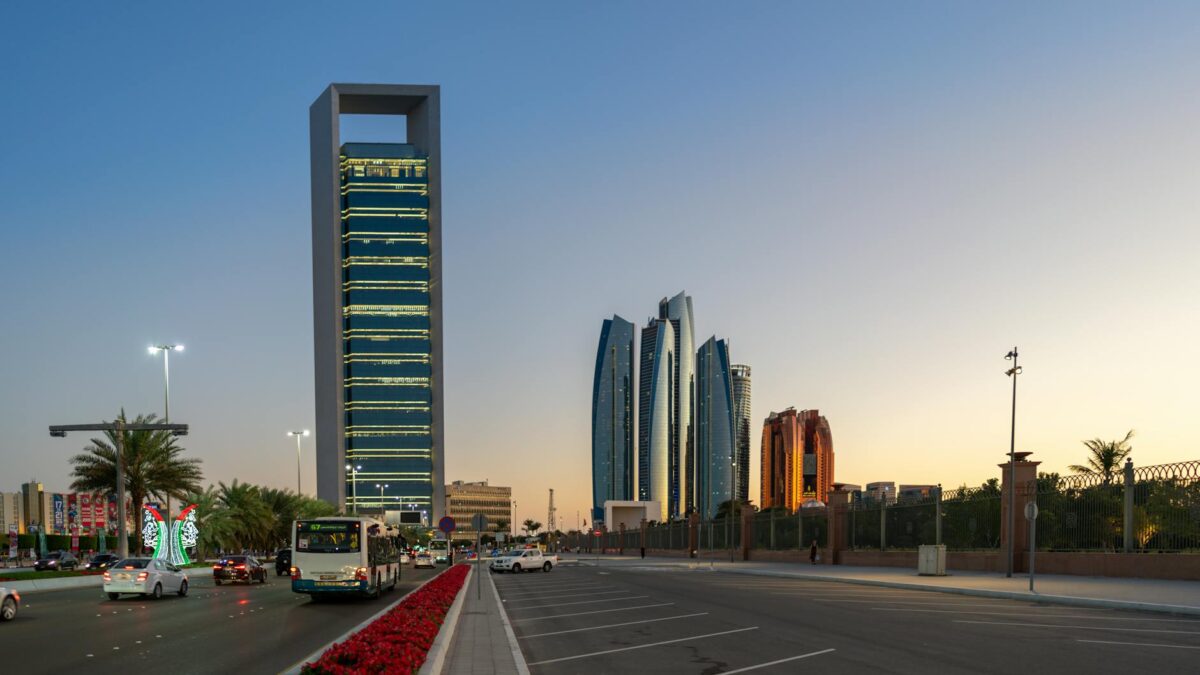
سوق أبوظبي للأوراق المالية ADX في أبريل 2026 هو سوق لمستثمر التوزيعات نما بهدوء متجاوزاً الافتراضات التي لا يزال معظم المخصصين الدوليين يحملونها عنه. ارتفعت القيمة السوقية لتتجاوز 3.3 تريليون درهم إماراتي — حوالي 900 مليار دولار أمريكي — متجاوزة سوق دبي المالي قبل عدة سنوات، ويعمل الآن كأكبر مكان تداول في الإمارات. محرك هذا التوسع ليس حجم التداول الثانوي. إنه خط أنابيب إدراج شركات أدنوك الفرعية على مدى خمس سنوات — أدنوك للحفر في 2021، وأدنوك للغاز في 2023، وأدنوك للخدمات اللوجستية والبحرية في 2023، بالإضافة إلى بوروج وبيور هيلث ومجموعة الخصخصة الحكومية الأوسع — كل منها وصل إلى البورصة بسياسة توزيع أرباح معلنة علنياً ومجلس إدارة مستعد للدفاع عنها. لقد أعاد ذلك تشكيل ما هو عليه ADX فعلياً لمستثمر التوزيعات في 2026.
أطروحة هذه المقالة محددة. مع عوائد مختلطة على كتاب دخل ADX منضبط تتراوح بين 4.5 و5.3 بالمئة، وضريبة اقتطاع صفرية في الإمارات على توزيعات غير المقيمين، وعملة مرتبطة بالدولار الأمريكي عند 3.6725، تقدم البورصة واحدة من أنظف مقترحات التوزيعات المتاحة للمستثمر الدولي اليوم. تُصنّف هذه المقالة الأسماء، وتبني نموذجين للمحافظ، وتمر عبر آليات الضرائب والوصول، وتشير إلى فخاخ العائد التي يجب تجنبها. كل رمز وعائد هو اعتباراً من منتصف أبريل 2026، مستمد من إفصاحات ADX وبيانات أرباح الشركات وأسعار الطرفيات على خلاصات السوق من Bloomberg وReuters.
لماذا أصبح ADX بورصة تركز على التوزيعات
تغيرت طبيعة البورصة مع برنامج اكتتاب أدنوك. قبل إدراج أدنوك للتوزيع في 2017، كان ADX رقيق التداول، مركزاً في الصناعات التي تسيطر عليها مبادلة وحفنة من بنوك أبوظبي، ومسعراً كسوق محلي لأموال محلية. التسلسل الذي تبعه — التوزيع في 2017، والحفر في 2021، والغاز في 2023 بتقييم 24 مليار دولار جعله أكبر اكتتاب في تاريخ الإمارات في ذلك الوقت، تلاه الخدمات اللوجستية في 2023 — جلب شخصية جديدة إلى البورصة.
وصل كل من هذه الإدراجات بجدول توزيعات أرباح منشور. التزمت أدنوك للغاز بتوزيع أدنى في نشرة الاكتتاب ثم أضفت طابعاً رسمياً على معدل نمو سنوي أدنى يبلغ خمسة بالمئة حتى 2025، مع توجيه مجلس الإدارة يشير إلى الاستمرار. بدأت أدنوك للتوزيع بمبلغ محدد بالدولار لكل سهم ثم انتقلت إلى سياسة تدريجية. تنشر أدنوك للحفر مسار توزيع مرتبط بالتدفق النقدي التشغيلي. ذلك المستوى من الإفصاح هو المعيار للمرافق في الأسواق المتقدمة وكان غير معتاد لبورصة خليجية قبل عقد. يمتلكه ADX الآن كخط أساس للأسماء الثقيلة على اللوحة.
إجمالي القيمة السوقية لـ ADX البالغ 3.3 تريليون درهم يتفكك تقريباً كما يلي. تحمل مجموعة أدنوك بما في ذلك الغاز والحفر والتوزيع والخدمات اللوجستية والبحرية حوالي 900 مليار درهم من القيمة السوقية المجمعة. تضيف شركة القابضة الدولية وشركاتها التابعة المدرجة 800 مليار درهم أخرى أو أكثر حسب اليوم. يعمل بنك أبوظبي الأول عند حوالي 200 مليار درهم، وبنك أبوظبي التجاري حوالي 90 مليار درهم، ومصرف أبوظبي الإسلامي حوالي 60 مليار درهم. يجلس اتصالات بالقرب من 200 مليار درهم. طاقة، وألدار، وبيور هيلث، وبوروج، وشركات مبادلة المدرجة تشكل الرصيد. تتراوح القيمة المتداولة اليومية في جلسة عادية بين مليار ومليارين من الدراهم، وترتفع في إعلانات التوزيعات أو في أيام الاكتتابات الجديدة.
مجموعة أدنوك: العمود الفقري للتوزيعات
لا يكتمل أي نقاش حول توزيعات ADX دون البدء من أسماء أدنوك. فهي العمود الفقري لأي محفظة دخل مبنية على البورصة.
أدنوك للغاز (ADNOCGAS) — اكتتاب 2023 بتقييم 24 مليار دولار لا يزال مرجع التوزيعات. يسير العائد حول 5.5 بالمئة في أبريل 2026 بعد ارتفاع سعر السهم من النطاق الأولي. سياسة التوزيع صريحة: مبلغ أدنى بالدولار للسهم ينمو بنسبة خمسة بالمئة على الأقل سنوياً حتى 2025، مع توجيه مجلس الإدارة يشير إلى استمرار النمو التدريجي. تدير الشركة الجزء الأكبر من أصول معالجة الغاز وخطوط الأنابيب والغاز الطبيعي المسال لأدنوك، مع عقود توريد طويلة المدة تعزل التدفق النقدي من تقلب خام برنت قصير الأمد. التغطية حوالي 1.4 إلى 1.5 مرة من صافي الأرباح، مما يترك مساحة لإعادة الشراء أو تسريع التوزيعات إذا تباطأ الإنفاق الرأسمالي. بالنسبة لمستثمر التوزيعات الذي يبني تعرضاً لأدنوك من خلال رمز واحد، فإن الغاز عادة هو المدخل الأول.
أدنوك للحفر (ADNOCDRILL) — عائد حوالي 4.2 بالمئة. تعرض الأسطول هو لحفارات الحفر التي تغذي نشاط أدنوك الأولي — شركة خدمات ذات عقود متعددة السنوات بدلاً من لعبة سلعة بحتة. سياسة التوزيع تدريجية والميزانية العمومية تحمل رافعة متواضعة. في سيناريو تسرع فيه أدنوك الدفع نحو هدف سعتها البالغ خمسة ملايين برميل يومياً، يرتفع استخدام الحفارات في أدنوك للحفر ويمكن أن يسبق نمو التوزيع متوسط السوق.
أدنوك للتوزيع (ADNOCDIST) — عائد حوالي 5.0 بالمئة. اكتتاب 2017 الذي افتتح تسلسل إدراج أدنوك، وهذا هو البيع بالتجزئة للوقود والبيع بالتجزئة للمتاجر في الإمارات بالإضافة إلى التوسع في المملكة العربية السعودية ومصر. العمل منظم ومدفوع بالحجم؛ التوزيع مغطى جيداً بواسطة التدفق النقدي التشغيلي.
أدنوك للخدمات اللوجستية والبحرية (ADNOCLS) — عائد حوالي 4.5 بالمئة. ذراع الشحن واللوجستيات البحرية والخدمات المتكاملة. الإيرادات مدفوعة بالعقود مع تعرض لمعدلات يومية في سوق السفن البحرية. التغطية مريحة وملف النمو يعكس توسع أدنوك البحري.
المستثمر الذي يشتري الأربعة — الغاز، والحفر، والتوزيع، والخدمات اللوجستية والبحرية — بوزن متساو يحقق عائداً مختلطاً حوالي 4.8 بالمئة، متنوعاً عبر معالجة الغاز وخدمات الحفر وبيع الوقود بالتجزئة والخدمات اللوجستية.
البنوك: كتلة العائد وعائد رأس المال
يوفر الثلاثي المصرفي لأبوظبي الركيزة الثانية لمحفظة توزيعات ADX. جميعها تحمل تصنيفات ائتمانية استثمارية وتدفع توزيعات نصف سنوية.
بنك أبوظبي الأول (FAB) — عائد حوالي 4.0 بالمئة. FAB هو أكبر بنك في الإمارات من حيث حجم الأصول بأكثر من 1.2 تريليون درهم وواحد من أكبر البنوك في الشرق الأوسط. نما التوزيع بثبات منذ اندماج 2017 الذي شكل الكيان الحالي. يجلس العائد أقل من الاثنين الآخرين لأن سعر السهم أعيد تقييمه على النمو — يدفع المستثمرون مقابل دفتر أوسع ووجود دولي أكبر بما في ذلك ترخيص مصرفي سعودي وشركة تابعة في المملكة المتحدة وذراع مصرفية خاصة.
بنك أبوظبي التجاري (ADCB) — عائد حوالي 4.5 بالمئة. أصغر من FAB بحوالي النصف في الأصول، وقد كان ADCB مُنماً عدوانياً للتوزيعات خارج اندماج 2019 مع بنك الاتحاد الوطني ومصرف الهلال. تسير نسبة التوزيع بالقرب من 50 بالمئة من صافي الدخل، مما يترك مساحة في الميزانية العمومية. السهم أكثر حساسية للمعدل من FAB لأن مزيج التمويل مائل نحو الشركات والشركات الصغيرة والمتوسطة، مما يعني أن الهوامش تتحرك بشكل أسرع مع تحركات سعر المصرف المركزي للإمارات — مرتبط مباشرة ببنك الاحتياطي الفيدرالي الأمريكي عبر ربط الدرهم بالدولار.
مصرف أبوظبي الإسلامي (ADIB) — عائد حوالي 4.8 بالمئة. الخدمات المصرفية بالتجزئة والتجارية المتوافقة مع الشريعة. التغطية صلبة، والنمو مستقر، وتوسع البنك في مصر. العائد هو الأعلى بين الثلاثة لأن السهم لم يعاد تقييمه بقوة مثل FAB، وهو ما يناسب المستثمر الذي يريد عائداً خالصاً بدلاً من ارتفاع رأس المال.
اتصالات (e&) ومرساة الاتصالات
اتصالات (EAND) — عائد حوالي 5.8 بالمئة، نسبة توزيع قرب 80 بالمئة. اتصالات هي أكبر اسم توزيعات منفرد في ADX بالتركيبة من الوزن والعائد والاستقرار. تدير الشركة الشبكات الثابتة والمتنقلة المهيمنة في الإمارات، وشركة تابعة للهاتف المحمول في باكستان (PTCL)، ومركزاً في المغرب من خلال اتصالات المغرب، ووجوداً مصرياً، وحصة متوسعة في مجموعة فودافون بعد تراكم 2022-23 الذي نقل e& فوق 15 بالمئة من المصلحة الاقتصادية لفودافون. سياسة التوزيع نصف سنوية، مع نوافذ دفع الربع الأول والثالث تاريخياً. دفعت الشركة أو نمّت التوزيع لخمسة عشر عاماً متتالية.
تبدو نسبة التوزيع البالغة 80 بالمئة ممتدة في فراغ ولكنها مدعومة بأعمال اتصالات تولد تدفقاً نقدياً حراً كبيراً بعد الإنفاق الرأسمالي. حصة فودافون مُبلغ عنها بالتكلفة ولكن لديها قيمة سوقية ذات مغزى تدعم خيارية الميزانية العمومية. بالنسبة لمستثمر التوزيعات الذي يريد اسماً واحداً للاتصالات، هذا هو. الخطر على الأطروحة هو عمليات الاندماج والاستحواذ العدوانية التي يمكن أن ترفع الرافعة أو تخفف قصة الأسهم، وهو ما أشارت إليه تقارير Financial Times في سياق اعتبارات فودافون.
المرافق والعقارات: الطبقة الدفاعية
طاقة (شركة أبوظبي الوطنية للطاقة) — عائد حوالي 4.3 بالمئة. المرافق المتنوعة — الطاقة والمياه في الإمارات، أصول الغاز الأولية في أمريكا الشمالية وبحر الشمال، والطاقة الدولية من خلال توسع 2023-24. كان التوزيع ثابتاً لعدة سنوات مع تحركات صعودية حديثة. العقود المرتبطة بالتضخم على الجانب المنظم الإماراتي توفر تحوطاً طبيعياً ضد ضغط الأسعار.
ألدار للعقارات (ALDAR) — عائد حوالي 3.8 بالمئة. المطور الرائد في أبوظبي وأقرب نظير ADX لإعمار على DFM. تجمع ألدار بين تراكم التطوير وأعمال إدارة الممتلكات المتزايدة بالإيرادات المتكررة وتأجير التجزئة، مما قلل من الطبيعة الدورية للتوزيع بالنسبة لنموذج مطور خالص.
مجموعة موانئ أبوظبي (ADPORTS) — عائد حوالي 4.2 بالمئة. تكتل الموانئ واللوجستيات الذي أُدرج في 2022 وبنى أصولاً دولية إلى جانب عمليات ميناء خليفة وميناء أبوظبي. التوزيع تدريجي، مغطى بالتدفق النقدي لمحطات الحاويات واللوجستيات، ومرتبط بإطار تنظيمي يوفر ملف دفاعي على طراز الامتياز على قاعدة الأصول الإماراتية الأساسية.
بيور هيلث (PUREHEALTH) — عائد حوالي 4.0 بالمئة. مجموعة المستشفيات والتشخيص أُدرجت في ديسمبر 2023 بما كان أكبر اكتتاب في الرعاية الصحية الإماراتية حتى الآن. سياسة التوزيع لا تزال في وقت مبكر من تاريخها لكن توجيه الإدارة أشار إلى توزيعات تدريجية مدعومة بتوسع الهامش في ذراع التشخيص.
الأقمار الصناعية والتكتلات والمواقف الخاصة
ياهسات (YAHSAT) — عائد حوالي 5.5 بالمئة. مشغل الأقمار الصناعية المملوك بأغلبية لمبادلة. يجلس التوزيع بالقرب من أعلى جدول عائد ADX لأن العمل كثيف رأس المال ويتداول بمضاعف متواضع، لكن العائد حقيقي ومدعوم بعقود أقمار صناعية حكومية وتجارية طويلة المدة. الخطر الرئيسي هو الإنفاق الرأسمالي للقمر الصناعي البديل.
شركة القابضة الدولية (IHC) — أكبر تكتل في البورصة وواحدة من أكبر الشركات القابضة في المنطقة، IHC هي قصة نمو وارتفاع رأس المال أكثر من قصة توزيعات. كان العائد تاريخياً أقل من باقي جدول توزيعات ADX، وقيمة السهم تعكس مجموع أجزاء عشرات الشركات الأساسية.
بوروج (BOROUGE) — عائد حوالي 4.5 بالمئة. منتج البولي أوليفينات، وهو مشروع مشترك بين أدنوك وبوريالس، أُدرج في 2022. التوزيع مدعوم بالتدفق النقدي للبتروكيماويات، وهو دوري مع أسعار البوليمرات العالمية.
المحفظة النموذجية الأولى: كتاب العائد المرتفع (مختلط 5.2 بالمئة)
بالنسبة للمستثمر الذي يعطي الأولوية للدخل الحالي، يستهدف كتاب الأسماء الثماني التالي عائداً مختلطاً يتجاوز 5 بالمئة مع تنويع معقول للقطاعات.
التخصيص:
20 بالمئة اتصالات (EAND) — عائد 5.8 بالمئة. مرساة الاتصالات وأعلى جودة فوق خمسة بالمئة للدفع على البورصة. هذا هو الموقف الفردي الأكبر لأن ملف العمل يدعم الوزن.
15 بالمئة أدنوك للغاز (ADNOCGAS) — عائد 5.5 بالمئة، نمو سنوي أدنى منشور بنسبة خمسة بالمئة حتى 2025.
10 بالمئة ياهسات (YAHSAT) — عائد 5.5 بالمئة. تنويع الأقمار الصناعية؛ الوزن الأصغر يعكس تركيز الأعمال ومخاطر دورة الإنفاق الرأسمالي.
15 بالمئة ADCB — عائد 4.5 بالمئة، تعرض مصرفي حساس للمعدل.
10 بالمئة أدنوك للتوزيع — عائد 5.0 بالمئة، بيع الوقود بالتجزئة مع نمو في السعودية ومصر.
10 بالمئة طاقة — عائد 4.3 بالمئة، مرفق مرتبط بالتضخم.
10 بالمئة أدنوك للخدمات اللوجستية والبحرية — عائد 4.5 بالمئة، اللوجستيات ضمن سلسلة قيمة أدنوك.
10 بالمئة ADIB — عائد 4.8 بالمئة، إضافة مصرفية متوافقة مع الشريعة.
يهبط المزيج عند حوالي 5.2 بالمئة عائد سنوي. تعرض القطاع هو 35 بالمئة طاقة، 25 بالمئة مصرفية، 20 بالمئة اتصالات، 10 بالمئة مرافق، 10 بالمئة أقمار صناعية. تعرض العملة هو 100 بالمئة درهم إماراتي، مرتبط فعلياً بالدولار.
هدف إنتاج الدخل: على مليون درهم مستثمر، يستهدف هذا الكتاب حوالي 52,000 درهم في الدخل السنوي من توزيعات الأرباح، أو ما يقرب من 14,100 دولار أمريكي. على خمسة ملايين درهم — كتاب متقاعد واقعي في الخليج — يبلغ معدل الجري 260,000 درهم سنوياً.
المحفظة النموذجية الثانية: كتاب الدخل المتوازن (مختلط 4.5 بالمئة)
بالنسبة للمستثمر الذي يريد دخل توزيعات الأرباح إلى جانب إمكانية ارتفاع رأس المال ذات المغزى، فإن التخصيص التالي يتاجر ببعض العائد الرئيسي للنمو.
التخصيص:
20 بالمئة FAB — عائد 4.0 بالمئة، بنك منحاز للنمو مع توسع دولي.
15 بالمئة أدنوك للغاز — عائد 5.5 بالمئة، مرساة توزيعات الطاقة.
15 بالمئة اتصالات — عائد 5.8 بالمئة، نواة الاتصالات.
10 بالمئة ألدار — عائد 3.8 بالمئة، تعرض لدورة عقارات أبوظبي.
10 بالمئة بيور هيلث — عائد 4.0 بالمئة، نمو الرعاية الصحية.
10 بالمئة ADCB — عائد 4.5 بالمئة، تعرض مصرفي ثانٍ.
10 بالمئة IHC — تكتل بملف نمو على التوزيع.
10 بالمئة طاقة — عائد 4.3 بالمئة، مرفق دفاعي.
يسير المزيج حول 4.5 بالمئة عائد حالي ولكن مع خيارية ارتفاع رأس المال أكثر من كتاب العائد المرتفع. تغطية CNBC وArabian Business لأرباح البنوك الخليجية وخط أنابيب الاكتتابات خلال أوائل 2026 تدعم الحالة الموجهة للنمو لـ FAB وبيور هيلث في هذه التخصيصات.
آليات الوصول للمستثمرين الدوليين
الإعداد التشغيلي يعكس الإعداد الذي نصفه في دليل المستثمر الأجنبي لـ DFM. رقم المستثمر الوطني الواحد، المعروف باسم NIN، يُصدر مجاناً ويغطي كل من ADX وDFM — تنتج طلب واحد عن رقم حساب قابل للاستخدام على أي من البورصتين.
يُدار التطبيق من خلال موقع ADX أو DFM. يقوم المقيمون بتحميل جواز السفر والهوية الإماراتية وإثبات العنوان؛ يقوم غير المقيمين بتحميل جواز السفر بالإضافة إلى إثبات عنوان من بلد المنشأ مصدق أو موثق. المعالجة هي يومان إلى ثلاثة أيام عمل. بمجرد أن يكون NIN في متناول اليد، يفتح المستثمر حساب تداول مع وسيط مرخص.
الوسطاء المهمون لتدفق التجارة الدولية متطابقون عبر البورصتين: EFG Hermes UAE لأوسع شبكة دولية، وArqaam Capital لتغطية بحثية مؤسسية خاضعة لتنظيم DIFC، وAl Ramz Capital للتدفق الأصلي الإماراتي، وShuaa Capital للخيار المحلي متكامل الخدمات، وأذرع الوساطة لبنك الإمارات دبي الوطني وFAB للوصول إلى قناة البنك بالتجزئة. يقدم الوسطاء الدوليون بما في ذلك Interactive Brokers وSaxo Bank وصول ADX من خلال شبكات المراسلة.
التسوية هي T+2، بالتوافق مع معظم الأسواق الدولية. تمتد ساعات التداول من 10:00 إلى 15:00 بتوقيت الخليج القياسي (UTC+4)، من الاثنين إلى الجمعة. الانتقال في 2024 إلى أسبوع من الاثنين إلى الجمعة على البورصات الإماراتية، مطابقاً للأسواق العالمية، حسّن الوصول التجاري الدولي بشكل ملحوظ.
المعاملة الضريبية لدخل التوزيعات
المعاملة من جانب الإمارات هي الجزء البسيط: ضريبة دخل شخصية صفرية، وضريبة أرباح رأسمالية صفرية، وخصم صفري على توزيعات الأرباح المدفوعة لغير المقيمين. التعقيد دائماً في البلد الأصلي.
يتلقى المقيمون في الإمارات توزيعات الأرباح صافية من لا شيء. تصل النقدية إلى حساب الوساطة بالمبلغ الإجمالي. ضريبة دخل الشركات بنسبة تسعة بالمئة، التي أُدخلت في 2023، تنطبق على أرباح تجارية معينة ولكن لا تلمس دخل توزيعات الأرباح الفردي من الأسهم الإماراتية المدرجة المحتفظ بها من قبل الأفراد.
يدين الأشخاص الأمريكيون بضريبة فيدرالية أمريكية على التوزيع بمعدلات الدخل العادية، مع آلية ائتمان الضرائب الأجنبية خارج النقاش لأن الإمارات لا تقتطع شيئاً. المستثمرون في المملكة المتحدة يُبلّغون عن دخل التوزيعات في الإقرار السنوي.
لا يدفع المقيمون في سنغافورة عادة ضريبة إضافية على توزيعات المصدر الأجنبي التي يتلقاها الأفراد. المقيمون الهنود يُدرجون التوزيع الإجمالي في الدخل الكلي بمعدلات الشرائح المطبقة.
موسمية التوزيعات وتوقيت الدفع
تتجمع توزيعات ADX حول نوافذ دفع نصف سنوية لمعظم الأسماء، مع عدد قليل من المدفوعات الربع سنوية تضيف إلى تقويم التدفق النقدي.
تدفع أدنوك للغاز ربع سنوياً — كانت الشركة أول اسم رئيسي في ADX يتبنى جدولاً ربع سنوياً على النمط الأمريكي. يدفع FAB نصف سنوياً، عادة في مارس وسبتمبر. تدفع اتصالات نصف سنوياً، تقليدياً في الربعين الأول والثالث. تدفع ألدار نصف سنوياً. تدفع بنوك أبوظبي (ADCB وADIB) نصف سنوياً في نوافذ مارس وسبتمبر المماثلة.
بالنسبة للمستثمر الذي يبني تقويم دخل، فإن كتاباً يجمع بين أدنوك للغاز (ربع سنوي) مع اتصالات وFAB والبنوك (نصف سنوي) يقدم ما يقرب من ثماني نوافذ توزيع عبر عام.
خط أنابيب الاكتتابات حتى 2026
كان خط أنابيب اكتتابات ADX المحرك الأكبر منفرداً لتوسع توزيعات السوق منذ 2017. حتى 2026، من المتوقع أن تعمق عدة إدراجات إضافية المقعد.
أدنوك للتكرير هي الطفو الرئيسي التالي المتوقع، مع تاريخ الإدراج المقصود المتتبع من قبل Bloomberg وخلاصات السوق الأخرى. بوروج مانسور للطاقة، مركبة البتروكيماويات المجمعة التي تم إنشاؤها من صفقة بوروج-مانسور-نوفا، من المتوقع أن تُدرج بعد فترة التكامل ما بعد الصفقة. من المتوقع المزيد من إدراجات الشركات التابعة لمبادلة وIHC مع استمرار برنامج الخصخصة الحكومية الأوسع.
يستفيد كتاب توزيعات ADX المبني في 2026 من توقع استمرار خط الأنابيب — تصل الإدراجات الجديدة عادة بعوائد فوق السوق لجذب الطلب على الاكتتاب، ثم تنضج إلى عوائد متوسطة السوق مع إعادة تقييم سعر السهم.
المقارنة مع بورصات التوزيعات الخليجية الأخرى
السوق السعودي تداول هو المقارنة الواضحة للأقران. أرامكو وحدها تنتج حوالي 6.5 بالمئة وتضع أرضية لمحادثات التوزيعات الخليجية. يحمل تداول أيضاً الاتصالات السعودية وسابك والبنك الأهلي السعودي عند عوائد من أربعة إلى خمسة بالمئة.
يقدم DFM بورصة أصغر مع ميل توزيع متميز نحو البنية التحتية لدبي (سالك، DEWA، باركن) والعقارات (إعمار). يصل كتاب توزيعات DFM المختلط إلى 5.2-5.5 بالمئة عائد على البناء الثقيل بالمرافق. يهبط كتاب ADX عالي العائد في نطاق مماثل، مع وزن أقل على البنية التحتية وأكثر على الطاقة بالإضافة إلى الاتصالات.
للمستثمرين الذين يريدون أيضاً تعرض الدخل الثابت في المنطقة، دليل المستثمر بالتجزئة للصكوك يمر عبر كيفية الجمع بين عائد الأسهم والدخل الثابت المتوافق مع الشريعة. المستثمرون الذين يقارنون توزيعات الطاقة الخليجية بالأقران العالميين سيجدون مقارنة أرامكو مقابل إكسون موبيل مفيدة للتمركز النسبي.
المرشحون الأرستقراطيون للتوزيعات على ADX
مصطلح أرستقراطي التوزيعات — شركة رفعت توزيعاتها لعدد محدد من السنوات المتتالية — ليس لديه بعد مؤشر ADX رسمي. لكن عدداً قليلاً من الأسماء يتأهلون بشكل غير رسمي.
دفعت اتصالات أو نمّت التوزيع لأكثر من 15 عاماً متتالياً خلال دورات سلع متعددة وتلكس. السجل هو الأقوى على البورصة. حافظ FAB على توزيع متنامٍ منذ اندماج 2017 الذي شكل الكيان الحالي، وامتدت توزيعات الشركات السابقة في NBAD وFGB أبعد من ذلك. رفع طاقة التوزيع في معظم سنوات العقد الأخير.
فخاخ العائد التي يجب تجنبها
ليس كل اسم عالي العائد على ADX هو فرصة توزيع حقيقية. العوائد فوق ثمانية إلى تسعة بالمئة دائماً تقريباً تستحق الشك.
الاختبار الأول هو نسبة التوزيع مقابل الأرباح. الاسم الذي يدفع 120 بالمئة من الأرباح يأكل في الأرباح المحتجزة ولا يمكنه الحفاظ على التوزيع دون مبيعات الأصول أو نمو الرافعة. الاختبار الثاني هو تغطية التدفق النقدي الحر. الاختبار الثالث هو مسار الميزانية العمومية.
على ADX على وجه التحديد، كانت التكتلات الأصغر وعدد قليل من الشركات القابضة ذات هياكل الأصول المعقدة المرشحين الكلاسيكيين لفخاخ العائد على مر السنين.
أدوات الاستثمار للتعرض السلبي
ليس كل مستثمر يريد بناء كتاب ADX أحادي الاسم. توفر عدة أدوات سلبية وشبه سلبية تعرضاً لأسهم الإمارات بوزن ADX ذي مغزى.
صندوق iShares MSCI UAE ETF، المتداول في NYSE Arca، هو المسار الأكثر شيوعاً للمستثمرين الأفراد الأمريكيين. حيازاته هي حوالي 50 بالمئة ADX و50 بالمئة DFM بالوزن، مع الجانب ADX مركز في أكبر الأسماء — FAB واتصالات وADCB ومجموعة أدنوك.
بالنسبة للمستثمرين المقيمين في الخليج، يوفر صندوق الإمارات للأسهم والوسائل المماثلة من FAB لإدارة الأصول والإمارات دبي الوطني لإدارة الأصول تعرضاً مداراً بنشاط للأسهم الإماراتية.
ربط العملة واعتبارات الصرف
كان الدرهم الإماراتي مرتبطاً بالدولار الأمريكي عند 3.6725 منذ 1997. هذا الربط هو أساس أطروحة استثمار توزيعات ADX للمستثمرين المستندين إلى الدولار: تتحول التوزيعات المدفوعة بالدرهم مرة أخرى إلى الدولار الأمريكي بسعر معروف، ويترجم ارتفاع رأس المال بالدرهم مباشرة إلى شروط الدولار الأمريكي دون ضجيج الصرف الأجنبي.
الربط مدعوم باحتياطيات النقد الأجنبي للبنك المركزي للإمارات وبإطار النقد الخليجي الإجمالي. سيناريو كسر الربط منخفض الاحتمال ولكن ليس صفراً.
بناء الكتاب: التسلسل العملي
المستثمر العملي الذي يبني كتاب توزيعات ADX من الصفر في أبريل 2026 يتسلسل عادة على النحو التالي. أولاً، افتح علاقة NIN والوسيط — أسبوع إلى أسبوعين من البداية إلى النهاية. ثانياً، مول حساب الدرهم الإماراتي — يوم واحد بمجرد توفر تعليمات التحويل. ثالثاً، ضع مواقع المرساة: اتصالات وأدنوك للغاز لنواة العائد فوق خمسة بالمئة، بالإضافة إلى FAB للتعرض المصرفي المنحاز للنمو.
إعادة استثمار التوزيعات المستلمة هو السؤال الأخير. لا يقدم ADX خطط إعادة استثمار التوزيعات التلقائية (DRIPs) بالمعنى الأمريكي بالتجزئة، لكن يمكن إرشاد علاقة الوسيط لإعادة نشر النقد في أسماء محددة مسبقاً في كل دورة توزيع. بالتجميع عند عائد مختلط بنسبة خمسة بالمئة مع إعادة استثمار التوزيعات، يتضاعف كتاب دخل ADX في ما يقرب من 14 عاماً قبل احتساب أي ارتفاع في سعر السهم — محرك تركيب ذو مغزى لمستثمر دخل طويل الأفق.
تحليل قطاعي عميق: الطاقة مقابل المصرفية مقابل الاتصالات
عند تفكيك محفظة توزيعات ADX حسب محركات المخاطر الأساسية، تبرز ثلاث أطروحات مميزة. أطروحة الطاقة — مجموعة أدنوك بكاملها بالإضافة إلى بوروج وطاقة — ترتبط بالنهاية بمسار أدنوك لإنتاج خمسة ملايين برميل يومياً وبأسعار الغاز العالمية. تحت سيناريو برنت فوق سبعين دولاراً للبرميل مع استمرار الطلب على الغاز الطبيعي المسال، تعمل هذه الأسماء بنمو توزيعات أعلى من المتوسط. تحت سيناريو برنت الضغطي الأقل من ستين دولاراً، تثبت التزامات التوزيع الرسمية لأدنوك للغاز وأدنوك للحفر وأدنوك للتوزيع قدرتها على الصمود، لكن نمو التوزيع يتباطأ على الأرجح.
أطروحة المصرفية — FAB وADCB وADIB — هي في الأساس أطروحة على سعر الفائدة. الدرهم مرتبط بالدولار عند 3.6725، مما يعني أن البنك المركزي للإمارات يتبع بنك الاحتياطي الفيدرالي الأمريكي تقريباً في قرارات السعر. في بيئة ارتفاع الأسعار، تتوسع صافي هامش الفائدة المصرفية وترتفع التوزيعات على الأرجح. في بيئة انخفاض الأسعار، تنقبض الهوامش ويصبح نمو التوزيع المصرفي مستنداً إلى نمو حجم القروض وفعالية التكلفة. مستثمر يحمل اتجاهاً قوياً لسعر الفائدة الأمريكي يتخذ بشكل فعال ذلك الرأي من خلال بنوك ADX.
أطروحة الاتصالات — اتصالات وYahsat — تعتمد على استقرار الإيرادات من رسوم الاشتراك الشهرية للهاتف المحمول والثابت، بالإضافة إلى العوائد على استثمارات دولية كبيرة (Vodafone وPTCL وMaroc Telecom لاتصالات؛ عقود الأقمار الصناعية الحكومية لـ Yahsat). هذه هي الكتلة الأقل حساسية للسلع وأسعار الفائدة في الكتاب، مما يجعلها مكوناً دفاعياً في محفظة ADX.
مقاربة عملية لدورات توزيعات الأرباح
بالنسبة للمستثمر الذي يبني الكتاب لأول مرة في أبريل 2026، توفر دورة التوزيعات القادمة نقاط دخول معروفة. عادة ما تعلن أدنوك للغاز عن توزيعها الربع سنوي التالي في نوافذ مايو ويوليو وأكتوبر ويناير؛ الشراء قبل تاريخ ex-dividend بشكل مباشر يقبض التوزيع القادم ولكن يتداول السهم أيضاً مخفضاً ذلك المبلغ بعد اليوم ex-dividend. الشراء مباشرة بعد تاريخ ex-dividend يؤمن دورة الدفع الكاملة التالية بأقل ازدحام في الطلب.
تعلن FAB عادة نتائج النصف الأول في يوليو مع توزيع مرتبط بالشكل. تعلن اتصالات عادة توزيعها الأول في فبراير أو مارس بعد النتائج السنوية، وتتبع التوزيع الثاني في الربع الثالث. تسير بنوك أبوظبي (ADCB وADIB) على جدول نتائج نصف سنوي مماثل. بالنسبة لمستثمر يبني المحفظة بالكامل، الاستراتيجية العملية هي تقسيم التنفيذ على مدى أربعة أسابيع، باستخدام تواريخ ex-dividend لوضع كل موقع في أفضل نقطة ممكنة لدورة الدخل الكاملة التالية.
حجم الدخل المستهدف للمتقاعدين الخليجيين
بالنسبة لمستثمر خليجي يخطط للتقاعد ويحتاج إلى دخل من محفظة ADX، فإن الحسابات مباشرة. على كتاب عائد مرتفع بقيمة مليوني درهم، يبلغ معدل جري الدخل السنوي المستهدف حوالي 104,000 درهم إماراتي، أو ما يقرب من 28,000 دولار أمريكي — كافي لتغطية نفقات أسرة محلية متواضعة في الإمارات مع مساحة لإعادة الاستثمار. على خمسة ملايين درهم مستثمرة، يزيد الدخل إلى 260,000 درهم سنوياً، مما يوفر دخلاً تقاعدياً كاملاً قبل أي سحب لرأس المال.
الميزة الضريبية تُضَخِّم هذا الدخل مقارنة بمعاشات التقاعد الأخرى الدولية. مقيم إماراتي يتلقى 260,000 درهم من توزيعات ADX يحتفظ بكامل المبلغ؛ نفس المبلغ من توزيعات الولايات المتحدة أو المملكة المتحدة سيصل إلى يد المستثمر بعد خصم الضرائب الفيدرالية والمحلية، مما يقلل من الدخل الصافي بنسبة 20 إلى 40 بالمئة في كثير من الحالات.
بالنسبة للمغترب الخليجي الذي يخطط للعودة إلى بلده الأصلي لاحقاً، التوقيت مهم. إنشاء المحفظة أثناء الإقامة في الإمارات يسمح بسنوات من التجميع المعفى من الضرائب؛ يمكن بعد ذلك الاحتفاظ بالمحفظة بعد العودة، ولكن دخل التوزيعات يصبح خاضعاً للضريبة في البلد الأصلي. يوصي المستشارون الماليون الخليجيون عادة بتعظيم إنشاء المحفظة ومعدلات إعادة الاستثمار أثناء الإقامة في الإمارات قبل أي خطوة مخططة.
المقارنة مع صناديق الاستثمار العالمية عالية التوزيعات
كتاب ADX عالي العائد بنسبة 5.2 بالمئة يتفوق بشكل ملحوظ على معظم صناديق الاستثمار العالمية عالية التوزيعات في 2026. صندوق iShares Core High Dividend ETF (HDV) يعطي ما يقرب من 3.8 بالمئة؛ صندوق Vanguard High Dividend Yield ETF (VYM) قريب من نفس المستوى. صندوق SPDR S&P Dividend ETF (SDY) أقل قليلاً عند 3.5 بالمئة. حتى صناديق توزيعات الأسواق الناشئة مثل iShares Emerging Markets Dividend ETF (DVYE) تعطي عائداً أدنى من كتاب ADX عالي العائد، مع مخاطر عملة وصرف متعددة إضافية.
الميزة هنا ليست فقط في العائد المطلق. الميزة هي في الجمع بين عائد أعلى، وضريبة اقتطاع صفرية من مصدر الإمارات، وعملة مرتبطة بالدولار، والوصول إلى سوق واحدة بدلاً من تنويع متعدد العملات في الأسواق الناشئة. بالنسبة للمستثمر الذي يقيس كتاب دخل حقيقي على أساس ما بعد الضرائب وبعد الصرف الأجنبي، ADX يتصدر قائمة الوجهات العالمية.
إضافة إلى ذلك، فإن التباين المنخفض في التوزيعات عبر دورة اقتصادية واحدة — مع أسماء مثل اتصالات وطاقة التي نادراً ما تقلص التوزيعات حتى في بيئات الضغط — يقلل من مخاطر تخفيض الدخل في وقت يحتاجه المستثمر المتقاعد. مقارنة بصناديق التوزيعات العالمية التي تعدل التوزيعات بشكل دوري بناءً على أداء المحفظة الأساسية، فإن كتاب ADX المبني من أسماء أساسية جودة عالية يقدم قدرة أكبر على التنبؤ بالدخل السنوي. هذه الخاصية مهمة بشكل خاص للمستثمرين الذين يعتمدون على توزيعات ADX كمصدر دخل رئيسي للنفقات المعيشية.
الخلاصة: ADX كبورصة توزيعات أساسية
بالنسبة لمستثمر يدير كتاب توزيعات عالمياً في 2026، يستحق ADX تخصيصاً ذا مغزى. العوائد المختلطة من 4.5 إلى 5.3 بالمئة على بناء محفظة منضبط، وضريبة اقتطاع صفرية في الإمارات، وربط الدرهم بالدولار الأمريكي عند 3.6725، وحساب NIN مشترك مع DFM لعلاقة واحدة للوصول، وخط أنابيب موثق من المزيد من اكتتابات أدنوك والخصخصة الحكومية حتى 2026-27 تتحد في اقتراح توزيع يصعب تكراره في أي مكان آخر في الأسواق الناشئة اليوم.
المخاطر حقيقية — الاعتماد على سعر النفط على مجموعة أدنوك، وحساسية المعدل في المصرفية، والتركيز في IHC، ومخاطر فخ العائد في الطرف الأصغر من البورصة. لكن مقعد الأسماء عالية الجودة عميق بما يكفي أن يستطيع المستثمر الحذر بناء كتاب من ثمانية إلى عشرة أسماء يكسب أكثر من خمسة بالمئة من العائد الحالي دون تحمل تركيز قطاع أو اسم منفرد لا مبرر له. بالنسبة لمستثمر يمتلك بالفعل كتاب DFM، فإن تخصيص ADX هو المكمل الطبيعي. السؤال ليس ما إذا كان ADX ينتمي إلى الكتاب، بل ما هو الحجم الذي يستحقه.