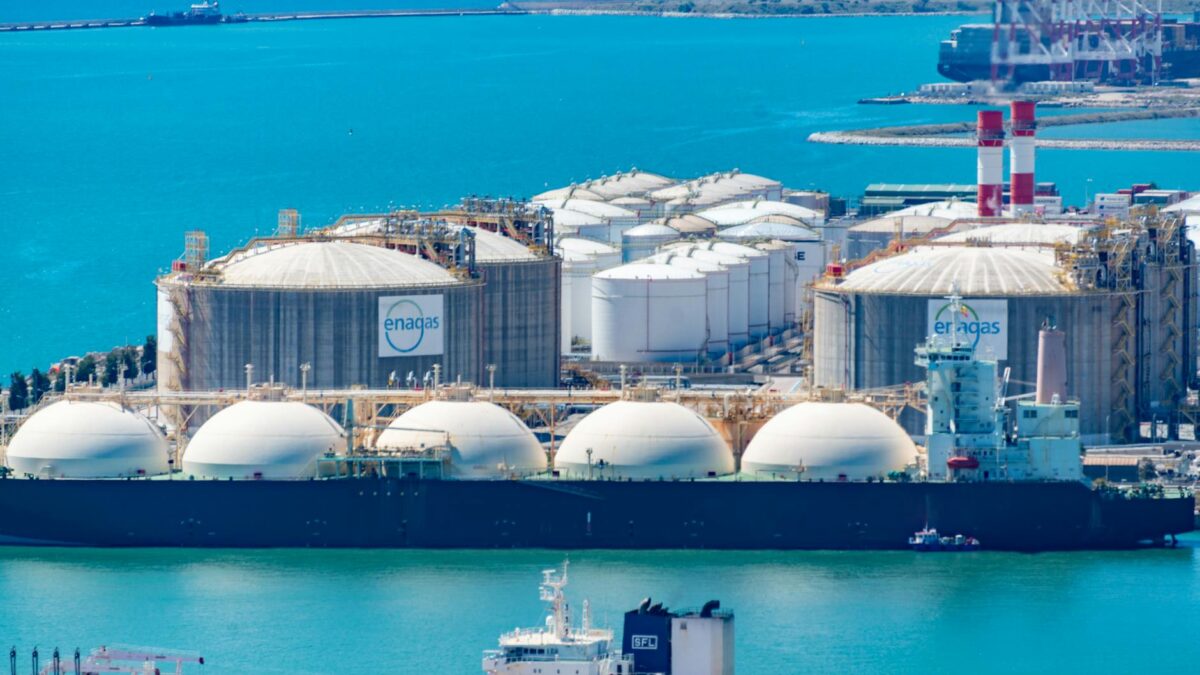
تخوض قطر للطاقة في منتصف أكبر توسعة منفردة للغاز الطبيعي المسال حاولتها الصناعة على الإطلاق. بحلول 2030، تستهدف الشركة المملوكة للدولة رفع طاقة تصدير الغاز المسال من 77 مليون طن سنوياً إلى 142 مليون طن — زيادة 84 بالمئة تُنفَّذ في نحو ستّ سنوات، وتُموَّل بـ 29 مليار دولار من رأس المال في الاستكشاف والإسالة، ويدعمها كتاب عقود أقفل أكثر من 70 بالمئة من الحجم الجديد على صفقات تمتدّ 20 إلى 27 سنة.
إذا التزمت قطر بالجدول، ستُنتج بحلول 2030 غازاً مسالاً أكثر ممّا أنتجته الولايات المتحدة وأستراليا وروسيا مجتمعة في 2019. القصّة وراء هذه الأرقام هي رهان ثلاثيني على مكمن غاز بحري منفرد، ومجموعة مُنسَّقة بعناية من شراكات الحصص مع الشركات الغربية الكبرى وشركات النفط الوطنية الصينية، ومجموعة من العقود الطويلة الأجل التي تُؤطّر السوق العالمية للغاز لعقد.
المكمن وراء كلّ شيء: حقل الشمال
يبدأ كلّ حساب حول مستقبل قطر في الغاز المسال بحقيقة جيولوجية واحدة. يحوي حقل الشمال، قبالة الساحل الشمالي الشرقي لقطر، احتياطيات مؤكّدة تبلغ نحو 900 تريليون قدم مكعّبة من الغاز الطبيعي في هيكل واحد — أي نحو 10 بالمئة من الغاز المؤكّد عالمياً. ويمتدّ التكوين الجيولوجي ذاته إلى المياه الإيرانية كحقل بارس الجنوبي، ما يجعله أكبر مكمن هيدروكربوني مشترك على وجه الأرض.

فرضت قطر حظراً ذاتياً على توسعة حقل الشمال عام 2005، محافظةً على المكمن بينما درست ديناميكيات الاستنزاف الطويلة الأجل وانتظرت طلب الغاز المسال ليُبرّر توسعة أخرى. رُفِع الحظر عام 2017 بعد أن أكّد برنامج حفر أنّ الحقل يمكنه أن يحافظ على الاستخراج بمعدّلات أعلى بكثير دون تقليل الاسترداد النهائي. بين 2017 و2021، تنقّلت قطر للطاقة عبر دراسات الجدوى والهندسة الأولية والهندسة الأمامية وقرارات الاستثمار النهائية لأوّل مرحلتين من المشروع. بدأ البناء فعلياً في 2022.
حجم المكمن هو الذي يجعل التوسعة منطقية اقتصادياً. تكاليف الرفع على غاز حقل الشمال نحو 0.40 دولار للمليون وحدة حرارية بريطانية — أدنى من أيّ حقل مماثل عالمياً تقريباً وجزء يسير من 2 إلى 3 دولارات للمليون وحدة حرارية لغاز هنري هاب الأمريكي. حتّى بعد إضافة 1.40 دولار للإسالة، و0.60 دولار للشحن إلى آسيا، وعائد معقول على رأس المال، يظلّ الغاز المسال القطري المُسلَّم تنافسيّاً عند أيّ سعر غاز عالمي محتمل حتّى 2045.
ما الذي يُبنى فعلاً
انقسمت التوسعة إلى ثلاثة مشاريع منفصلة رسمياً. كلّ منها يُضيف قطارات مستقلّة — خطوط إسالة بحجم صناعي — في مُجمّع راس لفّان للتصدير في شمال شرق البلاد.
| المرحلة | طاقة مضافة | عدد القطارات | أوّل إنتاج | التصاعد الكامل |
|---|---|---|---|---|
| حقل الشمال الشرقي (NFE) | 32 مليون طن | 4 × 8 ملايين طن | الربع الثاني 2026 | الربع الرابع 2027 |
| حقل الشمال الجنوبي (NFS) | 16 مليون طن | 2 × 8 ملايين طن | الربع الرابع 2026 | الربع الثالث 2027 |
| حقل الشمال الغربي (NFW) | 17 مليون طن | 2 × 8.5 ملايين طن | الربع الأول 2029 | الربع الثاني 2030 |
| الإجمالي المضاف | 65 مليون طن | 8 قطارات |
كلّ قطار بسعة 8 ملايين طن مشروع ضخم بنفسه بقيمة مليار دولار، مبني حول ضاغط مبرّد رئيسي ووحدة معالجة الغاز وممتصّ الأمين وصندوق برودة الإسالة. وشركة تشيودا اليابانية، وتكنيب إنيرجي الفرنسية، وماكديرموت إنترناشيونال الأمريكية هم المقاولون الرئيسيون للهندسة والتوريد والإنشاء؛ وتُورّد إير برودكتس أند كيميكالز التكنولوجيا الرئيسية للإسالة وفق متغيّر مرخّص من AP-X طوّرته قطر في أوائل الألفية.
سعة القطار الواحد البالغة 8 ملايين طن أكبر من أيّ قطار تشغيلي في الولايات المتحدة؛ قطارات سابين باس التابعة لشركة شينيير اسمياً 5 ملايين طن. يستغلّ حجم قطار قطر وفورات الحجم على جانب ضغط المبرّدات وتكاليف الأنابيب، وهو أمر كان أساسياً للحفاظ على التكاليف الرأسمالية لوحدة الإسالة في نطاق 800-900 دولار لكلّ طن سنوياً مقابل أكثر من 1500 دولار/طن في المشاريع الأمريكية الأخيرة.
شركاء الحصص: من دخل
تحتفظ قطر للطاقة بـ 75 بالمئة من كلّ مشروع. تخصيصات 25 بالمئة الأقلّية مُنِحت بين 2022 و2024 في عملية اختيار متعدّدة الجولات وازنت التزامات الشراء الطويلة الأجل ومساهمات التكنولوجيا وقيمة العلاقة الاستراتيجية.
| الشريك | حصّة NFE | حصّة NFS | حصّة NFW |
|---|---|---|---|
| قطر للطاقة | 75.00% | 75.00% | 75.00% |
| شل | 6.25% | 9.375% | 9.375% |
| توتال إنيرجيز | 6.25% | 9.375% | 9.375% |
| إكسون موبيل | 6.25% | 0% | 0% |
| كونوكوفيليبس | 3.125% | 6.25% | 0% |
| إيني | 3.125% | 0% | 0% |
| سينوبيك | 0% | 0% | 3.125% |
| CNPC | 0% | 0% | 3.125% |
النمط يهمّ. أُعطِيت إكسون موبيل وإيني الأولوية في المرحلة الأولى (NFE) ما يعكس عقوداً من الشراكة التشغيلية مع قطر في منشآت قطرغاز ورأس غاز القائمة. ضاعفت شل وتوتال إنيرجيز عبر المراحل الثلاث، وموضعتا كلا الشركتَين الكبريين شريكَين غربيَّين أكثر تكاملاً في مستقبل قطر الغازي. خسرت كونوكوفيليبس حصّتها في NFW في إعادة التوزيع 2024. ودخلت شركات النفط الوطنية الصينية فقط في حقل الشمال الغربي، ما يعكس تحوّلاً سياسياً استوعب كتاب الشراء الصيني الطويل الأجل دون تخفيف المرسى الغربي للحصص في وقت مبكر من الصفّ.
عوائد الحصص للشركاء الأقلّية حقيقية لكنّها ليست مذهلة. عند سعر غاز مسال محقّق 8 دولارات للمليون وحدة حرارية، تُولّد كلّ حصّة 3.125 بالمئة في قطار 8 ملايين طن نحو 200 مليون دولار من التدفّق النقدي للمساهمة في السنة على عمر مشروع 25 سنة — مجدية للشركات المواءمة استراتيجياً مع قطر لكن ليست محرّك تقييم لإكسون أو شل على مستوى المجموعة. القيمة الاستراتيجية هي عقد الشراء الذي يرافق الحصّة، ما يُعطي كلّ شريك مصدر إمداد مستقرّ لتغذية محافظ التكرير.
كتاب العملاء: من أقفل حتّى 2050
بحلول أبريل 2026، وقّعت قطر للطاقة اتّفاقيات بيع وشراء طويلة الأجل تُغطّي نحو 48 مليون طن من توسعة 65 مليون طن. هذا 74 بالمئة من الطاقة الجديدة ملتزم بها على صفقات 20 إلى 27 سنة، التسعير مفهرس أساساً على معيار برنت بميل 11 إلى 14 بالمئة مع حدود دنيا وعليا محدّدة في عدّة عقود.
| المشتري | الحجم (مليون طن) | طول العقد | سنة البدء | التسعير |
|---|---|---|---|---|
| سينوبيك | 4.5 | 27 سنة | 2026 | ميل برنت |
| CNPC | 4.0 | 27 سنة | 2026 | ميل برنت |
| CPC (تايوان) | 4.0 | 27 سنة | 2027 | ميل برنت |
| شل (محفظة أوروبا) | 3.5 | 27 سنة | 2026 | JKM + برنت هجين |
| توتال إنيرجيز (أوروبا) | 3.5 | 27 سنة | 2026 | JKM + برنت هجين |
| إيني (إيطاليا) | 1.0 | 27 سنة | 2026 | ميل برنت |
| كونوكوفيليبس (ألمانيا) | 2.0 | 15 سنة | 2026 | JKM + TTF هجين |
| بنغلاديش بتروبانغلا | 1.8 | 15 سنة | 2026 | ميل برنت |
| البترول الكويتية | 3.0 | 15 سنة | 2026 | ميل برنت |
| سينوبيك (إضافي) | 3.0 | 27 سنة | 2028 | ميل برنت |
| إن إن للغاز (الصين) | 2.0 | 27 سنة | 2029 | ميل برنت |
| مرافق آسيوية أخرى | نحو 15 | 15-27 سنة | 2026-2030 | مختلط |
| إجمالي الملتزم | نحو 48 |
تُحفَظ 17 مليون طن المتبقية من الطاقة غير الملتزم بها عمداً كتعرّض فوري، ما يُعطي قطر للطاقة القدرة على الاستفادة من أيّ ارتفاع سعري مستدام مع الاحتفاظ بخيار توقيع صفقات طويلة الأجل إضافية بشروط مواتية. وأشارت الإدارة إلى أنّ العقود الجديدة الطويلة الأجل المُوقَّعة بعد 2026 ستستهدف ميل برنت أعلى — من 11.5 بالمئة المرسى للصفقات المبكرة نحو 13-14 بالمئة — يعكس تضييق إمداد الغاز المسال العالمي في أواخر العقد.
أوروبا: يأس وحدود هيكلية
جعل تحوّل أوروبا بعيداً عن الغاز الأنبوبي الروسي بعد 2022 قطر المورّد الأكثر أهمّيةً استراتيجيّاً للقارّة. لكنّ الواقع الهيكلي هو أنّ قطر لا تستطيع — ولن — أن تحلّ محلّ دور غازبروم السابق.
استوردت أوروبا نحو 155 مليار متر مكعّب من الغاز الأنبوبي الروسي في 2021. هذا الحجم يُعادل 115 مليون طن على أساس الغاز المسال. إجمالي تسليمات قطر الأوروبية الملتزم بها بحلول 2028 نحو 15-18 مليون طن، أو 22 إلى 26 مليار متر مكعّب. هذا 14 إلى 17 بالمئة من حجم روسيا السابق — مُهمّ، لكنّه قاصر عن الاستبدال الكامل. جاء التعديل الفعلي لأوروبا من مزيج من قطر، والغاز المسال الأمريكي (الذي يُورّد الآن 25-30 مليون طن إلى محطات إعادة تغويز أوروبية)، وتوسعة الأنابيب النرويجية، وتقليل الطلب عبر الكفاءة وخفض الصناعة، وتسريع الطاقة المتجدّدة.
تُفضّل قطر المشترين الآسيويين في العقود الطويلة الأجل باستراتيجية متعمّدة. تسعير ميل برنت الآسيوي عند 13 إلى 14 بالمئة يدفع لقطر للطاقة أفضل من تسعير مُفهرس على محور أوروبي في عالم يميل فيه TTF إلى التداول دون ما يعادل برنت. أعمال الشراء الأوروبية القارية تحوزها شل وتوتال إنيرجيز أساساً تحت تخصيصات حصصها — أحجام يمكنها توجيهها إلى الأسواق الأوروبية حين يُناسب التسعير وتحويلها إلى آسيا حين تنعكس الفروقات.
آسيا: السوق المهيمن
ستكون الصين أكبر زبون منفرد لإنتاج التوسعة القطرية، ملتزمةً بنحو 22 مليون طن عبر المراحل الثلاث تحت عقود تمتدّ إلى 2053. هذا يجعل قطر أكبر مورّد غاز مسال منفرد للصين بحلول 2030، متقدّمةً على أستراليا (نحو 20 مليون طن) والولايات المتحدة (نحو 15 مليون طن).
التداعيات الاستراتيجية للصين هي تنويع الإمداد. تعرّض بكين للغاز المسال الأمريكي كان مُخاطِراً سياسياً نظراً لديناميكيات حرب التعريفات 2018-2019؛ نما الإمداد الأسترالي لكنّه يظلّ مركّزاً في عدّة مُنتِجين. الغاز المسال القطري، المُسعَّر على برنت لا على هنري هاب، يُنوِّع تعرّض الصين للأسعار وكذلك قاعدتها الجغرافية للموردين. ويُقدّم طول العقد البالغ 27 سنة رؤية تسعير طويل الأجل لا يمكن للشراء الفوري السنوي مضاهاتها — قيّمة للمرافق والمشترين الصناعيين الذين يُنمذجون قواعد تكاليفهم.
الأسواق الآسيوية الأخرى تهمّ لكنّها تقع في الهوامش. عقد بنغلاديش البالغ 1.8 مليون طن تحوّلي لقطاع الطاقة المحلّي، الذي عانى من الوصول إلى الغاز المسال منذ ارتفاعات أسعار 2022 التي أخرجته من السوق الفورية. يملأ 4 ملايين طن لتايوان فجوة مع انتهاء العقود القديمة مع إندونيسيا. فضّلت كوريا الجنوبية واليابان تاريخياً عقوداً مع المُنتِجين الأستراليين والقطريين؛ تنتقل الصفقات القطرية القائمة إلى التوسعة مع تعديلات طفيفة على صيغة الميل.
الغاز المسال الأمريكي: المنافس الذي وصل
أصبحت الولايات المتحدة أكبر مُصدِّر غاز مسال في العالم في 2023 ويُتوقّع أن تبلغ نحو 160 مليون طن من الطاقة بحلول 2027 مع اكتمال تشغيل بلاكمينز وريو غراندي وكوربوس كريستي المرحلة الثالثة وبورت آرثر وغولدن باس. ستحلّ قطر عند 142 مليون طن بحلول 2030 في المرتبة الثانية. الديناميكية التنافسية بين نظامَي الإمداد تُشكّل تسعير الغاز المسال عالمياً.
اقتصاديات الغاز المسال الأمريكي مختلفة هيكلياً. يعمل هنري هاب الفوري بـ 2.50-3.50 دولار للمليون وحدة حرارية في الدورة الحالية؛ بإضافة 2-2.50 دولار للإسالة و0.60 دولار للأنبوب إلى المحطة والشحن 0.50-1.20 دولار اعتماداً على الوجهة، تقع التكلفة المُسلَّمة إلى آسيا حول 8-9 دولارات للمليون وحدة حرارية. التكلفة المُسلَّمة لقطر إلى نفس الوجهات نحو 6.50-7.50 دولار — ميزة مستدامة 1.50 دولار وأكثر تُعطي الغاز المسال القطري جذباً هيكليّاً لحصّة السوق في آسيا.
الميزة الأمريكية في أوروبا. شحن ساحل الخليج الأمريكي إلى شمال غرب أوروبا 10-12 يوماً؛ راس لفّان إلى شمال غرب أوروبا 22-28 يوماً عبر قناة السويس. تُضيّق هذه الفجوة الشحنية فرق التكلفة المُسلَّمة دون دولار للمليون وحدة حرارية في التحكيم الأوروبي. الأهمّ أنّ الغاز المسال الأمريكي يُقدّم مرونة: تبيع معظم المحطات الأمريكية على أساس رسوم تحويل أو تسليم ظهر السفينة حيث يُحدّد المشتري وجهة الشحنة، ما يسمح للتجّار بملاحقة أعلى الأسواق سعراً. شحنات قطر تاريخياً كانت لها فقرات وجهة؛ خفّفت عقود التوسعة هذه الشروط بشكل كبير لكن ليس كلّياً.
تأثير التسعير: TTF وJKM وشكل السوق الغازية العالمية
حين تأتي توسعة قطر كاملةً عبر الإنترنت في 2030، سيتجاوز الإمداد العالمي للغاز المسال الطلب في معظم سيناريوهات النمذجة حتّى 2034. هذا الفائض يضغط التسعير الفوري عند TTF الهولندي وعلامة اليابان-كوريا، مجذِباً كلا المعيارَين دون 8 دولارات للمليون وحدة حرارية في النماذج الأساسية. يستفيد مشترو الغاز الصناعي الأوروبي ومرافق الطاقة الآسيوية على حدّ سواء.
لقطر للطاقة نفسها، تحوّل التسعير يهمّ أقلّ ممّا قد يهمّ بائعاً فوريّاً. 74 بالمئة من العقود المُوقَّعة على صيغ مرتبطة ببرنت تعزل قطر من تقلّبات الأسعار الفورية خلال شروط العقد. التعرّض الفوري المتبقّي هو موقع مرن — ستبيع قطر للطاقة في الارتفاعات وتقبل أحجاماً أقلّ سعراً في المنخفضات. الأثر الصافي هو أنّ ملف أرباح قطر حتّى 2035 أكثر استقراراً من مُصدِّري الغاز المسال الأمريكيين (المُعرَّضين لهنري هاب والفارق الدولي) أو العمليات الأسترالية المدفوعة بالسوق الفورية.
التداعيات السياسية مهمّة للاقتصادات المُستورِدة للغاز. يُشير تحليل رويترز لتوازن العرض-الطلب للغاز العالمي إلى أنّ السوق بعد 2030 قد تكون سوق مشترين هيكلياً إذا سلّمت توسعة قطر في الموعد وحافظت مشاريع الغاز المسال الروسية القطبية على الإنتاج الحالي. TTF عند 7 دولارات بدلاً من 15 سيُغيّر تنافسية الصناعة الأوروبية مقابل النظراء الأمريكيين بصورة ذات معنى.
أسطول الشحن: Q-Max وQ-Flex وتعقيد قناة بنما
إضافة 65 مليون طن من طاقة الغاز المسال تتطلّب توسعة مطابقة لأسطول الشحن الذي يحمل المنتج إلى السوق. وضعت قطر للطاقة وشركاؤها أكبر طلبية بناء سفن غاز مسال في تاريخ الصناعة — نحو 130 سفينة عبر أربع فتحات ترسانة أولية مع هيونداي للصناعات الثقيلة وسامسونغ للصناعات الثقيلة وهانوا أوشن (دايو سابقاً) ومؤسّسة الصين لبناء السفن. تتجاوز القيمة المُتعاقد عليها 30 مليار دولار، وتجرى التسليمات بين 2024 و2030.
مزيج الأسطول متعمّد. سفن Q-Max بسعة 266 ألف متر مكعّب هي أكبر ناقلات غاز مسال بُنيت على الإطلاق وتخدم طرقاً طويلة المسافة عالية الحجم إلى الصين واليابان وكوريا. تتعامل سفن Q-Flex بسعة 216 ألف متر مكعّب مع طرق أقصر قليلاً وتُقدّم مرونة في استدعاء المحطات حيث لا تستطيع سفن Q-Max الرسوّ. تملأ السفن التقليدية بسعة 174 ألف متر مكعّب الباقي، خاصّةً على الطرق الأوروبية حيث لموانئ البحر الأبيض المتوسّط قيود على العمق والطول.
قضية قناة بنما صداع تشغيلي حيّ. لا تستطيع سفن Q-Max العبور عبر القناة حتّى بعد توسعة نيوباناماكس 2016، فتوجيه قطر إلى ساحل غرب الولايات المتحدة يأخذ إمّا السويس وحلقة عبر المحيط الهادئ أو يستخدم رأس الرجاء الصالح. لا أيّ منهما تنافسي مع الغاز المسال من ساحل الخليج الأمريكي لتحكيم الساحل الغربي، ما يعني أنّ قطر تتخلّى فعلياً عن سوق الساحل الغربي الأمريكي للمنافسين من ساحل الخليج. يتغيّر الحساب التشغيلي فقط إذا أصبحت عمليات قناة بنما المعتمدة على العمق غير موثوقة — وهو ما رصده تقرير بلومبرغ كمصدر قلق متصاعد خلال دورة جفاف 2025-2026.
تكلفة الشحن مكوّن مادّي في سعر الغاز المسال المُسلَّم. بمعدّلات إيجار 2025 البالغة 120-180 ألف دولار يومياً لناقلة غاز مسال حديثة، تُضيف رحلة ذهاب وعودة من قطر إلى روتردام في 48 يوماً نحو 0.90 دولار للمليون وحدة حرارية للتكلفة المُسلَّمة؛ رحلة إلى طوكيو في 42 يوماً تُضيف 0.80 دولار. تتحرّك هذه الأرقام مادّياً مع تغيّر معدّلات الإيجار؛ شهد ارتفاع أسعار 2022 إيجارات قصيرة الأجل تُصفّي عند 350 ألف دولار يومياً، ما ضاعف تقريباً مكوّن التكلفة لأيّ شحنة فورية خلال تلك الفترة.
آليّات التسعير: كيف تعمل عقود ميل برنت فعلاً
فهم اقتصاديات الغاز المسال القطري يتطلّب رؤية واضحة لصيغ تسعير العقود. الهيكل المهيمن لعقود التوسعة هو ميل برنت: سعر الغاز المسال بالدولار للمليون وحدة حرارية يُساوي نسبة مئوية محدّدة (الـ “ميل”) من متوسّط 3 أشهر لسعر برنت المُؤرَّخ، زائداً أو ناقصاً ثابت.
ميل برنت 11.5 بالمئة مع ثابت صفر، عند برنت 80 دولاراً، يُشير إلى سعر غاز مسال محقّق 9.20 دولار للمليون وحدة حرارية — قريباً من أسعار آسيا الفورية الحالية. ميل 13.5 بالمئة عند نفس برنت يُنتج 10.80 دولار للمليون وحدة حرارية. الفرق خلال عقد 27 سنة بحجم 4.5 مليون طن يتراكم إلى نحو 13 مليار دولار من العائدات الإضافية — لهذا تُعدّ مفاوضات الميل المحادثة التجارية الأكثر أهمّيةً في أيّ عقد غاز مسال.
عقود التوسعة تتضمّن بشكل متزايد أيضاً حدوداً دنيا وعليا للميل. حدّ أدنى نموذجي عند 8.5 بالمئة يحمي المشتري إذا ارتفع برنت فوق 120؛ حدّ أعلى نموذجي عند 13.5 بالمئة يحمي قطر للطاقة إذا انهار برنت نحو 50. تُقلّص هذه الأحكام ذيل الربحية لكلا الجانبين مقارنةً بهيكل ميل نقي لكنّها تُزيل مخاطر الحالات المتطرّفة التي لا يريد أيّ طرف ضمانها على 27 سنة. التحوّل نحو هياكل محدودة تطوّر تجاري كبير من عقود الغاز المسال القطرية الأسبق التي نادراً ما تضمّنتها.
العقود الأوروبية أكثر ارتباطاً بـ TTF أو بمزيج من TTF وJKM، ما يعكس التسعير الأكثر سيولةً على محور شمال غرب أوروبا. تحمي الصيغ المُفهرَسة على TTF المشتري إذا انهار الطلب الأوروبي على الغاز (انخفض TTF) لكنّها تُعرِّضه لتقلّبات السوق الفورية دون وساطة. الهياكل الهجينة التي تفاوضت عليها شل وتوتال إنيرجيز — متوسّطات موزونة من TTF وJKM وبرنت — محاولات لنشر التعرّض عبر نقاط مرجعية متعدّدة وتقليل التقلّب لإدارة محفظة المشتري.
دور العقود الطويلة الأجل في السيولة العالمية للغاز
المحور نحو العقود الطويلة الأجل منذ 2022 أحد أكثر الاتّجاهات تأثيراً في أسواق الغاز العالمية. بين 2016 و2021، انخفضت حصّة الغاز المسال العالمي المُتداوَل بعقود 10 سنوات أو أكثر من نحو 75 بالمئة إلى 50 بالمئة مع تفضيل المشترين للهياكل الفورية وقصيرة الأجل. عكس الغزو الروسي لأوكرانيا في 2022 النمط بحدّة؛ وبحلول 2025، كانت نحو 80 بالمئة من أحجام الغاز المسال الجديدة المتعاقد عليها على صفقات 15 سنة أو أكثر.
استفادت قطر بشكل غير متناسب من هذا الانعكاس. يُظهر متتبّع الغاز المسال لـبلومبرغ أنّ قطر وقّعت حجماً طويل الأجل أكثر من أيّ منتج آخر بين 2022 و2025، مستحوذةً على حصّة غير متناسبة من طلب المشترين للإمداد المُؤرَّخ الموثوق. وقّع المُنتِجون الأمريكيون أحجاماً ذات معنى أيضاً، لكن تحت هياكل عقود أكثر مرونةً مع مرونة الوجهة وتسعير هجين يُناسب نماذج الأعمال للتاجر-المُشغِّل مثل شينيير. يُناسب هيكل قطر — طويل الأجل، مرتبط ببرنت، مُقيَّد الوجهة — المرافق ومشتري شركات النفط الوطنية الذين تُفضّل نماذج أعمالهم الخاصّة القابلية للتنبّؤ على مرونة التداول.
الاعتبارات البيئية والكربونية
تحمل توسعة حقل الشمال بصمة كربونية تتناسب مع حجمها. التزمت قطر للطاقة بالتقاط وتخزين 11 مليون طن من ثاني أكسيد الكربون سنوياً بحلول 2035 عبر مُجمّعها للغاز المسال، بما في ذلك 4.5 مليون طن من القطارات الجديدة. يُضيف استثمار الالتقاط نحو 5 بالمئة إلى الإنفاق الرأسمالي للمشروع لكنّه يُوضِع الغاز المسال القطري بشكل أفضل مقابل آليّات تعديل الحدود الكربونية الأوروبية التي تبدأ ملزمة خلال أواخر العقد.
التزم حرق الغاز في قطارات التوسعة بأن يكون أدنى ما يمكن عبر خيارات تصميم شاملة توربينات عالية الكفاءة واستعادة غاز مغلقة الحلقة ومراقبة الانبعاثات الهاربة عبر سلسلة الإسالة. التحقّق المستقلّ لملفّات الانبعاثات هذه من قبل المجموعة الدولية لمُستورِدي الغاز الطبيعي المُسال وعدّة مشترين غربيين شرط في بعض العقود الأوروبية — رافعة تجارية لم تكن موجودة في منشآت قطرغاز الأصلية وتُعطي المشترين آليّة مساءلة ما عن الانبعاثات المرتبطة بمشترياتهم. وسواء ترجمت هذه المساءلة إلى تغيير سلوكي حقيقي يبقى للرؤية؛ لقطر الحجم لاستيعاب تكاليف الانبعاثات دون تحوّلات تشغيلية درامية.
السؤال الاستراتيجي الأكبر هو تسرّب الميثان عبر سلسلة القيمة، وهو حيث تتحدّى تنافسية الغاز المسال مقابل الفحم ومقابل الكهربة بجدّية أكبر. معدّلات تسرّب قطر، المُقدَّرة بشكل مستقلّ بنحو 0.2 بالمئة من الغاز المُنتَج، من بين الأدنى عالمياً — أدنى بكثير من عتبة 2.4 بالمئة التي يفقد فوقها الغاز المسال ميزة دورة حياته على الفحم. هذه ميزة تنافسية هادئة نادراً ما تظهر في المناقشات التجارية لكنّها تحمل وزناً حقيقياً مع المرافق الأوروبية الواعية بالكربون التي تُخطّط حتّى الثلاثينيات.
العلاقة مع مشروع إيران في بارس الجنوبي
بُعد واحد أخير ذو أهمّية للقرّاء الخليجيين: العلاقة بين توسعة قطر ومشروع إيران في بارس الجنوبي الذي يتقاسم معه المكمن ذاته. تُنتج إيران حالياً نحو 24 مليار قدم مكعّبة يومياً من بارس الجنوبي مقابل نحو 17 مليار قدم مكعّبة يومياً من حقل الشمال القطري قبل التوسعة. العقوبات الدولية على إيران أعاقت قدرة طهران على استثمار مستوى تكنولوجيا الإسالة الذي يسمح بتصدير الغاز المسال، فيما تستخدم إيران الغاز محلّياً أو تُصدّر عبر الأنابيب. تكتيكياً، هذا الوضع أفضل لقطر — تستخرج أحجاماً أكبر في سباق من جانب واحد فعلياً — لكنّه يخلق خطراً طويل الأجل إذا رُفِعت العقوبات ودخل الغاز المسال الإيراني السوق بطاقة ذات معنى. تُنمذج قطر هذه الحالة الاحتمالية بعناية وتُحدّد تسعيرها المستقبلي على عقود التوسعة جزئياً بناءً على افتراضات إمداد إيران.
مخاطر الجدول: ما الذي يمكن أن يفشل
للتوسعة مخاطر تنفيذية تتناسب مع حجمها. خمسة مخاطر محدّدة تقع على متتبّع قطر للطاقة:
عنق الزجاجة في البنية المشتركة. تربط القطارات الثمانية الجديدة كلّها بمنشآت معالجة الغاز المُسبقة والجفاف وفصل المكثّفات المشتركة في راس لفّان. يُعطّل فشل أيّ نظام مشترك قطارات متعدّدة في وقت واحد. أظهر تشغيل قطار قطرغاز IV الأصلي في 2013 كيف يمكن لمشكلة صمّام واحد أن تُؤخّر سلسلة كاملة لأشهر.
العمالة والمهارات. تستورد قطر الغالبية الساحقة من قوّتها العاملة الإنشائية. كان إمداد العمالة من الهند وبنغلاديش ونيبال والفلبين كافياً حتّى 2025، لكنّ المنافسة المتسارعة من المشاريع العملاقة السعودية (نيوم والبحر الأحمر والقدية) والبنية التحتية المستمرّة للإمارات ضيّقت سوق العمل الإقليمية بطرق تظهر كتصاعد تكاليف العمل الإضافي وانزياح الجدول.
المعدّات التخصّصية. تأتي ضاغطات المبرّدات الرئيسية — قلب كلّ قطار غاز مسال — من حفنة من المُصنِّعين عالمياً، أساساً سيمنز إنيرجي وجي إي فيرنوفا وميتسوبيشي للصناعات الثقيلة. امتدّ تأخّر تسليم أحدث الطلبات إلى 32-36 شهراً في 2024، مقابل 18-22 شهراً في 2018. تسلسُل الطلبات المتوازية عبر ثمانية قطارات تطلّب ترتيباً دقيقاً لتجنّب اختناقات المورّدين.
طقس التركيب البحري. يتطلّب تطوير حقل الشمال تركيب منصّات جمع غاز جديدة وأنابيب تحت البحر. نوافذ التركيب في الخليج مُقيَّدة بالحرّ الصيفي (يحدّ من عمل الغطّاسين) والطقس الشتوي (يحدّ من عمليات الرفع الثقيل). دفعت نوافذ تركيب ضائعة بعض نشاط 2025 إلى 2026.
الأحداث الجيوسياسية. أيّ تصعيد إقليمي يُؤثّر على شحن الخليج أو يُعطّل تنقّل المقاولين يُمثّل خطراً منخفض الاحتمال لكن عالي الأثر. يُظهر تحليل مخاطر مضيق هرمز كيف سيُؤثّر التعطيل المستدام للوصول البحري الخليجي على صادرات الغاز المسال القطري ونفط أرامكو على حدّ سواء، مُؤكّداً التعرّض الجيوسياسي المشترك.
جيوسياسيّة قطر الغازية
تُحوّل توسعة حقل الشمال موقع قطر الاستراتيجي بطرق تتجاوز عائدات الطاقة. مع 142 مليون طن من طاقة التصدير بحلول 2030، تُصبح قطر أكثر أهمّيةً لأمن الطاقة الأوروبي، وأكثر مركزيّةً لتخطيط الإمداد الصيني، وأكثر تعرّضاً لأيّ نزاع يُؤثّر على الوصول البحري عبر مضيق هرمز أو باب المندب.
هذا التعرّض هو السبب الذي دفع قطر تاريخياً للحفاظ على مسافة حذرة عبر النزاعات الإقليمية — التعامل مع إيران في إدارة مكمن حقل الشمال، واستضافة عمليات القيادة المركزية الأمريكية الأمامية في قاعدة العديد، والوساطة في مفاوضات غزة وأفغانستان، والحفاظ على روابط تجارية مع إسرائيل (عبر قنوات اقتصادية محدودة) والجوار العربي الخليجي. التوسعة تُعمّق هيكل الحوافز للحفاظ على هذا التوازن.
القصّة الموازية هي محفظة شركاء قطر. كان اختيار إدخال شركات النفط الوطنية الصينية في حقل الشمال الغربي مهمّاً — يُوضِع الصين رسمياً داخل هيكل المشاريع المشتركة لأكثر أصول قطر استراتيجيةً، خطوة قاومتها الدولة لأكثر من عقد. يعكس هذا التحوّل السياسي الواقع بأنّ التزامات الشراء الصينية الطويلة الأجل كبيرة لدرجة أنّ دمج الحصص الصينية مع الشراكة التشغيلية يُقلّل الاحتكاك السياسي في محادثات العقود المستقبلية.
الأثر المالي على قطر للطاقة
لا تُفصح قطر للطاقة عن قوائم مالية تفصيلية علناً. تشير التقديرات المبنية على أحجام الإنتاج وهياكل العقود المنشورة إلى أنّ التوسعة ترفع عائدات قطر للطاقة السنوية من الغاز المسال من نحو 55 مليار دولار عند 77 مليون طن إلى نحو 95-105 مليار دولار بحلول 2031 عند 142 مليون طن، على افتراض أسعار محقّقة في نطاق 7.50-8.50 دولار للمليون وحدة حرارية.
صافي الدخل، بعد تراكم الإنفاق الرأسمالي الضخم 2026-2029، يعمل على الأرجح 45-55 مليار دولار سنوياً من 2031 وما بعد. يعني هيكل قطر المملوك للدولة أنّ معظم ذلك الربح يتدفّق مباشرةً إلى الخزينة القطرية وهيئة الاستثمار القطرية، مموّلةً استثمارات سيادية عالمياً بطريقة مماثلة لكيفية تمويل السعودية لصندوق الاستثمارات العامّة عبر توزيعات أرامكو. التزام توزيعات قطر للطاقة الفعلي للدولة أعلى — قريب من 80 بالمئة من صافي الدخل في معظم السنوات — من أرامكو، ما يعكس غياب قاعدة مستثمرين أقلّية مدرجة.
يتتبّع مراقبو أسواق رأس المال قطر للطاقة أساساً عبر إصدارها للسندات. أخذت الشركة 12 مليار دولار في 2024 بفوارق أضيق من السيادي القطري — ما يعكس حجم العائدات المتعاقد عليها والدعم الحكومي. ويُتوقّع أن تُموّل إصدارات إضافية في 2026-2028 الإنفاق الرأسمالي المتبقّي.
ما يجب على المستثمرين والمراقبين متابعته
أكثر نقاط البيانات أثراً للتوسعة على مدى السنوات الأربع القادمة هي:
- تاريخ أوّل إنتاج تجاري لكلّ قطار مقابل الجدول — الانزلاق بأكثر من ربع على أيّ قطار يُشير إلى تأخير نظامي
- وتيرة توقيع العقود الطويلة الأجل — تحتاج 17 مليون طن المتبقية إلى الالتزام بحلول 2028 بميول مواتية
- جداول تسليم المعدّات — وصول ضاغطات المبرّدات الرئيسية هو مؤشّر المسار الحرج
- مسار تسعير الغاز المسال الفوري — TTF وJKM فوق أو دون 8 دولارات يُعيد تشكيل اقتصاديات العقود
- نشاط الشركاء — أيّ تغيير في محاذاة الحصص أو إعلان عقد كبير يُشير إلى إعادة تموضع
يقع موقع قطر الاستراتيجي في الغاز المسال أيضاً إلى جانب البنية التحتية الأشمل للغاز في الشرق الأوسط — انظر تحليل منتصف الطريق لرؤية 2030 السعودية لمواضيع موازية لاستثمار الغاز في الخليج.
يجدر التأكيد على نقطة نادراً ما تُقال علناً: التوسعة القطرية لن تُغلق تلقائياً الفجوة بين إمداد الغاز المسال عالمياً والطلب على مدى العقد القادم بصورة ميكانيكية. الميكانيكا الأعمق تقود التسعير من خلال المرونات بين TTF وJKM وتوازن الإنتاج المستدام للغاز الأمريكي. نجاح قطر في التنفيذ يفتح نافذة ولا يقفل السوق؛ تحرّكات مُنتِجين آخرين — توسعات كندية في LNG Canada ومشاريع Woodfibre وKsi Lisims ومشاريع Coral South الموزمبيقية وMamba والاحتمالات المتأخّرة في تنزانيا — ستُحدِّد ما إذا تحوّل الفائض إلى ارتداد سعري مستدام أم يمتصّ عند نمو الطلب العضوي في جنوب شرق آسيا وجنوب آسيا.
بالنسبة للقرّاء الذين يتتبّعون التداعيات الإقليمية، النتيجة العملية هي أنّ قطر ستُصبح أكثر أهمّيةً استراتيجيّاً لحسابات أمن الطاقة في بكين ونيودلهي وبرلين في وقت واحد بطرق تُعمّق تشابك قطر الدبلوماسي مع المراكز العالمية. ولا يزال الأثر المحلّي للتوسعة على الاقتصاد القطري أقلّ إثارةً — النمو السكّاني والتوظيف في قطاع اللحوم الحمراء والمشاريع الصغيرة والسياحة تصاعد تدريجياً منذ 2022 — لكنّ الموارد المالية التي تُولّدها التوسعة ستُغذّي الإنفاق على البنية التحتية المحلّية والخدمات الاجتماعية طوال ثلاثينيات القرن الحادي والعشرين بطرق ستتفوّق على حجم التخطيط المالي للعديد من دول مجلس التعاون الأخرى.
الخلاصة
توسعة حقل الشمال لقطر هي أكبر استثمار منفرد للبنية التحتية للطاقة قيد التنفيذ في أيّ مكان في العالم. سيُوضِع تنفيذها الناجح قطر بصفتها المورّد الأكثر أهمّيةً للغاز المسال في ثلاثينيات القرن، ويُقفل تسعير الغاز الطويل الأجل لمعظم آسيا عند مستويات قريبة من الحالية تقريباً، ويُخفّض تكاليف الغاز الصناعي الأوروبي بطرق تُعيد تشكيل التنافسية القارّية. الفشل، أو حتّى الانزلاق الكبير، سيكون له الأثر المعاكس — لكنّ مزيج الميزة الجيولوجية القطرية وكتاب عملاء عميق وإدارة مشروع منضبطة يجعل التنفيذ الناجح الحالة الأساسية.
للصورة الإقليمية الأشمل، توسعة قطر تُكمِّل لا تُنافس أطروحة تنويع رؤية 2030 السعودية. تكسب قطر عبر منتج واحد ذي ميزة تكلفة هيكلية؛ والسعودية تُراهن على اقتصاد خدمات وسياحة محلّي يرتكب فوق قاعدتها الهيدروكربونية الخاصّة. يعكس كلا النهجَين الحقيقة الكامنة ذاتها — أنّ دول مجلس التعاون الخليجي لا تزال تعمل على الغاز والنفط، وأنّ الخمس عشرة سنة المقبلة ستُحدَّد بكيفية تموضع هؤلاء المُنتِجين في عالم يلين فيه الطلب على الوقود الأحفوري هامشياً لكنّه يظلّ كبيراً هيكلياً.
المِرحلة التالية للمستثمرين لمتابعتها هي التصاعد التجاري الكامل لقطار NFE 1 خلال صيف 2026، والتصاعد الموازي لقطارات NFE 2 و3 خلال 2027. إذا جاءت هذه القطارات الثلاثة عبر الإنترنت ضمن نوافذها المُعلَنة، فالتوسعة الأشمل على المسار. إذا انزلقت، فكلّ افتراض لاحق يحتاج إلى إعادة نظر.