عيد الفصح الشرقي 2026: مصر تحتفل والشرق الأوسط يتألم
اليوم، السبت 12 أبريل 2026، يثثل ملايين الأقباط الأرثوذكس حول العالم عيد الفصح المجيد — عيد القيامة الذي يُعد أهم أعياد الكنيسة القبطية على الإطلاق، أكبر من عيد الميلاد نفسه. وغداً، الأحد 13 أبريل، تحتفل مصر بأكملها — مسلمون ومسيحيون على حد سواء — بشم النسيم، أقدم عيد ربيعي في تاريخ البشرية يعود إلى مصر الفرعونية قبل أكثر من 4,500 سنة.
في عام يعيش فيه الشرق الأوسط أحلك فصوله — حرب في لبنان وحصار في غزة وتوترات في كل مكان — تبقى مصر الدولة الوحيدة في المنطقة التي تحتفل بأعياد الربيع بشكل طبيعي. وهذا ليس مجرد احتفال — إنه شهادة على نسيج مجتمعي فريد تتشابك فيه خيوط الإسلام والمسيحية والتراث الفرعوني في لوحة لا تتكرر في أي مكان آخر على وجه الأرض.
لماذا يختلف تاريخ عيد الفصح الشرقي عن الغربي؟
في عام 2026، احتفلت الكنائس الغربية (الكاثوليكية والبروتستانتية) بعيد الفصح يوم 5 أبريل، بينما يحتفل الأرثوذكس اليوم 12 أبريل — فارق أسبوع واحد هذا العام. لكن الفارق قد يصل إلى خمسة أسابيع في سنوات أخرى. لماذا؟
السبب يعود إلى قرار اتُخذ قبل 1,700 سنة. في مجمع نيقية عام 325 ميلادية، قررت الكنيسة المسيحية الموحدة أن عيد الفصح يُحتفل به في أول أحد بعد أول بدر يلي الاعتدال الربيعي (21 مارس). المشكلة أن الكنائس الغربية تبنّت التقويم الغريغوري عام 1582 (الذي نستخدمه اليوم)، بينما تمسكت الكنائس الأرثوذكسية بالتقويم اليولياني القديم الذي يتأخر 13 يوماً عن الغريغوري. النتيجة: حتى لو كان الحساب الفلكي واحداً، فإن “21 مارس” اليولياني يقع في تاريخ مختلف عن “21 مارس” الغريغوري.
هناك قاعدة إضافية عند الأرثوذكس: عيد الفصح المسيحي يجب أن يقع بعد عيد الفصح اليهودي (البيساح)، وليس قبله أو معه. هذا الشرط يضيف أحياناً أسبوعاً أو أكثر للفارق. في 2026، عيد الفصح اليهودي يبدأ مساء 1 أبريل، مما يعني أن كلا التاريخين المسيحيين يقعان بعده — لذلك الفارق هذا العام أسبوع فقط.
متى يتوحد التاريخ؟
في بعض السنوات يتطابق التاريخان — آخر مرة حدث ذلك كانت عام 2025 حين احتفل الجميع يوم 20 أبريل. والمرة القادمة ستكون عام 2028. هناك حركة مسكونية منذ عقود لتوحيد تاريخ عيد الفصح بشكل دائم، لكنها لم تثمر بعد بسبب التمسك بالتقاليد الليتورجية العريقة.
الصوم الكبير: 55 يوماً من الروحانية تصل ذروتها اليوم
ما يجعل عيد الفصح القبطي مميزاً ليس فقط القداس بل ما يسبقه: الصوم الكبير الذي يمتد 55 يوماً — الأطول بين جميع الأصوام المسيحية في العالم. بدأ هذا العام في 16 فبراير واستمر حتى اليوم. خلال هذه الفترة، يمتنع الأقباط عن جميع المنتجات الحيوانية — اللحوم والدواجن والأسماك والبيض ومنتجات الألبان — في صوم نباتي صارم يُعد من أقسى الأصوام الدينية في أي تقليد ديني.
الأسبوع الأخير من الصوم — أسبوع الآلام — هو الأكثر كثافة روحياً. من أحد الشعانين (الأسبوع الماضي) مروراً بخميس العهد (أمس) وجمعة الصلبوت (الجمعة الحزينة اليوم صباحاً)، تقام صلوات متواصلة في الكنائس تمتد لساعات. في كنائس مصر العريقة — كالمعلقة في مصر القديمة وكنيسة مارجرجس في القاهرة وكاتدرائية العباسية — تمتلئ الساحات بآلاف المصلين في مشهد إيماني مهيب.
ليلة سبت النور — الليلة الماضية — هي ذروة الاحتفالات. في تمام منتصف الليل، تُضاء الكنائس بعد فترة من الظلام، ويُرنّم “المسيح قام… بالحقيقة قام” — الترتيلة التي يعرفها كل مصري مسيحي ومسلم على حد سواء. لحظة إعلان القيامة في الكنائس القبطية ليست مجرد حدث ديني — إنها تجربة جماعية تجمع عائلات بأكملها، من الأطفال إلى الأجداد، في لحظة فرح عميق بعد أسابيع من التقشف والتأمل.
مائدة الإفطار بعد الصوم: وليمة الانتظار
بعد 55 يوماً من الامتناع عن أي منتج حيواني، يمكنك تخيل كيف تبدو مائدة عيد الفصح القبطية. إنها وليمة بكل المقاييس:
- الفتة: أرز وخبز محمص مع مرق اللحم والخل والثوم — طبق احتفالي أساسي
- اللحوم المشوية والمحمّرة: الضأن خاصة، لأن خروف الفصح تقليد يعود لآلاف السنين
- الرقاق باللحم: طبقات من الخبز الرقيق مع اللحم المفروم والمرق
- البيض الملون: تقليد مشترك مع شم النسيم يبدأ من عيد الفصح نفسه
- الكحك والبسكويت: حلويات العيد التقليدية
- الفسيخ والرنجة: بعض العائلات تبدأ بها من عيد الفصح نفسه، لكن الأغلبية تحتفظ بها لشم النسيم
شم النسيم: 4,500 سنة من الاحتفال بالربيع
غداً، الأحد 13 أبريل 2026، تحتفل مصر بشم النسيم — وهو ليس عيداً دينياً بل عيد قومي مصري بامتياز يحتفل به الجميع بغض النظر عن الدين. هذا العيد يعود أصله إلى مصر القديمة، إلى ما قبل الديانات السماوية الثلاث بآلاف السنين.
الأصل الفرعوني: “شمو” عيد الحصاد
كلمة “شم النسيم” تحريف للكلمة المصرية القديمة “شمو” (Shemu) التي تعني “موسم الحصاد” — أحد الفصول الثلاثة في التقويم المصري القديم (الفيضان، البذر، الحصاد). كان المصريون القدماء يحتفلون ببداية الربيع وموسم الحصاد بطقوس خاصة تتضمن تقديم الأسماك المملحة والبصل والخس إلى الآلهة.
مع مرور الآلاف من السنين، تطور الاسم من “شمو” إلى “شم النسيم” — وهو تأويل شعبي جميل يعني “استنشاق نسيم الربيع.” والأجمل أن الطقوس الأساسية لم تتغير كثيراً عبر 45 قرناً: المصريون لا يزالون يأكلون السمك المملح والبصل والبيض الملون ويخرجون إلى الحدائق والمتنزهات — تماماً كما فعل أجدادهم الفراعنة.
كيف ارتبط شم النسيم بعيد الفصح؟
عندما دخلت المسيحية مصر في القرن الأول الميلادي، وجد الأقباط أن موعد شم النسيم يقع عادة قرب عيد الفصح. بدلاً من إلغاء العيد القديم، ربطوه بتقويمهم الديني فأصبح يُحتفل به دائماً يوم الاثنين التالي لعيد الفصح القبطي. هذا العام يكون استثناءً طفيفاً حيث يقع في يوم الأحد 13 أبريل مباشرة بعد سبت النور. وعندما جاء الإسلام، تبنّى المسلمون المصريون شم النسيم كعيد قومي — لأنه ليس عيداً مسيحياً بل فرعونياً في جوهره. هذا ما يجعل شم النسيم فريداً في العالم العربي: عيد يجمع المسلمين والمسيحيين في احتفال واحد بتراث مشترك يسبق كل الأديان.
دليل أكلات شم النسيم: التقاليد التي لا تموت
الفسيخ: ملك المائدة المثير للجدل
لا يوجد شم النسيم بدون فسيخ. هذا السمك المملح والمخمر — عادة من سمك البوري — هو البطل والشرير في آن واحد. المصريون ينقسمون حوله: محبوه يعتبرونه ذروة المتعة الغذائية، وكارهوه يعتبرونه خطراً صحياً ورائحة لا تُحتمل.
تحضير الفسيخ فن بحد ذاته يحتاج خبرة. السمك يُملح ويُخزّن في أوعية مغلقة لأسابيع حتى يتخمر. الفسيخ الجيد له لون ذهبي وملمس متماسك ونكهة مالحة قوية لكن ليست لاذعة. الفسيخ الرديء يمكن أن يسبب تسمماً غذائياً خطيراً — كل عام تحذر وزارة الصحة المصرية من شراء الفسيخ من مصادر غير موثوقة.
نصائح أمان الفسيخ لعام 2026:
- اشترِ من محلات معروفة ذات سمعة — محلات شهيرة في القاهرة مثل “شهاب” و”العمدة” و”صبري”
- تحقق من أن عين السمكة صافية وليست غائمة
- الفسيخ الجيد متماسك الملمس — إذا كان رخواً أو مفتتاً، لا تشتريه
- احفظه في الثلاجة واستهلكه خلال ساعات من فتحه
- مرضى الضغط والكلى يجب أن يتجنبوه أو يتناولوه بكميات محدودة جداً
الرنجة: البديل الأكثر أماناً
الرنجة المدخنة هي الرفيق الدائم للفسيخ — وكثير من المصريين يفضلونها كبديل أقل خطورة وأقل حدة في النكهة. تُقدم مشوية أو مقطعة مع البصل والطماطم وعصير الليمون. الرنجة أكثر أماناً من الفسيخ لأنها مدخنة وليست مخمرة، لكنها لا تزال عالية الملوحة.
البصل الأخضر: تقليد فرعوني حي
البصل الأخضر ليس مجرد إضافة جانبية — إنه ركن أساسي في مائدة شم النسيم يعود إلى مصر القديمة. الفراعنة كانوا يعلقون البصل على أبواب بيوتهم في هذا اليوم اعتقاداً بأنه يطرد الأرواح الشريرة ويجلب الصحة. اليوم، يؤكل البصل الأخضر الطازج مع الفسيخ والرنجة — مزيج لا يتخيله من لم يجربه، لكنه يعمل بشكل سحري.
البيض الملون: فن عائلي عابر للأجيال
تلوين البيض هو أكثر تقاليد شم النسيم حميمية. في الليلة السابقة — أي الليلة، ليلة عيد الفصح — تجتمع العائلات المصرية لسلق البيض وتلوينه بألوان زاهية. الأطفال يشاركون في التلوين والرسم على البيض، وكل عائلة لها أسلوبها الخاص. بعض العائلات تستخدم ألواناً غذائية، وبعضها يستخدم قشور البصل للحصول على لون بني ذهبي طبيعي — وهو الأسلوب التقليدي الأقدم.
البيض عند الفراعنة كان يرمز للحياة والخصوبة وبداية جديدة — وهو نفس الرمز الذي يحمله البيض في تقاليد عيد الفصح المسيحية (القيامة والحياة الجديدة). هذا التقاطع الجميل بين التقليد الفرعوني والمسيحي هو ما يجعل شم النسيم عيداً فريداً حقاً.
الخس: الطبق الذي يحتقره الجميع لكن يأكله الجميع
الخس حاضر دائماً على مائدة شم النسيم — تقليد يعود لمصر القديمة حيث ارتبط الخس بالإله “مين” إله الخصوبة. اليوم لا أحد يفكر في الرمزية الفرعونية — الخس ببساطة يكسر حدة ملوحة الفسيخ والرنجة ويمنح المائدة بعض اللون الأخضر.
نزهات شم النسيم: أين يذهب المصريون غداً؟
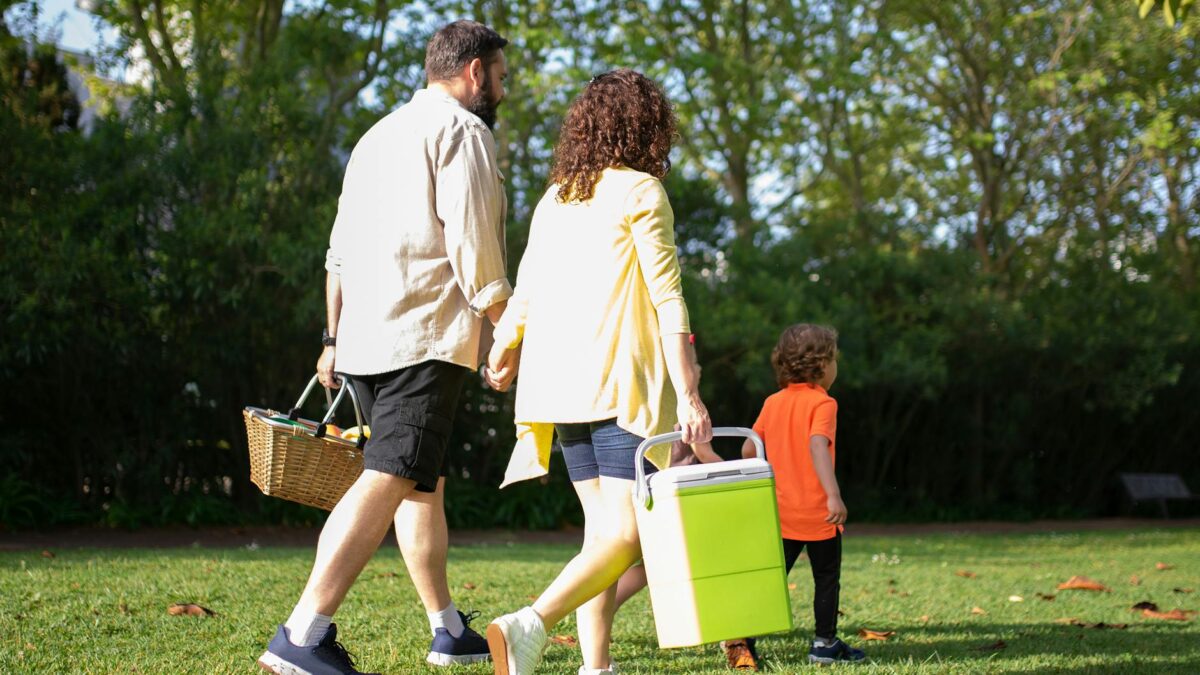
شم النسيم هو في جوهره عيد في الهواء الطلق. ملايين المصريين يخرجون غداً إلى الحدائق والمتنزهات والشواطئ في أكبر نزهة جماعية في العالم العربي. إليكم أبرز الوجهات:
القاهرة الكبرى
- حديقة الأزهر: جوهرة القاهرة الخضراء وأكثر الحدائق ازدحاماً في شم النسيم. تذكرة الدخول 25-50 جنيهاً. انصحكم بالذهاب مبكراً جداً — بحلول العاشرة صباحاً لن تجدوا مكاناً للجلوس
- حديقة الأسرة (المعادي): خيار ممتاز للعائلات مع مناطق لعب أطفال
- القناطر الخيرية: الوجهة التقليدية لأهل القاهرة — حدائق واسعة على ضفاف النيل بأسعار معقولة
- كورنيش النيل (المعادي/المنيل): للذين يفضلون البساطة — فرش بطانية على ضفة النيل والاستمتاع بالفسيخ مع العائلة
- حديقة الحيوان بالجيزة: ازدحام شديد لكنها خيار اقتصادي محبوب للعائلات
الإسكندرية
- كورنيش الإسكندرية: ملايين حرفياً يتوافدون على كورنيش البحر — من المنتزه إلى ستانلي
- حدائق المنتزه: الخيار الملكي — حدائق القصر الملكي السابق مع إطلالة بحرية
- شاطئ المعمورة: لمن يريد الجمع بين البحر والفسيخ
الفيوم والصعيد
- بحيرة قارون (الفيوم): وجهة متزايدة الشعبية لأهل القاهرة الباحثين عن هدوء بعيد عن الزحام
- وادي الريان: شلالات وطبيعة خلابة — خيار المغامرين
- ضفاف النيل في المنيا وأسيوط: احتفالات أكثر هدوءاً وأصالة
التأثير الاقتصادي لشم النسيم 2026
شم النسيم ليس مجرد عيد ثقافي — إنه محرك اقتصادي ضخم. تُقدّر مبيعات الأسماك المملحة (الفسيخ والرنجة والسردين) في أسبوع شم النسيم بمئات الملايين من الجنيهات. أسعار الفسيخ هذا العام ارتفعت بنحو 20-25% مقارنة بالعام الماضي بسبب ارتفاع تكاليف الاستيراد والتعبئة:
- الفسيخ البوري: 350-500 جنيه/كيلو (حسب الجودة)
- الرنجة المدخنة: 150-250 جنيه/كيلو
- السردين المملح: 100-180 جنيه/كيلو
- البيض: ارتفع إلى 110-130 جنيه/كرتونة (30 بيضة)
قطاع النقل والسياحة الداخلية ينتعش أيضاً — الحافلات بين المدن ممتلئة بالكامل، وفنادق الساحل الشمالي والعين السخنة والغردقة محجوزة بنسبة تتجاوز 85%. مدينة الملاهي والمنتزهات الترفيهية تحقق أعلى إيراداتها السنوية في هذا اليوم.
تحيات عيد الفصح وشم النسيم بالعامية المصرية واللهجات العربية
إذا كنت تريد تهنئة أصدقاءك وأحبابك، إليك أجمل العبارات:
بالعامية المصرية
- “المسيح قام… بالحقيقة قام” — التحية الأرثوذكسية التقليدية (الرد: بالحقيقة قام)
- “عيد فصح مجيد وكل سنة وانت طيب” — تهنئة عامة
- “شم نسيم سعيد عليك وعلى العيلة” — لشم النسيم
- “يلا الفسيخ ناديكم” — دعوة مرحة لمشاركة الفسيخ
- “النهارده عيدنا كلنا” — للتأكيد على أنه عيد مشترك
بالعامية اللبنانية
- “المسيح قام… حقاً قام” — التحية الشرقية
- “عيد فصح مجيد عليك وعالعيلة”
- “يعطيك ألف عافية بهالعيد”
- “فصح مبارك وكل سنة وإنت سالم”
بالعامية السورية
- “المسيح قام… حقاً قام” — نفس الصيغة الشرقية
- “عيد فصح سعيد عليك وعالأهل”
- “كل عام وإنت بخير بمناسبة العيد”
- “الله يعيده عليك بالصحة والسلامة”
بالعامية الخليجية
- “عساكم من عواده” — تهنئة عامة تصلح لكل المناسبات
- “مبروك العيد وكل عام وأنتم بخير”
عيد الفصح في القدس: قيود واحتفالات مكبّلة
بينما مصر تحتفل بحرية، المشهد في القدس مختلف تماماً هذا العام. كنيسة القيامة — أقدس موقع مسيحي في العالم حيث يُعتقد أن المسيح صُلب ودُفن وقام — تقيم طقوسها اليوم لكن تحت قيود أمنية مشددة فرضتها السلطات الإسرائيلية.
طقس النار المقدسة — أشهر احتفالات عيد الفصح الأرثوذكسي الذي يجذب عادة عشرات الآلاف — يُقام هذا العام بحضور محدود. الحواجز الأمنية الإسرائيلية تمنع كثيراً من الفلسطينيين المسيحيين في الضفة الغربية من الوصول إلى القدس. المسيحيون من غزة — حيث تضم الطائفة نحو 1,000 شخص — ممنوعون تماماً من المغادرة في ظل الحصار المستمر.
هذا العام، أصدرت الكنائس المسيحية في القدس بياناً مشتركاً نادراً يدعو إلى “السماح لجميع المسيحيين بممارسة حقهم في الصلاة والوصول إلى الأماكن المقدسة بحرية.” البطريرك ثيوفيلوس الثالث، بطريرك القدس الأرثوذكسي، وصف القيود بأنها “جرح في قلب المسيحية.”
المسيحيون الفلسطينيون: “فصح رصين”
المسيحيون الفلسطينيون — الذين يبلغ عددهم نحو 50,000 في الضفة الغربية والقدس — يحتفلون بما أسموه “فصح رصين” هذا العام. الكنائس تقيم القداسات لكن بدون الاحتفالات التقليدية المبهجة — لا زينة، لا مسيرات، لا ألعاب نارية. “كيف نحتفل ونحن نرى إخوتنا في غزة يعانون؟” تسأل ميرا خوري، مُدرّسة مسيحية من بيت لحم.
في بيت لحم — مسقط رأس المسيح وفقاً للتقليد المسيحي — كنيسة المهد تقيم قداس الفصح لكن الحضور أقل بكثير من السنوات السابقة. السياحة الدينية، التي تشكل العمود الفقري لاقتصاد بيت لحم، انهارت بنسبة تفوق 80% منذ بداية الحرب.
لبنان: صلوات تحت القصف
في لبنان، حيث يشكل المسيحيون نحو 30-35% من السكان، عيد الفصح هذا العام له طعم مختلف تماماً. الكنائس في بيروت والجبل وطرابلس تقيم قداسات القيامة اليوم، لكن الأجواء بعيدة كل البعد عن الاحتفال.
عملية الظلام الأبدي في جنوب لبنان — التي قتلت 357 شخصاً وشرّدت أكثر من 200,000 — ألقت بظلالها على كل شيء. كنائس الجنوب المسيحية — في مرجعيون وجزين والقليعة — بعضها مغلق وبعضها تضرر من القصف. أبناء الجنوب المسيحيون النازحون يحتفلون بعيد الفصح في مراكز إيواء وشقق مستأجرة في بيروت، بعيداً عن قراهم وكنائسهم.
البطريرك الماروني بشارة الراعي وجّه في عظة عيد الفصح رسالة مؤثرة: “في هذا الفصح، نصلي خاصة لأبناء الجنوب الذين يدفعون ثمن حرب لم يختاروها. القيامة تعني الأمل حتى في أحلك الظلام.” كنائس لبنان خصصت جزءاً من صلوات اليوم لأرواح ضحايا القصف وللنازحين — تحويل عيد الفرح إلى مناسبة للتضامن والصلاة من أجل السلام.
مصر: الاستثناء المشرق
في خضم كل هذا الألم الإقليمي، تبرز مصر كاستثناء مشرق. هنا، عيد الفصح وشم النسيم يُحتفل بهما كما ينبغي — بفرح وعفوية وروح جماعية. لماذا مصر مختلفة؟
أولاً، لأن مصر ليست في حالة حرب. رغم أن الأزمة الإقليمية تؤثر على اقتصادها وسياستها، فإن الحياة اليومية للمصريين تستمر بشكل طبيعي.
ثانياً، لأن التعايش بين المسلمين والمسيحيين في مصر — رغم تحدياته — حقيقي وعميق. شم النسيم هو التجسيد الحي لهذا التعايش. عندما ترى عائلة مسلمة وعائلة مسيحية جالستين جنباً إلى جنب في حديقة الأزهر يتقاسمان الفسيخ والرنجة، فأنت تشهد شيئاً لا يحدث في أي مكان آخر في الشرق الأوسط بهذه العفوية.
ثالثاً، لأن الهوية المصرية أقدم من أي انتماء ديني. شم النسيم عمره 4,500 سنة — أقدم من الإسلام والمسيحية واليهودية. عندما يحتفل المصري بشم النسيم، فإنه يحتفل بمصريته قبل أي شيء آخر. هذا الارتباط بالجذور الفرعونية يمنح مصر طبقة هوية إضافية لا تملكها أي دولة عربية أخرى.
تقاليد عائلية: كيف تمضي عائلة مصرية يومي العيد
سبت النور (اليوم — 12 أبريل)
- الصباح: العائلات المسيحية تذهب لقداس عيد الفصح في الكنائس
- الظهر: وليمة الإفطار بعد الصوم — اللحوم والفتة والأطباق الاحتفالية
- بعد الظهر: زيارات عائلية — التهنئة بالعيد وتبادل الحلويات والكحك
- المساء: تحضيرات شم النسيم — سلق وتلوين البيض، تجهيز الفسيخ والرنجة
- الليل: النوم مبكراً استعداداً للنزهة المبكرة غداً
شم النسيم (غداً — 13 أبريل)
- الفجر/الصباح الباكر: بعض العائلات تخرج مع شروق الشمس لـ”شم نسيم الصبح”
- الصباح: إفطار الفسيخ والرنجة والبيض الملون — في البيت أو في الحديقة
- الضحى: الانطلاق إلى الحدائق والمتنزهات — كل عائلة وفرشتها وأكلها
- الظهر: الذروة — الحدائق ممتلئة والأجواء احتفالية والأطفال يلعبون
- العصر: بعض العائلات تبدأ بالعودة — المرور يتحول إلى كابوس
- المساء: العودة للبيت منهكين سعداء — والأطفال نائمون في السيارة
نصائح عملية لشم النسيم 2026
- للمرور: اخرج قبل الساعة 8 صباحاً أو لا تخرج أصلاً — الطرق المؤدية للحدائق تتحول إلى مواقف سيارات بحلول العاشرة
- للطعام: جهّز كل شيء الليلة — لا تعتمد على شراء الفسيخ غداً في الحديقة (الأسعار تتضاعف)
- للصحة: اشرب ماءً كثيراً مع الفسيخ لمقاومة الملوحة. خذ ليمون وبصل أخضر
- للأطفال: البيض الملون وألعاب بسيطة — كرة أو بالونات — كفيلة بإسعادهم طوال اليوم
- للطقس: أبريل في مصر دافئ (25-30 درجة في القاهرة) — خذ قبعة وكريم واقي من الشمس
- للتصوير: شم النسيم فرصة لصور عائلية لا تُنسى — الضوء الطبيعي في الحدائق المصرية رائع
شم النسيم في عيون العالم
قليل من العالم يعرف عن شم النسيم، رغم أنه أحد أقدم الأعياد المستمرة في تاريخ البشرية. في السنوات الأخيرة، بدأ الاهتمام الدولي يتزايد — مقالات في ناشيونال جيوغرافيك وبي بي سي عربي سلّطت الضوء على هذا التقليد الفريد. بعض الباحثين يرون أن تقاليد عيد الفصح المسيحية (البيض الملون والأرانب ورموز الربيع) تعود في أصولها إلى تقاليد شم النسيم الفرعونية التي انتشرت عبر التجارة والاتصال الثقافي بين مصر والعالم القديم.
بالنسبة للسياحة المصرية، شم النسيم فرصة غير مستغلة. تخيّل حملة سياحية عالمية: “احتفل بأقدم عيد ربيعي في العالم في مصر” — الأهرامات والمعابد والنيل مع تجربة ثقافية حية لا يمكن تكرارها في أي مكان آخر. المكونات موجودة — كل ما ينقص هو التسويق الذكي.
رسالة شم النسيم في 2026: الحياة تستمر
في عام تتساقط فيه القنابل على لبنان وتُحاصر غزة وتنهار المحادثات في إسلام أباد، شم النسيم يقول شيئاً بسيطاً لكنه عميق: الحياة تستمر. ليس بالتجاهل — المصريون يعرفون ما يحدث حولهم ويتألمون له — بل بالإصرار على أن الفرح حق إنساني والتقاليد جذور تمسك الأمة في مكانها حين تهب العواصف.
حين تجلس غداً مع عائلتك في حديقة أو على شاطئ أو حتى على سطح بيتك، وتأكل الفسيخ وتضحك مع أولادك وهم يتسابقون بالبيض الملون — تذكر أنك تمارس تقليداً يعود لأكثر من 4,500 سنة. أجدادك الفراعنة فعلوا نفس الشيء في نفس الأرض تحت نفس الشمس. هذا ليس مجرد عيد — إنه ميراث.
كل سنة وأنتم طيبين. كل سنة ومصر بخير. وشم نسيم سعيد على الجميع.
اقتصاديات عيد الفصح وشم النسيم: عطلة نهاية أسبوع بنصف مليار دولار
التأثير الاقتصادي المشترك لعيد الفصح الأرثوذكسي وشم النسيم على الاقتصاد المصري مذهل — يُقدّر بنحو 25-30 مليار جنيه مصري (460-550 مليون دولار) خلال اليومين. هذا الرقم يشمل مشتريات الطعام والنقل والترفيه والسياحة الداخلية وإنفاق التجزئة، مما يجعله أحد أكبر أحداث الإنفاق الاستهلاكي في التقويم المصري السنوي، في المرتبة الثانية بعد عيد الفطر فقط.
طفرة صناعة الغذاء
صناعة الأسماك المملحة وحدها تولّد ما يُقدّر بـ3-4 مليار جنيه خلال فترة شم النسيم. سلسلة توريد الفسيخ والرنجة في مصر تتضمن آلاف الأعمال الصغيرة — من الصيادين في بحيرة البرلس وبحيرة المنزلة الذين يصطادون البوري الخام، إلى مرافق معالجة الملح في الإسكندرية ودمياط، إلى محلات البيع في القاهرة وطنطا والمنصورة. سلسلة التوريد هذه توظف ما يُقدّر بـ50,000-70,000 عامل موسمياً، كثير منهم يعتمد على موسم شم النسيم في جزء كبير من دخلهم السنوي.
صناعة البيض تشهد أيضاً ارتفاعاً حاداً. مصر تستهلك نحو 12-15 مليار بيضة سنوياً، لكن ما يُقدّر بـ300-400 مليون بيضة تُشترى تحديداً لعيد الفصح وشم النسيم — ارتفاع بنسبة 25% في أسبوع واحد. مزارع الدواجن في الدلتا تزيد إنتاجها في أواخر مارس لتلبية الطلب.
طفرة السياحة الداخلية
شم النسيم هو أكبر يوم سياحة داخلية في مصر على الإطلاق. تُقدّر هيئة تنشيط السياحة أن 15-20 مليون مصري يسافرون خارج محافظتهم للعيد — لزيارة الحدائق والشواطئ والعائلات في مدن أخرى. نسب إشغال الفنادق على الساحل الشمالي والبحر الأحمر وساحل سيناء تصل لقرب 100%. إيرادات السياحة في هذا اليوم الواحد تتجاوز ما تحققه كثير من الوجهات السياحية المصرية في أسبوع كامل عادي.
شبكات النقل تنوء تحت الطلب. السكة الحديد تضيف قطارات إضافية على المسارات الرئيسية — القاهرة-الإسكندرية، القاهرة-أسوان، القاهرة-بورسعيد — وجميعها محجوزة بالكامل قبل أيام. شركات الأتوبيسات الخاصة تعلن عن إشغال 100%. أوبر وخدمات النقل التشاركي في القاهرة تطبق أسعار ذروة تصل 3-4 أضعاف الأسعار العادية.
التجزئة والترفيه
المراكز التجارية في القاهرة والإسكندرية تسجل زيادة 40-60% في الإقبال خلال عطلة نهاية أسبوع عيد الفصح وشم النسيم. متاجر الملابس تروّج لمجموعات الربيع. محلات الألعاب تشهد ثاني أكبر يوم مبيعات في السنة. محلات الزهور تنفد من باقات الربيع.
أماكن الترفيه تستغل الأجواء الاحتفالية. ملاهي القاهرة — دريم بارك وأكوا بارك وماجيك لاند — تعمل بأقصى طاقتها مع أوقات انتظار تتجاوز ساعتين. دور السينما تسجل افتتاحات قوية للأفلام المعروضة في أسبوع العيد. المطاعم والمقاهي على كورنيش النيل تمدد ساعات عملها وتقدم قوائم خاصة بالعيد.
شم النسيم في المهجر المصري
للملايين من المصريين المقيمين بالخارج — 10-12 مليون تقريباً — شم النسيم رابط قوي بالوطن. الجاليات المصرية في أمريكا وكندا والإمارات والسعودية والكويت وأستراليا وأوروبا تنظم تجمعات شم النسيم الخاصة بها — عادة نزهات جماعية كبيرة في الحدائق العامة مع فسيخ مستورد ورنجة منزلية وبيض ملون.
في نيوجيرسي، موطن إحدى أكبر الجاليات المصرية الأمريكية، نزهة شم النسيم السنوية في ليبرتي ستيت بارك تجذب 3,000-5,000 حاضر. في سيدني، تجمع الجالية المصرية في سنتنيال بارك أصبح حدثاً متعدد الثقافات. في دبي حيث يعمل مئات الآلاف من المصريين، تُنظم فعاليات شم النسيم متعددة عبر الإمارة.
هذه الاحتفالات في المهجر تخدم وظائف متعددة: تحافظ على الهوية الثقافية، تنقل التقاليد للجيل الثاني من الأطفال المصريين الذين قد لا يكونون قد عاشوا شم النسيم في مصر، وتُعرّف غير المصريين بتراث ثقافي فريد. وسائل التواصل الاجتماعي ضاعفت هذا — هاشتاغ شم_النسيم يتصدر تويتر وإنستغرام كل سنة.
الأهمية الروحية لعيد الفصح الأرثوذكسي: ما وراء الاحتفال
لأقباط مصر الأرثوذكس البالغ عددهم 10-15 مليون، عيد الفصح ليس مجرد عطلة — إنه الأساس اللاهوتي لإيمانهم. قيامة المسيح هي الحدث المركزي في اللاهوت المسيحي، والكنيسة القبطية الأرثوذكسية تتعامل معه بعمق تقليد ليتورجي هو من أغنى ما في العالم المسيحي.
قداس الفصح القبطي، المُقام بمزيج من القبطية (سليلة اللغة المصرية القديمة) والعربية، يستمر عدة ساعات ويتبع بنية بقيت دون تغيير كبير لأكثر من 1,500 سنة. تقاليد الترتيل — المعروفة بـ”الألحان” — تُنقل شفهياً من جيل من الشمامسة إلى الجيل التالي، وتمثل أحد أقدم التقاليد الموسيقية المستمرة في العالم. خبراء الموسيقى لاحظوا تشابهات بين أنماط الترتيل القبطي وموسيقى المعابد المصرية القديمة، مما يشير إلى سلالة موسيقية متواصلة تمتد لآلاف السنين.
أيقونة القيامة — التي تصور المسيح خارجاً من القبر وغالباً يدوس أبواب الجحيم — هي محورية في الفن واللاهوت القبطي. في الكنائس القبطية المصرية، تُكشف هذه الأيقونات خلال قداس العيد بعد تغطيتها بقماش أسود طوال أسبوع الآلام، مما يخلق لحظة كشف بصرية ترافق إعلان القيامة المُرتّل.
المناخ والطبيعة: لماذا الربيع في مصر مميز
توقيت شم النسيم ليس عشوائياً — يتزامن مع واحدة من أجمل فترات السنة المصرية. أبريل في مصر يمثل الانتقال من برودة الشتاء المعتدلة إلى حرارة الصيف الشديدة. درجات الحرارة في القاهرة عادة تتراوح بين 20-30 درجة مئوية، والنيل في مستوى مريح، وزهور الصحراء البرية في مناطق مثل وادي دجلة ووادي الريان في أوج تفتحها.
هذا أيضاً موسم هجرة الطيور. مصر تقع على أحد مسارات هجرة الطيور الرئيسية في العالم — مسار الأخدود العظيم والبحر الأحمر — وأبريل يشهد ملايين الطيور تعبر الأجواء المصرية. مراقبو الطيور في واحة الفيوم وأراضي دلتا النيل الرطبة وعلى ساحل البحر الأحمر يمكنهم رصد أنواع تتراوح من اللقالق البيضاء إلى النسور المصرية إلى طيور الفلامنغو. الغرض الفرعوني الأصلي لشم النسيم — الاحتفال بتجدد الطبيعة — مرئي في التجدد الحرفي الذي يحدث عبر مناظر مصر الطبيعية كل أبريل.