USD/EGP Exchange Rate Today: April 10, 2026
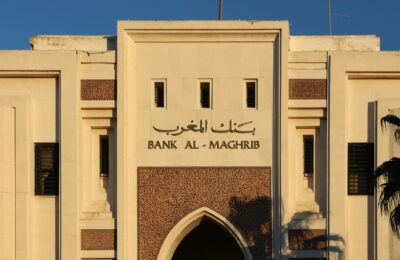
After weeks of severe turbulence, the Egyptian pound appears to have found a floor. The US dollar is trading at approximately 51.20 Egyptian pounds as of Thursday, April 10, 2026 — a meaningful improvement from the 54.35 peak recorded on March 15, when the Iran war was at its most intense and panic gripped currency markets across the region.
The decline of more than 3 pounds in less than a month is not just a number — it reflects a genuine shift in the economic dynamics that drive the exchange rate. The Iran ceasefire announced on April 4, the drop in oil prices from $131 to $91/barrel, and early signs of returning tourism and Suez Canal traffic have combined to give the pound room to breathe.
But is this a sustainable recovery or merely a pause before another round of pressure? This article provides the full analysis — with rate tables, gold prices in EGP, scenario forecasts, and practical guidance.

Exchange Rate Table: USD vs. Egyptian Pound — April 2026
| Bank | Buy Rate (EGP) | Sell Rate (EGP) |
|---|---|---|
| Central Bank of Egypt | 51.10 | 51.30 |
| National Bank of Egypt | 51.00 | 51.35 |
| Banque Misr | 51.05 | 51.40 |
| QNB Alahli | 51.10 | 51.45 |
| CIB | 51.00 | 51.40 |
| Bank of Alexandria | 51.05 | 51.50 |
| Arab African International Bank | 51.00 | 51.45 |
| Parallel Market (est.) | 51.50 | 52.00 |
Note: Rates are approximate as of the morning of April 10, 2026 and fluctuate throughout the day. The gap between official and parallel markets has narrowed significantly compared to the war period.
Major Currencies vs. Egyptian Pound
| Currency | Rate (EGP) | Monthly Change |
|---|---|---|
| US Dollar (USD) | 51.20 | -5.8% |
| Euro (EUR) | 55.80 | -5.2% |
| British Pound (GBP) | 64.90 | -4.9% |
| Saudi Riyal (SAR) | 13.65 | -5.7% |
| UAE Dirham (AED) | 13.94 | -5.8% |
| Kuwaiti Dinar (KWD) | 166.80 | -5.5% |
The Pound’s Journey in 2026: How We Got Here
January–February: Fragile Stability
The Egyptian pound entered 2026 at 49.80 against the dollar — a level considered relatively stable after years of flotation and successive devaluations. The Central Bank of Egypt (CBE) had maintained its key interest rate at 27.25% — among the highest in the world — which attracted significant foreign portfolio investment into government debt instruments (“hot money”).
The trade balance remained negative but was gradually improving. Suez Canal revenues in January 2026 reached approximately $800 million — still below pre-Red Sea crisis levels but trending upward. Remittances from Egyptians abroad — particularly from the Gulf — were stable at approximately $2.3 billion monthly.
Tourism was the bright spot. The 2025-2026 winter season saw 1.4 million tourists in January alone, with estimated revenues of $1.8 billion. Luxor, Hurghada, and Sharm El-Sheikh were packed. All of this supported the pound’s stability.
February 28: The Shock
When US-Israeli airstrikes hit Iran, Egypt was officially neutral but economically exposed. Three key channels were immediately affected:
- Oil import bill: Egypt imports roughly 40% of its oil needs. With crude jumping from $83 to above $120/barrel within days, the monthly import bill surged by over $1 billion. This additional dollar demand put direct pressure on the pound.
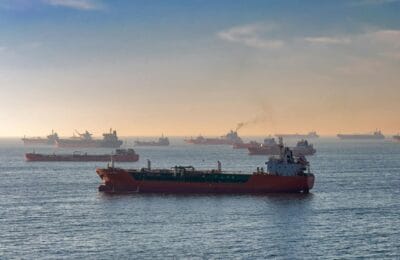
- Suez Canal: Major shipping companies rerouting around the Cape of Good Hope — due to escalating Houthi attacks and Strait of Hormuz uncertainty — cut canal revenues by 38%. A direct loss of approximately $300 million monthly.
- Hot money flight: Foreign investors in Egyptian treasury bills began exiting. Estimated outflows of $3-4 billion during March alone — doubling the pressure on the pound.
March: The Sharp Slide
Events accelerated dramatically. The pound started March at 50.10 and ended at 54.35 — an 8.29% depreciation in a single month. This was the largest monthly decline since the March 2024 flotation.
| Week | USD/EGP Rate | Change | Key Driver |
|---|---|---|---|
| Mar 1-7 | 50.10 → 51.40 | +2.6% | Oil above $120/barrel |
| Mar 8-14 | 51.40 → 53.20 | +3.5% | Hot money exit + Suez decline |
| Mar 15-21 | 53.20 → 54.35 | +2.2% | Peak fear + parallel market activity |
| Mar 22-31 | 54.35 → 53.80 | -1.0% | Ceasefire rumors |
The gap between official and parallel market rates, which had narrowed to less than 1% before the war, widened again to 3-4% — a clear signal that the market did not trust the CBE’s ability to maintain the official rate.
April: The Recovery Begins
The ceasefire on April 4 was a turning point. Within a single week, the dollar fell from 53.80 to 51.20 EGP — an improvement of approximately 4.8%. The drivers:
- Oil dropping from $104 to $91/barrel (reduces dollar demand for imports)
- Shipping companies beginning to return to the Suez Canal (dollar revenues)
- Parallel market demand declining as confidence returns
- Positive IMF signals regarding continued program support
Why the Pound Weakened More Than Regional Peers
A legitimate question: why did the pound fall 8.29% in March while the Saudi riyal didn’t move (dollar-pegged), the UAE dirham didn’t move (also pegged), and the Jordanian dinar fell only 0.3%?
1. Oil Import Dependence
Egypt is a net oil importer. Saudi Arabia, UAE, Iraq, and Kuwait are exporters. Rising oil prices inject dollars into Gulf economies while draining them from Egypt. Every $10 increase per barrel costs Egypt approximately $250 million per month in additional import costs.
2. Hot Money Dependence
Egypt relies heavily on foreign portfolio investment in government debt instruments. This “hot money” enters because of high interest rates (27.25%) and exits at the first sign of danger. During the Iran war, an estimated $3-4 billion left — enormous pressure for a country with foreign reserves of only about $46 billion.
By comparison, Saudi Arabia has reserves exceeding $430 billion. The UAE has sovereign wealth funds worth over $1.5 trillion. This difference in “financial cushion” makes their currencies far more shock-resistant.
3. Suez Canal Exposure
No other country in the region depends on a hard-currency revenue source as geopolitically exposed as Egypt’s dependence on the Suez Canal. Canal revenues represent roughly 3-4% of Egypt’s GDP. Their 38% decline during the war was a direct blow to the balance of payments.
4. Import-Heavy Economy
Egypt imports a large proportion of its basic needs — wheat, corn, cooking oil, and raw materials. Any disruption to global supply chains increases dollar demand. During the war, shipping costs rose 60-80%, inflating the import bill even when commodity prices themselves didn’t rise.
Why the Ceasefire Specifically Helps the Pound
Channel 1: Lower Oil Import Bill
With oil falling from its peak of $131 to $91/barrel — and expectations of reaching $85 by June — Egypt’s oil import bill is shrinking significantly. The difference between $131 and $91 = savings of approximately $1 billion per month. That is a billion dollars no longer being demanded in the foreign exchange market, easing pressure on the pound.
Channel 2: Suez Canal Revenue Recovery
The first major shipping companies have begun rerouting vessels through the Suez Canal following the ceasefire. Maersk announced on April 7 that it would gradually resume the Suez route for its Asia-Europe vessels. MSC and CMA CGM are in “evaluation” mode but signals are positive.
Full recovery will take time — the Suez Canal Authority estimates 2-3 months to reach 80% of pre-crisis levels. But even gradual increases mean hundreds of millions of additional dollars monthly.
Channel 3: Tourism Return
Hotel bookings in Sharm El-Sheikh, Hurghada, and Luxor jumped 35% in the week following the ceasefire compared to the week before. European tourists — especially from Germany, Britain, and Italy — are returning. Gulf tourism, which proved resilient during the war (up 20%), continues to grow.
Each tourist spends an average of $120-150 daily in Egypt. An additional million tourists means roughly $1.5 billion in hard currency flowing directly into the economy.
Channel 4: Hot Money Returns
With geopolitical risk receding and Egyptian interest rates still at 27.25%, foreign investment flows into government debt are returning. The real yield on Egyptian treasury bills — after deducting inflation — remains among the highest in emerging markets.
Estimated inflows in the first week after the ceasefire are approximately $800 million to $1 billion. If this trend continues, it could offset within 4-6 weeks what left during March.
Gold in Egyptian Pounds: The Paradox You Need to Understand
One of the most common questions among Egyptians right now: “Gold is falling globally, why isn’t it falling here?”
The answer lies in a simple equation: Gold price in EGP = Gold price in USD x USD/EGP rate.
| Period | Gold ($/gram) | USD/EGP | Gold (EGP/gram, 24K) |
|---|---|---|---|
| January 2026 | $88 | 49.80 | 4,382 EGP |
| Feb 2026 (pre-war) | $90 | 50.10 | 4,509 EGP |
| Mid-March (peak) | $160 | 54.35 | 8,696 EGP |
| End of March | $118 | 53.80 | 6,348 EGP |
| April 10 (now) | $100 | 51.20 | 5,120 EGP |
Notice the paradox: gold in dollars fell from $160 to $100/gram (a 37.5% drop). But in Egyptian pounds, it fell from 8,696 to 5,120 EGP/gram (a 41.1% drop). The EGP decline is steeper because the pound itself strengthened against the dollar.
In other words: if you bought gold in January at 4,382 EGP/gram and sold now at 5,120 EGP/gram, you’re up 16.8% in pound terms even though gold globally rose only 13.6%. The difference is the pound’s weakness “bonus.”
Gold Prices in EGP Today
| Karat | Price per Gram (EGP) | Price per Gold Pound (EGP) |
|---|---|---|
| 24K | 5,120 | 40,960 |
| 21K | 4,480 | 35,840 |
| 18K | 3,840 | 30,720 |
| 14K | 2,987 | 23,893 |
Prices are approximate as of April 10, 2026 and do not include manufacturing charges.
Central Bank of Egypt: What Comes Next?
Interest Rates: Between Inflation and Growth
The CBE faces a classic dilemma. The 27.25% interest rate protects the pound (attracts hot money) but strangles the economy (makes borrowing prohibitively expensive for businesses and individuals).
Before the war, there was an expectation that the CBE would begin gradual rate cuts in Q2 2026. The war delayed this scenario. The question now: does the ceasefire give the CBE room to start cutting?
Indicators are mixed:
- For cutting: Falling oil prices ease inflationary pressures. Returning foreign flows support the pound. The IMF hasn’t objected.
- Against cutting: Inflation remains elevated (March estimates at 28-30%). Cutting before inflation clearly declines could reignite pound pressure. The experience of the 2023 premature cut — which triggered a depreciation wave — remains in memory.
Most likely outcome: rates held at the April 17 meeting, with a potential 100-200 basis point cut in June if improvement continues.
Foreign Reserves
The last official CBE reserve figure was $46.1 billion at end-February. Estimates suggest a decline to approximately $43-44 billion by end-March due to foreign exchange market intervention and increased import costs.
The official March figure will be released mid-April. If it shows stabilization or limited decline, it would be a strong reassurance signal. A sharp drop below $42 billion could reignite pressure on the pound.
BRICS Impact on the Pound’s Future
Egypt became a formal BRICS member in January 2024. By April 2026, some tangible benefits are materializing:
Local Currency Trade
Currency swap agreements with China (yuan-pound) and India (rupee-pound) have begun reducing dollar dependence in some trade transactions. The volume of local currency trade remains small — approximately 8-10% of total trade with these countries — but it is trending upward.
Impact on the pound: every trade transaction completed without dollars reduces dollar demand in Egypt’s foreign exchange market. Over the long term (3-5 years), this could relieve 10-15% of pressure on the pound.
New Development Bank
Egypt received a $1.5 billion loan from the BRICS New Development Bank for infrastructure projects. The advantage: better terms than the IMF, with no painful reform conditionality attached. This provides dollar liquidity without the social pressure that accompanies IMF loans.
But Let’s Be Realistic
BRICS is not a magic solution. The US dollar still dominates over 85% of global trade. Most of Egypt’s external debt (approximately $165 billion) is denominated in dollars and euros. Oil and commodity prices are still dollar-priced. The real impact of BRICS on the pound will be gradual and long-term.
USD/EGP Rate Forecast: Where Are We Headed?
Optimistic Scenario: 48-50 EGP by End of 2026
Requires: sustained ceasefire evolving into peace agreement, oil stable below $85/barrel, Suez revenues recovering to 80%+ of pre-crisis levels, record summer tourism, continued foreign inflows, successful IMF fourth review. Probability: 25%.
Base Scenario: 50-52 EGP by End of 2026
Requires: ceasefire holds with intermittent tensions, oil in $85-95/barrel range, partial Suez and tourism recovery, gradual rate cuts to 23-25%, inflation declining to 20-22%. Probability: 50%.
Pessimistic Scenario: 55-58 EGP by End of 2026
Requires: ceasefire collapse and renewed hostilities, oil back above $120/barrel, continued Suez revenue decline, renewed hot money exodus, IMF program breakdown. Probability: 25%.
Regional Currency Comparison
| Currency | March 2026 Change | Post-Ceasefire Change | Reason |
|---|---|---|---|
| Egyptian Pound (EGP) | -8.29% | +4.8% | Oil importer, hot money dependent |
| Lebanese Pound (LBP) | -3.2% | +1.1% | Ongoing structural crisis |
| Jordanian Dinar (JOD) | -0.3% | +0.1% | Semi-fixed dollar peg |
| Saudi Riyal (SAR) | 0% | 0% | Dollar-pegged + oil exporter |
| UAE Dirham (AED) | 0% | 0% | Dollar-pegged + massive reserves |
| Turkish Lira (TRY) | -4.7% | +2.3% | High inflation + geographic proximity |
| Iraqi Dinar (IQD) | -1.8% | +0.5% | Directly affected by conflict |
Egypt was the most affected among the region’s major economies — but also the fastest recovering after the ceasefire. This reflects the pound’s high sensitivity to geopolitical events — a double-edged sword.
Is the Pound “Cheap” or “Expensive” Now?
This depends entirely on perspective:
By Purchasing Power Parity (PPP)
The “fair value” exchange rate for the pound based on purchasing power parity is estimated at roughly 20-25 EGP per dollar. By this measure, the pound is “cheap” by approximately 50% relative to its fair value. But PPP is a theoretical measure and does not reflect foreign exchange market realities — no emerging market currency trades at PPP for sustained periods.
By Balance of Payments
Egypt still runs a current account deficit (approximately 2-3% of GDP). This means dollar demand structurally exceeds supply. By this measure, the pound is at a “reasonable” level — neither cheap nor expensive, but reflecting the structural gap between Egypt’s dollar earnings and its dollar needs.
By Investment Metrics
For a foreign investor earning 27.25% on Egyptian treasury bills while inflation is 28% and exchange rate risk is high — the question is not “is the pound cheap” but “does the yield compensate for the risk?” The answer right now: barely. The carry trade (borrowing in low-yield currencies to invest in high-yield Egyptian debt) is attractive on paper but requires the pound to remain stable — and as March proved, stability is not guaranteed.
For Egyptian investors converting dollars to pounds to buy local assets (stocks, real estate), the question is timing. If you believe the pound will strengthen to 48-50 by year-end, converting now at 51.20 is a reasonable entry point. If you believe the ceasefire could collapse and the pound could revisit 54+, holding dollars provides downside protection.
Practical Advice: What to Do If You’re in Egypt
If You Have Dollars
Don’t rush to convert. The market is volatile and the short-term trend favors pound recovery. If you need pounds for daily expenses, convert only what you need. Hold the rest in dollars as a hedge against the pessimistic scenario. Consider splitting your conversions over several weeks rather than converting everything at once.
If You Hold Gold
Gold in EGP remains at historically elevated levels (5,120 EGP/gram for 24K compared to 4,382 in January). If you bought during the pre-war period and want to take profits, this is a reasonable time. But selling all gold now could be a mistake — gold remains the best hedge against exchange rate surprises. A prudent approach: sell 20-30% to realize gains, hold the rest as insurance.
If You’re Considering Real Estate
Real estate prices in EGP have risen significantly in 2025-2026. But in dollar terms, Egyptian property remains relatively cheap. If you have dollar income (remittances from abroad or freelance work in hard currency), buying property now could be an opportunity — especially if you expect the pound to stabilize or appreciate. The key is to buy in areas with genuine demand (New Cairo, October City, coastal developments) rather than speculative areas with no infrastructure.
If You Import or Run a Business
Take advantage of the improvement period to cover your dollar needs for the coming months. Don’t bet on continued improvement — buy what you need now at 51.20 rather than waiting and risking a return to 54. Forward contracts through your bank (if available) can lock in current rates for future needs. Also consider diversifying your supplier base to include more local alternatives to reduce dollar dependence.
The IMF Program: What the Ceasefire Means
Egypt is in the fourth review of its $8 billion IMF program. The review was stalled due to missed targets — specifically government asset sales and full fuel price liberalization.
The ceasefire helps in two ways:
- Justification for delays: The Egyptian government can now argue that the Iran war was an “exceptional circumstance” that delayed reforms — giving the IMF cover to grant more time.
- Improving indicators: With the exchange rate stabilizing and revenues recovering, economic indicators will naturally improve, making it easier to pass the review.
Expectation: fourth review completed by end of May or June 2026, with a tranche disbursement of $800 million to $1.2 billion — boosting reserves and further supporting the pound.
Remittances: The Hidden Defense Line
Egyptians Abroad Sent More Money Home During the Crisis
Remittances from Egyptians working abroad — estimated at $24-26 billion annually — are one of Egypt’s most important sources of hard currency, sometimes exceeding Suez Canal and tourism revenues combined. During the Iran war, something interesting happened: remittances didn’t decline — they increased.
The reason: Egyptians in the Gulf — particularly in Saudi Arabia, UAE, and Kuwait — rushed to send additional money to their families in Egypt as a safety net. The rising dollar rate made their transfers more valuable in pound terms, which encouraged transfers through official channels rather than the parallel market.
Remittances in March 2026 alone are estimated at approximately $2.8 billion — 20% above the monthly average. These flows were a hidden factor that helped prevent a larger collapse of the pound.
The Diaspora Effect
Egyptians in Europe and North America faced dual anxiety: concern for families in Egypt, and concern about the economic impact of the war on their countries of residence. Rising energy costs in Europe — resulting from the oil spike — affected living costs in their host countries as well.
But the large exchange rate differential made remittances more attractive. One dollar bought in the US at the same price but converted to 54 pounds instead of 50 — an instant 8% increase in value that wasn’t there before the war. This created a perverse incentive structure where the worse the pound performed, the more attractive it became to send money home.
Central Bank Actions During the Crisis: What It Did and Why
Foreign Exchange Market Intervention
During March 2026, the Central Bank of Egypt intervened heavily in the foreign exchange market — not to prevent depreciation entirely (which was impossible given the enormous pressures) but to prevent a disorderly collapse. The distinction is crucial: an orderly decline allows the market to adjust gradually, while a disorderly collapse ignites panic that feeds on itself.
The CBE’s tools included:
- Dollar sales from reserves: To meet excess demand and prevent the official-parallel gap from widening excessively
- Open market operations: Selling treasury bills at high yields to absorb liquidity and reduce pressure on the pound
- Coordination with commercial banks: Ensuring dollar availability for essential importers (food, medicine, energy) while rationing non-essential demand
- Maintaining high interest rates: Keeping the 27.25% rate to preserve the attractiveness of Egyptian debt instruments for foreign investors
The Lesson of 2024
The CBE in 2026 handled the crisis differently from 2024. In March 2024, it allowed a sharp one-off flotation from approximately 31 to 50 pounds — causing a massive economic and social shock. This time, the policy was “orderly retreat” — allowing the pound to move gradually with calibrated intervention to prevent excessive acceleration.
The result: an 8.29% depreciation in one month — painful but far less than the 2024 shock that saw over 60% depreciation over months. The central bank learned from the previous experience.
Economic Sectors Most Affected in Egypt
Import and Manufacturing
Egyptian companies dependent on imported raw materials suffered severely. Import costs rose from two factors: rising global prices due to the war, and the rising dollar domestically. Some factories suspended or reduced production because raw material costs became economically unviable.
The hardest-hit industries: automotive manufacturing (dependent on imported components), pharmaceuticals (imported raw materials), iron and steel (expensive energy), and electronics.
Real Estate: Surprising Resilience
Surprisingly, the real estate sector showed relative resilience. Prices in pounds continued rising because property is considered a “safe haven” for Egyptians — a store of value in crisis times. However, transaction volumes declined as Egyptians’ purchasing power weakened with rising prices.
New real estate projects in the New Administrative Capital and New Alamein continued but at a slower pace. Developers offered extended payment plans (up to 10-12 years) to incentivize buyers.
Technology and Freelancing: The Silver Lining
Here is the positive paradox: Egyptians working in technology and digital service exports (freelancing) were among the least affected — and in fact among the biggest beneficiaries. Their income is in dollars, and their expenses are in pounds. A rising dollar means higher local purchasing power for them.
This sector — estimated at approximately $3-4 billion annually — has become a bright spot in the Egyptian economy and an increasingly important source of hard currency. It also represents a structural shift: young Egyptians are increasingly building careers in global remote work, creating a dollar-earning workforce that is less vulnerable to the traditional vulnerabilities of the Egyptian economy.
The Bottom Line: The Pound Is Breathing, Not Healed
The ceasefire gave the Egyptian pound what it desperately needed: room to breathe. The decline from 54.35 to 51.20 is real and supported by tangible economic factors — not just speculation.
But the structural realities haven’t changed. Egypt remains a net oil importer. It still depends on hot money. It still owes $165 billion in external debt. And the Suez Canal — its most important hard-currency revenue source — remains exposed to geopolitical risk.
What has changed is the direction. Instead of a negative spiral (oil rising + Suez declining + money fleeing = pound collapsing), we’re entering a positive spiral (oil falling + Suez recovering + money returning = pound stabilizing).
Watch three numbers: oil prices, Suez Canal revenues, and the CBE decision on April 17. These three will determine where the pound goes in the coming months.
Last updated: April 10, 2026