8 ابريل 2026 كان اليوم الاكثر دموية في لبنان منذ بداية الحرب الاقليمية. اسرائيل ضربت 100 هدف لحزب الله في 10 دقائق فقط، مما اسفر عن مقتل اكثر من 250 شخصا واصابة اكثر من 1,160. لبنان اعلنت يوم حداد وطني الخميس 9 ابريل. الهجوم جاء بعد 24 ساعة فقط من اعلان وقف اطلاق النار بين اميركا وايران — هدنة اكد كل من اسرائيل وترامب انها لا تشمل لبنان.
الهجوم رفع اجمالي عدد الشهداء اللبنانيين منذ بدء الحرب الى اكثر من 1,747 شخصا. ايران ردت بإغلاق مضيق هرمز مجددا، متهمة اسرائيل بانتهاك الهدنة. صفقة السلام الهشة الآن في خطر جدي بالانهيار.
الهجوم: 100 هدف في 10 دقائق
ما ضربته اسرائيل
وفقا للجزيرة ومصادر عسكرية اسرائيلية، ضرب الجيش الاسرائيلي حوالي 100 هدف لحزب الله في وقت واحد عبر جنوب لبنان والضاحية الجنوبية لبيروت. الاهداف شملت:

- مراكز قيادة عسكرية لحزب الله
- مستودعات اسلحة
- مواقع اطلاق صواريخ
- شبكات انفاق تحت الارض
- بنية تحتية للاتصالات
الطبيعة المتزامنة للضربات — 100 هدف ضُربت في 10 دقائق — تطلبت تخطيطا مسبقا مكثفا. هذه لم تكن عملية ردة فعل بل هجوم مخطط ضخم نُفذ في وقت حسبت فيه اسرائيل ان هدنة اميركا-ايران توفر غطاء دبلوماسيا.
الثمن البشري
| المقياس | الرقم |
|---|---|
| الشهداء (8 ابريل وحده) | 250+ |
| الجرحى (8 ابريل وحده) | 1,160+ |
| اجمالي الشهداء منذ 27 فبراير | 1,747+ |
| النازحون داخليا | ~500,000 |
| البنية التحتية المتضررة | واسعة (طرق، جسور، مستشفيات) |
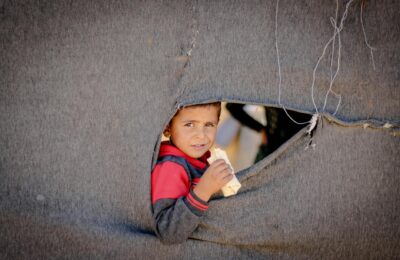
الشهداء يشملون مقاتلي حزب الله، مدنيين لبنانيين، عائلات في مناطق سكنية مجاورة للاهداف العسكرية، وعمال اغاثة انسانية. وزارة الصحة اللبنانية افادت بان عدة مستشفيات في جنوب لبنان مكتظة وعاجزة عن التعامل مع تدفق الجرحى.
لماذا ضربت اسرائيل الآن
الغطاء الدبلوماسي
توقيت اسرائيل كان محسوبا. هدنة اميركا-ايران خلقت لحظة حيث:
- الاهتمام الاميركي كان مركزا على صفقة هرمز، ليس لبنان
- التركيز العسكري الايراني تحول لتنسيق هرمز
- الاعلام الدولي يحتفل بالهدنة، مما يقلل التدقيق على لبنان
- اسرائيل كان لديها نافذة ضيقة قبل ان تشمل مفاوضات باكستان لبنان
منطق نتنياهو الاستراتيجي
نتنياهو يواجه ضغطا داخليا لتحقيق نتائج حاسمة ضد حزب الله. مع انفكاك اميركا مؤقتا عن ايران (بسبب الهدنة)، استغلت اسرائيل الفرصة لتنفيذ اكبر عملية لها في لبنان.
رد فعل لبنان
يوم الحداد الوطني
لبنان اعلنت الخميس 9 ابريل يوم حداد وطني. المباني الحكومية رفعت الاعلام بنصف السارية. مجلس النواب اللبناني عقد جلسة طوارئ. رئيس الوزراء دعا المجتمع الدولي للتدخل الفوري.
الازمة الانسانية
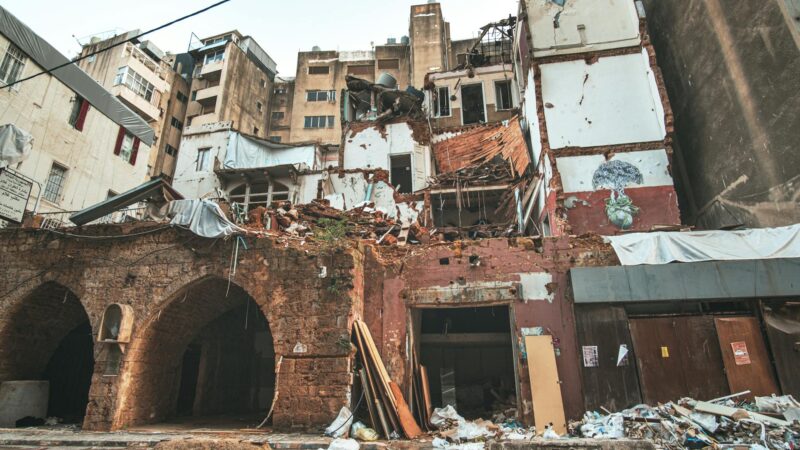
- جنوب لبنان: قرى بأكملها اُخليت، بنية تحتية مدمرة
- الضاحية الجنوبية لبيروت: مناطق سكنية متضررة، مدنيون نازحون
- المستشفيات: مكتظة، بعضها يعمل على مولدات فقط
- الغذاء والدواء: سلاسل التوريد معطلة
- السكان النازحون: تقدير 500,000+ نازح داخليا منذ فبراير
رد ايران: هرمز يُغلق مجددا
رد ايران كان فوريا واستراتيجيا. بعد السماح لسفينتين فقط بالعبور من هرمز بعد الهدنة، ايران اعادت اغلاق المضيق، مستشهدة بهجوم اسرائيل على لبنان كـ”انتهاك خطير”. هذا الرد هو اكثر اوراق ايران فعالية — يؤثر مباشرة على اسواق النفط العالمية ويجبر اميركا على معالجة لبنان كجزء من اي صفقة.
الرسالة من طهران واضحة: لا يمكنكم فتح هرمز بينما لبنان يحترق. القضيتان مرتبطتان في الحسابات الاستراتيجية الايرانية.
رد الفعل الاقليمي
العالم العربي
- مصر: طالبت بوقف فوري لجميع العمليات العسكرية في لبنان
- السعودية: عبرت عن “قلق عميق” ودعت لحماية المدنيين اللبنانيين
- الامارات: وصفت الهجمات بـ”غير المتناسبة”
- قطر: دعت لجلسة طوارئ في جامعة الدول العربية
- الاردن: استدعت سفيرها من تل ابيب للتشاور
الرد الغربي
- بريطانيا: ادانت حجم الخسائر المدنية
- فرنسا: طالبت بجلسة طوارئ في مجلس الامن حول لبنان
- المانيا: حثت جميع الاطراف على ضبط النفس
- اميركا: بقيت صامتة بشكل ملحوظ
ماذا يعني هذا لاتفاق اسلام اباد
ازمة لبنان عقّدت جوهريا مفاوضات اسلام اباد. ايران ستصل الى محادثات السبت مطالبة بإدراج لبنان صراحة في اي صفقة.
| السيناريو | الاحتمال | النتيجة |
|---|---|---|
| لبنان يُدرَج | 40% | اسرائيل تُضغط لوقف عمليات لبنان |
| لبنان يُعالَج بشكل منفصل | 35% | مسار دبلوماسي موازٍ بوساطة مصرية/قطرية |
| لبنان يُتجاهل | 25% | المحادثات تركز على القضايا الثنائية فقط |
ماذا يعني للاسواق
- النفط: ارتد الى 97$/برميل مع عودة مخاطر اغلاق هرمز
- الذهب: عاد الى 153$/غرام مع عودة طلب الملاذ الآمن
- الشحن: تعافي قناة السويس مؤجل
- الاقتصاد المصري: الجنيه تحت ضغط متجدد
الاسئلة الشائعة
كم شخصا قُتل في لبنان يوم 8 ابريل؟
250+ قتيلا، 1,160+ جريحا في اكبر ضربة اسرائيلية في يوم واحد.
لماذا هاجمت اسرائيل خلال الهدنة؟
اسرائيل تقول لبنان ليس جزءا من هدنة اميركا-ايران.
ما اجمالي عدد الشهداء في لبنان؟
1,747+ منذ بداية الحرب في 27 فبراير 2026.
كيف ردت ايران؟
اغلقت مضيق هرمز مجددا بسبب الانتهاك الاسرائيلي.
ماذا يعني لاتفاق اسلام اباد؟
يعقّد المفاوضات. ايران ستطالب بإدراج لبنان.
مقالات ذات صلة
للمزيد، راجع الجزيرة نت، رويترز، وبي بي سي عربي.
آخر تحديث: 9 ابريل 2026