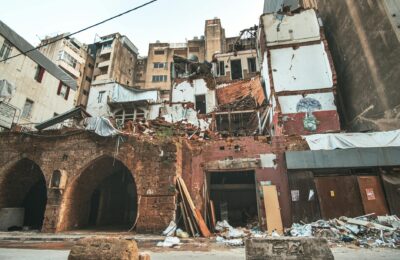
The Iran-US ceasefire is cracking after just 24 hours. On April 8, 2026 – one day after President Trump announced the two-week ceasefire – Israel launched its largest single attack on Lebanon since the war began, striking 100 Hezbollah targets in just 10 minutes and killing more than 250 people. Iran responded by re-closing the Strait of Hormuz, accusing Israel of an ‘intentional grave violation of the ceasefire.’ The White House disputes that Hormuz is closed.
Markets are reversing: oil rebounded to $97.21/barrel (+3%), gold surged back to approximately $153/gram (+3%), and Bitcoin dropped to ~$68,000 (-4%). The ceasefire that was supposed to bring peace is instead accelerating the crisis.
Meanwhile, Vice President JD Vance, Steve Witkoff, and Jared Kushner are heading to Islamabad for talks starting April 11 to negotiate what’s being dubbed the ‘Islamabad Accord’ – a comprehensive deal to end the war permanently. Whether the deal survives the current crisis is the most important question in global geopolitics right now.

What Happened: 24 Hours of Chaos
Timeline
| Time | Event |
|---|---|
| April 7, 6:32 PM ET | Trump announces 2-week ceasefire |
| April 7, ~8 PM ET | Iran accepts, declares victory |
| April 8, morning | 2 oil tankers transit Hormuz (first since war began) |
| April 8, midday | Israel strikes 100 Hezbollah targets in 10 minutes in Lebanon |
| April 8, afternoon | 250+ confirmed dead, 1,160+ wounded in Lebanon |
| April 8, evening | Iran re-closes Hormuz, citing Israeli ceasefire violation |
| April 8, evening | Lebanon declares national day of mourning Thursday |
| April 8, evening | White House says Hormuz closure reports are ‘false’ |
| April 8, night | Oil rebounds to $97, gold to $153, BTC drops to $68K |
| April 9, confirmed | Vance, Kushner, Witkoff heading to Islamabad for Saturday talks |
Israel’s 100-Target Strike: The Largest of the War
Israeli officials confirmed that the IDF struck 100 Hezbollah targets in just 10 minutes on April 8, making it the largest single military operation in Lebanon since the war began on February 27, 2026. According to Al Jazeera:
- 250+ people killed in Lebanon
- 1,160+ wounded
- Lebanon declared a national day of mourning for Thursday April 9
- Targets included Hezbollah military infrastructure, weapons depots, and command centers
- Residential areas affected in southern Lebanon
Netanyahu’s Position
Israeli Prime Minister Netanyahu and President Trump both confirmed that Lebanon was NOT part of the US-Iran ceasefire. Netanyahu’s government views the Hezbollah threat separately from the Iran nuclear/Hormuz issue. From the Israeli perspective, the US-Iran deal addresses one problem (Hormuz), while Israel’s Lebanon operations address a different problem (Hezbollah’s military threat).
The Contradiction
Here’s the core contradiction: Iran views its proxy Hezbollah and the Lebanon front as directly linked to the US-Iran war. For Iran, any attack on Hezbollah IS an attack on Iran’s strategic interests. For Israel and the US, Lebanon is a separate file. This fundamental disagreement about what the ceasefire covers is threatening to collapse the entire deal.
Pakistan’s mediation team had reportedly told Iran that Lebanon WAS included in the ceasefire framework. Israel and the White House say it wasn’t. This diplomatic ambiguity is now the single biggest risk to the Islamabad Accord.
Iran Re-Closes Hormuz: Conflicting Reports
What Iran Says
After allowing just 2 oil tankers to transit Hormuz on April 8 morning (the first ships since the war began), Iran’s IRGC claimed that shipping was stopped following the Israeli Lebanon strike. Iran’s deputy foreign minister stated that Iran closed the strait because Israel committed an ‘intentional grave violation of the ceasefire.’
Iran’s Parliament Speaker Mohammad Bagher Ghalibaf accused the US of violating three specific clauses of the ceasefire deal:
- Israel’s continued attacks on Lebanon
- Entry of a US drone into Iranian airspace
- Denial of Iran’s right to enrich uranium
What the White House Says
White House press secretary Karoline Leavitt said President Trump is aware of reports about Hormuz closure but stated they are ‘false.’ The White House insisted the ceasefire terms required Iran to reopen Hormuz ‘without limitation, including tolls.’
Trump himself wants Hormuz open completely – no coordination requirements, no Iranian armed forces involvement, no transit fees. This is a much broader demand than what Iran agreed to on April 7.
The Reality
The truth appears to be somewhere in between. Iran likely hasn’t formally re-mined or physically blocked the strait, but it has stopped coordinating with ships for safe passage. Without Iranian coordination, shipping companies won’t risk transit due to insurance concerns. The practical effect is the same as closure.
According to Bloomberg, hundreds of ships are waiting near the strait for safe passage. Between 100-120 commercial vessels normally pass through daily. Currently, traffic is at a trickle.
Possible Mines Detected Near Hormuz
Adding to the crisis, reports indicate possible mines have been detected near the Strait of Hormuz. If confirmed, this would represent a major escalation – naval mines could damage or destroy oil tankers, creating an environmental disaster and complete shipping halt. Mine-clearing operations typically take weeks to months.
Market Reaction: Ceasefire Celebration Reverses
| Asset | Post-Ceasefire (Apr 8) | After Crisis (Apr 9) | Change |
|---|---|---|---|
| Brent crude | ~$95/barrel | $97.21/barrel | +3% (heading back up) |
| Gold | ~$148.50/gram | ~$153/gram | +3% (safe haven back) |
| Bitcoin | $71,740 | ~$68,000 | -4% (risk off again) |
| Dow futures | +1,000 pts | Giving back gains | Reversing |
The market reaction confirms what we warned yesterday: the ceasefire was priced in prematurely. With Hormuz potentially re-closed and the deal framework disputed, the war risk premium is returning to oil and gold. Our analysis explaining why gold didn’t crash on the ceasefire now looks prescient – the structural drivers were always there, and the war risk premium is returning faster than expected.
The Islamabad Accord: Can It Survive?
Who’s Coming to Islamabad
The US delegation heading to Pakistan includes:
- Vice President JD Vance – leading the delegation (highest-ranking US official)
- Steve Witkoff – Special Envoy (previously led Geneva nuclear talks with Iran)
- Jared Kushner – Trump’s son-in-law (architect of Abraham Accords)
Talks were originally scheduled for Friday April 10 but have been pushed to Saturday April 11. The delay may reflect the complications caused by the Lebanon crisis.
The 10-Point Framework
Trump described the proposed deal as a ’10-point ceasefire plan’ conveyed by Pakistani intermediaries, calling it ‘a workable basis on which to negotiate,’ with ‘almost all of the various points of past contention’ agreed to.
Can It Survive the Lebanon Crisis?
Three scenarios:
| Scenario | Probability | Outcome |
|---|---|---|
| Deal modified to include Lebanon | 40% | Israel pressured to pause Lebanon ops during talks. Ceasefire holds. |
| Deal proceeds without Lebanon | 35% | Iran unhappy but continues talks. Hormuz partially reopens. Fragile. |
| Deal collapses | 25% | Iran refuses to negotiate while Lebanon burns. War resumes. Oil to $120+. |
What This Means for Egyptian and Gulf Investors
The Whiplash Effect
In the past 48 hours, markets have experienced: (1) massive rally on ceasefire announcement (April 7-8), (2) partial reversal as ceasefire cracks (April 8-9). This whiplash is likely to continue for the next 2 weeks as the ceasefire alternately appears to hold and appears to collapse.
Investment Positioning
- Gold: HOLD or BUY. The return to $153/gram validates the structural thesis. Gold protects against both outcomes (continued war = gold up, peace = gold stable)
- Oil: DON’T chase. $97 could go to $80 (peace) or $120 (war). Binary risk too high for new positions
- Egyptian stocks: HOLD. EGX 30 will be volatile but the medium-term path depends on Hormuz resolution
- Bitcoin: Risk-off trade is back. BTC drops when geopolitics heats up
For Egypt: Suez Canal Recovery On Hold
Yesterday’s optimism about Suez Canal recovery is now premature. If Hormuz remains closed or partially blocked, global shipping won’t return to Suez Canal routes. Egypt’s economic relief from the ceasefire is on pause until Hormuz actually reopens reliably.
The Egyptian pound, which had stabilized at 54.30, may come under renewed pressure if the ceasefire collapses. The CBE’s rate cut to 19% was predicated on improving conditions – if conditions worsen, the May rate cut becomes less likely.
What to Watch Today and Tomorrow
April 9 (Today)
- Lebanon national day of mourning – emotional impact on Arab opinion
- Hormuz status – are more ships transiting or not?
- FOMC minutes release – Fed policy signals
- Any Israeli military activity in Lebanon or Iran
April 10 (Tomorrow)
- US CPI inflation data – March reading
- Pre-Islamabad diplomatic movements
- Iran’s official position on continuing negotiations
April 11 (Saturday)
- Islamabad talks begin – Vance, Kushner, Witkoff meet Pakistani and Iranian delegations
- Market reaction (Asian markets open Sunday)
Frequently Asked Questions
Is the ceasefire still holding?
Technically yes (no US strikes on Iran). Practically, it’s cracking – Israel struck Lebanon, Iran re-closed Hormuz.
Why did Israel attack Lebanon?
Israel says Lebanon was NOT part of the ceasefire. Netanyahu confirmed this.
Is Hormuz closed again?
Disputed. Iran says yes. White House says no. Reality: shipping effectively halted.
What is the Islamabad Accord?
The comprehensive peace deal being negotiated. Vance, Kushner, Witkoff heading to Pakistan Saturday.
How did markets react?
Oil +3% to $97, gold +3% to $153, Bitcoin -4% to $68K. Ceasefire celebration reversing.
Related Articles
For more, see Al Jazeera, Reuters Middle East, Bloomberg Middle East, and CNN.
Last Updated: April 9, 2026