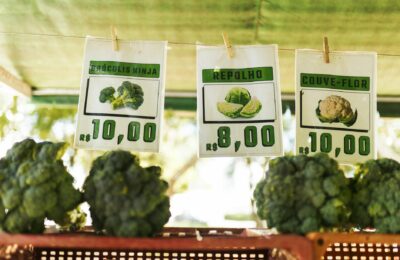
التضخم العام في مصر ارتفع إلى 13.4% في فبراير 2026 من 11.9% في يناير، وهي أعلى قراءة منذ يوليو 2025 والزيادة الشهرية الثانية على التوالي. التضخم الأساسي ارتفع إلى 12.7%. أسعار الغذاء قفزت 4.6%، الإسكان والمرافق ارتفعت 31.7%، والملابس ارتفعت 14.2%. البيانات تلتقط ذروة فترة حرب إيران عندما كان النفط عند 109$/برميل والجنيه تحت ضغط أقصى.
لكن الصورة تتغير بسرعة. هدنة إيران في 7 إبريل حطمت أسعار النفط 15% وثبتت الجنيه المصري. بيانات مارس وإبريل — التي ستُصدر في الأسابيع القادمة — يجب أن تظهر التضخم بدأ في التراجع.
أرقام فبراير
| المقياس | يناير 2026 | فبراير 2026 | التغيير |
|---|---|---|---|
| التضخم الكلي (سنوي) | 11.9% | 13.4% | +1.5 |
| التضخم الأساسي | 11.5% | 12.7% | +1.2 |
| الغذاء والمشروبات | 1.9% شهري | 4.6% شهري | +2.7 |
| الإسكان والمرافق | 29.8% سنوي | 31.7% سنوي | +1.9 |
| الملابس | 14.1% سنوي | 14.2% سنوي | +0.1 |
| النقل | 16.2% سنوي | 18.4% سنوي | +2.2 |
أسباب الارتفاع
المحرك 1: ارتفاع النفط بسبب حرب إيران
حرب إيران دفعت أسعار النفط من 74$/برميل إلى أكثر من 110$/برميل. مصر مستورد صافي للنفط، لذا الأسعار المرتفعة تتدفق مباشرة إلى تكاليف الوقود والنقل، تكاليف الإنتاج الصناعي، أسعار الغذاء، والسلع المستوردة عموماً.

المحرك 2: ضعف الجنيه
الجنيه المصري ضعف من 53.50 إلى 54.45 خلال فبراير-مارس 2026، انخفاض 8.3%.
المحرك 3: العوامل الموسمية
فبراير-مارس فترة إنفاق عالٍ في مصر بسبب رمضان وموسم عيد الفصح للمسيحيين الأقباط.
لماذا بيانات فبراير قديمة بالفعل
قراءة تضخم فبراير تقنياً متخلفة. بحلول وقت نشرها في أوائل إبريل، العالم تغير دراماتيكياً:
- 7 إبريل: هدنة إيران تعلن، النفط ينهار 15%
- 8 إبريل: الجنيه يستقر عند 54.30
- الأسابيع القادمة: حركة قناة السويس تبدأ في التعافي
التوقعات: إلى أين يتجه التضخم المصري
| الفترة | متفائل | أساسي | متشائم |
|---|---|---|---|
| مارس 2026 | 13.0% | 13.5-13.8% | 14.2% |
| إبريل 2026 | 11.5% | 12.5-13.0% | 13.5% |
| مايو 2026 | 10.5% | 11.5-12.0% | 12.8% |
| يونيو 2026 | 9.8% | 10.8-11.2% | 12.2% |
| نهاية 2026 | 8.0% | 9.5-10.5% | 11.5% |
ماذا يعني للبنك المركزي
التضخم المتراجع يعطي البنك المركزي مساحة لخفض الفائدة بشكل أكثر عدوانية.
ماذا يجب أن تفعل الأسر المصرية
المدى القصير
- تخزين الواردات الأساسية بينما الجنيه مستقر
- قفل شهادات الادخار ذات الفائدة الثابتة
- لا تبيع الجنيه بذعر
المدى المتوسط
- بناء تخصيص الذهب إلى 15-25%
- شراء أسهم EGX 30 في القطاعات الدفاعية
- سداد الديون متغيرة الفائدة بقوة
المدى الطويل
- العقارات كتحوط من التضخم
- الاستثمار في التعليم
- الاستثمارات التجارية المنتجة
الأسئلة الشائعة
ما معدل التضخم المصري؟
13.4% كلي، 12.7% أساسي في فبراير 2026.
لماذا ارتفع التضخم؟
ارتفاع النفط بسبب حرب إيران، ضعف الجنيه، عوامل موسمية.
هل سينخفض التضخم بعد الهدنة؟
نعم، على الأرجح أقل من 12% بحلول مايو.
كيف يمكن للمصريين الحماية من التضخم؟
الذهب، أسهم EGX 30، قفل شهادات عائد عالي، تعرض للعملة الأجنبية.
مقالات ذات صلة
للمزيد، راجع البنك المركزي المصري، IMF مصر، ورويترز الشرق الأوسط.
آخر تحديث: 8 إبريل 2026