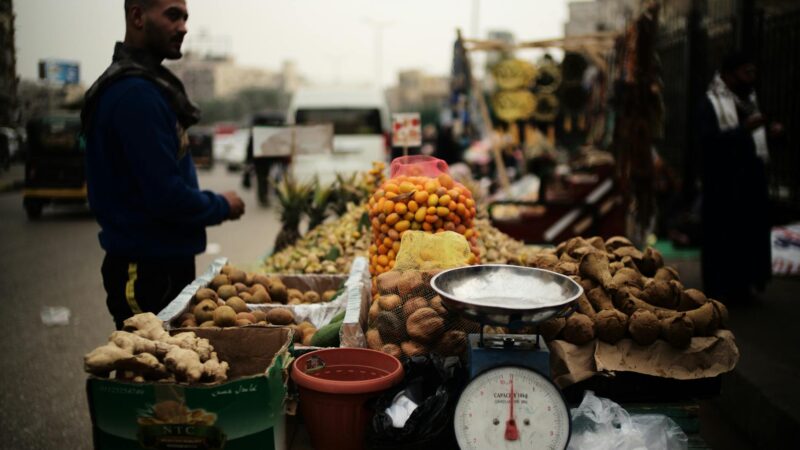
Egypt’s headline inflation rose to 13.4% in February 2026 from 11.9% in January, the highest reading since July 2025 and the second consecutive monthly increase. Core consumer prices rose 12.7%. Food prices jumped 4.6%, housing and utilities surged 31.7%, and clothing rose 14.2%. The data captures the peak Iran war period when oil was at $109/barrel and the pound was under maximum pressure.
But the picture is changing rapidly. The April 7 Iran ceasefire crashed oil prices 15% and stabilized the Egyptian pound. March and April inflation data — to be released in coming weeks — should show inflation beginning to roll over. This guide explains what the February data means, why it’s already old news, and what Egyptian families and investors should expect for the rest of 2026.
The February Numbers
| Metric | January 2026 | February 2026 | Change |
|---|---|---|---|
| Headline CPI (YoY) | 11.9% | 13.4% | +1.5pp |
| Core CPI (YoY) | 11.5% | 12.7% | +1.2pp |
| Food and beverages | 1.9% MoM | 4.6% MoM | +2.7pp |
| Housing and utilities | 29.8% YoY | 31.7% YoY | +1.9pp |
| Clothing and footwear | 14.1% YoY | 14.2% YoY | +0.1pp |
| Transport | 16.2% YoY | 18.4% YoY | +2.2pp |
Why the Increase
Driver 1: Iran War Oil Spike
The Iran war that began February 27 pushed global oil prices from $74/barrel to over $110/barrel within weeks. Egypt is a net oil importer, so higher prices flow directly into:

- Fuel and transportation costs (immediate)
- Industrial production costs (within 1-2 months)
- Food prices (transportation and packaging)
- Imported goods generally
Driver 2: Pound Weakness
The Egyptian pound weakened from 53.50 to 54.45 USD/EGP during February-March 2026, an 8.3% decline. Every weakening directly raises import prices in EGP terms. With Egypt importing roughly $80 billion annually, even small currency moves significantly impact consumer prices.
Driver 3: Seasonal Factors
February-March is a high-spending period in Egypt due to Ramadan (preparation and consumption) and the Easter season for Coptic Christians. Demand pressure naturally pushes prices higher in food, clothing, and consumer goods.
Why the February Data Is Already Old News
The February inflation reading is technically backward-looking. By the time it was published in early April, the world had already changed dramatically:
- April 7: Iran ceasefire announced, oil crashes 15%
- April 8: Pound stabilizes at 54.30, gains slight strength
- Coming weeks: Suez Canal traffic begins recovering, foreign currency inflows return
March 2026 inflation data (to be released in early May) will likely show similar elevated levels because the war was still ongoing for most of March. But April and especially May data should show clear improvement.
Forecast: Where Egyptian Inflation Goes Next
| Period | Bull Case (Lower) | Base Case | Bear Case |
|---|---|---|---|
| March 2026 (data in May) | 13.0% | 13.5-13.8% | 14.2% |
| April 2026 (data in June) | 11.5% | 12.5-13.0% | 13.5% |
| May 2026 (data in July) | 10.5% | 11.5-12.0% | 12.8% |
| June 2026 | 9.8% | 10.8-11.2% | 12.2% |
| End of 2026 | 8.0% | 9.5-10.5% | 11.5% |
The base case shows headline inflation dropping below 12% by May and below 10% by year-end. This requires the Iran ceasefire to hold, oil to remain around $90-95, and the pound to stay stable.
What This Means for the CBE
Falling inflation gives the Central Bank of Egypt room to cut interest rates more aggressively. The CBE already cut 100bp on April 7 to 19.00%. With March data potentially showing peak inflation and April/May data showing improvement, the CBE could cut another 100-200bp in May.
This is positive for: stocks (lower discount rates), real estate (cheaper mortgages), business investment (cheaper capital). It’s negative for: savers (lower deposit yields), but they should rotate to gold and stocks anyway.
What Egyptian Families Should Do
Short-Term (Next 30 Days)
- Stock up on essential imports while pound is stable
- Lock in fixed-rate savings certificates before CBE cuts more
- Don’t panic-sell EGP holdings — currency is stabilizing
Medium-Term (Next 3-6 Months)
- Build gold allocation to 15-25% of investable assets
- Buy EGX 30 stocks in defensive sectors
- Pay down variable-rate debt aggressively
Long-Term (1+ Years)
- Real estate as inflation hedge (in stable areas)
- Education investment (long-term value preservation)
- Productive business investments
Frequently Asked Questions
What is Egypt inflation rate?
13.4% headline, 12.7% core in February 2026.
Why did inflation rise?
Iran war oil spike, pound weakness, seasonal factors.
Will inflation drop after the ceasefire?
Yes, likely below 12% by May, below 10% by year-end.
How does inflation affect the pound?
Higher inflation typically weakens the pound. Lower inflation supports it.
How can Egyptians protect against inflation?
Gold (15-25%), EGX 30 stocks, lock high-yield certificates, foreign currency exposure.
Related Articles
For more, see Central Bank of Egypt, IMF Egypt, and Reuters Middle East.
Last Updated: April 8, 2026