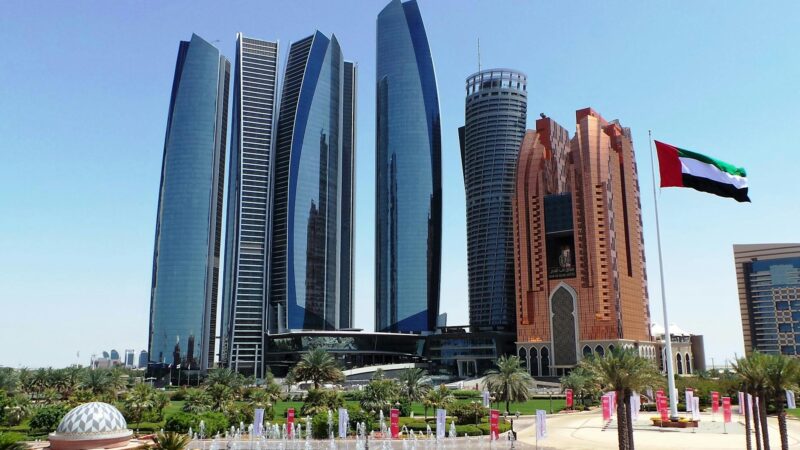
عقارات أبوظبي حققت أكبر ربع في تاريخها. قيمة المعاملات الإجمالية بلغت 66 مليار درهم (17.97 مليار دولار) في الربع الأول من 2026 — بزيادة مذهلة 160.7% على أساس سنوي — عبر 13,518 صفقة. بينما تهيمن دبي على عناوين العقارات العالمية، أبوظبي حققت بهدوء أرقاماً تضع جارتها الأصغر في الظل.
ثلاث جزر تقود هذه الطفرة: جزيرة الحدائرية بـ 11.97 مليار درهم، جزيرة الريم بـ 9.45 مليار درهم، وجزيرة السعديات بـ 8.8 مليار درهم. مجتمعة تمثل 30.22 مليار درهم — تقريباً نصف إجمالي معاملات الربع الأول. الاستثمار الأجنبي المباشر نما بشكل أكثر دراماتيكية بـ 423% إلى 8.27 مليار درهم، مع مشترين يمثلون 99 جنسية.
هذه ليست مجرد قصة عقارات. هي قصة هروب رأس مال، قصة تحول قوة إقليمي، وقصة عن كيف تعيد حرب إيران تشكيل أنماط الاستثمار الخليجية في الوقت الحقيقي.

الأرقام الرئيسية: 66 مليار درهم — أكبر ربع في التاريخ
| المقياس | الربع الأول 2026 | الربع الأول 2025 | التغيير |
|---|---|---|---|
| إجمالي قيمة المعاملات | 66 مليار | 25.3 مليار | +160.7% |
| عدد الصفقات | 13,518 | ~9,800 | +38% |
| الاستثمار الأجنبي | 8.27 مليار | 1.58 مليار | +423% |
| متوسط حجم الصفقة | 4.88 مليون | 2.58 مليون | +89% |
نمو 160.7% يتجاوز نمو دبي البالغ 28.5% في الربع الأول. والأكثر إبهاراً: متوسط حجم الصفقة تضاعف تقريباً، مما يشير إلى أن المشترين يتجهون لأعلى السلم السعري — شقق استوديو أقل وفلل أكثر، شقق سطحية أكثر ومشتريات طوابق كاملة أكثر.
لماذا الآن؟ ثلاث قوى محركة
1. هروب رأس مال من عدم الاستقرار الإقليمي. حرب إيران دفعت الأفراد والعائلات الثرية في الشرق الأوسط — من إيران نفسها، العراق، لبنان، وحتى السعودية — للبحث عن وجهات مستقرة لأصولهم. أبوظبي، باستقرارها السياسي وبنيتها التحتية المتقدمة وحوكمتها القوية، هي الخيار الطبيعي.
2. تأثير السعديات الثقافي. متحف لوفر أبوظبي، متحف غوغنهايم القادم، متحف زايد الوطني، وبيركلي أبوظبي حولت جزيرة السعديات إلى عاصمة الخليج الثقافية. هذا يجذب فئة جديدة من المشترين — متنقلين عالمياً، مهتمين بالثقافة، ومستعدين لدفع أسعار متميزة للقرب من المؤسسات الثقافية ذات الطراز العالمي.
3. مشاريع ضخمة تُسلَّم على نطاق واسع. مشاريع كبرى مثل مساكن مانشستر سيتي ياس (تطوير أوهانا)، التي باعت بقيمة 6 مليار درهم في 72 ساعة فقط، تجلب منتجات جديدة للسوق لم تكن موجودة قبل عام.
الجزر الثلاث التي تقود الطفرة
جزيرة الحدائرية: 11.97 مليار درهم
جزيرة الحدائرية هي القائد المفاجئ. طُورت أصلاً كوجهة رياضية وترفيهية — موطن لأحد أكبر نوادي الشاطئ في المنطقة — وتحولت الحدائرية بسرعة إلى أحد أكثر أسواق أبوظبي السكنية سخونة. مزيج نمط الحياة الرياضي، الوصول إلى الواجهة البحرية، والقرب من وسط المدينة دفع الأسعار بنسبة 35% على أساس سنوي.
شركة مدن العقارية، المطور الرئيسي، أطلقت مراحل سكنية متعددة في 2025-2026، كل منها بيع بالكامل في أسابيع. جاذبية الحدائرية هي مزيجها من الراحة الحضرية ووسائل الراحة على غرار المنتجعات.
جزيرة الريم: 9.45 مليار درهم
جزيرة الريم كانت عمود السوق متوسط المستوى في أبوظبي لأكثر من عقد، لكن الربع الأول من 2026 شهد تحولاً كبيراً. مشاريع متميزة مثل تلال الريم وبلوم ليفينغ سلّمت منتجات فاخرة جديدة، جذبت كلاً من المستخدمين النهائيين والمستثمرين. جاذبية الريم هي توازنها: أكثر تحملاً من السعديات، أكثر مركزية من ياس، وتقدم عوائد إيجار ممتازة 6-8%.
جزيرة السعديات: 8.8 مليار درهم
جزيرة السعديات هي وجهة أبوظبي المتميزة. مع لوفر أبوظبي يعمل بالفعل، غوغنهايم أبوظبي يُفتتح في 2026، ومتحف زايد الوطني يقترب من الاكتمال، أصبحت السعديات القلب الثقافي والفاخر للإمارة. متوسط الأسعار في حي السعديات الثقافي يتجاوز الآن 3,000 درهم للقدم المربعة — منافس لأغلى مناطق دبي.
شقة 422 مليون درهم: رمز الطفرة
صفقة واحدة في الربع الأول 2026 جسّدت الواقع الجديد لأبوظبي: شقة واحدة بيعت بـ 422 مليون درهم (115 مليون دولار) — ثالث أغلى صفقة شقة في تاريخ أبوظبي. هوية المشتري لا تزال غير معلنة، لكن الصفقة ترمز للتحول نحو الفخامة الفائقة في قمة السوق.
مساكن مانشستر سيتي ياس: 6 مليار درهم في 72 ساعة
مشروع مساكن مانشستر سيتي ياس من تطوير أوهانا — شراكة مساكن ذات علامة تجارية مع نادي الدوري الإنجليزي الممتاز — باع حوالي 6 مليار درهم في 72 ساعة فقط بعد الإطلاق. هذا أحد أسرع الإطلاقات مبيعاً في تاريخ عقارات الإمارات.
الاستثمار الأجنبي: نمو 423% و99 جنسية
من يشتري؟
| أعلى 10 جنسيات للمشترين (الربع الأول 2026) | الحصة المقدرة |
|---|---|
| مواطنو الإمارات | 32% |
| الهند | 14% |
| المملكة المتحدة | 9% |
| روسيا | 7% |
| الصين | 6% |
| السعودية | 5% |
| باكستان | 4% |
| مصر | 4% |
| إيران | 3% |
| لبنان | 3% |
النسب الإيرانية واللبنانية ملحوظة. رغم (أو بسبب) الحرب الإقليمية، العائلات الإيرانية واللبنانية الثرية تختار أبوظبي بشكل متزايد كوجهة للاستثمار والإقامة.
أبوظبي مقابل دبي: المقارنة الجديدة
أين تتفوق دبي؟
| المقياس | دبي | أبوظبي |
|---|---|---|
| معاملات الربع الأول 2026 | 251.4 مليار | 66 مليار |
| عدد الصفقات | 61,578 | 13,518 |
| الاعتراف بالعلامة التجارية | أيقونة عالمية | متنامية |
| عرض على الخريطة | ضخم (70%) | معتدل |
| السيولة | عالية جداً | متوسطة |
| النمو السنوي | +28.5% | +160.7% |
أين تفوز أبوظبي؟
- سرعة النمو: 160.7% مقابل 28.5% — أبوظبي تنمو بأكثر من 5 أضعاف
- البنية التحتية الثقافية: لوفر، غوغنهايم قادم، متحف زايد — دبي لا يمكنها مجاراة هذا
- تصور الاستقرار السياسي: أبوظبي تُرى كمقر القوة الفيدرالية والأكثر استقراراً
- كثافة أقل: مساحة أكبر مقابل الدرهم في المناطق المماثلة
- تسعير محافظ: مضاربة أقل على الخريطة، تركيز أكبر على المستخدم النهائي
ماذا يجب أن يفعل المستثمرون؟
للمستثمرين على المدى الطويل
أبوظبي تصبح الوجهة المفضلة للاستثمار طويل الأجل في الإمارات. جزيرة السعديات تقدم أقوى مزيج من إمكانية ارتفاع رأس المال، عائد الإيجار، وحماية الجانب السلبي. جزيرة الريم تقدم أفضل قيمة في السوق متوسط المستوى مع عوائد قوية. الحدائرية هي الفائز المفاجئ للمشترين الذين يركزون على نمط الحياة.
للمقارنة مع سوق دبي، راجع تحليل عقارات دبي الربع الأول 2026.
المخاطر والمخاوف
مخاطر التركيز
طفرة الربع الأول مركزة بشدة في ثلاث جزر. إذا بردت أي من هذه الأسواق، إجمالي قيم المعاملات سينخفض بشدة. يجب على المستثمرين التنويع عبر الجزر بدلاً من التركيز على واحدة.
مخاطر حرب إيران
حرب إيران هي الفيل في الغرفة. بينما لم تتعرض أبوظبي لهجوم مباشر، تهديد التصعيد الإقليمي يمكن أن يعكس تدفقات رأس المال بسرعة.
توقعات الربع الثاني 2026
عوامل متعددة تشير إلى استمرار القوة في الربع الثاني:
- إطلاقات كبرى مجدولة لجزيرة ياس والسعديات في إبريل-يونيو
- استمرار هروب رأس المال مع استمرار حرب إيران
- توقعات خفض أسعار الفائدة من الفيدرالي الأمريكي
- السياحة وفعاليات على غرار EXPO مجدولة للربع الثاني-الثالث
السيناريو الأساسي: معاملات الربع الثاني 2026 تصل إلى 70-80 مليار درهم. السيناريو المتفائل: 90 مليار درهم. السيناريو المتشائم: 50 مليار درهم.
الأسئلة الشائعة
كم بلغت معاملات عقارات أبوظبي في الربع الأول 2026؟
66 مليار درهم (17.97 مليار دولار) عبر 13,518 صفقة — بزيادة 160.7% على أساس سنوي.
أي المناطق شهدت أكبر نشاط؟
جزيرة الحدائرية (11.97 مليار)، جزيرة الريم (9.45 مليار)، وجزيرة السعديات (8.8 مليار) قادت، وتمثل تقريباً نصف المعاملات الإجمالية.
هل أبوظبي أرخص من دبي؟
عموماً نعم في المناطق متوسطة المستوى، لكن العقارات المتميزة في السعديات تطابق أو تتجاوز أسعار دبي.
مقالات ذات صلة
للمزيد، راجع عربيان بزنس العقارات، جلف نيوز العقارات، وبلومبرج الشرق الأوسط.
آخر تحديث: 7 إبريل 2026