The IRGC Escalates: From Military War to Corporate War
In an unprecedented escalation that shifts the Iran-US conflict from battlefields to boardrooms, the Islamic Revolutionary Guard Corps (IRGC) has declared 17 major American tech companies and two UAE firms “legitimate targets” — and issued a blunt warning to their employees to “leave workplaces immediately.”
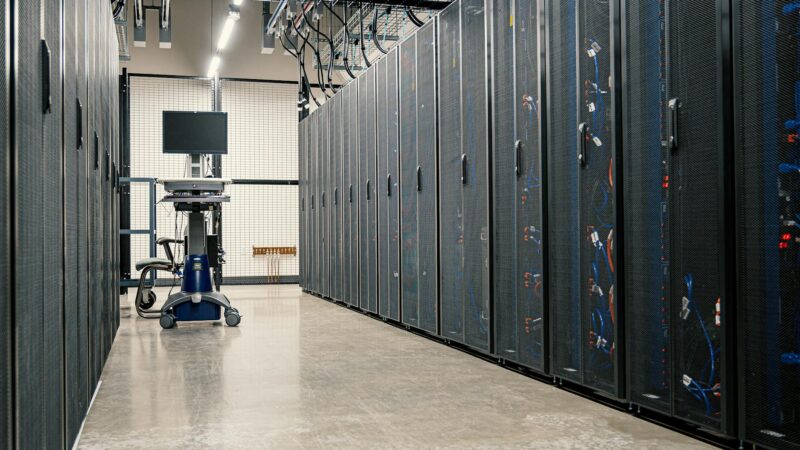
This is not an empty threat. It was preceded by an actual Iranian cyberattack on AWS data centers in the Middle East in early March 2026, which caused widespread app outages across the UAE and the wider region. The message is clear: Iran is prepared to turn digital infrastructure into a theater of war.
In this comprehensive analysis, we examine the full list of targeted companies, why Iran chose each one, what it means for the UAE’s tech sector employing over 100,000 workers, and how companies and employees can protect themselves.

The Full List: 17 American Companies + 2 UAE Companies
Here is the complete list with analysis of why each company was targeted:
Targeted American Companies (17)
| # | Company | Sector | Likely Reason for Targeting | UAE Presence |
|---|---|---|---|---|
| 1 | Apple | Devices & software | iPhones used in military and intelligence communications. Cooperation with US agencies | Offices in Dubai and Abu Dhabi, retail stores |
| 2 | Google (Alphabet) | Search, cloud, AI | Google Cloud serves US government institutions. Massive regional data. Google Maps for geospatial intelligence | Dubai offices, regional cloud data center |
| 3 | Microsoft | Software, cloud, AI | Azure serves the US Department of Defense. Strategic partnership with UAE’s G42 | Major regional HQ in Dubai Internet City |
| 4 | Meta (Facebook) | Social media | Social platforms as information warfare tools. Data on Iranian users | Dubai offices |
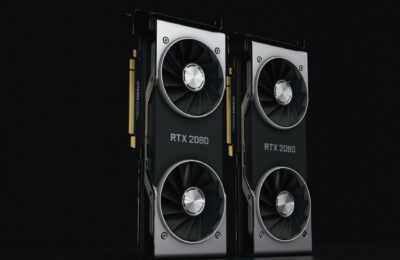
| 5 | Nvidia | AI chips | Advanced GPUs used in smart weapons and military surveillance. Export ban to Iran | Partnerships with UAE data centers |
| 6 | Intel | Semiconductors | Processors used in US and allied military systems | Dubai offices |
| 7 | Cisco | Networking & telecom | Networking equipment underpinning military and intelligence infrastructure | Regional HQ in Dubai |
| 8 | HP (Hewlett-Packard) | Computers & servers | Servers and equipment used in military data centers | Offices and distribution centers in UAE |
| 9 | Oracle | Databases, cloud | Government and military database management. Oracle Cloud for the US Army | Offices in Dubai and Abu Dhabi |
| 10 | IBM | AI, computing | Contracts with US intelligence agencies. Encryption technology | Regional offices in UAE |
| 11 | Dell | Computers & servers | Computing infrastructure used in military applications | Dubai offices |
| 12 | Palantir | Intelligence analytics | The most obvious target — Palantir is the Pentagon’s analytical arm. Its software is directly used in military targeting | Limited regional operations |
| 13 | Tesla | EVs, space | Elon Musk’s proximity to the US administration. SpaceX provides Starlink for military operations | Showrooms and offices in Dubai and Abu Dhabi |
| 14 | GE (General Electric) | Industry, energy, aviation | US military aircraft engines. Critical energy technology | Extensive UAE operations |
| 15 | Boeing | Aviation & defense | Manufacturer of F-15s, F/A-18s, and B-52 bombers used in strikes on Iran | Offices and maintenance facilities |
| 16 | JP Morgan Chase | Financial services | America’s largest bank — operates the financial system enforcing sanctions on Iran | Banking operations in DIFC Dubai |
| 17 | Spire Global | Satellites, data | Satellite network collecting maritime and aerial data — militarily useful | — |
Targeted UAE Companies (2)
| # | Company | HQ | Sector | Reason for Targeting |
|---|---|---|---|---|
| 1 | G42 | Abu Dhabi | Artificial Intelligence | UAE’s AI crown jewel. Strategic Microsoft partnership. Silver Lake investment. AI tech with military applications |
| 2 | Spire Solutions | Dubai | Cybersecurity | UAE cybersecurity firm — Iran views it as a potential intelligence front or partner in cyber operations against Iran |
Why G42 Specifically? The UAE’s AI Crown Jewel in the Crosshairs
The targeting of G42 is not random — this company is the cornerstone of the UAE’s AI ambitions and a symbol of its strategic technology partnership with America.
What Is G42?
- An artificial intelligence company headquartered in Abu Dhabi, founded in 2018
- Chaired by Sheikh Tahnoun bin Zayed, UAE’s National Security Adviser — making it effectively a sovereign tech arm
- Strategic partnership with Microsoft worth billions of dollars to build AI data centers in the UAE
- Silver Lake investment of $2 billion
- Operates in: cloud computing, large language models, digital healthcare, and genomic data
Why Is Iran Targeting It?
- The Microsoft partnership: G42 is the bridge between American technology and Gulf digital infrastructure. An attack on G42 = an attack on Microsoft in the region
- Potential military capabilities: AI technologies developed by G42 could be used for military surveillance and reconnaissance
- The sovereign dimension: G42’s connection to the UAE’s National Security Council makes targeting it a direct political message to Abu Dhabi
- Data centers: G42 is building massive data centers in the UAE in cooperation with Microsoft — tangible physical targets
Related reading: Saudi Arabia’s $100B AI Bet: Data Centers, Chips & the Pivot
Why Spire Solutions? Is Cybersecurity = Intelligence Front?
The inclusion of Spire Solutions on the list has raised many questions. The company is a Dubai-based distributor of cybersecurity solutions.
What We Know:
- A UAE cybersecurity company specializing in distributing digital protection solutions
- Works with government clients and major corporations across the region
- Distributes products from American and Western cybersecurity firms
Why Is Iran Targeting It?
Iran views regional cybersecurity companies with suspicion, considering them:
- Fronts for Western intelligence operations operating under commercial cover
- Sources of intelligence about Iranian digital infrastructure — cybersecurity firms know the vulnerabilities
- Partners in cyberwarfare against Iran — whether directly or indirectly
The AWS Attack Precedent: Iran Has Already Acted on Its Threats
The Iranian threat is not hollow. In early March 2026, weeks before this announcement, Iran executed a cyberattack on Amazon Web Services (AWS) data centers in the Middle East.
What Happened:
- Service outages: Multiple apps and websites went down across the UAE, Saudi Arabia, and Bahrain
- Banking sector affected: Some digital banking services were disrupted for hours
- Delivery and transport apps disrupted: Apps like Careem and Talabat experienced disruptions
- A clear message: Iran is capable of striking the region’s digital infrastructure
That attack was a “first warning” — and now with the new target list, the threat has shifted from exceptional to systematic.
Related reading: Strait of Hormuz Day 9: The $2 Trillion Chokepoint
Impact on the UAE’s Tech Sector
The UAE has invested decades in building itself as a global tech hub. Dubai Internet City, the Abu Dhabi Global Market (ADGM), and the Dubai International Financial Centre (DIFC) host thousands of tech and financial companies. The Iranian threat puts all of this at stake.
The Concerning Numbers
- Over 100,000 workers in the UAE’s tech sector
- Over 40,000 tech companies registered in UAE free zones
- Tech contributes 4.3% of GDP in the UAE
- Dubai Internet City alone hosts more than 1,600 tech companies
Will Companies Pull Out?
The possible scenarios:
- No withdrawal (most likely short-term): Major firms like Microsoft and Google will not abandon a multi-billion-dollar market over a threat. They will enhance security and continue
- Redistribution: Moving some sensitive operations to safer locations (Singapore, India) while maintaining commercial presence in the UAE
- Partial withdrawal: If actual cyberattacks recur, some companies may scale back operations
- Worst case: An actual physical attack on tech facilities = a wave of withdrawals
Related reading: Is Dubai Safe in 2026? Crime Rates, Best Areas & Expat Safety Guide
Employee Safety: What Workers at These Companies Need to Know
Iran’s warning to employees of these companies to “leave workplaces immediately” has understandably caused concern among thousands of workers in the UAE.
The Current Situation
- No direct physical threats so far: The Iranian threat appears primarily directed at cyberattacks rather than physical operations against office buildings
- UAE security enhanced: Emirati security services have strengthened protection around targeted company headquarters in Dubai and Abu Dhabi
- Embassies monitoring: The US Embassy in Abu Dhabi is updating its security guidance for American citizens
Practical Advice for Employees
- Stay informed: Follow your country’s embassy updates and your company’s security guidance
- Personal emergency plan: Ensure you have a valid passport and a rapid travel plan if the situation deteriorates
- Personal cybersecurity: Change passwords, enable two-factor authentication, be cautious of phishing emails
- Don’t panic: The threat is primarily cyber. The UAE has a robust security apparatus
- Insurance review: Check that your health and travel insurance covers security emergencies
Cyberwarfare: Are More Attacks Coming?
Cybersecurity experts agree that the Iranian threat is real and Iran’s capabilities in this domain are advanced.
Iran’s Cyber Capabilities
- Advanced threat groups: Iran maintains several cyber attack groups operating under IRGC supervision, notably APT33 (Elfin), APT34 (OilRig), and APT35 (Charming Kitten)
- Proven track record: Iran has executed major cyberattacks before — most notably the 2012 Shamoon attack on Saudi Aramco that destroyed 35,000 computers
- Infrastructure targeting: Iran has demonstrated capability to target data centers, banking systems, and power grids
- Ransomware: Iranian groups have been implicated in ransomware attacks against Western targets
What Are the Likely Next Targets?
- Cloud data centers: After the AWS precedent, Azure and Google Cloud data centers in the region are logical targets
- Banking systems: Targeting JP Morgan Chase could extend to DIFC’s digital banking infrastructure
- Telecommunications networks: Cisco is the backbone of many regional networks — targeting it means communications paralysis
- Aviation and navigation systems: Boeing and GE manage critical maintenance and navigation systems at UAE airports
- Personal data: Breaching Meta or Apple systems could expose data of millions of users in the region
Insurance and Risk Assessment: A Seismic Shift in the Cyber Insurance Market
Iran’s announcement will trigger a major transformation in the region’s cyber risk insurance market.
Expected Impacts
- Rising cyber insurance premiums: Insurers will raise cyber risk premiums in the region by at least 30-60%
- New exclusion clauses: Some insurers may exclude “acts of cyber warfare” from coverage — just as traditional acts of war are excluded
- Surging demand for coverage: Companies that previously did not purchase cyber insurance will rush to obtain it
- Mandatory risk assessments: Insurers will require comprehensive security audits before approving coverage
Impact on Foreign Investment
Foreign direct investment in the UAE’s tech sector had been on an upward trajectory before this escalation. Now:
- Deferred decisions: Companies planning to expand UAE operations may delay
- Recalculation: Investors will recalculate the “risk premium” for investing in the region
- Alternative competition: Singapore, India, and Malaysia may benefit from investor hesitancy toward the Gulf
Related reading: Dubai vs Singapore for Business 2026: Tax, Cost & Lifestyle Compared
How Are the Targeted Companies Responding?
So far, the targeted companies have taken varying measures:
Publicly Announced Steps
- Microsoft: Enhanced security at its regional data centers and announced updated “business continuity plans”
- Google: Added extra protection layers to its cloud services in the region
- Apple: Has not issued a public statement, but sources indicate a comprehensive security review of its UAE retail stores
- Boeing: Relocated some sensitive documents from its regional offices as a precaution
- JP Morgan: Activated heightened security protocols at its DIFC offices
Unpublicized Measures (From Informed Sources)
- Data backup: Several companies have replicated sensitive data to data centers outside the region
- Evacuation plans: Some companies have prepared evacuation plans for American and European employees
- Reinforced cyber teams: Multiple firms have brought in additional cybersecurity experts
- Relocation assessments: Feasibility studies for moving some operations to Singapore or India
Impact on Dubai Internet City, ADGM, and DIFC
Three UAE zones will be directly affected:
Dubai Internet City (DIC)
The region’s largest tech cluster — hosting Microsoft, HP, Oracle, Dell, Cisco, IBM, and many of the targeted companies. The impact will be greatest here.
- Visible security enhancement: A notable increase in guards and checkpoints
- Small company concerns: Neighboring startups fear being targeted as “collateral damage” in a broad cyberattack
- Rising security costs: Companies will need to significantly increase security budgets
Abu Dhabi Global Market (ADGM)
A financial-tech hub hosting fintech and AI companies — including operations linked to G42.
- G42 is most exposed: As a direct target on the Iranian list
- Investors watching: Any impact on G42 will be read as a signal about the future of tech investment in Abu Dhabi
Dubai International Financial Centre (DIFC)
Hosts JP Morgan Chase and numerous American financial institutions.
- Banking concerns: Targeting JP Morgan could cast a shadow over banking sector confidence
- Fintech impact: FinTech companies in DIFC may face rising insurance and security costs
Historical Precedent: Has Iran Targeted Corporations Before?
Yes — Iran has a long record of targeting companies and digital infrastructure:
| Year | Attack | Target | Impact |
|---|---|---|---|
| 2012 | Shamoon | Saudi Aramco | Destroyed 35,000 computers — the largest cyberattack on a company in history at the time |
| 2012 | Shamoon | RasGas (Qatar) | Temporary systems paralysis |
| 2014 | Operation Cleaver | Energy and aviation firms | Widespread cyber espionage |
| 2016 | DDoS attack | US banks | Banking websites disrupted for hours |
| 2019-20 | APT33 | Gulf oil companies | Multiple breach attempts |
| 2024 | Multiple attacks | Israeli companies | Data theft and service disruption |
| March 2026 | AWS attack | Amazon data centers | Widespread service outages across UAE |
The pattern is clear: Iran is continuously escalating its cyber capabilities, and each attack is more sophisticated than the last.
What This Means for the Region Long-Term
This escalation raises fundamental questions about the future of the tech sector in the Middle East:
1. Will the UAE Become Less Attractive to Tech Companies?
Short-term: no. The UAE’s infrastructure, tax exemptions, and strategic location remain compelling. But medium-term, if attacks recur, we may see a gradual shift toward alternatives like Singapore or Riyadh.
2. Will Cyber Armament Accelerate in the Region?
Absolutely. The UAE and Saudi Arabia will invest more in both defensive and offensive cyber capabilities. This will create a regional cyber arms race.
3. Will the US Intervene to Protect Its Companies?
US Cyber Command (USCYBERCOM) is likely to intensify operations against Iranian cyber infrastructure. An attack on Apple or Google in the Gulf could be treated as an attack on America itself.
4. Is This the Beginning of a “Digital Cold War”?
What we are witnessing is a transformation in the nature of warfare. Iran has discovered that targeting tech companies may be more effective than launching missiles. A cyberattack costs a fraction of the price, and the economic impact can be devastating.
Practical Advice for UAE Tech Workers
If you work at one of the targeted companies — or in the tech sector generally — in the UAE:
Professional Level
- Talk to HR: Ask about your company’s business continuity plans and emergency protocols
- Personal cybersecurity: Enable two-factor authentication on all accounts. Use a VPN. Do not open suspicious messages
- Backup: Keep copies of your important work in multiple locations
- Diversify skills: In a volatile market, multiple skills are the best insurance for your career
Personal Level
- Passport and visas: Ensure your passport and family documents are valid
- Emergency fund: Keep 3-6 months of expenses in liquid savings
- Family evacuation plan: Identify an alternative destination and agree with your family on a plan if conditions worsen
- Comprehensive insurance: Review your health and travel insurance coverage
- Network building: Build connections in alternative job markets (Singapore, London, etc.)
Related reading: UAE Golden Visa 2026: Complete Guide to Requirements & Cost
Conclusion: A New War with New Rules
The IRGC’s declaration targeting 17 American tech companies and two UAE firms represents a turning point in the Iran-US conflict. War is no longer limited to missiles and aircraft — it has extended to data centers, corporate headquarters, and user accounts.
For the UAE specifically, the challenge is clear: how to protect its status as a global tech hub while sitting on the Iran-US line of fire. The answer will define the future of the Middle East’s technology industry for years to come.
For the tens of thousands working at these companies — the most important advice is: stay vigilant, stay prepared, and do not let fear paralyze your life. The UAE has a strong security apparatus, and major companies have continuity plans. But wisdom demands preparing for all scenarios.
Frequently Asked Questions
Which companies did Iran declare as legitimate targets?
17 American companies: Apple, Google, Microsoft, Meta, Nvidia, Intel, Cisco, HP, Oracle, IBM, Dell, Palantir, Tesla, GE, Boeing, JP Morgan Chase, and Spire Global. Plus two UAE companies: G42 (Abu Dhabi) and Spire Solutions (Dubai).
Is the threat cyber or physical?
The primary threat is cyber, as demonstrated by the AWS data center attack in March 2026. However, Iran’s warning to employees to evacuate keeps the possibility of physical targeting on the table.
Is Dubai safe for tech workers?
Yes, for now. The UAE has an advanced security apparatus and strong defensive cyber capabilities. However, workers should remain vigilant and follow security updates.
Why did Iran target UAE’s G42?
G42 is Abu Dhabi’s flagship AI company with a strategic Microsoft partnership, chaired by the UAE’s National Security Adviser. Iran considers it the bridge between American technology and Gulf infrastructure.
What happened with the AWS attack in March 2026?
Iran executed a cyberattack on Amazon Web Services data centers in the Middle East, causing widespread app and service outages across the UAE and the region for several hours.
Will American companies withdraw from the UAE?
Unlikely in the short term. The UAE market is highly profitable and a single threat will not push companies like Microsoft and Google to withdraw. However, we may see some redistribution of sensitive operations.
How can I protect myself as an employee at one of these companies?
Enable two-factor authentication, use a VPN, do not open suspicious messages, follow your company’s security guidance, keep a valid passport, and have a personal emergency plan ready.
What is the impact on foreign investment in the UAE?
Short-term, some investors may defer decisions. Medium-term, it depends on whether attacks actually recur or remain theoretical. Competitors like Singapore may benefit.