الحرب التي كان من المفترض أن تنتهي الآن
قبل خمسة أسابيع، عندما ضربت أولى صواريخ كروز الأمريكية المنشآت النووية الإيرانية ومراكز قيادة الحرس الثوري في 1 مارس 2026، كان الافتراض السائد في واشنطن أن هذه ستكون حملة قصيرة وحاسمة. تدمير القدرة النووية الإيرانية، تدمير بنية القيادة والسيطرة، ترسيخ الردع، وإعلان النصر خلال أسبوعين. تحدثت إحاطات البنتاغون عن “التفوق الجوي خلال 72 ساعة” و”تحقيق الأهداف العملياتية خلال 14 يوماً.” بعد خمسة أسابيع، لم يصمد أي من تلك الجداول الزمنية. الحرب التي كان من المفترض أن تكون عرضاً للقوة العسكرية الأمريكية الساحقة أصبحت بدلاً من ذلك عرضاً لشيء مختلف تماماً: حدود تلك القوة عندما تواجه خصماً يرفض القتال بشروطك.
يمثل الأسبوع الخامس من حرب إيران ما قد يحدده المؤرخون في النهاية كنقطة انعطاف الصراع – اللحظة التي تحول فيها السرد من “كم ستنتهي بسرعة” إلى “كيف تنتهي أصلاً.” خسارة طائرة F-15E سترايك إيغل، والهجمات المستمرة على البنية التحتية الخليجية، والطرق الدبلوماسية المسدودة، والموجات الاقتصادية المتسارعة عبر الأسواق العالمية، حولت هذا مجتمعة من عملية عسكرية محتواة إلى شيء أكثر غموضاً وأهمية بكثير.
خسارة الـ F-15: أكثر من مجرد طائرة واحدة
ماذا حدث
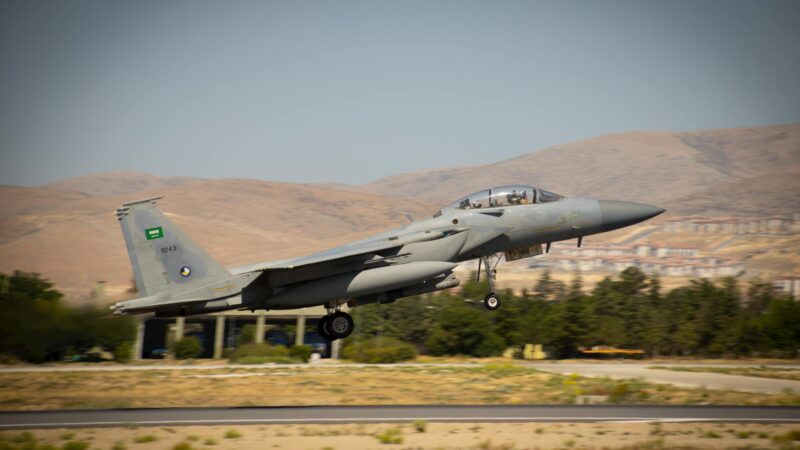
في 29 مارس، فُقدت طائرة F-15E سترايك إيغل من السرب المقاتل 336 كانت تعمل من قاعدة الظفرة الجوية في الإمارات خلال مهمة ضرب فوق محافظة إيلام غربي إيران. أكد البنتاغون الخسارة في 30 مارس ببيان مقتضب يعترف بـ”فقدان طائرة تابعة للقوات الجوية الأمريكية خلال العمليات” مشيراً إلى أن “وضع الطاقم قيد التحديد.” بثت وسائل الإعلام الحكومية الإيرانية لقطات للحطام خلال ساعات، وأعلن قائد الحرس الثوري حسين سلامي أنها “دليل على أن سماء إيران ليست مفتوحة للعدوان الأمريكي.”

لا تزال تفاصيل كيفية إسقاط الطائرة محل خلاف. أشار المسؤولون الأمريكيون في البداية إلى عطل ميكانيكي محتمل – وهو رد أولي معتاد يكسب الوقت للتقييم. تنسب الادعاءات الإيرانية الإسقاط إلى نظام الدفاع الجوي بافار-373، وهو نظام محلي بعيد المدى تصفه إيران بأنه مماثل لعائلة S-300 الروسية. يشير المحللون المستقلون، بالاعتماد على الاستخبارات الإلكترونية وصور الأقمار الاصطناعية، إلى صورة أكثر تعقيداً: من المرجح أن الـ F-15E واجهت اشتباكاً متعدد الطبقات يجمع بطارية S-300PMU2 (التي حصلت عليها إيران من روسيا في منتصف العقد الثاني من الألفية) لتوفير التتبع الأولي، مع نظام خرداد-15 متوسط المدى الذي سدد الضربة القاتلة أثناء مناورة الطائرة للمراوغة.
لماذا هذا مهم
عادة ما تكون خسارة طائرة واحدة في حملة عسكرية كبرى حاشية تكتيكية. الطائرات تُفقد في الحروب. لكن خسارة هذه الـ F-15E تحمل وزناً استراتيجياً يتجاوز بكثير أهميتها التكتيكية، لعدة أسباب.
أولاً، حطمت افتراض الإفلات من العقاب. منذ حرب الخليج عام 1991، عملت الولايات المتحدة في المجال الجوي لمنطقة الشرق الأوسط بإفلات جوهري من العقاب. كانت خسارة طائرات مقاتلة نادرة للغاية: طائرة F/A-18 واحدة في 2003، وبعض المروحيات والطائرات المسيّرة. كان الافتراض الأمريكي الضمني، الذي يشاركه الحلفاء والخصوم على حد سواء، أن القوة الجوية الأمريكية يمكنها العمل فوق أي دولة شرق أوسطية بأقل قدر من المخاطر. تدحض خسارة الـ F-15 هذا فوق إيران، التي تمتلك شبكة دفاع جوي أكثر تطوراً بكثير مما كانت عليه شبكات العراق أو ليبيا أو سوريا.
ثانياً، تقيد التخطيط العملياتي. عدلت القوات الجوية والبحرية الأمريكية تكتيكاتها بالفعل استجابة لذلك. انخفضت معدلات الطلعات فوق الأراضي الإيرانية بنسبة 25-30% منذ الخسارة. تتضمن حزم الضرب الآن أعداداً أكبر من طائرات الحرب الإلكترونية والطائرات المسيّرة الخداعية. يُصرح للطيارين بإلغاء المهام عند عتبات تهديد أقل. كل هذا يقلل من وتيرة وفعالية الحملة الجوية، مما يمنح إيران بالضبط ما تحتاجه: الوقت.
ثالثاً، له تأثير سياسي داخلي. أصبحت خسارة الـ F-15 فوراً القصة الرئيسية على كل قناة إخبارية أمريكية. مصير الطاقم، الذي لا يزال مجهولاً رسمياً، يخلق نوع السرد الإعلامي المستمر الذي يآكل الدعم العام للعمليات العسكرية. المقارنات بإسقاط الـ F-117 عام 1999 فوق صربيا، الذي لم يكن له أهمية استراتيجية لكنه حمل تأثيراً نفسياً هائلاً، حتمية ومناسبة. أصبح استجواب الكونغرس لنطاق ومدة الحملة، الذي كان مكتوماً في الأسابيع الأولى، أعلى بكثير.
رابعاً، يشجع استراتيجية الاستنزاف الإيرانية. لم تنوِ إيران قط هزيمة الولايات المتحدة عسكرياً. استراتيجيتها، كما وردت بوضوح في تحليل المعهد الدولي للدراسات الاستراتيجية للعقيدة العسكرية الإيرانية، هي فرض تكاليف كافية لجعل استمرار العمليات غير مستدام سياسياً. كل طائرة أمريكية تُفقد، وكل بحار يُصاب بصاروخ مضاد للسفن، وكل عنوان عن مصفاة خليجية تحترق، يزيد التكلفة السياسية للحرب في واشنطن. خسارة الـ F-15 هي أقوى رمز حتى الآن لتلك التكلفة.
الحملة الجوية: إضعاف دون تدمير
ما تم ضربه
ألحقت خمسة أسابيع من العمليات الجوية الأمريكية والحليفة المستمرة أضراراً كبيرة بالبنية التحتية العسكرية الإيرانية. الحصيلة، كما يمكن للاستخبارات مفتوحة المصدر إعادة بنائها، تشمل:
- المنشآت النووية: قاعات أجهزة الطرد المركزي في نطنز وفوردو تضررت بشدة. منشأة تحويل اليورانيوم في أصفهان ضُربت عدة مرات. مفاعل أراك للماء الثقيل تضرر. ومع ذلك، تشير التقييمات الاستخباراتية إلى أن إيران نقلت مواد نووية حرجة إلى مواقع مشتتة ومحصنة قبل الصراع، وقد يُقاس التأخير الفعلي في الجدول الزمني النووي الإيراني بأشهر وليس سنوات.
- قيادة وسيطرة الحرس الثوري: دُمرت مقرات ونقاط اتصال متعددة للحرس الثوري. ومع ذلك، فإن بنية القيادة الإيرانية لا مركزية للغاية، وأثبتت القدرة العملياتية مرونتها.
- شبكات الدفاع الجوي: دُمر أو أُضعف ما يقدر بـ 40-50% من مواقع صواريخ الدفاع الجوي الثابتة الإيرانية. تظل الأنظمة المتنقلة عاملة ويصعب تحديد موقعها وتدميرها.
- إنتاج الصواريخ: ضُربت عدة منشآت معروفة لإنتاج وتخزين الصواريخ. لكن مخزون إيران الصاروخي قُدر بأكثر من 3,000 قبل الصراع، والإنتاج مشتت جزئياً في منشآت تحت الأرض يصعب استهدافها.
- الأصول البحرية: دُمر حوالي 60% من السفن البحرية التقليدية الإيرانية في الموانئ أو في البحر. ومع ذلك، يظل أسطول زوارق الهجوم السريع التابع لبحرية الحرس الثوري، المنتشر على طول ساحل إيران الخليجي البالغ 2,440 كم، سليماً إلى حد كبير ونشطاً.
ما لم يتحقق
القائمة الأهم هي ما فشلت الحملة الجوية في تحقيقه:
قدرة إيران الانتقامية لم تُكسر. رغم خمسة أسابيع من الضربات، تواصل إيران إطلاق وابل يومي من الطائرات المسيّرة والصواريخ على أهداف خليجية. أثبتت خطوط إنتاج طائرات شاهد المسيّرة، المنتشرة عبر منشآت متعددة بما في ذلك مواقع تحت الأرض، مرونة ملحوظة. تستمر عمليات إطلاق الصواريخ من قاذفات متنقلة بمعدل 15-25 يومياً.
شبكة وكلاء إيران مفعّلة بالكامل. صعّد حزب الله هجمات الصواريخ على شمال إسرائيل، مع إطلاق أكثر من 200 صاروخ وطائرة مسيّرة في الأسبوع الماضي وحده. كثّفت قوات أنصار الله في اليمن عمليات مكافحة الشحن، مغلقة فعلياً جنوب البحر الأحمر أمام حركة المرور التجارية. نفذت الميليشيات العراقية المتحالفة مع إيران أكثر من 45 هجوماً على القوات الأمريكية في قواعد في العراق وسوريا منذ بداية الصراع.
استقرار النظام لم يتزعزع. خلافاً لبعض التكهنات قبل الحرب بأن الضربات العسكرية قد تحفز المعارضة الداخلية للحكومة الإيرانية، حدث العكس. التف الرأي العام الإيراني حول العلم، مع تعبير حتى الشخصيات الإصلاحية عن دعمها للدفاع الوطني. يتردد صدى رواية الحرس الثوري عن المقاومة ضد العدوان الأمريكي بقوة لدى شعب يتذكر حرب إيران-العراق.
دول الخليج تحت النار: الحلفاء يدفعون الثمن
التكلفة البشرية
بينما تكبد العسكريون الأمريكيون خسائر، معظمها من هجمات الصواريخ والطائرات المسيّرة على قواعد في الخليج والعراق، فإن دول الخليج نفسها هي التي تتحمل العبء الأثقل من حملة إيران الانتقامية. هذا ليس عرضياً؛ إنه جوهر استراتيجية إيران. بضرب البنية التحتية الاقتصادية الخليجية، تخلق إيران ضغطاً على الحلفاء ذاتهم الذين تعتمد الولايات المتحدة على أراضيهم ومجالهم الجوي لعملياتها.
حتى أوائل أبريل 2026، تشمل الوفيات المدنية المؤكدة من هجمات مرتبطة بإيران في دول الخليج:
- السعودية: 89 قتيلاً مؤكداً، بشكل رئيسي من ضربات صاروخية على مناطق سكنية في الظهران والدمام المجاورة لمنشآت عسكرية وصناعية
- الكويت: 47 قتيلاً، بما في ذلك 12 عاملاً مهاجراً في منشأة صناعية قرب مصفاة الزور
- الإمارات: 34 قتيلاً، مع أبرز حادثة شظية صاروخ ضربت برجاً سكنياً في حي جزيرة الريم بأبوظبي
- البحرين: 18 قتيلاً، معظمهم من حطام طائرات مسيّرة بعد عمليات اعتراض فوق مناطق مأهولة
يولّد الحصيلة المدنية غضباً شديداً عبر الخليج، لكن هذا الغضب موجه في اتجاهات متعددة: نحو إيران بسبب الهجمات، ونحو الولايات المتحدة لبدء صراع جعل دول الخليج أهدافاً، ونحو حكوماتهم لفشلها في منع الضربات.
النزيف الاقتصادي
يمتد الضرر الاقتصادي لدول الخليج إلى ما هو أبعد من التكلفة المباشرة للبنية التحتية المدمرة. السياحة، التي تشكل 12% من الناتج المحلي الإجمالي لدبي وأجزاء كبيرة من اقتصادات البحرين وعمان، انهارت فعلياً. علّقت شركات الطيران أو خفضت بشكل حاد رحلات الخليج. أُجلت أو نُقلت الأحداث والمؤتمرات والمعارض الدولية. موقع إكسبو دبي، الذي لا يزال يدير معالم جذب ذات طابع معين، فارغ فعلياً.
تتسارع عمليات إجلاء العمال الأجانب. نظمت الحكومة الهندية رحلات طيران مستأجرة لإجلاء أكثر من 40,000 مواطن هندي من الإمارات والكويت. أصدرت الفلبين وباكستان وبنغلاديش ونيبال تحذيرات سفر ونظمت عمليات إجلاء مماثلة. فقدان العمالة المهاجرة، التي تشكل 80-90% من القوى العاملة في القطاع الخاص في عدة دول خليجية، يهدد الأداء الاقتصادي حتى بعد زوال التهديد العسكري المباشر.
تجمدت أسواق العقارات. انخفضت المعاملات العقارية في دبي بنسبة 85% في مارس مقارنة بنفس الشهر من 2025. تُظهر أبوظبي والرياض انهيارات مماثلة. بالنسبة لاقتصادات راهنت بشكل كبير على التطوير العقاري والاستثمار الأجنبي، هذا التجمد مدمر.
الطريق الدبلوماسي المسدود
إطار الصين ذو النقاط الخمس
اقترحت الصين، متموضعة كقوة عظمى مسؤولة، إطاراً للسلام من خمس نقاط في 20 مارس:
- وقف فوري لإطلاق النار ووقف جميع العمليات العسكرية
- انسحاب جميع القوات العسكرية الأجنبية إلى مواقع ما قبل الصراع
- استئناف المفاوضات النووية في إطار متعدد الأطراف جديد
- تعويض الأضرار المدنية والمساعدة الإنسانية
- بنية أمنية إقليمية تضم جميع دول الخليج العربي
أيدت روسيا الإطار فوراً، ورحبت به الحليفات الأوروبيات بحذر، ورفضته الولايات المتحدة باعتباره “سابقاً لأوانه” و”مكافأة للعدوان الإيراني.” رحبت إيران علنياً بالاقتراح الصيني بينما أشارت سراً إلى أنها لن تقبل شيئاً أقل من رفع كامل للعقوبات، وهو ما ترفضه الولايات المتحدة قاطعاً. الفجوة بين الموقفين تُقاس بسنوات ضوئية وليس بوصات.
القناة الخلفية العمانية
عمان، التي خدمت تاريخياً كوسيط هادئ بين واشنطن وطهران (سهّلت المحادثات السرية التي أدت إلى الاتفاق النووي 2015)، تدير اتصالات عبر قنوات خلفية. تحدث السلطان هيثم بن طارق شخصياً مع كل من الرئيس والمرشد الأعلى الإيراني. ومع ذلك، يصف الدبلوماسيون العمانيون الفجوة بأنها “أوسع من أي نقطة منذ 1979″، مع عدم رغبة أي طرف في تقديم التنازل الأول.
المشكلة الأساسية هي أن كلا الطرفين يعتقد أن الوقت في صالحه. تعتقد واشنطن أن الضغط العسكري المستمر سيجبر إيران في النهاية على التفاوض من موقع ضعف. تعتقد طهران أن التكاليف الاقتصادية والسياسية للحرب ستجبر واشنطن في النهاية على قبول الشروط. لا يمكن أن يكون كلاهما على حق، والنتيجة صراع يطحن بينما يتنقل الدبلوماسيون بين العواصم بلا شيء يقدمونه.
مأزق مجلس الأمن الدولي
عقد مجلس الأمن الدولي أربع جلسات طارئة حول الصراع. استخدمت روسيا والصين حق النقض ضد ثلاثة قرارات مدعومة أمريكياً تطالب بامتثال إيران لالتزاماتها النووية. استخدمت الولايات المتحدة حق النقض ضد قرار روسي-صيني يطالب بوقف فوري لإطلاق النار. قرار توافقي مخفف يدعو إلى “ضبط النفس من جميع الأطراف” أُقر بالإجماع لكنه تجاهله الجميع.
عدم صلة مجلس الأمن بديناميكيات الصراع كاملة – واقع هيكلي كان واضحاً لسنوات لكن أصبح من المستحيل إنكاره الآن.
البُعد البحري: هرمز تحت الضغط
نقطة الاختناق في المضيق
مضيق هرمز، الذي يمر عبره حوالي 20% من نفط العالم يومياً، لم يُغلق بالكامل لكنه مقيد فعلياً. نشرت إيران ألغاماً في مقاربات المضيق، مع قيام القوات البحرية الأمريكية والحليفة بعمليات كسح ألغام مستمرة. تقوم زوارق الهجوم السريع التابعة لبحرية الحرس الثوري بمضايقات للسفن التجارية. ضُربت ناقلتان بصواريخ مضادة للسفن، رغم بقائهما طافيتين. احتُجزت ناقلة يونانية من قبل القوات الإيرانية في 15 مارس ولا تزال في الحجز الإيراني.
كان التأثير العملي انخفاضاً حاداً في حركة المرور التجارية عبر المضيق. تشير بيانات لويدز ليست إنتلجنس إلى أن العبور اليومي انخفض من متوسط ما قبل الصراع البالغ 55-60 سفينة إلى حوالي 25-30، مع اختيار العديد من السفن مسارات أطول حول رأس الرجاء الصالح رغم 10-14 يوماً إضافية من وقت العبور و500,000 إلى مليون دولار تكاليف وقود إضافية لكل رحلة.
أصبح تأمين مخاطر الحرب للسفن العابرة للخليج العربي باهظاً فعلياً. الأقساط التي كانت 0.05% من قيمة الهيكل قبل الصراع ارتفعت إلى 3-5%، مضيفة 3-5 ملايين دولار لكل عبور لناقلة نفط عملاقة محملة. العديد من مشغلي السفن يرفضون المخاطرة ببساطة بأي ثمن.
التواجد البحري الأمريكي
نشرت البحرية الأمريكية ثلاث مجموعات ضاربة لحاملات الطائرات في المنطقة: يو إس إس جيرالد فورد ويو إس إس آيزنهاور في بحر العرب، ويو إس إس لينكولن في خليج عمان. يمثل هذا أكبر تركيز للقوة البحرية الأمريكية في الشرق الأوسط منذ 2003. توفر مجموعات حاملات الطائرات الجزء الأكبر من القدرة الضاربة ضد الأهداف الإيرانية، مع توليد كل حاملة 120-150 طلعة يومياً.
ومع ذلك، يمثل التركيز البحري مخاطر أيضاً. تشكل الصواريخ الباليستية المضادة للسفن، وهي قدرة طورتها إيران على مدى عقدين، تهديداً نظرياً لعمليات حاملات الطائرات في المياه الضيقة لخليج عمان. رغم عدم استهداف أي حاملة مباشرة، اشتبكت يو إس إس ميسون، وهي مدمرة من فئة أرلي بيرك، ودمرت صاروخاً إيرانياً كروز مضاداً للسفن في 21 مارس. الحادثة، التي أكدها البنتاغون، شكلت أول اشتباك من نوعه منذ هجمات الحوثيين عام 2024.
استراتيجية إيران غير المتماثلة: الموت بألف جرح
تضاعف الوكلاء
كان الرد الاستراتيجي الأكثر فعالية لإيران هو تفعيل وتصعيد شبكة وكلائها بالكامل – ما يسميه الحرس الثوري “محور المقاومة.” هذه الشبكة، التي بُنيت على مدى أربعة عقود بتكلفة هائلة، تُوظف الآن بكامل طاقتها لأول مرة.
حزب الله: صعّدت الجماعة اللبنانية من احتكاكها الحدودي المعتاد منخفض المستوى إلى حملات صواريخ وطائرات مسيّرة مستمرة ضد شمال إسرائيل. استُهدفت مدن إسرائيلية حتى حيفا جنوباً، مع انخفاض معدلات اعتراض القبة الحديدية مع استخدام حزب الله أسلحة أكثر تطوراً بما في ذلك ذخائر موجهة بدقة. ردت إسرائيل بغارات جوية مكثفة على جنوب لبنان، مخلقة أزمة إنسانية تضيف بُعداً آخر للحريق الإقليمي.
الميليشيات العراقية: نفذت فصائل قوات الحشد الشعبي المتحالفة مع إيران أكثر من 45 هجوماً على مواقع أمريكية في العراق، بما في ذلك ضربات صاروخية وبطائرات مسيّرة على قاعدة عين الأسد الجوية ومجمع السفارة الأمريكية في المنطقة الخضراء ببغداد. قتلت هذه الهجمات 8 عسكريين أمريكيين على الأقل وأصابت العشرات – أرقام كانت ستهيمن على العناوين في أي أسبوع آخر.
الحوثيون: صعّدت قوات أنصار الله في اليمن بشكل حاد عمليات مكافحة الشحن، مطلقة صواريخ باليستية مضادة للسفن وأسراب طائرات مسيّرة على السفن التجارية في البحر الأحمر ومضيق باب المندب. تعطلت الملاحة العالمية عبر قناة السويس للمرة الثانية في ثلاث سنوات، مع تحويل خطوط الحاويات الكبرى حول رأس الرجاء الصالح.
الفصائل الفلسطينية: رغم عدم حدوث تصعيد كبير من غزة أو الضفة الغربية حتى الآن، تقدر الاستخبارات الإسرائيلية أن أسلحة وأموالاً إيرانية يتم تموضعها لتفعيل محتمل. يظل الوضع على حافة السكين.
منطق الاستنزاف
استراتيجية إيران متماسكة وعقلانية من منظورها. لا تستطيع مضاهاة القوة العسكرية التقليدية الأمريكية في أي مواجهة مباشرة. لكنها تستطيع فرض تكاليف عبر مسارح متعددة في وقت واحد، ممددة الموارد الأمريكية والحليفة بينما تحافظ على قواتها في وضع دفاعي يقلل الخسائر.
الحساب واضح: كل أسبوع تستمر فيه الحرب، تتراكم التكاليف الاقتصادية (النفط فوق 111 دولاراً للبرميل، سلاسل الإمداد العالمية معطلة، اقتصادات الخليج تنزف)، تزداد التكاليف السياسية في واشنطن (الخسائر، رواية الـ F-15، معارضة الكونغرس)، ويتنامى الضغط الدبلوماسي لتسوية. إيران لا تحتاج للفوز؛ تحتاج ألا تخسر – وهو شريط أدنى بكثير.
السياسة الداخلية للحرب
معضلة واشنطن
كان الافتراض أن أي إدارة مستقبلية قد تستخدم القوة ضد إيران يتضمن دائماً نتيجة ضمنية: ستكون سريعة وحاسمة وغير مؤلمة نسبياً. بعد خمسة أسابيع، لا ينطبق أي من هذه الصفات، والديناميكيات السياسية الداخلية تتحول بسرعة.
الدعم في الكونغرس، الذي كان في البداية من الحزبين وإن لم يكن شاملاً، يتصدع. تزداد أصوات مجلس الشيوخ المطالبة بأهداف أوضح ومعايير خروج يومياً. نقاش قرار صلاحيات الحرب، الذي بدا أكاديمياً في الأسبوع الأول، اكتسب إلحاحاً عملياً. تُظهر استطلاعات الرأي العام انخفاض الدعم للعملية العسكرية من 62% في الأسبوع الأول إلى 44% في الأسبوع الخامس – مسار يعكس تقريباً بالضبط منحنيات استطلاعات فيتنام والعراق المبكرة.
تواجه الإدارة تحدي تواصل مستحيلاً. لا تستطيع إعلان النصر لأن الأهداف المعلنة (القضاء على القدرة النووية الإيرانية وإضعاف قدرتها العسكرية) تحققت جزئياً فقط. لا تستطيع الاعتراف بجمود لأن ذلك يصادق على استراتيجية إيران. ولا تستطيع التصعيد دون المخاطرة بالحرب الأوسع التي حذر منها قادتها العسكريون بأنها ستكون كارثية.
حساب طهران
تلعب القيادة الإيرانية، مستفيدة من عقود من الخبرة في مواجهة العقوبات والعزلة والحرب مع العراق لثماني سنوات، لعبة أطول مدى. أعلن المرشد الأعلى خامنئي في خطاب تلفزيوني نادر في 1 أبريل أن إيران “تحملت أسوأ وستتحمل هذا” وأن “المعتدي الأمريكي سيتعب قبل الأمة الإيرانية.”
السياسة الداخلية الإيرانية، رغم أنها أقل شفافية، تُظهر تأثير التفاف حقيقي حول العلم. أُسكت السياسيون الإصلاحيون الذين أمضوا سنوات يدافعون عن المشاركة مع الغرب بفعل الأحداث؛ حجتهم بأن التفاوض كان سيمنع هذا السيناريو بالضبط تأكدت، لكن المتشددين في إيران هم من يستفيدون من الأزمة الحالية، محتجين بأن القوة العسكرية والاكتفاء الذاتي كانا دائماً الضمان الموثوق الوحيد للأمن القومي.
إلى أين يتجه هذا؟ خمسة مسارات
المسار الأول: مخرج دبلوماسي (احتمال 15%)
يتم إيجاد صيغة حفظ ماء الوجه تسمح لكلا الطرفين بالتهدئة. توافق إيران على عمليات تفتيش نووية معززة في إطار جديد؛ ترفع الولايات المتحدة بعض العقوبات وتوقف العمليات العسكرية النشطة. هذا هو أفضل نتيجة لكنه الأقل احتمالاً في البيئة الحالية، إذ لا تسمح السياسة الداخلية لأي من الطرفين بالتنازلات الضرورية.
المسار الثاني: صراع مجمد (احتمال 30%)
تتراجع الأعمال العدائية النشطة تدريجياً دون وقف رسمي لإطلاق النار. تخفض الولايات المتحدة العمليات الجوية مع الحفاظ على وضع تهديدي. تخفض إيران هجمات الوكلاء لكنها لا توقفها. يظهر وضع راهن “لا سلم ولا حرب” لا يرضي أحداً لكنه يتجنب مزيداً من التصعيد. لهذا سابقة تاريخية في نموذج الحرب الكورية.
المسار الثالث: استنزاف مستدام (احتمال 30%)
يستمر النمط الحالي لأشهر. تمتص إيران الغارات الجوية بينما تحافظ على حملتها الانتقامية. تتحمل دول الخليج أضراراً متزايدة. تتراكم التكاليف الاقتصادية العالمية. تجبر السياسة الداخلية في واشنطن في النهاية على تخفيض أحادي في العمليات، تدعي إيران أنه انتصار. هذا هو مسار فيتنام.
المسار الرابع: تصعيد إلى عمليات برية (احتمال 15%)
يؤدي الإحباط من النتائج المحدودة للحملة الجوية إلى ضغط لعمليات برية، ربما توغلات محدودة في غرب إيران لتدمير مواقع إطلاق الصواريخ وشبكات الدفاع الجوي. هذا سيمثل تصعيداً هائلاً مع مخاطر ضخمة، بما في ذلك احتمال حرب برية مطولة في تضاريس جبلية ضد مدافع محفز. يعارض القادة العسكريون هذا الخيار بشدة، لكن الضغط السياسي يمكن أن يتغلب على الحكم العسكري.
المسار الخامس: حريق إقليمي (احتمال 10%)
حدث تصعيدي كبير – مثل إغراق سفينة أمريكية، أو هجوم بخسائر جماعية على مدينة خليجية، أو حرب إسرائيلية-حزب الله تخرج عن السيطرة – يفجر صراعاً إقليمياً أوسع يضم أطرافاً حكومية متعددة. هذا هو سيناريو الكابوس الذي يخشاه الجميع في المنطقة لكن تراكم الضغوط التصعيدية يجعله مقبولاً بشكل متزايد.
نقطة التحول التي غيرت كل شيء
الأسبوع الخامس من حرب إيران هو الأسبوع الذي كشفت فيه الحرب عن طبيعتها الحقيقية. ليست الحملة السريعة الحاسمة التي عرضها مخططو الحرب. ليست عرض الردع الذي قصده صناع السياسة. إنه صراع طاحن ومكلف ومتعدد المسارح بلا طريق واضح للحل، يُخاض ضد خصم أمضى 45 عاماً يستعد لهذا السيناريو بالضبط.
حطام الـ F-15 في جبال محافظة إيلام هو استعارة مادية للافتراضات الاستراتيجية التي تحطمت معه. المصافي المحترقة عبر الخليج هي الثمن الذي يدفعه الحلفاء لحرب لم يختاروها. طاولات المفاوضات الفارغة في نيويورك وجنيف هي نصب تذكارية لفشل الخيال – العجز عن تصور طريق للأمن لا يمر عبر سماء طهران.
أين يتجه هذا بعد ذلك يعتمد على قرارات تُتخذ في غرف بلا نوافذ في واشنطن وطهران والرياض وبكين. ما هو واضح، مع اختتام الأسبوع الخامس، هو أن الافتراضات التي بُنيت عليها تلك القرارات أصلاً قد تجاوزتها الأحداث. وصلت نقطة التحول التي لم يتوقعها أحد. السؤال هو ما إذا كان لدى أحد الحكمة للتعرف عليها والشجاعة لتغيير المسار.
كما لاحظ المؤرخ العربي العظيم ابن خلدون قبل قرون: “الماضي أشبه بالمستقبل من الماء بالماء.” أنماط التمدد الإمبراطوري والمقاومة غير المتماثلة والعواقب غير المتوقعة للحرب ليست جديدة. ما هو جديد هو التكنولوجيا، والتكنولوجيا، كما تذكرنا الطائرات المسيّرة والصواريخ يومياً، تغير الحساب لكن ليس الدرس الأساسي: الحروب أسهل في البدء من الإنهاء، وتكاليفها تتجاوز دائماً تقديرات مخططيها.
يُنشر هذا التحليل من قبل ذا ميدل إيست إنسايدر كجزء من سلسلة تقييمنا الأسبوعي للحرب. يظل الوضع متقلباً، وسنواصل تقديم تحليل مستقل مع تطور الأحداث.