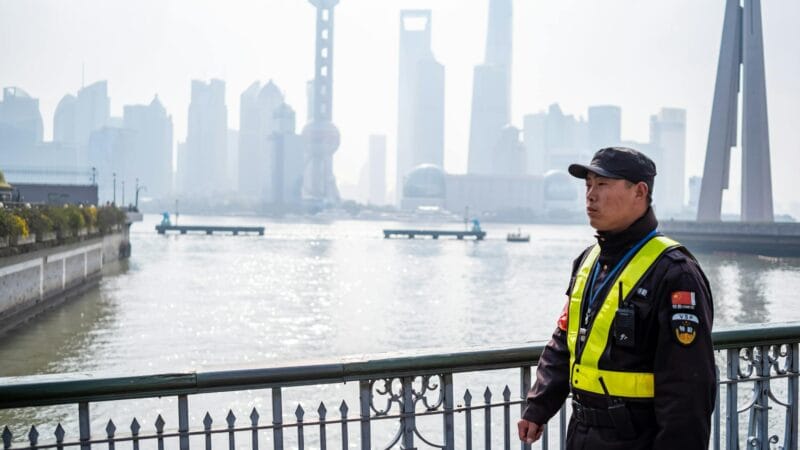
The Paradox of Perception: The World’s Most Misunderstood Safe City
There is a question that millions of people type into Google every month, and the frequency of that question reveals something profound about the gap between perception and reality. “Is Dubai safe?” ranks among the most searched travel safety queries in the English-speaking world, asked by Americans, Britons, Australians, and Europeans who have been conditioned by decades of media coverage to associate the Middle East with danger. The paradox is stark: Dubai is statistically safer than virtually every major Western city these people call home. Safer than London. Safer than New York. Safer than Los Angeles, Paris, Rome, Barcelona, and Sydney. By every measurable metric — homicide rates, assault rates, theft rates, the probability of being a victim of violent crime — Dubai is one of the safest major cities on the planet.
Yet the question persists, and it deserves a thorough, honest answer. Not the sanitized version that Dubai’s tourism board might offer, and not the fear-mongering that certain Western media outlets trade in. The truth is nuanced: Dubai is extraordinarily safe from violent crime and most forms of theft, but it operates under a legal system that differs fundamentally from Western norms, and understanding those differences is essential to staying out of trouble. This guide provides everything you need — crime statistics, neighborhood safety ratings, laws you must know, and practical advice for every type of visitor and resident.
Dubai Crime Statistics: The Numbers That Tell the Real Story
Overall Crime Rate
Dubai consistently ranks among the safest cities in the world across multiple independent indices. According to Reuters, the UAE ranked as the second-safest country globally in 2025, behind only Iceland. The specific numbers paint a compelling picture:

| Crime Metric | Dubai | London | New York | Paris | Singapore |
|---|---|---|---|---|---|
| Homicide Rate (per 100K) | 0.4 | 1.2 | 5.0 | 1.4 | 0.2 |
| Assault Rate (per 100K) | 12 | 782 | 365 | 442 | 29 |
| Robbery Rate (per 100K) | 3 | 139 | 182 | 219 | 8 |
| Burglary Rate (per 100K) | 8 | 453 | 244 | 312 | 15 |
| Vehicle Theft (per 100K) | 5 | 298 | 188 | 275 | 3 |
| Residents Feeling Safe at Night (%) | 92% | 58% | 55% | 51% | 94% |
The numbers are not close. Dubai’s violent crime rate is a fraction of any major Western city, and its property crime rates are similarly low. The only city that consistently matches or beats Dubai’s safety statistics is Singapore — a comparison that Dubai’s leadership actively embraces.
Why Is Dubai So Safe?
Dubai’s remarkable safety record is not accidental. It is the product of several deliberate and interconnected factors:
1. Strict Legal Framework: The UAE’s legal system imposes severe penalties for criminal behavior. Theft, assault, drug offenses, and even public disturbances carry punishments that are significantly harsher than Western equivalents. This deterrent effect is real and measurable.
2. Massive Surveillance Infrastructure: Dubai operates one of the most extensive CCTV networks in the world — over 300,000 cameras across the city, integrated with AI-powered analytics. Smart police stations, facial recognition at airports, and license plate tracking create a surveillance environment where criminal activity is extremely difficult to conduct without detection.
3. High Police-to-Population Ratio: Dubai maintains a police presence that far exceeds most Western cities per capita. Dubai Police are well-trained, well-equipped (famously including luxury patrol cars from Bugatti, Lamborghini, and Ferrari), and have a strong community policing approach.
4. Economic Incentive Structure: The vast majority of Dubai’s population are expatriates whose residency is tied to employment. Committing a crime risks not just prosecution but deportation and permanent visa bans — an additional deterrent that does not exist in most countries.
5. Wealth Distribution: While income inequality exists, the extreme poverty that drives much street crime in other cities is largely absent in Dubai. The government provides comprehensive support for Emirati citizens, and the expat workforce is generally employed and housed.
Types of Crime That Do Occur
While violent crime is rare, Dubai is not crime-free. The most common criminal issues affecting residents and tourists include:
Cybercrime: This is the fastest-growing crime category in Dubai. Online fraud, phishing, identity theft, and social media scams have increased significantly. Dubai Police’s cybercrime unit processes thousands of cases annually.
Financial Crime: Fraud, bounced checks (still a criminal offense), and investment scams do occur. The real estate sector has seen cases of fraudulent off-plan sales and unlicensed agents.
Traffic Offenses: Road safety remains Dubai’s biggest statistical safety challenge. Despite improving, traffic accident rates are higher than European averages, driven by speeding and aggressive driving behavior.
Petty Theft: While rare compared to Western cities, pickpocketing does occur in crowded tourist areas like Gold Souk, Global Village, and during major events. Car break-ins are uncommon but not unheard of.
Labor Disputes: Cases involving unpaid wages, passport confiscation, and poor working conditions have been documented, particularly affecting lower-income migrant workers. The UAE has strengthened labor protections significantly since 2020, but enforcement gaps remain.
Dubai Laws You Must Know: The Legal Landscape for Visitors and Residents
Laws That Surprise Western Visitors
Dubai’s legal system is based on a combination of Sharia law, civil law, and specific federal and local legislation. Several laws differ significantly from Western norms and have caught visitors off guard:
1. Drug Laws — Zero Tolerance
Dubai maintains an absolute zero-tolerance policy on drugs. This cannot be overstated:
- Possession of any illegal drug, in any quantity (even residual traces), is a criminal offense
- Minimum sentence for drug possession is typically 4 years imprisonment followed by deportation
- Drug trafficking can carry the death penalty
- This includes CBD oil, marijuana (even from places where it is legal), and prescription medications containing controlled substances
- Dubai airport has sophisticated detection equipment and trained drug-detection dogs
- Even having drugs in your bloodstream from consumption in another country can technically constitute an offense
Prescription Medication Warning: Several medications legal in the US and UK are controlled substances in the UAE. These include some ADHD medications (Adderall), certain painkillers (codeine-based products), and some anti-anxiety medications. Always carry a prescription letter from your doctor and check the UAE Ministry of Health’s controlled substance list before traveling.
2. Alcohol Laws
- Alcohol is legal in Dubai for non-Muslims over 21 in licensed venues (hotels, restaurants, clubs)
- Dubai relaxed personal liquor licensing in 2023, making it easier for residents to purchase alcohol for home consumption
- Public intoxication is illegal and can result in fines, arrest, or deportation
- Drinking and driving carries severe penalties: zero tolerance (any blood alcohol level), minimum 30 days imprisonment, heavy fines, and deportation for repeat offenders
- During Ramadan, alcohol service is restricted to indoor venues and typically not available before Iftar time
3. Public Behavior Laws
- Profanity and rude gestures: Swearing in public, making obscene gestures (including the middle finger), and aggressive behavior can result in fines or imprisonment
- Public displays of affection: While Dubai has become more liberal, excessive PDA beyond hand-holding can attract police attention, particularly in conservative areas
- Photography: Photographing people without consent, especially women, military installations, and government buildings, is illegal
- Social media: Posting defamatory or insulting content about individuals, businesses, or the UAE government on social media can result in fines and imprisonment under cybercrime laws
- Noise complaints: Excessive noise in residential areas can result in police involvement and fines
4. Financial Laws
- Bounced checks: Issuing a check that bounces remains a criminal offense in the UAE, potentially carrying imprisonment. While enforcement has softened for small amounts, it remains a serious matter
- Debt: Failure to repay debts can result in travel bans. The UAE has modernized its insolvency laws, but the legal framework still differs significantly from Western bankruptcy protections
5. 2023 Legal Reforms
The UAE implemented significant legal reforms in 2023-2024 that modernized many laws:
- Cohabitation of unmarried couples was decriminalized
- Alcohol licensing was simplified for residents
- Suicide attempts were decriminalized
- Personal status laws were modernized to accommodate non-Muslim residents
- Cyberbullying protections were strengthened
Safest Areas in Dubai: Neighborhood-by-Neighborhood Guide
Tier 1: Ultra-Safe (Gated/Managed Communities)
Emirates Hills / Springs / Meadows / Lakes
The gold standard of Dubai residential security. These gated communities in the Jumeirah Golf Estates area feature 24/7 manned security, controlled access gates, internal patrols, and a resident demographic of affluent professionals and families. Crime is virtually nonexistent within these communities.
- Security Rating: 10/10
- Best For: Families, high-net-worth individuals
- Monthly Rent (3-bed villa): AED 15,000-30,000 ($4,085-$8,175)
Arabian Ranches (1, 2, 3)
Another gated community known for its family-friendly environment and excellent security infrastructure. The community has its own retail center, school, and recreational facilities, reducing the need to leave the compound.
- Security Rating: 10/10
- Best For: Families with children
- Monthly Rent (3-bed villa): AED 12,000-22,000 ($3,268-$5,993)
Palm Jumeirah
The iconic palm-shaped island has controlled entry points, comprehensive CCTV, and a high concentration of security personnel serving the resort hotels and residential properties.
- Security Rating: 9.5/10
- Best For: Professionals, couples, luxury living
- Monthly Rent (2-bed apartment): AED 15,000-30,000 ($4,085-$8,175)
Tier 2: Very Safe (High-Traffic, Well-Policed Areas)
Downtown Dubai / Burj Khalifa District
The tourist heart of Dubai is one of the most heavily monitored areas in the city. The concentration of hotels, the Dubai Mall, and the Burj Khalifa means a constant police and security presence.
- Security Rating: 9/10
- Best For: Professionals, tourists, social lifestyle
- Monthly Rent (1-bed apartment): AED 8,000-15,000 ($2,180-$4,085)
Dubai Marina / JBR
The Marina and Jumeirah Beach Residence areas are densely populated, well-lit, and benefit from strong community management. The pedestrianized Marina Walk and JBR beach promenade are popular evening gathering spots.
- Security Rating: 9/10
- Best For: Young professionals, social lifestyle
- Monthly Rent (1-bed apartment): AED 7,000-12,000 ($1,907-$3,268)
Dubai Hills Estate
One of Dubai’s newer master-planned communities, Dubai Hills combines modern apartments with villas around a golf course and extensive parks. Security infrastructure was designed from the ground up with modern technology.
- Security Rating: 9/10
- Best For: Families, professionals
- Monthly Rent (2-bed apartment): AED 8,000-14,000 ($2,180-$3,815)
Tier 3: Safe (Standard Dubai Areas)
Jumeirah (1, 2, 3), Umm Suqeim
The traditional expat residential strip along the coast. Well-established, with good community feel and local policing.
Mirdif, Al Warqa
Family-oriented neighborhoods in eastern Dubai. Affordable, safe, and popular with middle-income families. Mirdif City Centre provides a community hub.
Business Bay
The commercial district adjacent to Downtown has developed a strong residential community. High-rise living with good security in most buildings.
Areas Requiring More Caution
No area in Dubai is genuinely dangerous by Western city standards, but certain areas require heightened awareness:
- Deira (Old Dubai): The historic commercial district is safe but more crowded, with higher rates of petty crime (pickpocketing in the souks). At night, certain streets can feel less comfortable.
- Naif / Al Ras: Densely populated areas near the old souks with a more transient population. Safe but less polished than newer areas.
- International City: A more affordable residential area with lower security standards than premium developments. Reports of minor incidents are slightly higher than Dubai averages.
- Labor camps (outskirts): Industrial areas housing construction workers are separate from residential and tourist zones and are not relevant to typical expat or tourist safety.
Safety Guide for Women in Dubai
General Assessment
Dubai is one of the safest cities in the world for women, consistently ranking in the top 10 globally for female safety. The combination of strict harassment laws, heavy surveillance, cultural hospitality norms, and effective policing creates an environment where women enjoy significantly more freedom of movement than in many Western cities.
Specific Safety Information for Women
- Walking alone at night: Generally safe in most residential and tourist areas. Standard precautions (avoiding isolated areas, staying aware of surroundings) apply as they would anywhere.
- Public transportation: The Dubai Metro has dedicated women-and-children carriages. Taxis and ride-hailing are safe — licensed taxis are the recommended option.
- Dress code: Dubai has a liberal dress code compared to other Gulf cities. Swimwear is fine at beaches and pools. In malls, restaurants, and public areas, most clothing is acceptable. However, very revealing clothing can attract unwanted attention and technically violates public decency guidelines. Cover shoulders and knees when visiting mosques or government buildings.
- Harassment: Sexual harassment is a criminal offense in the UAE, carrying prison sentences. If you experience harassment, report it — the law is firmly on your side.
- Accommodation: Single women can stay in any hotel and rent property without restrictions. The 2023 legal reforms removed most gender-specific restrictions.
What to Do If Something Goes Wrong
In the unlikely event of a safety incident:
- Call 999 (Dubai Police) immediately
- If at a hotel or mall, alert security staff — they are trained to assist
- Preserve evidence (photos, videos, witness details) if safely possible
- Contact your embassy/consulate for support
- Dubai Police have a dedicated tourist security unit with multilingual officers
Safety Guide for Families with Children
Child Safety in Dubai
Dubai is exceptionally family-friendly and child-safe. The city’s infrastructure is designed with families in mind:
- Child abduction: Rates are effectively zero for stranger abduction. The UAE has strict laws and fast response protocols.
- Playground and park safety: Public parks and playgrounds are well-maintained, with most facilities in excellent condition.
- Beach safety: Public beaches have lifeguards, and the water quality is monitored regularly. Flag warning systems are used to indicate swimming conditions.
- Mall safety: Malls have family rooms, prayer rooms, and child-friendly facilities. Lost child protocols are well-established.
- Car safety: Child car seat laws are enforced. Children under 10 must sit in the back seat.
Online Safety Considerations
The UAE blocks certain websites and apps (gambling sites, certain dating apps, some VoIP services). While VPNs are technically legal for legitimate use, using them to access illegal content is not. Parents should be aware that the UAE’s internet filtering provides some additional protection for children, but standard parental controls and monitoring remain essential.
Road Safety: Dubai’s Biggest Safety Challenge
Traffic Statistics
Road safety is statistically the biggest safety concern in Dubai. While the emirate has made significant improvements, traffic accident rates remain higher than European averages:
- Road traffic deaths: approximately 3.5 per 100,000 population (lower than the US at 12.4, but higher than the UK at 2.9)
- Dubai Police recorded over 2,000 serious traffic accidents in 2025
- Speed is a factor in approximately 40% of fatal accidents
- Tailgating and aggressive lane-changing are common on major highways like Sheikh Zayed Road
Road Safety Tips
- Always wear seatbelts (mandatory for all occupants, strictly enforced)
- Do not use mobile phones while driving (heavy fines and black points)
- Be cautious on Sheikh Zayed Road (E11) and Al Khail Road — high-speed multi-lane highways
- Watch for sudden lane changes and tailgating, particularly from luxury/sports vehicles
- During sandstorms, reduce speed dramatically and use fog lights
- In rain (rare but hazardous), roads become extremely slippery due to oil buildup — reduce speed significantly
- Pedestrians should use designated crossings — jaywalking is both illegal and dangerous
Natural Hazards and Health Safety
Climate-Related Risks
Dubai’s desert climate presents specific health considerations:
- Heat stroke: Summer temperatures exceed 45°C (113°F). Heat-related illness is a genuine risk from June to September. Stay hydrated, limit outdoor activity between 11 AM and 4 PM, and take shade breaks.
- Sandstorms: Occur several times per year, reducing visibility to near-zero. During sandstorms, stay indoors if possible, close windows, and avoid driving.
- UV exposure: Dubai has some of the highest UV index readings in the world. Sunscreen (SPF 50+), hats, and UV-protective clothing are essential for outdoor activities.
- Flooding: Rare but increasingly impactful. Dubai experienced significant flooding in April 2024 due to cloud-seeding-enhanced rainfall. Infrastructure is being improved, but flash flooding can occur during rare heavy rain events.
Healthcare Quality
Dubai’s healthcare system is world-class:
- Multiple JCI-accredited hospitals (the highest international healthcare accreditation)
- Emergency response times averaging 8-12 minutes in urban areas
- Mandatory health insurance for all residents ensures access to care
- Pharmacies are widely available and well-stocked
- Medical tourism is a growing industry — Dubai Health City is a dedicated healthcare free zone
Cybersecurity and Digital Safety
Online Threats
As a highly connected, tech-savvy city, Dubai faces growing cybersecurity challenges:
- Phishing: Common via email, WhatsApp, and SMS — particularly scams impersonating banks, telecoms, or government entities
- Social media scams: Fake investment opportunities, romance scams, and counterfeit goods are prevalent on Instagram and other platforms
- Public WiFi: Exercise caution on public WiFi networks in malls, cafes, and hotels. Use a VPN for sensitive transactions.
- Real estate fraud: Verify all property agents and developers through Dubai Land Department (DLD) and RERA before making any payments
Digital Privacy
According to The Wall Street Journal, the UAE maintains comprehensive digital monitoring capabilities. For visitors and residents, key considerations include:
- VoIP services (WhatsApp calls, FaceTime) are officially restricted, though enforcement varies
- VPN usage is legal for legitimate purposes but illegal if used to access blocked content or commit crimes
- Social media content is monitored — avoid posting anything that could be construed as insulting to the UAE, its leaders, or its culture
- The UAE’s cybercrime law (Federal Decree-Law No. 34 of 2021) carries significant penalties for digital offenses
Safety Comparison: Dubai vs Other Middle Eastern Cities
| Safety Metric | Dubai | Abu Dhabi | Riyadh | Doha | Amman | Cairo |
|---|---|---|---|---|---|---|
| Overall Safety Index | 86/100 | 88/100 | 78/100 | 84/100 | 65/100 | 45/100 |
| Walking Alone at Night | Very Safe | Very Safe | Safe | Very Safe | Moderate | Moderate |
| Public Transport Safety | Very Safe | Very Safe | Safe | Very Safe | Safe | Moderate |
| Tourist Safety | Excellent | Excellent | Good | Excellent | Good | Moderate |
| Female Safety | Very High | Very High | High | Very High | Moderate | Moderate |
| Cybercrime Risk | Moderate | Moderate | Moderate | Low-Moderate | Low | Moderate |
| Road Safety | Moderate | Good | Moderate | Good | Poor | Poor |
Insurance and Emergency Preparedness
Recommended Insurance Coverage
For visitors and residents, appropriate insurance coverage is essential:
- Tourists: Comprehensive travel insurance including medical coverage (minimum $250,000), repatriation, and personal liability. Ensure your policy covers the UAE specifically.
- Residents: Employer-provided health insurance is mandatory. Consider supplementing with additional coverage for dental, optical, and maternity if not included.
- Property: Contents insurance for renters, comprehensive home insurance for property owners. Dubai’s risk of theft is low, but water damage (from AC leaks or rare flooding) is the most common claim.
- Vehicle: Comprehensive car insurance is strongly recommended over third-party only. Given Dubai’s traffic dynamics, the extra coverage is worthwhile.
Emergency Kit for Dubai Residents
While Dubai is not prone to natural disasters, maintaining basic emergency preparedness is wise:
- 3 days of bottled water per family member
- Basic first aid kit
- Flashlight and batteries (for rare power outages)
- Copies of important documents (passport, Emirates ID, insurance cards)
- Emergency contact numbers saved in phone
- Cash reserve (ATMs may be unavailable during power outages or system issues)
The Bottom Line: Is Dubai Safe in 2026?
Yes. By virtually every objective measure, Dubai is one of the safest major cities in the world. It is safer than the cities most of its visitors come from, and it is safer than the stereotypes suggest. The crime rates speak for themselves: you are statistically more likely to be a victim of crime spending a week in London, New York, Paris, or Sydney than in Dubai.
However, safety in Dubai comes with a caveat that does not apply in Western cities: the legal system is different, and ignorance of the law is not an excuse. Drug laws, public behavior standards, social media regulations, and financial crime rules operate on different assumptions than Western visitors are accustomed to. The vast majority of Westerners who have legal problems in Dubai got into trouble not because Dubai is unsafe, but because they failed to understand and respect the legal framework.
The practical advice is straightforward: come to Dubai with the same common sense you would exercise anywhere, add a layer of cultural and legal awareness specific to the UAE, and you will enjoy one of the safest, most welcoming, and most spectacularly modern cities on earth.