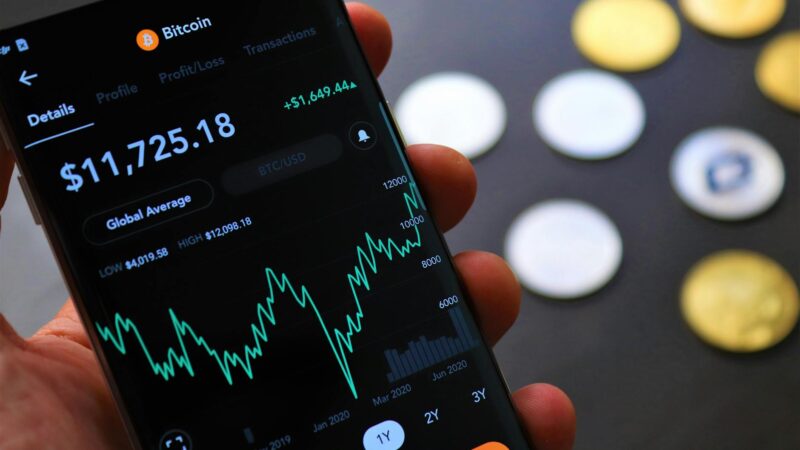
The cryptocurrency regulatory landscape in the Middle East is undergoing a fundamental transformation in 2026. While the UAE and Bahrain race to become global digital asset hubs with advanced regulatory frameworks, other nations like Qatar maintain their conservative stance. With Bitcoin surpassing $95,000 in March 2026 and total crypto market capitalization reaching $4.2 trillion, no government can afford to ignore this sector.
UAE: Regulatory Leadership Through VARA and ADGM
Dubai’s Virtual Assets Regulatory Authority (VARA)
VARA was established in 2022 as the world’s first independent, specialized virtual assets regulatory authority. By March 2026, the authority has granted licenses to more than 85 companies operating in digital assets in Dubai. VARA’s framework covers seven categories of activities: advisory, brokerage, custody, exchange, lending, transfer services, and virtual asset management.
VARA requires all virtual asset service providers to obtain a license before operating, with capital requirements ranging from AED 500,000 to AED 15 million depending on license type. It also enforces strict anti-money laundering and compliance rules including Know Your Customer (KYC) verification and suspicious transaction monitoring.
Abu Dhabi Global Market (ADGM)
ADGM takes a different approach through its Financial Services Regulatory Authority (FSRA), which treats crypto assets as financial instruments subject to securities laws. More than 40 companies have obtained ADGM licenses, including major exchanges and institutional custody platforms. ADGM launched a dedicated Decentralized Finance (DeFi) framework in 2025, the first of its kind in the region.
Key Licenses in the UAE
Binance obtained a full license from VARA in 2024 to offer cryptocurrency trading services in Dubai. OKX received a similar license. Rain, headquartered in Bahrain, also secured a license to operate in Abu Dhabi through ADGM. Bybit obtained a license under the “qualifying” category with specific service restrictions.
Bahrain: The Region’s First Regulatory Pioneer
Bahrain was the first country in the region to issue a comprehensive regulatory framework for crypto assets in 2019 through the Central Bank of Bahrain (CBB). The regulation covers exchange, custody, advisory, and digital wallet services. Rain received the region’s first crypto exchange license from CBB in 2019.
By 2026, Bahrain has expanded its framework to include stablecoins and security tokens. The minimum capital requirement for an exchange license is BHD 500,000 ($1.3 million). Bahrain stands out for its openness to financial innovation while maintaining investor protection.
Saudi Arabia: Cautious Stance With Gradual Opening
Saudi Arabia does not explicitly ban cryptocurrency trading, but the Saudi Central Bank (SAMA) and the Capital Market Authority have not issued a comprehensive regulatory framework as of March 2026. The official position warns citizens about the risks of investing in unregulated crypto assets.
Nevertheless, the Saudi Central Bank, in collaboration with the UAE Central Bank, launched Project “Aber” for central bank digital currency (CBDC) cross-border payment settlement. The Capital Market Authority has also shown interest in regulating asset tokenization as part of its financial market development plan. Reports indicate that Saudi Arabia may issue a regulatory framework in the second half of 2026.
Qatar: The Most Conservative Position
The Qatar Central Bank (QCB) prohibits licensed financial institutions from dealing in cryptocurrencies or offering related services. This ban was issued in 2018 and remains in effect in 2026. There is no regulatory framework for crypto exchange licensing in the country.
However, the Qatar Financial Centre (QFC) has established a regulatory sandbox for blockchain technologies in the financial sector, emphasizing that this does not extend to cryptocurrency trading. Analysts believe Qatar may gradually reconsider its position as regulatory frameworks mature in neighboring countries.
Egypt: Regulation in Development
The Central Bank of Egypt has issued repeated warnings about cryptocurrencies but has not imposed an explicit ban. In 2024, the Financial Regulatory Authority issued preliminary rules for digital asset regulation under the amended Investment Law. With growing public interest in cryptocurrencies in Egypt (estimated at over 3 million crypto wallets), the government is moving toward regulation rather than prohibition.
The Central Bank of Egypt is working on the Digital Pound (E-Pound) project as a central bank digital currency, with plans for a pilot launch in 2026. The Financial Regulatory Authority is also studying the issuance of licenses for crypto trading platforms under strict conditions.
Cryptocurrency Taxation in the Region
Most Gulf countries do not impose taxes on capital gains from cryptocurrency trading for individuals. In the UAE, individual profits from cryptocurrencies are not subject to income tax (nonexistent) or capital gains tax (nonexistent). For companies, digital asset profits are subject to the 9% corporate tax (or 0% in qualifying free zones). In Bahrain, Saudi Arabia, and Qatar, there is no personal income tax, meaning no taxes on individual cryptocurrency profits.
Tips for Investors in 2026
For cryptocurrency investors in the Middle East: use only platforms licensed in your country of residence. In the UAE, verify platform licensing through the VARA or ADGM websites. Maintain accurate records of all transactions for compliance purposes. Do not keep large amounts on exchanges — use self-custody wallets for long-term holdings. Be wary of offers promising guaranteed returns — there are no guaranteed returns in the cryptocurrency market.
What’s Next
The Middle East is moving toward greater regulatory clarity in 2026. Saudi Arabia is expected to issue its regulatory framework, VARA is expected to expand its licensing scope to include decentralized finance, and several countries in the region are expected to launch central bank digital currencies. For investors, the Middle East offers a unique combination of tax exemption and increasing regulatory clarity, making it one of the most attractive regions globally for digital asset investment.