ما الذي حدث
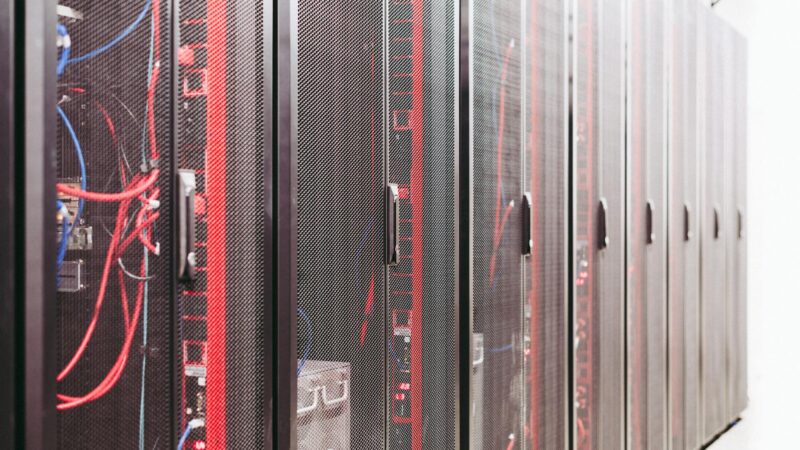
في الساعات الأولى من عملية “الغضب الملحمي” الأمريكية-الإسرائيلية ضد إيران، أطلقت طهران موجات من الطائرات المسيّرة والصواريخ الباليستية باتجاه أهداف متعددة في الخليج العربي. من بين الأهداف التي أُصيبت: ثلاثة مراكز بيانات تابعة لشركة أمازون ويب سيرفيسز (AWS) في الإمارات، ومركز رابع في البحرين.
أسفرت الضربات عن حرائق وانقطاعات واسعة في الخدمات السحابية، في سابقة تاريخية هي الأولى من نوعها: تعطّل بنية تحتية رقمية تابعة لشركة تقنية أمريكية كبرى بفعل عمل عسكري مباشر.
السياق: رهان الخليج بتريليوني دولار
خلال السنوات الثلاث الأخيرة، ضخّت دول الخليج استثمارات ضخمة في قطاع التقنية والذكاء الاصطناعي ضمن استراتيجيات التنويع الاقتصادي. أبرز هذه الالتزامات:

- استثمار مايكروسوفت بقيمة 15 مليار دولار في البنية التحتية السحابية بالإمارات.
- مشروع “ستارغيت” الذي يربط OpenAI بصناديق سيادية خليجية.
- توسعات أمازون وغوغل في مراكز البيانات عبر السعودية والإمارات وقطر.
- رؤية 2030 السعودية التي تضع الذكاء الاصطناعي ركيزة اقتصادية أساسية.
المعادلة كانت واضحة: تقدم دول الخليج أراضيها وطاقتها الرخيصة وتمويلها السيادي مقابل تقنية أمريكية متقدمة، مع فرضية ضمنية بأن الأمن الأمريكي سيحمي هذه الأصول.
ضربات إيران كسرت هذه الفرضية في ساعات.
التحليل: لماذا يختلف هذا عن أي أزمة سابقة
الحوسبة أصبحت “النفط الجديد” — لكنها أكثر هشاشة
نشر مركز الدراسات الاستراتيجية والدولية (CSIS) تحليلاً بعنوان “إذا كانت الحوسبة هي النفط الجديد، فإن الحرب في الخليج ترفع الرهانات بشكل كبير.” الفكرة الجوهرية: النفط يمكن تخزينه واحتياطيه وتحويل مساراته عبر خطوط أنابيب بديلة. أما مراكز البيانات فلا بديل فوري لها عند تعطلها.
عندما يتوقف خادم سحابي، تتوقف معه خدمات مالية وتطبيقات ذكاء اصطناعي وعمليات تجارة إلكترونية ومنصات حكومية رقمية — كلها في لحظة واحدة.
مخاطر متراكمة: الكابلات البحرية أيضاً
لا تقتصر الثغرة على مراكز البيانات نفسها. في عام 2024، قُطعت أربعة كابلات بحرية في البحر الأحمر. وتمر نسبة كبيرة من حركة البيانات الدولية عبر كابلات تحت مضيق هرمز وباب المندب — وهي ممرات أصبحت مناطق صراع نشطة.
بمعنى آخر: حتى لو نجت مراكز البيانات من الضربات المباشرة، فإن الاتصال بها قد يُقطع من تحت الماء.
إعادة تسعير المخاطر
تشير تقديرات أولية إلى أن شركات التأمين ستعيد تقييم أقساط البنية التحتية التقنية في المنطقة بالكامل. كما أن صناديق الاستثمار العالمية التي ضخت مليارات في مشاريع مراكز بيانات خليجية ستواجه ضغوطاً من مستثمريها لإعادة تقييم المخاطر الجيوسياسية.
سهم أمازون تراجع بنسبة ملحوظة بعد الضربات، فيما أثار المحللون تساؤلات حول التزام مايكروسوفت البالغ 15 مليار دولار في الإمارات.
التأثير الإقليمي
الإمارات: الأكثر تعرضاً
بنت الإمارات هويتها الاقتصادية الجديدة حول كونها مركزاً تقنياً عالمياً. ضرب مراكز البيانات على أراضيها يقوّض هذه الرواية مباشرة ويطرح سؤالاً حاداً: هل يمكن أن تكون مركزاً تقنياً عالمياً في منطقة جغرافية قابلة للاستهداف العسكري؟
السعودية: فرصة أم تهديد؟
مشاريع نيوم والذكاء الاصطناعي السعودي قد تستفيد على المدى القصير إذا قررت الشركات الأمريكية تنويع مواقع بنيتها التحتية. لكن الرسالة الأعمق مقلقة: المنطقة بأكملها — وليس الإمارات فقط — في دائرة الخطر.
قطر والبحرين والكويت
تضرر مركز بيانات أمازون في البحرين أثبت أن أي دولة خليجية صغيرة ليست بمنأى عن الاستهداف. أما قطر، التي استثمرت بكثافة في مشاريع سحابية مع مايكروسوفت وغوغل، فتواجه نفس المعادلة.
ماذا بعد: السيناريوهات المحتملة
السيناريو الأول: تسريع بناء مراكز بيانات “محصّنة عسكرياً” — وهو ما سيرفع التكاليف بشكل كبير ويقلص الجدوى الاقتصادية.
السيناريو الثاني: نقل جزء من البنية التحتية إلى مواقع بعيدة عن مناطق الصراع (مصر، الأردن، أو حتى شمال أفريقيا)، مع الاحتفاظ بمراكز معالجة محلية صغيرة.
السيناريو الثالث: إعادة هيكلة عقود الاستثمار التقني لتشمل بنود حماية عسكرية صريحة — وهو ما سيعيد تشكيل العلاقة بين شركات التقنية الأمريكية وحكومات الخليج.
في جميع السيناريوهات، فإن الكلفة ستكون أعلى، والعوائد أقل يقيناً، والمسار نحو اقتصاد المعرفة أطول مما كان مخططاً.
الخلاصة
كشفت ضربات إيران عن حقيقة كان كثيرون يتجاهلونها: البنية التحتية الرقمية ليست محصّنة من الجغرافيا السياسية. رهان الخليج على أن الحوسبة ستحل محل النفط كمحرك اقتصادي يواجه الآن سؤالاً وجودياً — ليس حول الطلب على التقنية، بل حول أمن العرض في منطقة تبقى عرضة للصراعات المسلحة.