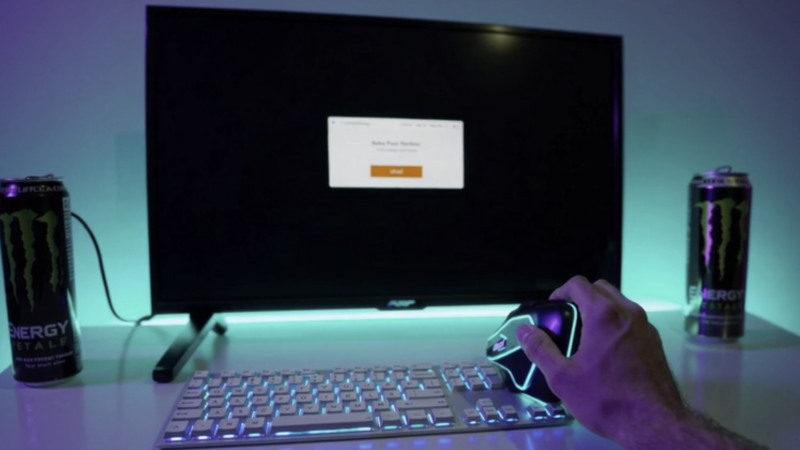
تشهد منطقة الخليج العربي تحولاً استراتيجياً غير مسبوق في قطاع الألعاب الإلكترونية والرياضات الرقمية، حيث تتضافر الاستثمارات الحكومية الضخمة مع التركيبة السكانية الشابة والبنية التحتية الرقمية المتطورة لتحويل المنطقة إلى مركز عالمي للألعاب الإلكترونية. من خلال استراتيجية مجموعة سافي للألعاب البالغة 38 مليار دولار، واستثمارات صندوق الاستثمارات العامة في كبرى شركات الألعاب العالمية، وإطلاق بطولات بارزة مثل Gamers8، ترسم التكنولوجيا والأعمال في الخليج ملامح مستقبل صناعة الألعاب على المستوى الدولي.
الرؤية الاستراتيجية: لماذا تراهن دول الخليج على صناعة الألعاب الإلكترونية؟
لم يعد قطاع الألعاب الإلكترونية مجرد ترفيه هامشي، بل أصبح صناعة عالمية تتجاوز قيمتها 200 مليار دولار سنوياً وفقاً لتقارير Newzoo للأبحاث المتخصصة في أسواق الألعاب. وتدرك دول الخليج، وعلى رأسها المملكة العربية السعودية والإمارات العربية المتحدة، أن هذا القطاع يمثل ركيزة أساسية في استراتيجيات التنويع الاقتصادي بعيداً عن النفط.
تتقاطع عدة عوامل تجعل من المنطقة بيئة مثالية لنمو هذا القطاع. فالتركيبة السكانية تُعدّ من الأكثر ملاءمة عالمياً، إذ يشكل الشباب دون سن 35 عاماً نحو 70% من إجمالي السكان، وهم الفئة الأكثر استهلاكاً للمحتوى الرقمي والألعاب الإلكترونية. كما أن معدلات انتشار الإنترنت تتجاوز 98% في دول مثل الإمارات وقطر، مع بنية تحتية للاتصالات من الجيل الخامس تُعدّ من بين الأفضل عالمياً.

ووفقاً لتقارير Bloomberg، فإن سوق الألعاب في منطقة الشرق الأوسط وشمال أفريقيا تجاوز حاجز 6 مليارات دولار، مع توقعات بمعدلات نمو سنوية مركبة تتراوح بين 12% و15% خلال السنوات المقبلة، وهي نسب تفوق المتوسط العالمي بكثير. وتشير تحليلات Niko Partners المتخصصة في أسواق الألعاب الآسيوية والناشئة إلى أن الألعاب المحمولة تهيمن على السوق الخليجي بنسبة تتجاوز 60% من إجمالي الإيرادات.
مجموعة سافي للألعاب: استراتيجية بـ 38 مليار دولار لإعادة تشكيل الصناعة
تقف مجموعة سافي للألعاب (Savvy Games Group) في صدارة الطموح السعودي لتحويل المملكة إلى قوة عالمية في صناعة الألعاب. تأسست المجموعة كذراع استثماري تابع لـصندوق الاستثمارات العامة، وأعلنت عن استراتيجية شاملة بقيمة 38 مليار دولار تهدف إلى الاستثمار في جميع حلقات سلسلة القيمة في صناعة الألعاب، من التطوير والنشر إلى البطولات والرياضات الإلكترونية.
وتتمحور استراتيجية سافي حول ثلاثة محاور رئيسية:
- الاستثمار في شركات الألعاب العالمية: نفذت المجموعة استثمارات استراتيجية في عدد من أكبر شركات الألعاب، بما في ذلك الاستحواذ على حصص في شركات رائدة مثل ESL Gaming ومنصة FACEIT للرياضات الإلكترونية، إضافة إلى الاستحواذ على شركة Scopely المتخصصة في ألعاب الهاتف المحمول في صفقة بلغت قيمتها 4.9 مليار دولار.
- بناء منظومة تطوير محلية: تعمل سافي على جذب استوديوهات التطوير العالمية لفتح مكاتب في الرياض، مع دعم نشوء استوديوهات سعودية مستقلة قادرة على تطوير محتوى يعكس الثقافة والهوية المحلية.
- استضافة بطولات ورياضات إلكترونية عالمية: من خلال الشراكة مع أكبر منظمي البطولات حول العالم لاستضافة فعاليات تنافسية تضع السعودية على خارطة الرياضات الإلكترونية الدولية.
وقد أشارت تقارير Reuters إلى أن هذه الاستثمارات ليست مجرد مضاربات مالية، بل تأتي ضمن رؤية متكاملة تهدف إلى خلق أكثر من 39,000 فرصة عمل في قطاع الألعاب بحلول عام 2030، مما يجعل هذا القطاع أحد أعمدة صناعة الترفيه السعودية سريعة النمو.
صندوق الاستثمارات العامة: محفظة ألعاب بمليارات الدولارات
يمتلك صندوق الاستثمارات العامة السعودي (PIF) واحدة من أكبر المحافظ الاستثمارية في قطاع الألعاب على مستوى صناديق الثروة السيادية عالمياً. وتشمل استثمارات الصندوق حصصاً في شركات عملاقة مثل Nintendo وCapcom وNexon وEmbracer Group، بالإضافة إلى استثمارات مباشرة عبر ذراعه سافي.
ويُعدّ استحواذ سافي على مجموعة ESL Gaming وFACEIT في صفقة موحدة واحداً من أكبر الصفقات في تاريخ الرياضات الإلكترونية، حيث جمعت بين أكبر منظم بطولات في العالم وأبرز منصة تنافسية، مما منح السعودية تأثيراً مباشراً على مستقبل المنافسات الإلكترونية الاحترافية في ألعاب مثل Counter-Strike وDota 2.
كما استثمر الصندوق في Epic Games المطورة لمحرك Unreal Engine ولعبة Fortnite، وTencent العملاقة الصينية التي تُعدّ أكبر شركة ألعاب في العالم من حيث الإيرادات. هذا التنويع الاستراتيجي يمنح السعودية نفوذاً واسعاً عبر مختلف قطاعات الصناعة، من المحركات التقنية إلى النشر والتوزيع. وهذا النهج الاستثماري يتماشى مع طموحات الخليج في قطاع الذكاء الاصطناعي الذي يتقاطع بشكل متزايد مع صناعة الألعاب.
“نحن لا نستثمر في الألعاب كقطاع ترفيهي فحسب، بل كمنظومة اقتصادية متكاملة تشمل التكنولوجيا والإبداع والرياضة والتعليم. هدفنا أن تكون السعودية مركزاً عالمياً لهذه الصناعة بحلول 2030.”
— الأمير فيصل بن بندر، رئيس الاتحاد السعودي للرياضات الإلكترونية
بطولة Gamers8 ومشروع القدية: وجه الخليج الجديد في الرياضات الإلكترونية
أصبحت بطولة Gamers8 واحدة من أكبر فعاليات الألعاب والرياضات الإلكترونية في العالم، حيث تُقام سنوياً في الرياض بجوائز مالية تتجاوز 45 مليون دولار، مما يجعلها من البطولات الأغنى عالمياً. وتستقطب البطولة فرقاً احترافية من جميع أنحاء العالم للتنافس في ألعاب متنوعة تشمل Fortnite وRocket League وDota 2 وStreet Fighter.
وتتجاوز Gamers8 مفهوم البطولة التقليدية لتشمل مهرجاناً ثقافياً وترفيهياً متكاملاً يضم حفلات موسيقية وعروضاً تقنية ومنطقة مخصصة للمطورين المستقلين، مما يعكس الرؤية السعودية لتحويل الألعاب إلى تجربة ثقافية شاملة. وقد نثبتت البطولة قدرة المملكة على استضافة فعاليات عالمية المستوى في هذا القطاع، وهو ما يتوافق مع مسار تحول الرياضة السعودية إلى صناعة بعشرين مليار دولار.
أما مشروع القدية (Qiddiya)، فيُعدّ المشروع الأكثر طموحاً في مجال البنية التحتية الترفيهية في المنطقة. يقع على مساحة 334 كيلومتراً مربعاً جنوب غرب الرياض، ويتضمن منطقة مخصصة بالكامل لـالألعاب الإلكترونية والرياضات الرقمية، تشمل ساحات بطولات مصممة وفق أحدث المعايير العالمية، ومراكز تدريب للاعبين المحترفين، واستوديوهات بث مباشر، ومساحات لتطوير الألعاب.
تستهدف القدية استقطاب أكثر من 17 مليون زائر سنوياً بحلول عام 2030، لتصبح أكبر وجهة ترفيهية متكاملة في الشرق الأوسط وواحدة من الأكبر عالمياً.
منظومة تطوير الألعاب المحلية: من الاستهلاك إلى الإنتاج
لا تكتفي دول الخليج بالاستثمار في الشركات العالمية، بل تسعى بجدية إلى بناء صناعة تطوير ألعاب محلية قادرة على المنافسة دولياً. وقد شهدت الرياض خلال العامين الماضيين افتتاح عدد من استوديوهات تطوير الألعاب، سواء من شركات عالمية أسست فروعاً لها في المملكة أو من مطورين سعوديين مستقلين تلقوا دعماً من برامج حكومية متخصصة.
وتشمل المبادرات الداعمة لهذا التحول:
- الاتحاد السعودي للرياضات الإلكترونية: يعمل على تنظيم القطاع وتأهيل اللاعبين المحترفين ودعم البطولات المحلية التي تُعدّ بوابة للمواهب السعودية نحو الاحتراف الدولي.
- برامج التدريب والتأهيل: أُطلقت عدة برامج بالشراكة مع شركات عالمية مثل Riot Games لتدريب المطورين السعوديين على تصميم الألعاب وبرمجتها، مع التركيز على المحتوى الذي يعكس الثقافة العربية والإسلامية.
- حاضنات ومسرّعات أعمال: توفر بيئة داعمة للشركات الناشئة في مجال الألعاب، مع تمويل أولي وإرشاد متخصص من خبراء الصناعة.
- البنية التحتية السحابية: استثمارات ضخمة في مراكز البيانات وخدمات الحوسبة السحابية التي تُعدّ ضرورية لتطوير الألعاب الحديثة وتشغيل خوادمها.
- المنح والحوافز الحكومية: تقدم الحكومة السعودية حوافز مالية وتنظيمية للشركات التي تؤسس عمليات تطوير في المملكة، بما في ذلك إعفاءات ضريبية وتسهيلات في التأشيرات للكفاءات الأجنبية.
ويُمثّل هذا التوجه نحو تطوير المحتوى المحلي فرصة استثنائية لـريادة الأعمال الشبابية في الخليج، حيث يجمع بين الشغف بالألعاب والفرص الاقتصادية الحقيقية في قطاع ينمو بوتيرة متسارعة.
الألعاب المحمولة والسوق الخليجي: هيمنة الهاتف الذكي
تتميز سوق الألعاب الخليجية بـهيمنة واضحة للألعاب المحمولة، وهو اتجاه يعكس الانتشار الواسع للهواتف الذكية في المنطقة. وتشير بيانات IGEA وتقارير القطاع إلى أن أكثر من 85% من اللاعبين في دول الخليج يمارسون الألعاب على هواتفهم الذكية، مع إنفاق متوسط يفوق نظيره في الأسواق الغربية بنسبة كبيرة.
وتُعدّ دول الخليج من بين الأسواق الأعلى عالمياً في متوسط الإنفاق الفردي على الألعاب المحمولة، مدفوعة بارتفاع الدخل الفردي وسهولة الوصول إلى وسائل الدفع الرقمية. وقد أدى ذلك إلى جذب اهتمام كبرى شركات الألعاب المحمولة، مع تزايد الاستثمارات في توطين المحتوى وتكييفه ثقافياً للجمهور العربي.
كما برزت ظاهرة البث المباشر للألعاب كقوة اقتصادية وثقافية في المنطقة، حيث يجذب صانعو محتوى الألعاب السعوديون والإماراتيون ملايين المتابعين على منصات مثل YouTube وTwitch، مما يُولّد اقتصاداً رقمياً موازياً في مجال التسويق والإعلان. وأفادت تقارير TechCrunch بأن عائدات صناع المحتوى العرب في قطاع الألعاب تضاعفت ثلاث مرات خلال السنوات الثلاث الماضية.
التحديات والمخاطر: عقبات على طريق القمة
رغم الزخم الكبير، تواجه طموحات الخليج في قطاع الألعاب تحديات حقيقية لا يمكن تجاهلها. فبناء صناعة تطوير ألعاب محلية ناضجة يتطلب سنوات من تراكم الخبرات وتكوين الكفاءات، وهو ما لا يمكن تحقيقه بالمال وحده.
كما أن المنافسة على استقطاب المواهب العالمية في مجال تطوير الألعاب محتدمة للغاية، حيث تتنافس المنطقة مع مراكز راسخة مثل لوس أنجلوس وطوكيو وسيول ومونتريال. وتبقى مسائل تنظيم المحتوى والتصنيف العمري تحدياً يتطلب موازنة دقيقة بين الانفتاح التجاري والحساسيات الثقافية المحلية.
وقد أشارت تقارير Wired إلى أن نجاح هذه الاستراتيجية يعتمد على قدرة دول الخليج على الانتقال من دور “المستثمر المالي” إلى دور “المبتكر والمنتج”، وهو تحوّل يتطلب بناء ثقافة إبداعية محلية تتجاوز مجرد ضخ الأموال في شركات أجنبية.
المستقبل: خارطة طريق الخليج نحو القمة العالمية
تؤكد جميع المؤشرات أن منطقة الخليج تسير بخطوات ثابتة نحو تحقيق مكانة بارزة في صناعة الألعاب والرياضات الإلكترونية العالمية. فالاستثمارات الضخمة، والدعم الحكومي المباشر، والتركيبة السكانية المواتية، والبنية التحتية المتطورة، كلها عوامل تصب في صالح هذا التحول.
ومن المتوقع أن تشهد السنوات المقبلة تطورات نوعية تشمل:
- إطلاق ألعاب AAA محلية: مع نضوج استوديوهات التطوير المحلية وتراكم الخبرات، يُتوقع ظهور ألعاب سعودية وإماراتية ضخمة قادرة على المنافسة في الأسواق العالمية.
- توسع الرياضات الإلكترونية الاحترافية: دوريات محلية احترافية على غرار نماذج كوريا الجنوبية والصين، مع منتخبات وطنية تشارك في البطولات الدولية.
- دمج تقنيات الذكاء الاصطناعي والواقع الافتراضي: استثمارات في تقنيات الجيل القادم التي ستُحدث ثورة في تجربة اللعب، بما في ذلك الميتافيرس والواقع المعزز.
- تحول القدية إلى عاصمة عالمية للألعاب: مع اكتمال مراحل البناء، ستصبح القدية وجهة سياحية عالمية مخصصة للألعاب والترفيه الرقمي.
إن ما تقوم به دول الخليج اليوم في قطاع الألعاب الإلكترونية والرياضات الرقمية لا يقل أهمية عن استثماراتها في القطاعات التقليدية. فهذا القطاع لا يُمثّل مجرد صناعة ترفيهية، بل هو بوابة نحو اقتصاد المعرفة والإبداع الرقمي الذي سيشكل ملامح العقود القادمة. ومع استمرار الزخم الاستثماري والتنظيمي الحالي، فإن السؤال لم يعد “هل” ستصبح منطقة الخليج مركزاً عالمياً للألعاب، بل “متى” ستتربع على قمة هذه الصناعة.
هذا المقال لأغراض تعليمية فقط ولا يُعتبر نصيحة مالية. استشر مستشاراً مالياً مرخصاً قبل اتخاذ أي قرار استثماري.