The Middle East and North Africa (MENA) region is undergoing an unprecedented transformation in the clean energy sector, as countries across the region race to adopt solar power, wind energy, and nuclear power with ambitions that exceed global expectations. From the Barakah Nuclear Power Plant in the UAE to the world’s largest single-site Al Dhafra Solar Project, from ACWA Power’s mega-projects in Saudi Arabia to Morocco’s pioneering Noor Ouarzazate complex — the region is redrawing the map of the global energy mix with record-low solar tariffs reaching $0.01 per kWh. This transformation extends beyond electricity generation to encompass green hydrogen production, grid modernization, and advanced energy storage systems.
Solar Energy in the Middle East: Record-Breaking Numbers and Unprecedented Tariffs
The MENA region enjoys the highest levels of solar irradiance in the world, making it the ideal location for photovoltaic (PV) and concentrated solar power (CSP) projects. According to reports from the International Renewable Energy Agency (IRENA), the region possesses technical solar potential exceeding 5,000 terawatt-hours annually — surpassing the entire electricity consumption of the European continent.
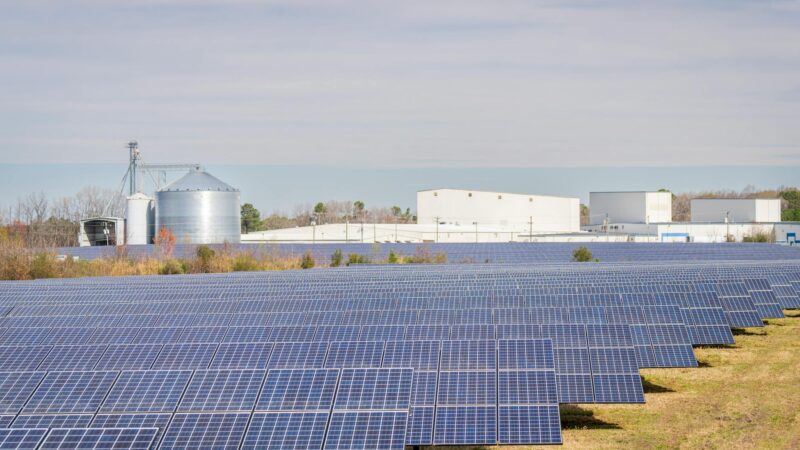
The Al Dhafra Solar Project in Abu Dhabi stands as the world’s largest single-site solar power plant, with a generation capacity of 2 gigawatts (GW). Developed by Masdar Clean Energy in partnership with Abu Dhabi National Energy Company (TAQA) and an international consortium including EDF Renewables and JinkoPower, the project achieved a world-record tariff of 1.35 US cents per kWh, making solar energy cheaper than all conventional fossil fuel sources.

In Saudi Arabia, ACWA Power is leading massive solar projects under the National Renewable Energy Program (NREP). The company recorded a benchmark tariff of 1.04 US cents per kWh at the Sudair Solar PV Project with a capacity of 1.5 GW — one of the lowest solar energy prices ever recorded globally, according to Reuters Energy reports.
“The MENA region is no longer just an exporter of oil and gas — it has become a global hub for clean energy thanks to its exceptional solar resources and bold investments in renewable energy infrastructure.”
— International Energy Agency (IEA) Renewables Report
The Mohammed bin Rashid Al Maktoum Solar Park in Dubai is among the world’s largest integrated solar projects, with a planned capacity of 5 GW by 2030. The project combines photovoltaic and concentrated solar power technologies, featuring the world’s tallest solar tower at 260 meters.
Egypt’s Benban Solar Park: A Leading African Model in Solar Energy
The Benban Solar Park in Upper Egypt ranks as one of the largest solar energy projects in Africa and the world. Located near Aswan, the complex spans over 37 square kilometers, with a total generation capacity of 1.65 GW. The project was partially financed by the World Bank, the European Bank for Reconstruction and Development (EBRD), and the International Finance Corporation (IFC), with total investments exceeding $4 billion.
The Benban complex comprises over 40 sub-solar plants developed by companies from more than 12 countries, making it a unique model of international cooperation in renewable energy. According to BloombergNEF reports, the complex has helped avoid the emission of over 2 million tons of carbon dioxide annually — equivalent to removing 400,000 cars from the road.
Egypt targets increasing the renewable energy share in its electricity mix to 42% by 2035, with expansion in wind energy projects along the Gulf of Suez and new solar projects in the Western Desert.
Saudi Arabia’s 50% Renewable Target: An Ambition Redefining the Energy Market
Saudi Arabia has announced an ambitious target to generate 50% of its electricity from renewable energy sources by 2030, with natural gas covering the remaining half and a gradual phase-out of crude oil burning for electricity generation. This target represents a massive strategic shift for the world’s largest oil exporter.
To achieve this goal, the Kingdom needs to build renewable generation capacity exceeding 130 GW, including:
- 58.7 GW of solar photovoltaics: Through dozens of major projects led by ACWA Power, the Public Investment Fund (PIF), and international investors.
- 16 GW of wind energy: Including mega-projects in Dumat Al Jandal, Yanbu, and the northwestern region.
- 2.7 GW of concentrated solar power (CSP): With thermal storage systems enabling round-the-clock electricity generation.
According to International Energy Agency (IEA) reports, if Saudi Arabia achieves this target, it would save approximately one million barrels of oil per day previously burned in power plants — translating to billions of dollars in additional oil export revenues. The savings are estimated to contribute to reducing carbon emissions by over 250 million tons annually.
ACWA Power’s operations extend well beyond Saudi borders. The company has expanded to become one of the world’s largest developers of renewable energy and water desalination projects, with operations in over 13 countries and a total capacity exceeding 53 GW. Its international portfolio spans markets in South Africa, Uzbekistan, Indonesia, and Egypt.
UAE’s Barakah Nuclear Power Plant: A Historic Clean Energy Achievement
The Barakah Nuclear Power Plant in Abu Dhabi represents a historic achievement that made the United Arab Emirates the first Arab nation to operate a commercial nuclear power plant for electricity generation. The plant houses four nuclear reactors of the South Korean APR-1400 design, with a total capacity of 5.6 GW, supplying approximately 25% of the country’s electricity needs.
Key achievements of the Barakah plant:
- Full Commercial Operation: All four units have entered full commercial service, making it the largest single source of carbon-free electricity in the Arab world.
- Emissions Reduction: The plant helps avoid the emission of over 22 million tons of carbon dioxide annually — equivalent to removing 4.8 million cars from the road.
- Operational Excellence: The plant has achieved performance rates exceeding international benchmarks since its commissioning, with strict adherence to nuclear safety standards set by the International Atomic Energy Agency (IAEA).
- Workforce Nationalization: The percentage of Emirati nationals working at the plant has risen to over 60%, reflecting the success of national talent development programs in the nuclear sector.
Reuters reports indicate that Barakah’s success has positioned the UAE as a role model for the Arab and developing world in adopting peaceful nuclear energy as a cornerstone of the clean energy mix. The UAE has also announced studies for potential expansion of nuclear capacity to support growing demand for clean electricity.
Wind Energy, Morocco, and Jordan: Diversifying Renewable Energy Sources
The clean energy revolution in the region extends beyond solar and nuclear to include ambitious wind energy projects, particularly in Morocco, Jordan, Egypt, and Saudi Arabia.
Morocco stands out as a regional renewable energy leader thanks to the Noor Ouarzazate Solar Complex, the world’s largest concentrated solar power complex with a capacity of 580 megawatts (MW). The complex uses parabolic trough and solar tower technologies with molten salt thermal storage systems that enable electricity generation for up to 7 hours after sunset. Morocco targets reaching 52% renewable energy in its electricity mix by 2030 under its national energy strategy.
Jordan’s wind energy projects benefit from strategically located sites with high wind speeds. Jordan hosts several major wind farms, including the Al Rajef, Al Fujeij, and Ma’an projects, with combined capacities exceeding 500 MW. According to IRENA reports, the renewable energy share in Jordan’s electricity mix has risen from less than 1% in 2014 to over 29% currently — one of the fastest growth rates in the region.
In Saudi Arabia, the Dumat Al Jandal Wind Farm is the Kingdom’s first utility-scale wind project, with a capacity of 400 MW sufficient to power 70,000 homes. Developed by EDF Renewables and Masdar, it achieved a record-setting tariff of 2.13 US cents per kWh.
Egypt is also experiencing significant expansion in wind energy, particularly in the Gulf of Suez and Gabal El-Zayt regions, where installed capacity exceeds 1.7 GW, with plans to add an additional 10 GW by 2030, according to data from SolarPower Europe and the Egyptian Wind Energy Association.
Green Hydrogen: The Fuel of the Future from the Middle Eastern Desert
Green hydrogen represents the next frontier of the clean energy revolution in the region. MENA countries are racing to become global hubs for the production and export of green hydrogen and green ammonia, leveraging abundant and cheap solar energy and vast available land.
Major green hydrogen projects in the region include:
- NEOM Green Hydrogen Project (Saudi Arabia): Developed by ACWA Power in partnership with Air Products and NEOM, at a cost of $8.4 billion. The project will produce 600 tons daily of green hydrogen using 4 GW of solar and wind energy, exported as green ammonia to global markets. It ranks among the world’s largest green hydrogen projects.
- Masdar Green Hydrogen (UAE): Masdar has announced ambitious plans to become one of the world’s largest green hydrogen producers with a capacity of one million tons annually by 2030, with projects across the UAE, Egypt, and Jordan.
- Egypt as a Regional Hub: Egypt aims to become a major hub for green hydrogen production and export to Europe, with projects in the Ain Sokhna area and the Suez Canal Economic Zone featuring electrolyzer capacities exceeding 15 GW.
- Oman: The Sultanate of Oman has announced plans to become one of the top ten global green hydrogen producers, targeting production capacity of one million tons annually by 2030 and 8.5 million tons by 2050.
BloombergNEF estimates that the cost of producing green hydrogen in the region could fall to $1.50 per kilogram by 2030 — among the lowest levels globally, thanks to rock-bottom solar energy costs. This means the region will be capable of exporting green hydrogen at competitive prices to Europe and East Asia.
Grid Modernization and Energy Storage: Infrastructure for a Clean Energy Future
The clean energy revolution cannot be complete without a comprehensive modernization of electricity transmission and distribution grids and the development of advanced energy storage systems. The region faces a unique challenge in integrating massive volumes of intermittent renewable energy into electrical grids originally designed for conventional fossil fuel power plants.
Countries across the region are investing billions of dollars across several pillars:
- Smart Grids: Saudi Arabia and the UAE are adopting smart grid systems powered by artificial intelligence and the Internet of Things (IoT) to manage variable renewable energy flows and improve grid efficiency. Grid modernization investments in Gulf states are estimated at over $15 billion by 2030.
- Battery Energy Storage Systems (BESS): The market is experiencing rapid growth in large-scale lithium-ion battery projects. Saudi Arabia has announced plans to deploy 20 gigawatt-hours (GWh) of battery storage capacity, while Masdar is investing in advanced storage technologies including solid-state batteries and compressed air energy storage.
- Regional Grid Interconnection: The GCC Interconnection Authority (GCCIA) is working to strengthen interconnection capacity among Gulf Cooperation Council member states, with studies underway for extending connections to Egypt, Jordan, and Iraq to create an integrated regional energy market.
- Thermal Storage: Concentrated solar power plants in Morocco and the UAE utilize molten salt storage systems that can store thermal energy for hours after sunset, providing clean electricity during evening peak demand hours.
According to a World Bank report on energy grid modernization in the Middle East, the region requires investments exceeding $50 billion in grid infrastructure over the coming decade to accommodate the rapid growth in renewable energy capacity.
Masdar and ACWA Power: Clean Energy Giants from the Middle East to the World
Two companies from the region have emerged as major global players in the clean energy sector: Masdar from the UAE and ACWA Power from Saudi Arabia. Both companies are rapidly expanding into global markets, bringing the region’s expertise in large-scale renewable energy projects worldwide.
Masdar — owned by Abu Dhabi National Energy Company (TAQA), ADNOC, and Mubadala — has a project portfolio exceeding 50 GW across more than 40 countries on six continents. Its projects include solar and wind installations in the United Kingdom, the United States, Australia, Azerbaijan, and Indonesia. The company targets reaching 100 GW of installed capacity by 2030.
ACWA Power has grown from a Saudi startup into one of the world’s largest developers of renewable energy and water desalination projects. The company holds a project portfolio valued at over $80 billion with a total generation capacity exceeding 53 GW, operating in 13 countries across three continents. The company has set successive records in solar energy pricing and reverse osmosis water desalination costs.
Reuters reports indicate that the global expansion of Masdar and ACWA Power represents a fundamental shift in global energy market dynamics — as Middle Eastern nations transition from being solely fossil fuel exporters to becoming major players in exporting clean energy technologies and expertise.
Challenges and Future Outlook for Clean Energy in the Region
Despite impressive achievements and massive investments, the clean energy sector in the MENA region faces several challenges that must be addressed to ensure sustainable growth:
- Water Scarcity: Some renewable energy technologies — particularly concentrated solar power and green hydrogen production — require significant water volumes, a scarce resource in the region. This necessitates increased reliance on renewable-powered water desalination.
- Dust and Climatic Conditions: Sandstorms and dust accumulation impact solar panel efficiency, requiring additional investments in automated cleaning systems and anti-dust coatings.
- Project Financing: Despite declining technology costs, some countries still face challenges in securing adequate financing for large-scale renewable energy projects, particularly in North Africa.
- Human Capital Development: The sector requires tens of thousands of specialized engineers and technicians, demanding intensive investments in education and vocational training.
- Climate Change: Climate change reports indicate that rising temperatures in the region may affect the efficiency of certain generation technologies and increase cooling demand.
Nevertheless, the outlook remains overwhelmingly positive. IRENA estimates that total installed renewable energy capacity in the MENA region will exceed 200 GW by 2030, up from approximately 40 GW currently — a fivefold increase in less than a decade.
BloombergNEF estimates further indicate that total clean energy investments in the region will surpass $500 billion by 2035, encompassing generation, storage, grid infrastructure, and green hydrogen projects. This transformation will not only change the region’s energy mix but will redefine its role in the global energy system — from a traditional oil and gas exporter to a clean and renewable energy superpower.
This article is for educational and analytical purposes only and does not constitute financial or investment advice. Consult a licensed financial advisor before making any investment decisions in the energy sector.