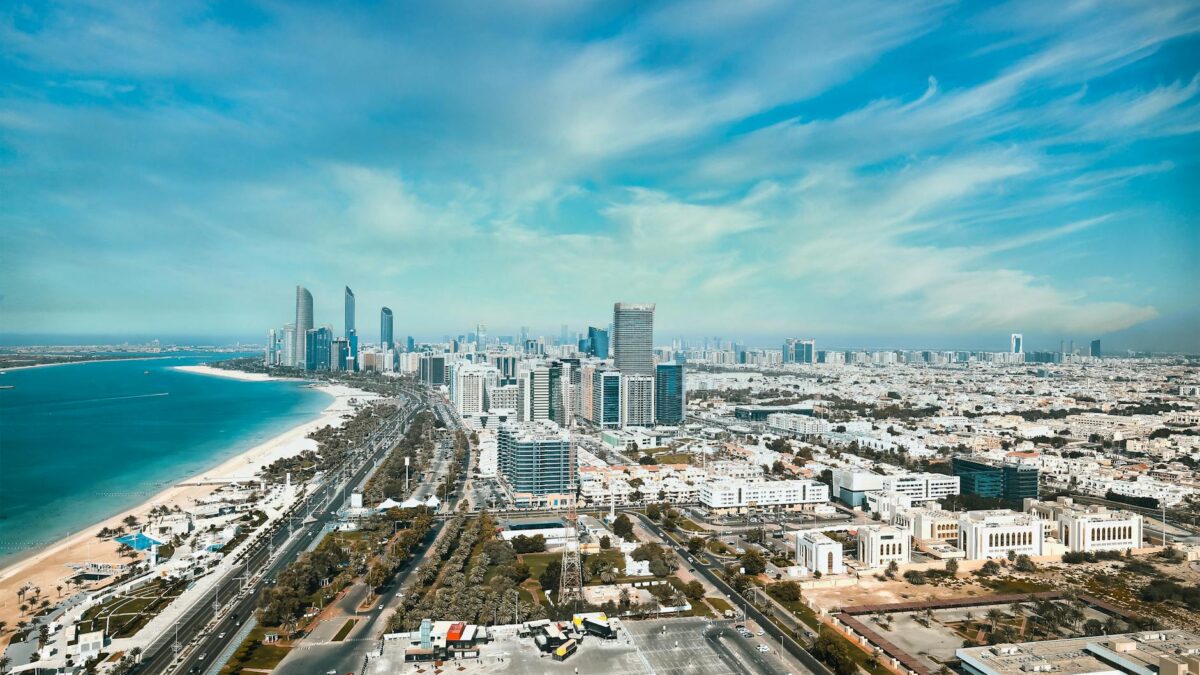
اعبر الجسر من دبي إلى أبوظبي ويحدث شيء فضولي لتسعير العقارات. المشتري الأجنبي نفسه الذي تراجع عن دفع 3,200 درهم للقدم المربّع لشقّة في خليج الأعمال يجد فجأة إطلالات وتشطيبات قابلة للمقارنة في جزيرة الريم بـ 1,500 درهم. المستثمر نفسه الذي طارد أسعار تذاكر نخلة جميرا إلى شريحة 3,800 درهم للقدم المربّع يمشي عبر مسكن شاطئي في جزيرة السعديّات مع إطلالة على متحف اللوفر أبوظبي بأسعار تقلّ عن النخلة بـ 25-30 بالمئة. هذه ليست غرابة سوق بطيء. هذا هيكلي — أبوظبي خلف دبي تقريباً بعقد على منحنى تحرير الملكية الأجنبية، وهذا التأخّر يظهر في كلّ خطّ سعر وكلّ حساب عائد وكلّ خطّ أنابيب تطوير عبر مناطق الاستثمار المحدّدة التسعة التي فتحتها عاصمة الإمارات للأجانب أوّلاً في 2019 ثمّ توسّعت تحت القانون رقم 13 لعام 2022.
للمستثمرين الأمريكيين والبريطانيين والهنود وجنوب شرق آسيا المُرهَقين من ضغط العائد في مرسى دبي وصدمة السعر على النخلة، أبوظبي هي اللعبة تحت الرادار. الحجّة ليست أنّ أبوظبي تحلّ محلّ دبي — دبي لا تزال سوق الكأس العالمية — لكنّ أبوظبي تُقَدِّم أسعار دخول أقلّ بـ 20 إلى 30 بالمئة ورسم نقل بنسبة 2 بالمئة مقابل 4 بالمئة في دبي وعوائد إيجار أعلى ذات معنى في نطاق 5.5 إلى 8 بالمئة وطلباً مدعوماً حكومياً مُثَبَّتاً من أدنوك وADQ ومبادلة وكامل مجمّع الثروة السيادية الذي يجعل الجاذبية الاقتصادية للإمارة مختلفة نوعياً. هذا الدليل يمشي الخريطة — كلّ منطقة ملكية أجنبية وكلّ نطاق سعر اعتباراً من أبريل 2026 وكلّ هيكل ملكية وكلّ مُطَوِّر وكلّ تجعّد تنظيمي — حتى يتمكّن مشتر يصل إلى مطار زايد الدولي بميزانية 2 إلى 15 مليون درهم من اتّخاذ قرار بوضوح بدلاً من الانجراف. تغطية رويترز للشرق الأوسط وبلومبرغ الشرق الأوسط وعقارات أربيان بزنس وثّقوا جميعاً التحرير ما بعد 2022 وموجة العرض بقيادة الدار؛ هذا المقال يجمع ذلك الإعلام مع تسعير أبريل 2026 على الأرض والآليات القانونية المحدّدة التي يحتاجها المشترون الأجانب قبل توقيع نموذج الحجز.
لماذا فتحت أبوظبي — وما الذي تغيّر فعلياً
إطار الملكية الأجنبية في أبوظبي فتح رسمياً في 2019 مع القانون رقم 13 المُحَدِّد للدفعة الأولى من مناطق الاستثمار حيث يُمكن لغير المواطنين من دول الخليج امتلاك حصص ملكية حرّة. قبل 2019، كان يُمكن للأجانب الشراء في أبوظبي فقط تحت هياكل الانتفاع أو المساطحة — ترتيبات إيجار طويل الأجل من 50 أو 99 سنة والتي، رغم معناها الاقتصادي، لم تمنح حقوق ملكية حقيقية. قانون 2019 وسّع خيارات الملكية في تسع مناطق. تعديل 2022 وسّع أكثر، مُحَوِّلاً عدّة تطويرات كانت سابقاً إيجاراً فقط إلى ملكية حرّة كاملة، ومُزامِناً بنية أبوظبي التسجيلية عبر نظام DARI تحت دائرة البلديات والنقل.

ما تغيّر فعلياً للمشترين الأجانب: ملكية كاملة لوحدات الشقق والفيلات والبيوت المُرَتَّبَة في المناطق المحدّدة؛ الحقّ في البيع والإيجار والرهن والتمرير بالوراثة دون ساعة 99 سنة تعمل؛ والقدرة على استخدام العقار كأصل مُؤَهِّل للتأشيرة الذهبية تحت العتبة الاتّحادية 2 مليون درهم. القانون لم يفتح الإمارة كاملة. أجزاء كبيرة من البرّ الرئيسي لأبوظبي — بما في ذلك معظم شريط الكورنيش المركزي ومدينة خليفة والأحياء التقليدية — تبقى مقيّدة للمواطنين الإماراتيين والخليجيين للملكية الحرّة، مع السماح للأجانب فقط تحت هياكل الإيجار التي تجري حتى 99 سنة. خريطة الملكية الأجنبية محدّدة، والتحديد هو ما يدور حوله هذا الدليل.
جزيرة السعديّات — الحيّ المتحفي
جزيرة السعديّات هي كأس الإمارة الثقافي. متحف اللوفر أبوظبي افتتح في 2017، ومتحف غوغنهايم أبوظبي قيد الإنشاء مع افتتاح مُخَطَّط له 2027، ومتحف زايد الوطني مُقَرَّر أن يتبع. حرم جامعة نيويورك أبوظبي يُثَبِّت المجتمع الأكاديمي. الشواطئ على ساحل السعديّات الشمالي الشرقي هي أفضل الشواطئ الحضرية في الإمارات — واسعة ورملها ناعم وأرضية تعشيش سلاحف منقار الصقر التي تفرض تطويراً بكثافة أقلّ من ساحل دبي. هذا المزيج — الجاذبية الثقافية والوصول الحقيقي للشاطئ العامّ والكثافة المنخفضة — هو ما يُبَرِّر التسعير.
تسعير أبريل 2026 على شقق السعديّات يجري 2,300 إلى 3,800 درهم للقدم المربّع حسب المنطقة الفرعية وجودة البرج. شقق غرفتي نوم بإطلالة شاطئ في مساكن شاطئ السعديّات وممشى السعديّات (تطويرات الدار وTDIC) تجلس في النهاية العليا من ذلك النطاق. شقق السعديّات الداخلية في مشاريع المرحلة الأولى للحيّ الثقافي تُسَعَّر في نطاق 2,300 إلى 2,800. الفيلات تجري 1,800 إلى 3,500 درهم للقدم المربّع عبر فيلات شاطئ السعديّات وبحيرات السعديّات وهضبة السعديّات — مع فيلات هضبة الشاطئ تأمر بأعلى أسعار للقدم، تقريباً 3,200 إلى 3,500 درهم. عوائد الإيجار تهبط عند 5.0 إلى 5.8 بالمئة على الشقق، أقلّ قليلاً على الفيلات نظراً لقاعدة السعر — محترمة لكن ليست عدوانية، مُعَكِّسَةً التموضع الفاخر وملمح طلب مالك-المسكن الثقيل.
المُطَوِّرُون الرئيسيون على السعديّات: عقارات الدار كمُطَوِّر رئيسي للشركة العامّة المُهَيْمِن، مع IMKAN (المتخصّص الأبوظبي المقرّ الذي كان يعمل سابقاً تحت هيكل مختلف) وTDIC (شركة التطوير والاستثمار السياحي) تحمل محفظة تراثية عميقة تستمرّ في التسليم. إطلاقات الدار الأخيرة تشمل Saadiyat Grove — تطوير سكني وتجاري مُخْتَلَط بيع منه المرحلة الأولى خلال أشهر من إطلاق 2025. مساكن اللوفر أبوظبي، أيضاً تحت الدار، موجّهة للمشترين ذوي الثروة العالية جدّاً مع نقاط سعر تتجاوز 5 ملايين درهم للمساكن ذات العلامة التجارية. للمشترين الذين يُقارنون السعديّات مقابل خريطة أسعار دبي للمنطقة الفرعية، الأقرب لدبي هو شريحة تسعير السواعد الداخلية لنخلة جميرا، لكن بوصول شاطئ أفضل بكثير ومراسي ثقافية أقوى ماديّاً.
جزيرة ياس — الترفيه والفورمولا 1 والقيمة
جزيرة ياس هي منطقة الوجهة الترفيهية. حلبة مرسى ياس تستضيف جائزة أبوظبي الكبرى كلّ نوفمبر أو ديسمبر، مُسْتَدِيمَةً تقويم رياضة السيّارات والحفلات التي تدفع السياحة. عالم فيراري وعالم وارنر براذرز وياس ووتروورلد وسي وورلد ياس آيلاند المفتوح حديثاً يُثَبِّتُون مجمّع المنتزهات الترفيهية. ياس مول وملعب غولف ياس لينكس يملأون بنية البيع بالتجزئة والترفيه. قصّة السكن على ياس أصغر من السعديّات — الدار أطلقت ياس إكرز في 2016 واستمرّت في التسليم المرحلي منذ ذلك الحين — لكنّ نسبة السعر إلى الخدمات، في رأيي، هي أكثر المقترحات إقناعاً منفردة للمستثمرين الأجانب في أبوظبي.
الشقق في جزيرة ياس تُسَعَّر 1,500 إلى 2,200 درهم للقدم المربّع في أبريل 2026، مع تطويرات مايان ولامار الأحدث في النهاية العليا وشقق ياس إكرز الأقدم في الأدنى. الفيلات والبيوت المُرَتَّبَة تجري 1,200 إلى 1,900 درهم للقدم المربّع — أرقام جذّابة حقّاً لمنتج واجهة الشاطئ وواجهة الغولف. عوائد الإيجار 5.5 إلى 6.5 بالمئة، أقوى من السعديّات بسبب مجمع المستأجرين الأسمك المسحوب من مرسى ياس والمنتزهات الترفيهية وخطّ أنابيب سكن طاقم الاتّحاد للطيران والقوى العاملة الأوسع لصناعة الترفيه. بيت ثلاث غرف نوم مُرَتَّب في ياس إكرز تداول في الربع الأوّل 2026 بـ 3.6 مليون درهم بإيجار يُشِير إلى 215,000 درهم سنوياً — عائد إجمالي ستّة بالمئة يُقارن بشكل مُفَضَّل تقريباً كلّ منتج قابل للمقارنة في مرسى دبي أو JVC.
الدار تبقى المُطَوِّر الرئيسي الأساسي، تعمل بجانب ميرال (المُشَغِّل الوجهي المرتبط بحكومة أبوظبي خلف المنتزهات الترفيهية) ومُطَوِّرِين متخصّصين أصغر على مشاريع مستوى القطعة الفردية. قصّة عرض جزيرة ياس حافظت على تسارع ذي معنى خلال 2024-2025، مع مايان ولامار ونويا لوما تُضيف تقريباً 3,000 وحدة إلى المخزون القابل للوصول. للمستثمرين الذين يُقارنون ياس مقابل عوائد الإيجار في دبي حسب المنطقة، ياس تُقارن أفضل مقابل مرسى دبي على الخدمات وأسلوب الحياة، لكن بتكلفة دخول أقلّ تقريباً 30 بالمئة وعوائد مماثلة أو أفضل. هذا مزيج غير اعتيادي في سوق العقارات العالمي.
جزيرة الريم — المركز التجاري الجديد
جزيرة الريم هي حيث تتشكّل المنطقة التجارية المركزية الناشئة لأبوظبي. تجلس فقط قبالة الكورنيش الشرقي مع وصول جسر قصير إلى وسط مدينة أبوظبي وجزيرة المارية، الريم تطوّرت من قصّة تطوير مضاربية لأواخر 2000s إلى مركز سكني ومُخْتَلَط الاستخدامات حقيقي مُثَبَّت بجامعة السوربون أبوظبي وعيادة كليفلاند (تقنياً على المارية المجاورة) ومجمع شركات الخدمات المالية المتوسّع خارج سوق أبوظبي العالمي. الريم منطقة ناطحات السحاب — برج سكاي وبرج صن وبرج ريناد وذا غيت ومجمع C1-C5 — بنوع الكثافة التي السعديّات وياس تتجنّبانه عمداً.
تسعير أبريل 2026 على الريم يجري 1,200 إلى 1,800 درهم للقدم المربّع للشقق، مع مخطّطات مدينة الأضواء وتلال الريم في النهاية العليا وتطويرات شمس القديمة في الأدنى. عوائد الإيجار هي الأعلى بين المناطق الرئيسية: 6.0 إلى 7.0 بالمئة على الشقق، مدفوعة بمجمع المستأجرين المجاور للمنطقة التجارية المركزية والعرض المقيّد لمنتج غرفة نوم واحدة وغرفتين عالي الجودة. 90 متراً مربّعاً من غرفتي نوم في برج صن تداولت بـ 1.55 مليون درهم في أوائل 2026 تُؤَجَّر بتقريباً 105,000 درهم سنوياً — عائد إجمالي 6.8 بالمئة يضعه قرب قمّة ألعاب التدفّق النقدي الإماراتية في نقطة السعر هذه. المشاريع الرئيسية بتسليم 2026-2027 تشمل تلال الريم (تطوير Q القابضة ومجتمع مُخَطَّط مع فيلات وبيوت مُرَتَّبَة ومباني شقق) ومساكن برج ريناد المرحلة 2 ومجمع المارية فيستا على محور الريم-المارية.
صورة العرض الأمامي على الريم تُهِمّ لاستدامة العائد. تقريباً 15,000 وحدة سكنية مُقَرَّر تسليمها عبر 2026 و2027، والتي هي شريحة مادّية من العرض الأمامي للإمارة. منتج جيّد الموقع في الأبراج المجاورة للمنطقة التجارية يجب أن يمتصّ دون ضغط إيجار ذي معنى؛ مخزون البرج الثانوي في المواقع الأقلّ تميّزاً قد يواجه ليونة إيجار قصيرة الأجل بينما يهضم العرض. للمشترين، هذه حجّة لاختيار خاصّ بالموقع بدلاً من قلق واسع السوق.
جزيرة المارية — المنطقة المالية
جزيرة المارية هي وول ستريت أبوظبي. سوق أبوظبي العالمي — مركز الإمارة المالي الدولي، الحاكم تحت القانون العامّ الإنجليزي — يحتلّ الجزء الجنوبي من الجزيرة، مع سوق أبوظبي للأوراق المالية وعيادة كليفلاند أبوظبي وفندق روزوود أبوظبي وفور سيزونز وغاليريا مول تملأ البصمة المُخْتَلَطَة الاستخدامات. المخزون السكني على المارية أضيق من الريم أو ياس أو السعديّات — هذه جزيرة منطقة مالية بالتصميم — لكن ما هناك يأمر بتسعير فاخر نظراً لنظام سوق أبوظبي العالمي والطلب المجاور للعيادة من السياحة الطبية وإيجارات المحترف الزائر.
التسعير على المارية يجلس عند 1,800 إلى 2,800 درهم للقدم المربّع للشقق، مع التطويرات الأعلى المدعومة من مبادلة ومخزون المسكن ذي العلامة التجارية (مساكن روزوود ووحدات فور سيزونز ذات العلامة التجارية) تُحَدِّد الحدّ الأعلى. العوائد تجري 5.5 إلى 6.2 بالمئة، أقلّ قليلاً من الريم نظراً لسعر الدخول الأعلى لكن مدعومة بملمح مستأجر فاخر موثوق — محترفو سوق أبوظبي العالمي ومستشارو عيادة كليفلاند والتنفيذيون الدائرون دولياً. اللاعبون الرئيسيون يشملون شركة تطوير مبادلة كمستثمر استراتيجي وعقارات الدار تُنَفِّذ على المكوّنات السكنية. للتقاطع على قصّة مركز سوق أبوظبي العالمي المالية نفسها، راجع مقارنة DIFC مقابل ADGM 2026، والتي تحفر في كيف يتكدّس نظام المالية في المارية ضدّ دبي.
شاطئ الراحة — الواجهة البحرية والقريبة من المطار
شاطئ الراحة يحتلّ شريطاً من الساحل مباشرة عبر طريق E10 من جزيرة ياس وعشر دقائق من مطار زايد الدولي. المخطّط الرئيسي — أصلاً قائد الدار في منتصف 2000s — سلّم الزينة (جيب سكني فاخر) والبندر (شقق الواجهة البحرية الموجّهة لليخوت) والمنيرة (مُخْتَلَط الاستخدامات الموجّه للعائلة) وحدائق الراحة (مجتمع بيوت مُرَتَّبَة). قرب المطار وواجهة الشاطئ ومجمعات المدارس (GEMS الأكاديمية الأمريكية وكرانلي) تجعل هذا منطقة تجمّع مُفَضَّلَة للتنفيذيين المغتربين مع عائلات.
تسعير أبريل 2026 على شقق شاطئ الراحة يجري 1,400 إلى 2,000 درهم للقدم المربّع، مع منتج البندر على الواجهة البحرية في النهاية العليا والمنيرة الداخلية في الأدنى. عوائد الإيجار قوية عند 5.8 إلى 6.8 بالمئة، مُعَكِّسَةً علاوة منطقة تجمّع المدرسة واستقرار مستأجري صناعة المطار. عقارات الدار تبقى المُطَوِّر المُهَيْمِن عبر كلّ المجتمعات الفرعية؛ حدائق الراحة بشكل خاصّ رأت نشاط تداول سوق ثانوي ذي معنى خلال 2024-2025 بينما يدور المشترون الأصليون من 2006-2008 إلى منتج السعديّات وياس الأحدث. للمشترين الذين يزنون سكناً عائلياً طويل الأجل مقابل مقايضات خارج الخطّة مقابل الجاهزة في دبي، عمق منتج الجاهز لشاطئ الراحة وقرب المدرسة يُمِيل الحساب نحو المجتمعات المُؤَسَّسَة مع إشغال فوري.
مدينة مصدر — الاستدامة والتقنية
مدينة مصدر هي المنطقة الأصغر والأعلى عائداً والمُرَكِّزَة على التقنية. أطلقت أصلاً في 2006 كواحدة من أوّل التطويرات الحضرية المُخَطَّطَة محايدة الكربون في العالم، مصدر تطوّرت إلى منطقة مُخْتَلَطَة الاستخدامات مُثَبَّتَة بمقرّ IRENA العالمي ومعهد مصدر (جزء من جامعة خليفة) ومجمع شركات الطاقة النظيفة والتقنية المسحوبة بواسطة بنية المنطقة الحرّة. البصمة السكنية مُدْمَجَة لكن تنمو، مع تطويرات قائدة الدار ومجتمعات بيوت مُرَتَّبَة بموضوع الاستدامة.
التسعير على مصدر يجلس عند 1,100 إلى 1,500 درهم للقدم المربّع — الأدنى من مناطق الملكية الأجنبية الرئيسية — والعوائد بالمقابل الأعلى: 6.5 إلى 7.2 بالمئة. ملمح المستأجر أضيق (موظّفو مصدر وموظّفو IRENA وكادر وطلّاب جامعة خليفة) والذي يجعل نمو الإيجار المستدام جزئياً دالّة لتوسّع المجمع نفسه، لكن أرقام العائد الأساسية مقنعة حقّاً للمستثمرين المُرَكِّزِين على الدخل. الإطلاقات الأخيرة تشمل مدينة مصدر سكوير وذا لينك — تطويرات الدار التي وسّعت المخزون السكني بتقريباً 2,000 وحدة خلال 2024-2025.
الغدير والريف وغنتوت — الشريحة الميسورة
للمشترين الذين تقع ميزانيتهم دون 1.5 مليون درهم، ثلاث مناطق على حدود دبي وأبعد غرباً تُقَدِّم نقاط دخول ميسورة حقّاً لعقار أبوظبي. الغدير يجلس على حدود إمارة أبوظبي-دبي، ضمن وصول المتنقّل لكلا المدينتين. المخطّط الرئيسي للدار يُسَلِّم شققاً عند 700 إلى 1,000 درهم للقدم المربّع وعوائد 7.5 إلى 8.5 بالمئة — أعلى شريحة عائد موثوقة في الإمارات خارج بضعة شذوذات ضواحي دبي. المقايضة هي بُعد الموقع عن أبوظبي المركزية (تقريباً 45 دقيقة إلى الكورنيش في حركة خفيفة) وقاعدة خدمات أقلّ نضجاً.
الريف، أقرب قليلاً من مطار أبوظبي الدولي ومع بصمة مجتمع فيلا أكثر نضجاً، يُسَعَّر عند 850 إلى 1,400 درهم للقدم المربّع بعوائد 6.5 إلى 7.5 بالمئة. غنتوت يحتلّ شريط حدود دبي-أبوظبي الساحلي، مستهدفاً بشكل متزايد بواسطة مجتمعات مُخَطَّطَة مدعومة من ADQ والتي توسّع المخزون السكني للمنطقة بجانب مجمعات الضيافة والفروسية. للمستثمرين الذين يسعون إلى تعرّض أبوظبي مع حدّ أدنى من الإنفاق النقدي ورياضيات التدفّق النقدي القوية، هذه المناطق الميسورة تعمل جيّداً كإضافات محفظة بدلاً من السكن الأساسي.
جزيرة اللؤلؤ والحديريات والجرف — الحدود الناشئة
ثلاث مناطق لم تظهر بشكل بارز في تحرير 2019 لكنّها نمت في الوزن خلال 2024-2026 تستحقّ الانتباه. جزيرة الحديريات — الجزيرة الطبيعية السابقة قبالة وسط مدينة أبوظبي — أُعِيد تموضعها تحت عقارات مودون كوجهة للرياضة وأسلوب الحياة والسكن، مع مساكن باب النجوم بأسلوب المنتجع ومنشآت رياضية ومجموعات فيلات فاخرة الآن تُسَوِّق بنشاط للمشترين الأجانب. التسعير يجري 1,500 إلى 2,400 درهم للقدم المربّع، بعوائد في نطاق 5.5 إلى 6.5 بالمئة.
الجرف يجلس على الشريط الساحلي بين مناطق حدود إمارة أبوظبي ودبي، مع مجتمع مُخَطَّط مدعوم من ADQ يُسَلِّم منتج فيلا وبيت مُرَتَّب موجّه نحو مشتري المنزل الثاني والمتقاعدين. التسعير يجلس عند 1,200 إلى 1,700 درهم للقدم المربّع. جزيرة اللؤلؤ، المجاورة للكورنيش المركزي، هي الأحدث إعادة فتحها لإعادة التطوير — Eagle Hills أعلنت تفعيل مخطّط رئيسي في 2024 مع المراحل الأولى تُسَلِّم خلال 2027. للمشترين الأجانب المرتاحين بدخول السوق في المرحلة الأولى، هذه المناطق الناشئة تُقَدِّم خيار ارتفاع، وإن بسيولة أرفع بالتالي في السوق الثانوي.
العملية القانونية — DARI وDMT وآليات النقل
معاملات العقارات في أبوظبي تجري عبر دائرة البلديات والنقل، مع نظام التسجيل الرقمي DARI يُعالِج إصدار السند والنقل. العملية لمشتر أجنبي على معاملة ملكية حرّة أبسط ماديّاً ممّا يتوقّع كثير من المشترين، وأرخص أهمّياً من مُعادِل دبي. التسلسل المُلْزِم: اتّفاقية الحجز والإيداع (عادة خمسة إلى عشرة بالمئة)؛ تنفيذ اتّفاقية البيع والشراء مع المُطَوِّر أو بائع السوق الثانوية؛ العناية الواجبة وتقييم البنك (إن مرهون)؛ شهادة عدم ممانعة من المُطَوِّر تُؤَكِّد عدم وجود رسوم خدمة قائمة؛ مذكّرة تفاهم للمعاملات الثانوية؛ وتسجيل النقل النهائي في DMT مع إصدار السند عبر DARI.
رسوم النقل على الملكية الحرّة في أبوظبي تجلس عند اثنين بالمئة من سعر الشراء، مدفوعة لـ DMT عند التسجيل. هذه ميزة هيكلية مقابل دبي، حيث رسم نقل دائرة الأراضي في دبي أربعة بالمئة — يعني على شراء 3 ملايين درهم، تسجيل أبوظبي يُوَفِّر للمشتري 60,000 درهم مقابل الأوراق المُكَافِئَة في دبي. رسوم التسجيل الإدارية تُضِيف 1,000 إلى 3,000 درهم حسب تعقيد المعاملة. عمولات الوكيل عادةً اثنان بالمئة على معاملات السوق الثانوية (مُقَسَّمَة بين وكلاء المشتري والبائع أو يمتصّها البائع حسب ظروف السوق). الوكلاء العاملون في أبوظبي يجب أن يكونوا مُسَجَّلِين في DMT؛ حالة التسجيل قابلة للتحقّق في نظام DARI، والمشترون يجب دائماً التأكّد من تسجيل الوكيل قبل الالتزام بالحجز.
الجدول الزمني من اتّفاقية البيع والشراء الموقّعة إلى السند المُسَجَّل عادة يجري اثنين إلى أربعة أسابيع على المعاملات النقدية — أسرع من طوابير دائرة أراضي دبي خلال فترات الذروة. المعاملات المرهونة تُضِيف اثنين إلى ثلاثة أسابيع لتقييم البنك والضمان. المعاملات خارج الخطّة تتبلور عند التسليم، مع معالم الدفع الوسيطة مُسَجَّلَة كحقوق عقدية محمية ضمن الضمان بدلاً من سند ملكية حرّ — السند يُصْدَر فقط عند التسليم النهائي ودفعة الإنجاز.
هياكل الملكية — الملكية الحرّة والمساطحة والانتفاع
ليست كلّ منطقة استثمار في أبوظبي تُقَدِّم ملكية حرّة كاملة. هياكل الملكية الثلاثة التي يواجهها الأجانب: الملكية الحرّة والمساطحة والانتفاع. الملكية الحرّة هي ملكية كاملة إلى الأبد، قابلة للنقل بالبيع أو الإيجار أو الرهن أو الوراثة — مُعادِل المفاهيم الغربية للملكية المُطْلَقَة. هذا ما تُقَدِّمه السعديّات وياس والريم والمارية وشاطئ الراحة ومصدر والغدير والريف ومعظم مناطق التطوير الحالية للمشترين الأجانب تحت قوانين 2019 و2022.
المساطحة هي إيجار طويل الأجل 50 سنة قابل للتجديد يمنح الحقّ في تطوير واستخدام والتصرّف بالهياكل على الأرض دون منح سند للأرض الأساسية. الحقوق الاقتصادية كبيرة لكن مُتَمَيِّزَة عن الملكية الحرّة؛ في نهاية المدّة (بما في ذلك التجديد)، التحسينات تعود لمالك الأرض. الانتفاع هو إيجار 99 سنة قابل للتجديد يمنح التمتّع الكامل وحقوق النقل على المدّة؛ اقتصادياً هذا يُقارِب الملكية الحرّة للأغراض العملية لكن لا يمنح سنداً. بعض تطويرات أبوظبي الأقدم — خاصّة في المناطق التي فُتِحَت للأجانب قبل توسّعات 2019 و2022 — تعمل تحت المساطحة أو الانتفاع بدلاً من الملكية الحرّة. المشترون يجب أن يُؤَكِّدُوا هيكل الملكية المحدّد المُطَبَّق على أيّ وحدة قبل توقيع الحجز، ويجب أن يُدخِلُوا الفرق الهيكلي في شروط التمويل وتوقّعات تسعير إعادة البيع.
الرهون العقارية — FAB وADCB وADIB وبنك الإمارات دبي الوطني في أبوظبي
المشترون الأجانب في أبوظبي لديهم وصول كامل إلى نفس سوق الرهن العقاري الإماراتي الذي يخدم دبي، مع البنوك الرئيسية المقرّ أبوظبي — بنك أبوظبي الأوّل وبنك أبوظبي التجاري ومصرف أبوظبي الإسلامي — تحمل حصّة سوق مُهَيْمِنَة في إقراض الإمارة الأمّ. بنك الإمارات دبي الوطني والمشرق والبنوك الدولية بمكاتب إماراتية (HSBC وستاندرد تشارترد) تتنافس على العلاقات عبر الحدود. سقوف القرض إلى القيمة للأجانب هيكلياً مُطابَقَة لدبي: 50 إلى 65 بالمئة LTV لمشتريات العقار الأوّل لغير المقيمين و75 إلى 80 بالمئة للمقيمين الإماراتيين و80+ بالمئة للمواطنين الإماراتيين. الأسعار في أبريل 2026 تتجمّع عند 5.0 إلى 6.5 بالمئة تقليدي وقليلاً داخل على هياكل الإجارة والمرابحة الإسلامية.
سقف نسبة عبء الديون 50 بالمئة يُطَبَّق مُطابَقاً — نفس قاعدة مصرف الإمارات المركزي الاتّحادية التي تحكم إقراض دبي. الجداول الزمنية للمعالجة واسعة بشكل مماثل، وإن كانت عمليات الضمان داخل الإمارة لـ FAB وADCB في أبوظبي غالباً تضغط معالجة المُتَقَدِّم المقيم إلى أربعة إلى ستّة أسابيع. للآليات الكاملة للرهن العقاري ومتطلّبات التوثيق شريحة بشريحة وتكتيكات التفاوض على السعر، دليل الرهن العقاري في دبي للأجانب 2026 يُطَبَّق بتعديل أدنى — الإطار التنظيمي اتّحادي وليس خاصّ بالإمارة، والاختلافات التشغيلية بين ضمان أبوظبي ودبي متواضعة.
التأشيرة الذهبية عبر عقار أبوظبي
عقار أبوظبي بـ 2 مليون درهم أو أكثر يُؤَهِّل للتأشيرة الذهبية الإماراتية تحت نفس الإطار الاتّحادي المُطَبَّق على دبي. التأشيرة عشر سنوات قابلة للتجديد وتمنح حقوق الكفالة للزوج والأطفال وبشكل حرج لا تتطلّب من الحامل قضاء حدّ أدنى من الأيّام في الإمارات لتبقى سارية — ميزة هيكلية تجعل ملكية التأشيرة الذهبية في أبوظبي جذّابة للمستثمرين عبر الحدود المُحَافِظِين على إقامة أساسية في مكان آخر. الإصدار يحدث عبر ICP أبوظبي (الهيئة الاتّحادية للهوية والجنسية والجمارك وأمن المنافذ، عبر الفرع القاعدي في أبوظبي)، مع معالجة عادة تجري ثلاثة إلى ستّة أسابيع من تقديم الطلب المُكْتَمِل. المتطلّبات المُفَصَّلَة والتوثيق والآليات الإجرائية مُغَطَّاة في دليل التأشيرة الذهبية الإماراتية عبر العقار 2026، الذي يُطَبَّق مُطابَقاً على مشتري أبوظبي.
العقارات المرهونة تُؤَهِّل لإصدار التأشيرة الذهبية بشرط أن يُسَاهِم المشتري بـ 2 مليون درهم على الأقلّ من حقوق الملكية — أي، سعر الشراء ناقص رصيد الرهن القائم يجب أن يتجاوز عتبة المليونين. هذا العلاج يستحقّ التأكيد: مشتر يستحوذ على شقّة شاطئ السعديّات 3.5 مليون درهم مع 2.2 مليون درهم نقداً و1.3 مليون درهم رهناً يُؤَهِّل. مشتر يستحوذ على نفس الوحدة مع 1 مليون درهم نقداً و2.5 مليون درهم رهناً لا يُؤَهِّل حتى يُدْفَع حقّ ملكية إضافي.
الضريبة — الإطار الاتّحادي الإماراتي مُطَبَّق
عقار أبوظبي، مثل عقار دبي، يعمل تحت الإطار الضريبي الاتّحادي الإماراتي: صفر ضريبة دخل على عوائد الإيجار وصفر ضريبة أرباح رأسمالية على عائدات البيع وصفر ضريبة ميراث على نقل التركة للعائلة. ضريبة القيمة المُضَافَة خمسة بالمئة تُطَبَّق على معاملات العقار التجاري وعلى الإيجار التجاري، لكن مبيعات العقار السكني والإيجارات السكنية مُصَفَّرَة المعدّل. ضريبة الشركات الإماراتية تسعة بالمئة، المُدْخَلَة في 2023، تُطَبَّق فقط على عمليات أعمال الإيجار بإيرادات تتجاوز مليون درهم سنوياً — والتي هي فوق عتبة المستثمرين الأفراد الذين يملكون وحدة أو اثنتين من الاستثمار. لمعظم المستثمرين الأجانب الأفراد، الضريبة الإماراتية الفعّالة على استثمار عقار أبوظبي هي صفر.
معاملة ضريبة البلد الأمّ، مع ذلك، تبقى مسؤولية المشتري. المواطنون الأمريكيون وحاملو البطاقة الخضراء يُبَلِّغُون دخل الإيجار العالمي لمصلحة الضرائب الأمريكية. المقيمون البريطانيون يُبَلِّغُون دخل الإيجار العالمي لـ HMRC، مع إعفاء فائدة الرهن البريطاني محدّد بالسعر الأساسي للبيع-للإيجار السكني. المستثمرون السنغافوريون وهونغ كونغ، الذين يعملون تحت أنظمة ضريبية إقليمية، عادة لا يدفعون ضريبة البلد الأمّ على دخل الإيجار في أبوظبي ما لم يُحَوَّل — والذي يُوَضِّح الاهتمام المؤسّسي الجنوب شرق آسيوي ذي المعنى بعقار أبوظبي كأداة عائد فعّالة ضريبياً. التخطيط الضريبي الشامل عبر الحدود مع مستشار مُؤَهَّل ضروري قبل الإغلاق.
أبوظبي مقابل دبي — المقارنة الهيكلية
للمستثمرين الأجانب الذين يختارون بين الإمارتَيْن، المقارنة الهيكلية تنزل إلى ستّة متغيّرات. أوّلاً، السعر للقدم المربّع: أبوظبي عادة أرخص 20 إلى 30 بالمئة من دبي لتموضع قابل للمقارنة، مع أكبر الفجوات في شريحة السوق الوسط (1,500 إلى 2,500 درهم للقدم في أبوظبي مقابل 2,200 إلى 3,400 في دبي). ثانياً، رسوم النقل: اثنان بالمئة في أبوظبي مقابل أربعة بالمئة في دبي — ميزة هيكلية 200 نقطة أساس عند الشراء. ثالثاً، عوائد الإيجار: أبوظبي تجري 50 إلى 150 نقطة أساس أعلى في شرائح قابلة للمقارنة بسبب أسعار الدخول الأقلّ، وإن كانت معدّلات دوران المستأجر أبطأ. رابعاً، تاريخ التقدير الرأسمالي: دبي ركّبت تقريباً 8 إلى 12 بالمئة سنوياً خلال 2019-2026 بينما أبوظبي ركّبت أقرب إلى 5 إلى 8 بالمئة — يعني دبي سلّمت عوائد إجمالية أعلى تاريخياً حتى مع حساب العوائد الأقلّ.
خامساً، السيولة: السوق الثانوية لدبي تتداول تقريباً ثلاثة إلى أربعة أضعاف حجم أبوظبي لكلّ وحدة من المخزون، يعني جداول الخروج الزمنية واكتشاف السعر أسرع في دبي. شقّة في مرسى دبي يُمكن عادة إدراجها وإغلاقها في شهرين إلى أربعة؛ شقّة مُكَافِئَة في جزيرة الريم قد تستغرق أربعة إلى ثمانية. سادساً، قاعدة المستأجرين: مجمع المستأجرين المغتربين في دبي أوسع وأكثر تنوّعاً عبر القطاعات (المال والتقنية والسياحة والبيع بالتجزئة والإعلام)، بينما قاعدة مستأجري أبوظبي مرجّحة نحو الحكومة والنفط والغاز والثروة السيادية وشركات الخدمات المهنية التي تدور حولها. هذا يخلق ملامح مخاطر مختلفة — أبوظبي لديها طلب هيكلي أعمق مُثَبَّت في كيانات مرتبطة بالدولة؛ دبي لديها تعرّض دوري أكثر لكن أيضاً ارتفاع دوري أكثر.
السعديّات مقابل نخلة جميرا — المقارنة المباشرة الفاخرة
أنظف مقارنة مباشرة بين منتج أبوظبي الفاخر ودبي هي جزيرة السعديّات مقابل نخلة جميرا. على التسعير للقدم المربّع، الاثنان الآن يجريان قابلين للمقارنة على نطاق واسع في الشريحة العليا — مساكن شاطئ السعديّات عند 3,200 إلى 3,800 درهم وفيلات سواعد نخلة جميرا والشقق الفاخرة عند 3,500 إلى 4,500 درهم. الفروقات تأتي في التموضع وشخصية المستأجر. نخلة جميرا هي عقار كأس مع اعتراف علامة تجارية عالمية وبصمة ضيافة كثيفة واقتصاد إيجار سياحي قوي ووصول شاطئ أرفع (شواطئ سواعد خاصّة وامتدادات عامّة محدودة). السعديّات هي عقار وجهة ثقافية مع شواطئ عامّة واسعة حقّاً وكثافة أقلّ بالتصميم وجوّ أهدأ وقاعدة مستأجرين مرجّحة نحو العائلات المغتربة طويلة الأجل والأكاديميين والتنفيذيين بدلاً من الإيجارات السياحية قصيرة الأجل.
للمشترين الأجانب، الاختيار غالباً يأتي إلى الاستخدام المنوي. نخلة جميرا تُناسِب المشترين الذين يريدون أصل هيبة مع مرونة تشغيل إيجارات قصيرة الأجل عبر إير بي إن بي أو قنوات إيجار إجازة مُدارة من المُشَغِّل، أو الذين يُقَدِّرُون سيولة إعادة البيع ذات العلامة التجارية العالمية. السعديّات تُناسِب المشترين الذين يسعون إلى مسكن عائلي طويل الأجل أو بيئة ثقافية وأكاديمية أو موقع محفظة في شريحة فاخرة أقلّ ازدحاماً. رياضيات العائد الإجمالي خلال 2019-2026 فضّلت نخلة جميرا على التقدير الرأسمالي، بينما سلّمت السعديّات عوائد إيجار أكثر استقراراً مع تقلّب سحب أقلّ.
جزيرة ياس مقابل مرسى دبي — مقارنة سوق الوسط
أكثر مقارنة ذات عواقب لمستثمري سوق الوسط هي جزيرة ياس مقابل مرسى دبي. كلتا المنطقتَيْن تتجمّعان تسعير الشقق في شريحة 1,500 إلى 2,500 درهم للقدم المربّع، وكلاهما يُقَدِّم بصمات خدمات قوية (ياس مع المنتزهات الترفيهية والفورمولا 1 والغولف؛ المرسى مع الواجهة البحرية والطعام والاتّصال بالترام)، وكلاهما يسحب مجمعات مستأجرين مغتربة ثقيلة. ياس تقريباً 25 إلى 30 بالمئة أرخص على منتج قابل للمقارنة في الجودة، وتُنْتِج عوائد 50 إلى 100 نقطة أساس أعلى، ولديها كثافة مستأجر أقلّ ماديّاً مقارنةً بالكثافة المبنية للمرسى. المرسى لديها سيولة سوق ثانوي أقوى ماديّاً ومشهد مطاعم وبيع بالتجزئة أعمق ووصول أسهل إلى مراكز التوظيف في وسط دبي.
للمستثمرين غير المبالين بإمارة التنقّل، ياس هي لعبة القيمة الواضحة — عائد أفضل وتذكرة أقلّ وخدمات قابلة للمقارنة ومخطّط رئيسي يستمرّ في التكثيف ذي المعنى. للمستثمرين الذين يجب أن يكون مستأجروهم في وسط دبي، المرسى تبقى اقتراح إيجار عملي أكثر. القرار غالباً ينكسر على استراتيجية تحديد المستأجر: مستثمرو العقار الذين يُحَدِّدُون مستأجرين من داخل أبوظبي (أدنوك والاتّحاد للطيران ومبادلة وADQ) يُفَضِّلُون ياس بقوّة؛ المستثمرون الذين يُحَدِّدُون من الشركات متعدّدة الجنسيات المقرّها دبي يُفَضِّلُون المرسى رغم تكلفة الدخول الأعلى.
التطوّرات الأخيرة 2025-2026 — ما الذي دفع السوق
حفنة من التطوّرات خلال 2024 و2025 شكّلت ماديّاً سوق الملكية الأجنبية في أبوظبي الحالي. استحواذات وإطلاقات عقارات الدار وسّعت المخزون القابل للوصول الأجنبي ماديّاً: Saadiyat Grove أطلق في الربع الثالث 2025 وبيع منه المرحلة الأولى خلال ستّة أسابيع، مُظْهِراً عمقاً حقيقياً للطلب الأجنبي في نقاط السعر الفاخرة. خطّ أنابيب عرض جزيرة الريم — تقريباً 15,000 وحدة مُقَرَّر تسليمها عبر 2026-2027 — يُمَثِّل أكبر حدث عرض منطقة واحدة استوعبه سوق الملكية الأجنبية منذ تحرير 2019. مبادرات المجتمع المُخَطَّط المدعوم من ADQ في الجرف والحديريات وسّعت البصمة الجغرافية لمنتج درجة استثمار قابل للوصول الأجنبي.
على جانب الطلب، توحيد مقرّ أدنوك المستمرّ في وسط أبوظبي، إلى جانب التوظيف المُوَسَّع عبر نظام الثروة السيادية لـ ADIA وADQ ومبادلة، دفع طلب إيجار شركات ومغتربين ماديّاً خلال 2025. إكسبو 2030 مُنِح للرياض بدلاً من أيّ مدينة إماراتية، لكنّ تقويم الأحداث الكبيرة للإمارة — COP28 في دبي في 2023 وIDEX وNAVDEX في أبوظبي كلّ سنتين وجائزة أبوظبي الكبرى — حافظ على خطّ أنابيب ثابت من زوّار الشركات وطلب إيجار قصير إلى متوسّط الأجل يدعم اقتصادات عقار كلتا المدينتَيْن. تغطية إضافية لتدفّقات الاستثمار عبر الإمارات متاحة عبر اقتصاد FT العالمي وعالم CNBC واقتصاد الجزيرة.
آليات سوق الإيجار — هياكل الشيكات وشروط العقد
عقود الإيجار في أبوظبي عادة اثنا عشر شهراً، مع بعض المُلَّاك يُقَدِّمُون شروط 24 شهراً للمستأجرين الفاخرين مقابل استقرار الإيجار. هيكل الدفع مُهَيْمَن عليه من نظام الشيكات المبني على طريقة دبي: أربعة شيكات مُؤَرَّخَة لاحقاً (ربع سنوياً) هو الهيكل الأكثر شيوعاً، مع ستّة شيكات (كلّ شهرين) تنبثق كبديل في المرتبة الثانية وشيكان (نصف سنوياً) محجوزان للمشترين الفاخرين. الدفعة السنوية بشيك واحد نادرة وعادة تجذب خصم إيجار خمسة إلى عشرة بالمئة كتنازل من المالك ليقين التدفّق النقدي. دوران المستأجرين في أبوظبي هيكلياً أبطأ من دبي — متوسّط الإيجارات يجري 2.5 إلى 3 سنوات مقابل 1.8 إلى 2.2 في دبي — مُعَكِّساً قاعدة المستأجرين الأكثر رسوّاً حكومياً والتناوب السكني الأبطأ.
لأصحاب العقارات من المشترين الأجانب، التطبيق العملي هو أنّ دخل الإيجار في أبوظبي أكثر استقراراً لكن أقلّ استجابة لتضخّم طلب المستأجرين. مالك دبي يُمكنه عادة رفع الإيجار 10 إلى 20 بالمئة عند تجديد عقد في سوق ضيّقة؛ مالك أبوظبي غالباً مُقَيَّد بعلاقات مستأجرين أطول أجلاً وصيغة حدّ إيجار أبوظبي التي تحدّ الزيادات فوق السوق. استدامة العائد في أبوظبي عادة أعلى من دبي على الآفاق متعدّدة السنوات لأنّ مخاطر الشغور أقلّ ماديّاً.
ADGM مقابل البرّ الرئيسي — للعقار التجاري
للعقار السكني، التمييز بين ADGM (على جزيرة المارية) والبرّ الرئيسي لأبوظبي يُهِمّ قليلاً للمستثمرين الأفراد — الوحدات السكنية تحت الملكية الأجنبية تعمل تحت القانون الاتّحادي الإماراتي بغضّ النظر عمّا إذا كانت تقع ضمن منطقة ADGM أو البرّ الرئيسي. للعقار التجاري، ADGM تُقَدِّم حوكمة عقد القانون العامّ وتحكيم القانون الإنجليزي ونظاماً تنظيمياً تُفَضِّله شركات الخدمات المالية الدولية — مختلف ماديّاً عن إطار قانون مدني اتّحادي البرّ الرئيسي لأبوظبي. المشترون الأجانب المهتمّون بعقار إيجار تجاري (مكاتب وبيع بالتجزئة ولوجستيات) يجب أن يزنوا مقايضات ADGM مقابل البرّ الرئيسي بعناية، خاصّة على عقود المستأجرين وآليات حلّ النزاع.
أطروحة تحت الرادار — لماذا أبوظبي منطقية الآن
الحجّة لتعرّض الملكية الحرّة في أبوظبي في أبريل 2026 تعتمد على أربعة عوامل هيكلية. أوّلاً، تأخّر التحرير يُغلَق أسرع من ضيّق فجوة السعر — يعني المشترون الأجانب يصلون بشكل تدريجي إلى مخزون أكثر بأسعار لم تُضْغَط بعد إلى مستويات دبي. ثانياً، فرق العائد (50 إلى 150 نقطة أساس فوق دبي في الشرائح القابلة للمقارنة) حقيقي وهيكلي وليس دوري. ثالثاً، الطلب المُثَبَّت حكومياً عبر أدنوك وADQ ومبادلة وADIA ومجمّع السيادية الأوسع يخلق أرضية قاعدة مستأجرين تفتقدها معظم أسواق العقارات الأجنبية. رابعاً، تقويم الأحداث الكبرى والاستثمار الثقافي للوفر-غوغنهايم-متحف زايد وبناء مركز ADGM المالي وخطّ أنابيب المجتمع المُخَطَّط بقيادة ADQ مجتمعين يدعمون توسّع الطلب متعدّد السنوات الذي يجب أن يدعم كلاً من نمو الإيجار والتقدير الرأسمالي.
الحجّة المضادّة حقيقية. أبوظبي هيكلياً أقلّ سيولة من دبي وجداول خروج السوق الثانوية أطول والتقدير الرأسمالي تاريخياً تأخّر وقاعدة المستأجرين، رغم استقرارها، أضيق. للمستثمرين التاجرين البحت الذين يسعون إلى تناوب سريع وبيتا تقدير أقصى، دبي تبقى اللعبة الأفضل. للمستثمرين طويلي الاحتفاظ الذين يُؤَوِّلُون العائد والاستقرار وسعر دخول لا يزال يُقَدِّم مدى ذو معنى، أبوظبي هي هيكلياً الاقتراح الأقوى في أبريل 2026.
الدليل العملي — كيف تشتري فعلياً
تسلسل عملي للمشترين الأجانب الذين يقتربون من الملكية الحرّة في أبوظبي للمرّة الأولى. أوّلاً، وضّح الميزانية وصنّفها ضدّ خريطة المنطقة: دون 1.5 مليون درهم يُشِير إلى الغدير أو الريف أو السوق الثانوية لمصدر؛ 1.5 إلى 3 مليون درهم يفتح ياس والريم وشاطئ الراحة ومصدر الأساسي؛ 3 إلى 5 مليون درهم يمتدّ عبر السعديّات الرئيسية والريم الفاخرة والمارية ذات العلامة التجارية؛ 5 مليون درهم-زائد يصل إلى واجهة شاطئ السعديّات وفيلات السعديّات المُكَافِئَة لنخلة جميرا ومنتج مساكن اللوفر ذو العلامة التجارية. ثانياً، أكّد هيكل الملكية (ملكية حرّة أو مساطحة أو انتفاع) قبل توقيع أيّ حجز. ثالثاً، إن كنت ترهن، تأهّل مُسَبَّقاً مع FAB أو ADCB أو ADIB أو بنك عبر الحدود لتأسيس سعة شراء واقعية مبنية على LTV.
رابعاً، اشترك مع وكيل مُسَجَّل DMT وأكّد حالة التسجيل عبر DARI. خامساً، كلّف تقييم جانب المشتري حتى على معاملات السوق الثانوية — تقييمات المُطَوِّر على مخزون البناء الجديد متفائلة هيكلياً والتقييم المستقلّ يمسك أخطاء تسعير ماديّة. سادساً، ضع ميزانية ستّة إلى سبعة بالمئة من سعر الشراء لتكلفة المعاملة الإجمالية ما بعد الإيداع (رسم نقل وتسجيل وعمولة وكيل وتقييم وقانوني). سابعاً، أكّد آليات تأهيل التأشيرة الذهبية إن كانت عتبة 2 مليون درهم في النطاق. ثامناً، إن كان الاستحواذ موجّه الاستثمار، نمّذج عائد الإيجار ضدّ افتراضات شغور واقعية (أربعة إلى ثمانية أسابيع سنوياً لمعظم المناطق وأطول خلال موجات تسليم الوحدة).
تغطية المزيد من مؤشّر الشرق الأوسط
للسياق الأوسع لعقار الإمارات، خريطة أسعار عقار دبي للقدم المربّع أبريل 2026 حسب المنطقة وعائد الإيجار في دبي حسب المنطقة 2026 ودبي خارج الخطّة مقابل العقار الجاهز 2026 تُوَفّر سياق قياس عبر الإمارات. دليل الرهن العقاري في دبي للأجانب 2026 يُغَطّي آليات التمويل التي تُطَبَّق مُطابَقَةً على أبوظبي. دليل التأشيرة الذهبية الإماراتية عبر العقار 2026 يُفَصِّل مسار الإقامة. مقارنة DIFC مقابل ADGM 2026 تُفَكِّك سياق مركز المال الذي يُثَبِّت طلب جزيرة المارية.
الخلاصة
الملكية الحرّة في أبوظبي في أبريل 2026 ليست سوق دبي الأعلى صوتاً والأكثر تأثيراً. هي البديل الأهدأ والأرخص والأعلى عائداً والأكثر رسوّاً حكومياً الذي يُكَافِئ المشترين الذين يُقَدِّرُون الاستقرار والتقييم الهيكلي دون القيمة على الزخم والسيولة. مناطق الاستثمار التسعة-زائد — السعديّات وياس والريم والمارية وشاطئ الراحة ومصدر والغدير والريف والحديريات والجرف واللؤلؤ — تمتدّ النطاق الكامل من الوجهة الثقافية الفاخرة جدّاً إلى حزام تنقّل المستوى المبتدئ، بنقاط سعر من 700 درهم للقدم المربّع إلى فوق 4,000 وعوائد من 5 بالمئة على منتج الكأس إلى 8.5 بالمئة على الشريحة الميسورة واقتصاديات تكلفة نقل تُفَضِّل ماديّاً أبوظبي على دبي عند هامش المعاملة.
للمستثمر الأمريكي والبريطاني والهندي وجنوب شرق آسيا الذي يزن تعرّض عقار الإمارات الأوّل، أو للمستثمر المُتَمَرِّس في دبي الذي يسعى إلى التنويع في إمارة مختلفة هيكلياً، أبوظبي تستحقّ الفحص الجادّ. ليس بدلاً من دبي — دبي لا تزال العلامة التجارية العالمية الرائدة وسوف تبقى كذلك — بل إلى جانبها كلعبة تحت الرادار تُقَدِّم مزايا هيكلية حقيقية لم يُسَعِّرها السوق بعد. المشترون الذين يعترفون بذلك الآن، قبل هضم موجة عرض الريم وقبل وصول الحيّ الثقافي في السعديّات إلى النضج الكامل مع افتتاح غوغنهايم ومتحف زايد الوطني، سينظرون في 2030 إلى تسعير أبوظبي أبريل 2026 كما ينظر مشترو نخلة جميرا في 2023 إلى نقاط دخول 2015 — نافذة كانت واضحة في المراجعة وأضيق ممّا شعرت في ذلك الوقت.