ماراثون الـ21 ساعة: تفاصيل دقيقة عن انهيار محادثات إسلام أباد
في قاعات فندق سيرينا في إسلام أباد المزخرفة بالرخام، يومي 10-11 أبريل 2026، حدث ما لم يحدث منذ 47 عاماً: جلس مسؤولون أمريكيون وإيرانيون وجهاً لوجه على طاولة واحدة. نائب الرئيس الأمريكي جي دي فانس والمبعوث الخاص ستيف ويتكوف والمستشار الأول جاريد كوشنر مثّلوا الولايات المتحدة. وزير الخارجية الإيراني حسين أمير عبداللهيان عراقچي ورئيس البرلمان محمد باقر قاليباف قادا وفد طهران. باكستان، الوسيط الهادئ، نجحت فيما فشلت فيه سنوات من القنوات الخلفية عبر سويسرا — قمة مباشرة بين دولتين لم تتحدثا مباشرة منذ الثورة الإسلامية عام 1979.
استمرت المحادثات 21 ساعة. وانتهت بالفشل. وعواقبها على الشرق الأوسط وأسواق الطاقة العالمية ووقف إطلاق النار الهش في يومه الرابع قد تكون كارثية.
الساعة 0-3: الافتتاح (الخميس 2:00 ظهراً – 5:00 مساءً بالتوقيت المحلي)
استُهلكت الساعات الثلاث الأولى في البروتوكول والبيانات الافتتاحية. هذا بحد ذاته كان تاريخياً — آخر مرة تبادل فيها دبلوماسيون أمريكيون وإيرانيون مواقف افتتاحية رسمية في نفس الغرفة كانت في يناير 1979، قبل أسابيع من سقوط الشاه. رئيس الوزراء الباكستاني شهباز شريف افتتح الجلسة بخطاب استمر 20 دقيقة دعا فيه الطرفين إلى “اختيار شجاعة التسوية بدلاً من راحة المواجهة.”

بيان فانس الافتتاحي، وفقاً لمصادر مطلعة على سير المحادثات، كان مباشراً حد الصراحة. طرح ما أسمته الجانب الأمريكي “إطاراً شاملاً” — في جوهره صفقة متكاملة تغطي البرنامج النووي الإيراني وشبكات الوكلاء الإقليمية والمواجهة العسكرية الجارية. عراقچي رد بما وصفه الدبلوماسيون بـ”تفكيك منهجي” للموقف الأمريكي، مؤكداً أن إيران تفاوض من موقع قوة لا يأس.
الأجواء في تلك الساعات الأولى كانت رسمية لكن غير عدائية. كلا الوفدين أدرك الثقل التاريخي للحظة. الصور من الافتتاح — المُدارة بعناية من كلا الطرفين — أظهرت المندوبين جالسين في صفين متوازيين مع الوسطاء الباكستانيين على رأس الطاولة. لم تُلتقط أي صور مصافحة، وهو خيار متعمد من كلا الوفدين لإدارة المشهد أمام جمهورهما الداخلي.
الساعة 3-8: ظهور نقاط الخلاف الثلاث (5:00 مساءً – 10:00 مساءً)
بحلول الساعة الثالثة، تبخرت المجاملات الدبلوماسية. تبلورت ثلاث قضايا هيمنت — وفي النهاية أفشلت — الساعات الثماني عشرة المتبقية.
نقطة الخلاف الأولى: مضيق هرمز
طالبت الولايات المتحدة بضمان إيراني لـ”حرية الملاحة غير المشروطة” عبر مضيق هرمز، الذي يمر من خلاله نحو 21% من الاستهلاك اليومي العالمي للنفط. أرادت واشنطن آلية مراقبة دولية — أي مراقبين بحريين من طرف ثالث يتحققون من الالتزام الإيراني. رفضت إيران هذا بشكل قاطع. وبحسب ما ورد، قال عراقچي للأمريكيين إن مضيق هرمز يقع ضمن المياه الإقليمية الإيرانية وأن أي آلية مراقبة دولية هي “كلمة مهذبة للاحتلال.” اقترح الجانب الإيراني مركز تنسيق بحري ثنائي إيراني-أمريكي — وهو ما رفضته واشنطن باعتباره يمنح طهران حق فيتو فعلي على إنفاذ العبور.
هذه القضية وحدها استهلكت نحو ست ساعات من ماراثون الـ21 ساعة. مضيق هرمز ليس مفهوماً جيوسياسياً مجرداً — إنه الوريد الوداجي لنظام الطاقة العالمي. إذا استطاعت إيران التهديد بشكل موثوق بإغلاقه، فإن طهران تمتلك نفوذاً على كل دولة مستوردة للنفط على وجه الأرض. وإذا استطاعت أمريكا ضمان انفتاحه، تفقد إيران أقوى رادع تقليدي لديها. يمر عبر المضيق الذي يبلغ عرضه 21 ميلاً نحو 17-18 مليون برميل نفط يومياً. أي تعطيل — حتى جزئي — سيدفع أسعار النفط إلى ما هو أبعد بكثير من الـ95 دولار/برميل الحالي وإلى مستويات قد تُشعل ركوداً عالمياً.
موقف إيران بشأن هرمز متجذر في السيادة والاستراتيجية معاً. ممر الشحن الشمالي للمضيق يمر عبر المياه الإقليمية الإيرانية. بموجب اتفاقية الأمم المتحدة لقانون البحار، إيران مُلزمة بالسماح بـ”المرور البريء” — لكن طهران جادلت تاريخياً بأن السفن الحربية وسفن الدول المعادية لا تستحق المرور البريء. الطلب الأمريكي لآلية مراقبة دولية سيؤدي، في نظر إيران، فعلياً إلى تدويل المياه السيادية الإيرانية.
نقطة الخلاف الثانية: لبنان وحزب الله
طالب الوفد الأمريكي بالتزام إيراني بـ”الانسحاب الكامل لجميع مستشاري الحرس الثوري ووقف جميع عمليات نقل الأسلحة” إلى حزب الله في لبنان. وطُرح هذا كشرط مسبق لأي تخفيف للعقوبات. رد إيران كان متعدد الأبعاد. أولاً، أكدت طهران أن علاقتها بحزب الله “سيادية وثنائية” — ولا تخضع للموافقة الأمريكية. ثانياً، والأهم، أثار قاليباف العملية العسكرية الإسرائيلية الجارية في جنوب لبنان، عملية الظلام الأبدي، التي قتلت أكثر من 357 مدنياً ومقاتلاً لبنانياً منذ إطلاقها.
“أنتم تطلبون منا نزع سلاح لبنان بينما إسرائيل تقصفه،” قال قاليباف وفقاً للتقارير. “هذا ليس تفاوضاً. هذه شروط استسلام مغلفة بلغة دبلوماسية.”
قضية لبنان تقاطعت مباشرة مع وقف إطلاق النار. رئيس الوزراء الإسرائيلي بنيامين نتنياهو كان قد صرح علناً — قبل ساعات فقط من بدء محادثات إسلام أباد — بأنه “لن يكون هناك وقف لإطلاق النار في لبنان.” هذا قوّض الموقف الأمريكي بشكل كبير. كيف يمكن لواشنطن أن تطالب إيران بالانسحاب من لبنان بينما حليفة واشنطن نفسها تصعّد هناك بنشاط؟ التناقض لم يخفَ على الوفد الإيراني الذي استشهد بتصريح نتنياهو مرات عديدة طوال الليل.
عملية الظلام الأبدي تمثل إحدى أكثر الحملات العسكرية تدميراً في لبنان منذ حرب 2006. القتلى المؤكدون 357 يشملون عشرات الأطفال والمسنين المدنيين. قرى بأكملها في الجنوب أُخليت. النظام الصحي اللبناني، المنهك أصلاً من سنوات الانهيار الاقتصادي، مُثقل فوق طاقته. مستشفيات صيدا وصور تعمل بنسبة 200% من طاقتها مع تناقص الإمدادات الطبية. الثمن البشري لاستبعاد لبنان من محادثات إسلام أباد ليس نظرياً — إنه يُقاس بأعداد القتلى وأرقام النازحين التي تتزايد يومياً.
نقطة الخلاف الثالثة: مخزون اليورانيوم والتخصيب
البعد النووي كان، من نواحٍ كثيرة، الأكثر تعقيداً تقنياً بين نقاط الخلاف الثلاث. طالبت أمريكا بأن تخفض إيران مخزونها من اليورانيوم المخصب إلى مستويات متسقة مع حدود الاتفاق النووي الأصلي — نحو 300 كيلوغرام من اليورانيوم المخصب بنسبة لا تتجاوز 3.67% — وأن تخضع لـ”بروتوكولات تحقق معززة من الوكالة الدولية للطاقة الذرية تتجاوز البروتوكول الإضافي.” رد إيران كان قبول المراقبة المعززة لكن فقط إذا رُفعت جميع العقوبات المتعلقة بالملف النووي بشكل متزامن — وليس على مراحل كما اقترحت واشنطن.
الفجوة كانت هائلة. أمريكا تريد التحقق أولاً ثم تخفيف العقوبات. إيران تريد تخفيف العقوبات بالتزامن مع التزامات التحقق. لم يتزحزح أي طرف. مخزون إيران الحالي يُقدّر بأكثر من 5,000 كيلوغرام من اليورانيوم المخصب بمستويات مختلفة، بما في ذلك كميات مخصبة بنسبة 60% — وهي خطوة تقنية قصيرة من مستوى التسليح 90%. وثّقت الوكالة الدولية أن إيران يمكنها نظرياً إنتاج ما يكفي من المواد لصنع سلاح نووي خلال أسابيع إذا اختارت ذلك. حساب “زمن الاختراق” هذا يهيمن على تقييمات التهديد الأمريكية والإسرائيلية.
الساعة 8-14: الجلسة الليلية ودور كوشنر (10:00 مساءً – 4:00 صباحاً)
مع امتداد المحادثات إلى ما بعد منتصف الليل، حدث شيء غير معتاد. جاريد كوشنر، الذي كان صامتاً إلى حد كبير خلال الجلسات الرسمية، بدأ في إجراء ما وصفته المصادر بـ”محادثات موازية” مع أعضاء الوفد الإيراني خلال فترات الاستراحة. وجود كوشنر في محادثات إسلام أباد كان بحد ذاته إشارة. فهو ليس مسؤولاً حكومياً — لا يحمل أي لقب رسمي في إدارة فانس. دوره كان مفهوماً على نطاق واسع كمشغّل قناة خلفية، شخص يمكنه مناقشة الحوافز الاقتصادية وأطر التطبيع الإقليمي دون قيود اللغة الدبلوماسية الرسمية.
كوشنر طرح — وفقاً للتقارير — احتمال “صفقة كبرى” تربط الامتثال النووي الإيراني بإطار تنمية اقتصادية أوسع للشرق الأوسط — يمكن أن يوجه استثمارات خليجية كبيرة نحو مشاريع البنية التحتية الإيرانية. الجانب الإيراني كان مهتماً لكن متشككاً. الوعود الأمريكية السابقة بالانخراط الاقتصادي — ولا سيما في إطار الاتفاق النووي — سُحبت من جانب واحد من قبل واشنطن. “اخدعني مرة” قال مسؤول إيراني رفيع لكوشنر وفقاً للتقارير.
ما يشير إليه دور كوشنر مهم أبعد من المحادثات المحددة. إنه يوحي بأن عناصر في المؤسسة السياسية الأمريكية ترى في اتفاق مع إيران قيمة تجارية، وليس فقط ضرورة استراتيجية. مصالح كوشنر التجارية في العقارات والاستثمار الخليجي تمنحه مصلحة شخصية في الاستقرار الإقليمي. وجوده يقول لطهران — وللمنطقة — أن هناك أموالاً وراء الدبلوماسية. لكنه يطرح أيضاً تساؤلات عن تضارب المصالح — هل يسعى كوشنر لخدمة المصالح الوطنية الأمريكية أم مصالحه التجارية الخاصة؟
الجلسة الليلية شهدت أيضاً ما وصفه الدبلوماسيون بـ”اختراق صغير” حوالي الساعة 2:00 صباحاً. بدا أن الطرفين يتقاربان على إطار لوصول الوكالة الدولية إلى منشآت محددة — اتفاق تقني كان يمكن أن يشكل نواة لصفقة أوسع. لكن التقارب تفكك عندما حاول الجانب الأمريكي ربط وصول الوكالة بمراقبة هرمز، ورفض الجانب الإيراني تجميع القضايا.
الساعة 14-18: نقطة الانكسار (4:00 صباحاً – 8:00 صباحاً الجمعة)
بحلول فجر الجمعة 11 أبريل، كان الإرهاق قد تملّك من الجميع. الوفود كانت تتفاوض لـ14 ساعة متواصلة مع فترات راحة قصيرة فقط. الوسطاء الباكستانيون حاولوا حلاً إبداعياً: “إطار تنفيذ مرحلي” يتخذ فيه كل طرف خطوات بناء ثقة متزامنة. إيران تسمح بتفتيش معزز للوكالة الدولية في منشأتين؛ أمريكا تفرج عن 6 مليارات دولار من الأصول الإيرانية المجمدة في بنوك كوريا الجنوبية. الطرفان يؤسسان خطاً ساخناً بحرياً لمضيق هرمز. لبنان يُؤجل إلى جولة ثانية.
الجانب الأمريكي كان منقسماً داخلياً حول هذا الاقتراح. ويتكوف فضّله باعتباره “أفضل من لا شيء.” فانس كان متشككاً. كوشنر كان متردداً. الإيرانيون كانوا أكثر توحداً — رأوا فيه إطاراً يمكنهم العمل ضمنه، لكن فقط إذا كان الإفراج عن الأصول مضموناً وغير قابل للعكس.
نقطة الانكسار جاءت عندما أصر فانس على إضافة بند يعيد فرض العقوبات تلقائياً إذا فشلت إيران في تحقيق أي من المعايير المرحلية — ما سمّي بـ”آلية الارتداد المعززة.” رفض عراقچي هذا بشكل قاطع. “أنتم تطلبون منا التوقيع على اتفاق تمسكون فيه أنتم بكل سلطة الإنفاذ ونحن نتحمل كل التزامات الامتثال،” قال وفقاً للتقارير. “هذا ليس اتفاقاً. هذا فخ.”
الوسطاء الباكستانيون قاموا بمحاولة أخيرة للتسوية — مقترحين أن تكون آلية الارتداد خاضعة للجنة مراجعة مشتركة بمشاركة باكستانية، مما يمنح طرفاً ثالثاً محايداً دوراً في تحديد الامتثال. كلا الطرفين درس الاقتراح لنحو 45 دقيقة قبل أن يرفضه الأمريكيون.
الساعة 18-21: الانهيار (8:00 صباحاً – 11:00 صباحاً)
الساعات الثلاث الأخيرة كانت، بحسب كل الروايات، انهياراً بطيئاً. كلا الطرفين أدرك أن المحادثات تفشل لكنهما استمرا من أجل الشكل — لم يرد أي طرف أن يكون أول من ينسحب. وسطاء باكستان قاموا بمحاولة أخيرة، مقترحين أن يصدر الطرفان بياناً مشتركاً يلتزمان فيه بـ”استمرار الحوار” حتى بدون اتفاق موضوعي. إيران وافقت. أمريكا رفضت، حيث قال فانس وفقاً للتقارير إن بياناً مشتركاً بدون مضمون سيكون “أسوأ من عدم وجود بيان على الإطلاق.”
في حوالي الساعة 11:00 صباحاً بالتوقيت المحلي يوم الجمعة 11 أبريل، وقف نائب الرئيس فانس أمام الصحفيين في فندق سيرينا بإسلام أباد. بيانه كان موجزاً ومصاغاً بعناية: “الإيرانيون اختاروا عدم قبول شروطنا. جئنا هنا بحسن نية مع عرض شامل. رفضوه. الولايات المتحدة تحتفظ بكل الخيارات.”
عبارة “كل الخيارات” أرسلت قشعريرة عبر الأوساط الدبلوماسية والمالية في العالم. في لغة السياسة الخارجية الأمريكية، “كل الخيارات” هو أرق حجاب ممكن على القوة العسكرية. عراقچي عقد مؤتمره الصحفي بعد 30 دقيقة قائلاً: “إيران جاءت إلى إسلام أباد ساعية للسلام. وجدنا مطالب فقط. طريق الاتفاق موجود، لكنه يتطلب شريكاً مستعداً للتفاوض لا للإملاء.” كلا الطرفين ألقى اللوم على الآخر. ولم يعترف أي منهما بجموده.
السياق التاريخي: لماذا كان هذا اللقاء مهماً حتى في فشله
آخر مرة عقد فيها مسؤولون أمريكيون وإيرانيون اجتماعاً ثنائياً مباشراً ومعترفاً به كانت في يناير 1979، خلال الأيام الأخيرة لنظام الشاه. منذ ذلك الحين، كان كل التواصل غير مباشر — عبر وسطاء سويسريين، عبر قنوات خلفية عمانية، عبر أطر متعددة الأطراف مثل مجموعة 5+1 التي أنتجت الاتفاق النووي. حتى مفاوضات الاتفاق النووي، التي امتدت من 2013 إلى 2015، كانت مهيكلة بحيث لم يجتمع المفاوضون الأمريكيون والإيرانيون تقنياً في شكل ثنائي — تفاوضوا عبر ميسّرين أوروبيين.
اجتماع إسلام أباد كسر هذه السابقة التي استمرت 47 عاماً. بصرف النظر عن نتيجته، فإن مجرد حدوثه يمثل تحولاً تكتونياً. يعني أن كلاً من واشنطن وطهران خلصتا إلى أن الدبلوماسية غير المباشرة بلغت حدودها — أن الوضع كان عاجلاً بما يكفي لتبرير المخاطرة السياسية الداخلية بلقاء مباشر.
بالنسبة للولايات المتحدة، هذه المخاطرة كبيرة. أي تعامل مع إيران سامّ سياسياً في واشنطن. اللوبي المؤيد لإسرائيل وأصوات الكونغرس المؤثرة وشرائح كبيرة من الجمهور الأمريكي يرون إيران عدواً لا يمكن التعامل معه. بالنسبة لفانس تحديداً، الذي لديه طموحات رئاسية تتجاوز دوره الحالي، فإن تصويره على نفس طاولة مسؤولين إيرانيين مقامرة محسوبة.
بالنسبة لإيران، المخاطرة لا تقل حدة. المتشددون داخل المنظومة الإيرانية — خاصة في الحرس الثوري — يرون أي محادثات مباشرة مع واشنطن خيانة لمبادئ الثورة. وجود قاليباف، المحافظ ذو العلاقات بالحرس الثوري، كجزء من الوفد كان بحد ذاته تنازلاً مصمماً لإضفاء شرعية داخلية على المحادثات. لو نجحت المحادثات، كان بإمكان قاليباف نسب الفضل لنفسه. وفي الفشل، يمكنه إخبار المتشددين بأنه حاول حماية المصالح الإيرانية من الداخل.
دور باكستان: الوسيط الهادئ
دور باكستان في تسهيل محادثات إسلام أباد يستحق اهتماماً كبيراً. وضعت إسلام أباد نفسها بهدوء كوسيط محايد بين واشنطن وطهران — دور تستطيع لعبه بمصداقية لأن باكستان تحافظ على علاقات وظيفية مع البلدين دون أن تكون حليفة لأي منهما في القضايا المحددة قيد التفاوض.
تتشارك باكستان مع إيران حدوداً بطول 959 كيلومتراً. تستضيف أقلية شيعية كبيرة — نحو 15-20% من سكان باكستان البالغ عددهم 230 مليون نسمة — تخلق روابط ثقافية ودينية مع طهران. في الوقت نفسه، تحتفظ باكستان بعلاقات عسكرية واستخباراتية عميقة مع الولايات المتحدة تعود إلى الحرب الباردة، معززة بعقود من التعاون في مكافحة الإرهاب. وضع باكستان النووي يمنحها أيضاً منظوراً فريداً حول أبعاد الانتشار في القضية النووية الإيرانية — فقد تعاملت إسلام أباد مع نفس الضغوط الدولية التي تواجهها طهران الآن.
استثمر رئيس الوزراء شريف رأسمالاً سياسياً كبيراً في استضافة المحادثات. وزارة الخارجية الباكستانية نسّقت اللوجستيات لأشهر، وأجهزة الاستخبارات الباكستانية وفرت الهندسة الأمنية التي جعلت اللقاء ممكناً. مكافأة باكستان — بصرف النظر عن النتيجة — هي المكانة الدبلوماسية وتعزيز دورها كوسيط إقليمي. هذا موقع تسعى إسلام أباد لبنائه منذ محادثات الدوحة حول أفغانستان، وقمة إيران-أمريكا تمثل ترقية كبيرة في المحفظة الدبلوماسية الباكستانية.
اتهامات إيران بثلاثة انتهاكات لوقف إطلاق النار
بينما كانت محادثات إسلام أباد تنهار، اتهمت إيران علناً الولايات المتحدة وإسرائيل بثلاثة انتهاكات محددة لوقف إطلاق النار. هذه الاتهامات توفر سياقاً حاسماً لفهم أسباب فشل المحادثات.
الانتهاك الأول: الغارة الإسرائيلية على بعلبك (9 أبريل)
في 9 أبريل 2026 — اليوم الثاني لوقف إطلاق النار — قصفت طائرات إسرائيلية هدفاً في بعلبك بسهل البقاع شرق لبنان. ادعت إسرائيل أن الغارة استهدفت “مستودع أسلحة لحزب الله” وبالتالي كانت عملاً دفاعياً مشروعاً. أكدت إيران أن وقف إطلاق النار لا يتضمن استثناءً لـ”ضربات استباقية” وأن هجوم بعلبك قتل 14 مدنياً بينهم 6 أطفال. رد أمريكا كان وصف الغارة بـ”المؤسفة” مع الإشارة إلى أن “إسرائيل تحتفظ بحق الدفاع عن النفس” — صيغة أثارت غضب الوفد الإيراني في إسلام أباد.
الانتهاك الثاني: تحليق طائرة مسيّرة فوق أصفهان (10 أبريل)
ادعت إيران أن طائرة مسيّرة مجهولة الهوية قامت بتحليق استطلاعي فوق منشأة أصفهان للأبحاث النووية يوم 10 أبريل — خلال الساعات الأولى من محادثات إسلام أباد. نسبت طهران الطائرة إلى إسرائيل بموافقة أمريكية ضمنية. نفت أمريكا أي علم بالتحليق. هذا الاتهام كان مثيراً للجدل بشكل خاص لأن أصفهان هي إحدى المنشآت التي ستخضع لتفتيش معزز بموجب الاتفاق المقترح — أكدت إيران أن التحليق كان تجسساً لرسم خريطة المنشأة لضربة عسكرية محتملة.
الانتهاك الثالث: التحركات البحرية في الخليج (10-11 أبريل)
أفادت إيران بأن سفناً حربية أمريكية اقتربت من المياه الإقليمية الإيرانية في الخليج خلال محادثات إسلام أباد، حيث تمركزت مجموعة حاملة الطائرات يو إس إس جيرالد فورد على بعد 150 ميلاً بحرياً من الساحل الإيراني. فسّرت إيران ذلك كتكتيك ترهيب متعمد — التفاوض بالكلمات في إسلام أباد والتهديد بالسفن الحربية في الخليج. البنتاغون وصف التحركات بأنها “روتينية ومخطط لها مسبقاً.”
سواء كانت هذه الاتهامات دقيقة بالكامل أو مبالغاً فيها جزئياً، فإنها تكشف عن مظلمة إيران الجوهرية: أن الولايات المتحدة كانت تتفاوض بسوء نية، مستخدمة الدبلوماسية كغطاء للضغط العسكري المستمر.
وقف إطلاق النار في يومه الرابع: هش ومتفتت
حتى 12 أبريل 2026، وقف إطلاق النار بين إيران ومحور أمريكا-إسرائيل في يومه الرابع — ويكاد يصمد. وقف إطلاق النار، الذي توسطت فيه جزئياً نفس القنوات الباكستانية التي رتبت محادثات إسلام أباد، كان مفهوماً دائماً أنه “وقفة” وليس “سلاماً.” غطّى الأعمال العدائية المباشرة بين إيران وإسرائيل لكنه لم يغطِّ بشكل ملحوظ لبنان أو غزة أو صراعات الوكلاء.
انهيار محادثات إسلام أباد يزيل الإطار الدبلوماسي الذي كان من المفترض أن يحوّل وقفة إطلاق النار إلى اتفاق دائم. بدون صفقة، يوجد وقف إطلاق النار في فراغ — يُحافَظ عليه فقط بسبب الإنهاك المتبادل الذي جعله ضرورياً، لا بأي التزام مشترك بشروطه.
يُقدّر المحللون العسكريون أن وقف إطلاق النار لديه فرصة بنسبة 40-60% للبقاء أسبوعاً آخر. المتغيرات الحاسمة هي: هل تنفذ إسرائيل ضربة أخرى في لبنان، وهل تستأنف إيران تخصيب اليورانيوم فوق المستويات الحالية، وهل يُطلق أي هجوم من وكيل تصعيداً لا يستطيع أي طرف احتواءه.
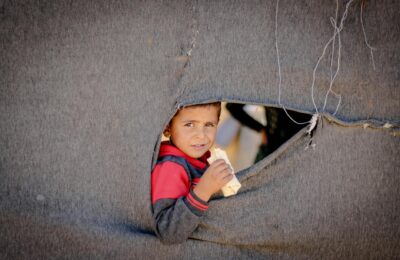
للناس الذين يعيشون في ظل وقف إطلاق النار — في جنوب لبنان، في المدن الحدودية الإيرانية، في البلدات العراقية القريبة من القواعد الأمريكية — عدم اليقين لا يُحتمل. وقف إطلاق نار قد ينهار في أي لحظة لا يوفر راحة نفسية. المدارس مغلقة. الأعمال متوقفة. العائلات نازحة. وقف إطلاق النار تقنياً تخفيض للعنف، لكنه ليس سلاماً — والجميع على الأرض يعلم ذلك.
لبنان: الفصل المستبعد
ربما الجانب الأكثر تأثيراً في محادثات إسلام أباد كان ما لم يُناقش بشكل ملزم: لبنان. إعلان نتنياهو قبل القمة أنه “لن يكون هناك وقف لإطلاق النار في لبنان” أزال فعلياً المسرح اللبناني من طاولة المفاوضات. عملية الظلام الأبدي، الحملة العسكرية الإسرائيلية في جنوب لبنان، قتلت 357 شخصاً وشردت أكثر من 200,000 منذ إطلاقها.
بالنسبة لإيران، لبنان ليس قضية جانبية — إنه القضية المركزية. حزب الله يمثل أهم استثمار عسكري تقليدي لإيران خارج حدودها. المنظمة حليف سياسي ورادع استراتيجي في آن واحد — التهديد بأنه إذا ضربت إسرائيل إيران، يمكن لحزب الله فتح جبهة ثانية مدمرة من لبنان. طلب التفاوض على التخلي عن موقف إيران في لبنان هو، من منظور طهران، كطلب الولايات المتحدة الانسحاب من حلف الناتو — يُفكك البنية الأساسية للردع.
بالنسبة للبنان نفسه، الاستبعاد من إطار إسلام أباد كارثة. يعني أن مصير البلد يُقرَّر من قِبل قوى خارجية — أمريكا وإسرائيل وإيران — بدون صوت لبناني على الطاولة. الحكومة اللبنانية، على ما هي عليه، اختُزلت إلى متفرج في صراع يدمر مناطقها الجنوبية ويقتل مواطنيها ويشرّد شعبها.
صمت المجتمع الدولي حيال لبنان يصمّ الآذان. عملية الظلام الأبدي ولّدت جزءاً ضئيلاً من التغطية الإعلامية والاهتمام الدبلوماسي الذي تحظى به صراعات أصغر بكثير. لأهل جنوب لبنان — الذين تحملوا عقوداً من الصراع والاحتلال والقصف — فشل محادثات إسلام أباد يعني المزيد من نفس الشيء: عنف بلا نهاية ومفاوضات بلا تمثيل.
ردود فعل الأسواق: النفط عند 95 دولار/برميل والذهب عند 153 دولار/جرام
استجابت الأسواق المالية لانهيار محادثات إسلام أباد بمزيج متوقع من الخوف والانتهازية. قفز خام برنت إلى 95 دولاراً للبرميل في تداولات آسيا صباح الجمعة، بارتفاع 4.2% عن مستويات ما قبل المحادثات. المحفز المباشر كان عبارة فانس “كل الخيارات”، التي فسّرها المتداولون كزيادة في احتمالية مواجهة عسكرية أمريكية-إيرانية مباشرة.
الذهب بلغ 153 دولاراً للجرام (4,758 دولاراً للأونصة) — رقم قياسي جديد في التداولات اللحظية. للمستثمرين والمدخرين المصريين، يُترجم هذا إلى نحو 8,330 جنيهاً مصرياً للجرام بأسعار الصرف الحالية. ارتفاع الذهب يعكس دوره التقليدي كملاذ آمن خلال الأزمات الجيوسياسية، لكن حجم الحركة يوحي بشيء أعمق: الأسواق تسعّر فترة ممتدة من المخاطر المرتفعة، لا مجرد ارتفاع مؤقت.
مجمع السلع الأوسع تحرك أيضاً. عقود الغاز الطبيعي ارتفعت 3.1%. أسهم قطاع الدفاع — لوكهيد مارتن وريثيون وبي إيه إي سيستمز — ارتفعت بين 2-5%. في المقابل، تراجعت أسهم شركات الطيران والشحن والسياحة عبر الشرق الأوسط. مؤشر سوق دبي انخفض 1.8% في التداولات المبكرة. مؤشر EGX 30 المصري انخفض 2.3% مع ضغوط خاصة على قطاعي السياحة والاستيراد.
للناس العاديين عبر الشرق الأوسط، هذه التحركات السوقية ليست أرقاماً مجردة. ارتفاع أسعار النفط يعني ارتفاع تكاليف الوقود والنقل والغذاء — خاصة في الاقتصادات المعتمدة على الاستيراد كمصر والأردن ولبنان. ارتفاع أسعار الذهب يفيد من يملكون ذهباً بالفعل لكنه يصعّب الأمر على من يشترون الذهب كحماية للمدخرات. فشل محادثات إسلام أباد، اقتصادياً ببساطة، يجعل الحياة أغلى لمئات الملايين في المنطقة.
ردود الفعل الإقليمية: جوقة من القلق
مصر
أصدرت القاهرة بياناً متزناً دعت فيه إلى “استئناف الحوار في أقرب فرصة” وأكدت التزام مصر بـ”الاستقرار الإقليمي والحل السلمي للنزاعات.” خلف اللغة الدبلوماسية، مخاوف مصر حادة. القاهرة تعتمد على حركة مرور سلسة في قناة السويس — المهددة مباشرة بأي تصعيد في الخليج — وعلى أسعار نفط مستقرة لبرامج دعم الطاقة. كما أكدت الخارجية المصرية قدرات مصر في الوساطة، في تموضع ذكي للقاهرة كقناة بديلة أو مكمّلة لإسلام أباد.
السعودية
رد الرياض كان لافتاً في ضبط النفس. أصدرت الخارجية السعودية بياناً مقتضباً يدعم “الحلول الدبلوماسية” دون انتقاد أي طرف. موقف السعودية معقد — لديها مصالحة حذرة مع إيران بوساطة صينية منذ 2023، ولا تريد الانجرار إلى مواجهة أمريكية-إيرانية قد تستهدف بنيتها التحتية للطاقة.
الإمارات
ركّز رد أبوظبي على مضيق هرمز، الذي تعتمد عليه الإمارات في تصدير كل نفطها تقريباً. دعت الإمارات إلى “ضمانات دولية” لحرية الملاحة ودعمت ضمنياً الموقف الأمريكي بشأن هرمز دون انتقاد مباشر لإيران. كما عرضت استضافة جولات مستقبلية.
العراق
عبّرت بغداد عن قلق عميق، مشيرة إلى أن أي مواجهة عسكرية أمريكية-إيرانية ستستخدم على الأرجح المجال الجوي العراقي وربما الأراضي العراقية. حكومة العراق، التي تربطها علاقات بكل من واشنطن وطهران، في وضع مستحيل — أي تصعيد يحوّل العراق إلى ساحة معركة سواء وافق أم لم يوافق.
الصين وروسيا
بكين دعت إلى “ضبط النفس ومواصلة الحوار”، عارضة خدمات وساطتها — تذكير بأن الصين رعت المصالحة السعودية-الإيرانية عام 2023 وترى نفسها إطاراً دبلوماسياً بديلاً للمفاوضات الأمريكية. موسكو أعربت عن دعمها لمواقف إيران السيادية مع الدعوة إلى “احترام جميع الأطراف للقانون الدولي.”
ماذا بعد: خمسة سيناريوهات
السيناريو 1: العودة للمفاوضات (احتمال 35%)
السيناريو الأكثر تفاؤلاً. كلا الطرفين يستخدم الفشل كتجربة تعلّم ويعود للمفاوضات خلال 30-60 يوماً — ربما في مكان مختلف (ذُكرت إسطنبول ومسقط). يتطلب هذا أن يخفض كلا الطرفين مطالبه.
السيناريو 2: صراع مجمد (احتمال 30%)
وقف إطلاق النار يستمر بشكل متدهور — لا يُلغى رسمياً ولا يُحترم رسمياً. كلا الطرفين ينخرط في استفزازات منخفضة المستوى دون إشعال صراع شامل. سيناريو “عدم الاستقرار المُدار.” النفط يبقى بين 90-100 دولار/برميل. الذهب يبقى مرتفعاً فوق 145 دولار/جرام (نحو 7,900 جنيه مصري/جرام).
السيناريو 3: انهيار وقف إطلاق النار والتصعيد (احتمال 20%)
وقف إطلاق النار ينهار خلال أسبوع أو اثنين. يؤدي إلى عودة الأعمال العدائية المباشرة. النفط يقفز فوق 110 دولار/برميل. الذهب يتجاوز 170 دولار/جرام (نحو 9,260 جنيه مصري/جرام).
السيناريو 4: صفقة عبر قنوات خلفية (احتمال 10%)
محادثات كوشنر الموازية تثمر. صفقة هادئة غير رسمية تُبرم — محدودة النطاق لكنها كافية لمنع التصعيد. تبادل سجناء وإفراج جزئي عن أصول مقابل وصول الوكالة الدولية.
السيناريو 5: مواجهة عسكرية (احتمال 5%)
أسوأ سيناريو. سوء تقدير أو استفزاز متعمد يشعل تبادلاً عسكرياً أمريكياً-إيرانياً مباشراً. النفط يتجاوز 130 دولار/برميل. الذهب يتجاوز 200 دولار/جرام (نحو 10,900 جنيه مصري/جرام). الركود العالمي يصبح محتملاً.
الصورة الأكبر: ما تخبرنا به 21 ساعة من الفشل
محادثات إسلام أباد فشلت، لكنها لم تكن بلا معنى. كشفت عدة أمور حاسمة عن الحالة الراهنة للعلاقات الأمريكية-الإيرانية والشرق الأوسط الأوسع.
أولاً، الدبلوماسية المباشرة ممكنة. المحظور الذي استمر 47 عاماً على اللقاءات المباشرة كُسر. حتى في الفشل، هذا يخلق سابقة يمكن لقادة المستقبل البناء عليها. البنية التحتية الدبلوماسية موجودة الآن — القناة الباكستانية والشكل والبروتوكول — لاجتماعات مستقبلية إذا توفرت الإرادة السياسية.
ثانياً، الفجوة بين المواقف الأمريكية والإيرانية هائلة لكنها ليست لا نهائية. كلا الطرفين انخرط بجدية لـ21 ساعة — أطول بكثير مما يحتاجه أي منهما للمسرح السياسي. حقيقة أن كلا الطرفين استكشف اقتراح “التنفيذ المرحلي” الباكستاني تشير إلى وجود منطقة اتفاق ممكنة، حتى لو لم تتحقق هذه المرة.
ثالثاً، قضية لبنان هي حجر الأساس. حتى يكون هناك إطار يعالج لبنان — لا كملحق بل كعنصر مركزي — لن تكون أي صفقة أمريكية-إيرانية شاملة ممكنة. إيران لن تتخلى عن أهم حليف إقليمي لها، وأمريكا لا تستطيع ضمان ضبط النفس الإسرائيلي في لبنان عندما يرفض نتنياهو علناً أي ضبط من هذا القبيل.
رابعاً، وجود كوشنر يشير إلى أن الحوافز الاقتصادية جزء من المعادلة. هذا جديد. المفاوضات الأمريكية-الإيرانية السابقة كانت تدور أساساً حول الأمن ومنع الانتشار. إدخال بُعد تجاري — استثمارات خليجية في إيران، تكامل اقتصادي إقليمي — يفتح إمكانيات جديدة لكن أيضاً تعقيدات جديدة.
الـ21 ساعة في إسلام أباد لم تذهب هباءً. كانت استثماراً في الفهم — محاولة مؤلمة ومرهقة وغير ناجحة في النهاية لجسر هوة استمرت 47 عاماً. السؤال الآن هو ما إذا كان هذا الاستثمار سيُبنى عليه أم يُهجر. والإجابة ستحدد مسار الشرق الأوسط لسنوات قادمة.