Vice President JD Vance, Special Envoy Steve Witkoff, and Jared Kushner are heading to Islamabad, Pakistan for what may be the most consequential diplomatic meeting of 2026. Starting Saturday April 11, they will negotiate directly with Iranian representatives on a comprehensive peace deal to end the Iran war — a framework being called the ‘Islamabad Accord.’
The talks come at a moment of crisis. The ceasefire announced April 7 is already cracking: Israel struck 100 Hezbollah targets in Lebanon killing 250+ people, Iran re-closed the Strait of Hormuz in retaliation, and oil has rebounded to $97/barrel. Whether the Islamabad negotiations can overcome these obstacles will determine the trajectory of global markets, Middle East geopolitics, and millions of lives for years to come.
The US Delegation
VP JD Vance — Team Leader
Vance’s role as delegation leader signals the seriousness of the talks. As Vice President, he is the highest-ranking US official to engage directly in Iran negotiations since the war began. According to Bloomberg, Vance personally advocated for the diplomatic approach over continued military escalation within the Trump administration.

Steve Witkoff — The Negotiator
Witkoff previously led three rounds of indirect nuclear negotiations with Iran in Geneva before the war began. He has established relationships with Iranian negotiators and understands the technical details of the nuclear file. His presence provides negotiating continuity and expertise.
Jared Kushner — The Deal Architect
Kushner’s inclusion signals Trump’s personal investment in the outcome. As the architect of the Abraham Accords (2020), Kushner has experience brokering complex Middle East agreements. His involvement may also signal that the deal could eventually include Israel-related provisions — even though Israel is not a formal participant.
The 10-Point Framework
Trump described the proposed deal as a ’10-point ceasefire plan’ that Pakistani intermediaries conveyed, calling it ‘a workable basis on which to negotiate, with almost all of the various points of past contention’ agreed to. Based on reporting from Al Jazeera, Reuters, and other sources, the 10 points likely include:
| # | Point | Status |
|---|---|---|
| 1 | Permanent cessation of US-Iran hostilities | Agreed in principle |
| 2 | Unconditional Hormuz reopening | Disputed (Iran wants conditions) |
| 3 | Gradual sanctions relief (6-month timeline) | Framework agreed, details pending |
| 4 | Nuclear program framework (IAEA supervised) | Core issue, heavily negotiated |
| 5 | War damage compensation mechanism | Iran demands, US resists amounts |
| 6 | Regional security guarantees | Broadly agreed |
| 7 | Lebanon ceasefire provisions | MOST DISPUTED — not agreed |
| 8 | Humanitarian corridors and aid | Agreed in principle |
| 9 | Prisoner and detainee exchanges | Advanced discussions |
| 10 | Diplomatic normalization pathway | Framework agreed |
Point 7 — Lebanon — is the single biggest obstacle. Iran insists Lebanon must be included. The US and Israel say it can’t be. Resolving this will make or break the Islamabad Accord.
The Lebanon Problem
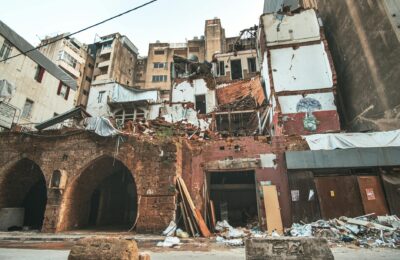
The Lebanon issue has already nearly collapsed the ceasefire. The sequence of events:
- Pakistan’s mediators told Iran that Lebanon was part of the ceasefire framework
- The US and Israel said it was NOT included
- Israel launched its largest Lebanon operation (100 targets, 250+ dead) on April 8
- Iran re-closed Hormuz, citing Israeli violation
- The ceasefire is now in crisis
Vance’s team must find a formula that addresses Iran’s demand without committing Israel to a formal Lebanon ceasefire it won’t accept. Possible solutions include:
- Parallel track: A separate Lebanon negotiation under Egyptian/Qatari mediation, running simultaneously with the US-Iran talks
- ‘Quiet understanding’: Israel informally reduces Lebanon operations without formal commitment
- Phased approach: Lebanon addressed in Phase 2 of the accord, after the core US-Iran issues are settled in Phase 1
What Each Side Wants
United States Priorities
- Hormuz unconditionally open (no Iranian conditions, no tolls)
- Iranian nuclear program under IAEA constraints
- A deal Trump can sell as a historic victory
- Oil prices stabilized at $80-90/barrel
- No long-term US military commitment in the region
Iran’s Priorities
- Complete sanctions relief (not gradual)
- War damage compensation
- Lebanon ceasefire included
- Right to peaceful nuclear enrichment recognized
- No regime change demands
Pakistan’s Role
Pakistan PM Shehbaz Sharif has a historic opportunity. If the Islamabad Accord succeeds, Pakistan’s international standing rises dramatically. Sharif is personally invested in the outcome and will provide whatever facilitation the parties need — security, logistics, communication infrastructure, and diplomatic cover.
Market Implications of the Three Outcomes
| Outcome | Probability | Oil | Gold | Stocks |
|---|---|---|---|---|
| Deal succeeds | 30% | $75-80 | $145 | Major rally |
| Talks continue, progress | 45% | $90-97 | $150-155 | Range-bound |
| Talks fail | 25% | $120-140 | $165-175 | Major crash |
What to Watch
April 9-10 (Pre-Talks)
- Any Israeli military activity in Lebanon
- Hormuz shipping status updates
- FOMC minutes and US CPI data
- Iranian official statements about negotiating positions
April 11 (Saturday — Talks Begin)
- Opening statements from both delegations
- Any leaks about early discussions
- Market reactions (Asian markets open Sunday)
April 12-15 (Negotiations Continue)
- Progress reports from Pakistani mediators
- Any breakthroughs or breakdowns
- Oil and gold price movements
April 21 (Ceasefire Expiry)
- Decision point: extend, make permanent, or resume war
- Markets will price in uncertainty in the days leading up
For Investors: How to Position
If You’re Optimistic on the Accord
- Hold stocks, buy on dips
- Reduce gold allocation modestly (from 25% to 20%)
- Avoid oil positions (price drops on success)
- Buy airlines, tourism, consumer staples
If You’re Pessimistic on the Accord
- Increase gold allocation to 25-30%
- Hold or buy oil call options as insurance
- Avoid Gulf stocks (oil windfall loss if peace, war damage if failure)
- Maintain high cash position for opportunities
If You’re Neutral (Recommended)
- Balance between gold (20-25%) and defensive stocks
- Avoid binary bets on oil direction
- Wait for clarity from Saturday’s talks before adjusting
- Keep 15% cash for post-Islamabad positioning
Frequently Asked Questions
What is the Islamabad Accord?
The comprehensive peace deal being negotiated between US and Iran in Pakistan. 10-point framework.
Who is leading the US delegation?
VP JD Vance, with Steve Witkoff and Jared Kushner.
When do talks start?
Saturday April 11, 2026 in Islamabad, Pakistan.
Will Lebanon be included?
Most contentious issue. Iran demands it. US/Israel resist. Must be resolved.
What happens if talks fail?
War resumes after April 21. Oil spikes to $120+. Gold surges. Stocks crash.
Related Articles
For more, see Bloomberg, Al Jazeera, and Reuters.
Last Updated: April 9, 2026