فصح مجيد 2026 — المسيح قام، حقاً قام
اليوم، الأحد 6 أبريل 2026، يثبت عيد الفصح المجيد أنه أكثر من مجرد عيد ديني — إنه لحظة يلتقي فيها الأمل بالصمود في منطقة شرق أوسطية لا تزال تعيش تحت وطأة الحرب والأزمات. من كنائس بيت لحم إلى كاتدرائيات بيروت، ومن كنائس القاهرة العريقة إلى أجراس دمشق التي لا تزال تُقرع رغم كل شيء — المسيح قام، حقاً قام.
في هذا الدليل الشامل، جمعنا لكم أجمل تهاني عيد الفصح المجيد 2026 بالعربية والإنجليزية، مُصنّفة حسب المناسبة والعلاقة، مع تهاني بلهجات عربية مختلفة، وموجز لتقاليد الفصح في كل بلد من بلدان الشرق الأوسط. سواء كنت تبحث عن رسالة لإرسالها عبر الواتساب أو منشور لمواقع التواصل أو تهنئة رسمية — ستجد ما تحتاجه هنا.
متى يصادف عيد الفصح 2026؟
يعتمد تاريخ عيد الفصح على التقويم المُتّبع:

| التقويم | تاريخ عيد الفصح 2026 | الطوائف |
|---|---|---|
| التقويم الغربي (الغريغوري) | الأحد 5 أبريل 2026 | الكاثوليك، البروتستانت، المارونيين |
| التقويم الشرقي (اليولياني) | الأحد 12 أبريل 2026 | الأرثوذكس الشرقيين، الأقباط، السريان |
ملاحظة مهمة: سبت النور (سبت الفرح) يسبق أحد الفصح مباشرة — وهو اليوم الذي ينتظره المؤمنون لحضور انبثاق النور المقدس من كنيسة القيامة في القدس. في عام 2026، يصادف سبت النور الغربي يوم 4 أبريل، وسبت النور الشرقي يوم 11 أبريل.
لماذا يختلف تاريخ الفصح بين الغربي والشرقي؟
الفرق يعود إلى طريقة حساب البدر الأول بعد الاعتدال الربيعي. الكنائس الغربية تعتمد التقويم الغريغوري (الذي صُحّح في 1582)، بينما تعتمد الكنائس الشرقية التقويم اليولياني القديم. في بعض السنوات يتطابق التاريخان، لكن في 2026 يفصل بينهما أسبوع كامل.
هذا يعني أن الاحتفالات في المنطقة تمتد على أسبوعين كاملين — فرصة مزدوجة للفرح والتهاني!
أجمل تهاني عيد الفصح المجيد 2026 — رسائل رسمية
إذا كنت تبحث عن رسائل رسمية لعيد الفصح لإرسالها لزملاء العمل أو المعارف أو في المناسبات الرسمية:
- فصح مجيد وقيامة مباركة. أتمنى لكم ولعائلاتكم الكريمة عيد فصح مليء بالنور والسلام والبركات. كل عام وأنتم بألف خير.
- بمناسبة عيد الفصح المجيد 2026، أتقدم إليكم بأحرّ التهاني والتبريكات، سائلاً الله أن يعمّ السلام والمحبة على أمتنا العربية وعلى العالم أجمع.
- في ذكرى القيامة المجيدة، نستذكر رسالة المحبة والتسامح والأمل. كل عام وأنتم رمز للعطاء والخير. فصح مجيد.
- أزكى التهاني بعيد الفصح المجيد. أعاده الله على أمتنا بالخير واليمن والبركات، وعلى المنطقة بالسلام الذي تستحقه.
- تهانينا القلبية بمناسبة عيد القيامة المجيد 2026. نسأل الله أن يجعل هذا العيد فاتحة خير وسلام على فلسطين ولبنان وسوريا وكل بلاد الشرق.
- في هذا اليوم المبارك، نتقدم بأسمى آيات التهنئة لكل الإخوة المسيحيين في العالم العربي. فصح مجيد مليء بالمحبة والسلام.
- نبارك لكم عيد الفصح المجيد، ونرجو من الله أن يلهم قادة العالم الحكمة لإنهاء الحروب وتحقيق السلام العادل في منطقتنا.
تهاني عيد الفصح للعائلة — رسائل دافئة من القلب
الأهل والعائلة يستحقون رسائل خاصة تعبّر عن الحب والامتنان:
- يا أغلى عيلة بالدنيا — فصح مجيد عليكم! ما في أحلى من إنّنا سوا بهالعيد. الله يخلّيكم ويحمي بيتنا وبيوت كل الناس. المسيح قام!
- ماما وبابا — كل عيد فصح بيمرّ وبيزيد حبي واحترامي إلكم. شكراً لأنكم علمتونا إنّ المحبة أقوى من كل شي. فصح مجيد يا أحلى أهل.
- لأمي الحبيبة: أنتِ نور بيتنا وقلبنا. كل فصح وأنتِ بألف صحة وعافية. الله يطوّل بعمرك ويفرّحك دايماً.
- لأبي العزيز: كل فصح مجيد وأنت سندنا وقدوتنا. ربنا يحفظك ويباركك. عيد قيامة مبارك عليك وعلى كل العيلة.
- لإخوتي وأخواتي: مهما بعدتنا المسافات، عيد الفصح بيجمعنا بالقلب. كل سنة وإنتو بخير يا أحلى إخوة بالعالم. المسيح قام، حقاً قام!
- لأولادي الأحباء: ربنا يحميكم ويكبّركم بالإيمان والمحبة. فصح مجيد يا قرّة عيني. تستاهلوا كل الفرح.
- لجدي وجدتي: أنتم بركة بيتنا. كل عيد فصح وأنتم بصحة وعافية. الله يطوّل بعمركم ويخلّيكم إلنا.
تهاني عيد الفصح للأصدقاء — رسائل مرحة ومحبّة
الأصدقاء يستحقون رسائل تجمع بين الحب والمرح:
- يا صاحبي العزيز — فصح مجيد عليك! ما بعرف شو أحلى: بيض الفصح الملوّن ولّا صداقتنا الملوّنة 😄 كل سنة وإنت بخير!
- صديقتي الغالية — كل عيد فصح وإنتي أحلى وأقوى وأكثر نور. الله يفرحك ويحقق كل أمنياتك. فصح مجيد!
- يا رفيق الدرب — المسيح قام والدنيا بتتجدد. أتمنالك فصح مليء بالأمل والفرح والبدايات الحلوة. كل سنة وإنت بألف خير.
- لصحابي الحلوين: عيد فصح مجيد عليكم كلكم! ما بنستغني عنكم لا بالعيد ولا بغير العيد. الله يديم صداقتنا.
- يا غالي/غالية: الفصح فرصة نقول لبعض “شكراً إنك بحياتي.” فصح مجيد ومبارك عليك وعلى كل يلي بتحبهم.
تهاني عيد الفصح للواتساب والسوشال ميديا
رسائل قصيرة ومؤثرة مناسبة للنشر على واتساب وفيسبوك وإنستغرام وتويتر:
ستاتوسات واتساب
- 🕊️ المسيح قام… حقاً قام! فصح مجيد على كل العالم. 2026
- ✝️ فصح مجيد — نور القيامة أقوى من كل ظلام. كل عام والشرق بخير.
- 🌿 من أرض القيامة إلى كل العالم: عيد فصح مبارك. السلام لفلسطين ولبنان ولكل الأرض.
- 🔔 سمعتوا الأجراس؟ عيد الفصح 2026 وصل! فصح مجيد يا أحلى ناس.
- 🕯️ شمعة وصلاة وأمل: هيك بنحتفل بالفصح. كل سنة وإنتو بخير.
كابشنات إنستغرام
- “في أرض القيامة، الأمل لا يموت أبداً. فصح مجيد 2026” ✝️🕊️
- “المسيح قام من بين الأموات… وإحنا قايمين من بين كل الصعوبات. فصح مجيد” 💛
- “أحلى عيد مع أحلى ناس. كل فصح والمحبة تجمعنا” 🌷
- “نور القيامة بينوّر حتى أظلم الأيام. فصح مجيد يا عالم” 🕯️
تغريدات تويتر/إكس
- فصح مجيد 2026 🕊️ المسيح قام، حقاً قام. كل عام والشرق الأوسط بسلام. #عيد_الفصح #فصح_مجيد_2026
- من القدس إلى كل العالم: عيد فصح مبارك. سلام لفلسطين، سلام للبنان، سلام لكل إنسان. #Easter2026 #فصح_مجيد
- بين الحرب والأمل، الفصح يذكرنا إنّ القيامة ممكنة دايماً. فصح مجيد. #عيد_الفصح_المجيد
تهاني عيد الفصح بلهجات عربية مختلفة
جمال اللغة العربية في تنوّع لهجاتها. إليكم تهاني الفصح كما يقولها العرب في بلدانهم:
باللهجة المصرية 🇪🇬
- “عيد فصح مجيد عليكو يا أحلى ناس!” — كل سنة وإنتو طيبين. المسيح قام، بالحقيقة قام. ربنا يفرح قلوبكو ويحمي مصر وأهلها.
- “بمناسبة شم النسيم والفصح المجيد” — كل سنة وكل المصريين بخير، مسلمين ومسيحيين، إيد واحدة زي ما إحنا دايماً.
- “يا رب تعدّي السنة دي على مصر بالخير” — فصح مجيد على كل المصريين وكل العرب. نورتوا الدنيا.
باللهجة اللبنانية 🇱🇧
- “فصح مجيد يا حلوين!” — المسيح قام، حقاً قام! كل عام ولبنان بألف خير وسلامة. يا رب ترجع أيام الفرح.
- “من لبنان، أرض الأرز والإيمان” — مبروك عيد القيامة! الله يحمي لبنان ويرجعلو أمانو وفرحتو.
- “هالسنة الفصح إلو طعمة تانية” — بنصلّي للسلام ولرجوع كل الناس لبيوتها. فصح مجيد يا لبنان.
باللهجة السورية 🇸🇾
- “فصح مجيد يا أهلنا!” — المسيح قام، بالحقيقة قام! كل عام وسوريا بخير. يا رب يرجع السلام لبلدنا الحبيب.
- “من أقدم عاصمة بالتاريخ” — دمشق بتبعتلكم أحلى تهاني الفصح. الله يحمي سوريا وأهلها أينما كانوا.
- “يا رب هالفصح يكون فاتحة خير” — على سوريا وكل الشرق. كل عام ومسيحيي سوريا بألف خير.
باللهجة الخليجية 🇦🇪🇸🇦🇰🇼🇧🇭🇶🇦🇴🇲
- “عيد فصح مبارك عليكم!” — كل عام وإنتو بخير. الله يعطيكم العافية ويبارك لكم.
- “نبارك لإخواننا المسيحيين بعيد الفصح المجيد” — تقبل الله صيامكم وصلاتكم. كل عام وإنتو بألف خير.
باللهجة العراقية 🇮🇶
- “فصح مجيد يا أهلنا بالعراق!” — المسيح قام، بالحقيقة قام! الله يحفظ العراق ومسيحييه وكل أهله. كل عام وإنتو بخير.
- “من بغداد للموصل للبصرة” — عيد فصح مبارك على كل العراقيين. الله يرجع أيام الأمان والمحبة.
باللهجة الفلسطينية 🇵🇸
- “من أرض القيامة، من فلسطين” — فصح مجيد على كل العالم! المسيح قام، حقاً قام! كل عام وفلسطين حرة وأبية.
- “فصح مجيد يا أهل فلسطين” — من بيت لحم ومن القدس، منبع النور والقيامة. الله يحمي أرضنا وشعبنا.
باللهجة الأردنية 🇯🇴
- “كل فصح وإنتو بخير يا أهل الأردن!” — المسيح قام، حقاً قام! الله يحمي بلدنا ويديم المحبة بين أهله.
العبارات التقليدية لعيد الفصح ومعانيها
هناك عبارات تاريخية وعريقة يتبادلها المسيحيون في عيد الفصح منذ قرون:
| العبارة | الردّ | المعنى | اللغة الأصلية |
|---|---|---|---|
| المسيح قام! | حقاً قام! | تحية الفصح الأساسية — تأكيد قيامة المسيح من بين الأموات | العربية / ترجمة من اليونانية |
| Χριστός Ανέστη! | Αληθώς Ανέστη! | المسيح قام! حقاً قام! (يونانياً) | اليونانية |
| Christ is Risen! | Truly He is Risen! | النسخة الإنجليزية من التحية | الإنجليزية |
| ⲭⲣⲓⲥⲧⲟⲥ ⲁⲛⲉⲥⲧⲏ | (بالقبطية) | التحية القبطية المصرية | القبطية |
| فصح مجيد | — | عيد فصح مبارك ومجيد | العربية |
| قيامة مباركة | — | تهنئة بذكرى القيامة | العربية |
| كل عام وأنتم بخير | — | تهنئة عامة تُستخدم في كل الأعياد | العربية |
تقاليد عيد الفصح في الشرق الأوسط — بلداً بلداً
عيد الفصح في الشرق الأوسط ليس مجرد مناسبة دينية — إنه نسيج ثقافي يجمع بين الإيمان والتراث والمجتمع. لكل بلد تقاليده الخاصة التي تعكس تاريخه وهويته. وهذا العام، يحمل الفصح بُعداً إضافياً في ظل الحروب والأزمات التي تعصف بالمنطقة.
اقرأ أيضاً: عيد الفصح 2026 في الشرق الأوسط: كيف يحتفل المسيحيون وسط الحرب
مصر 🇪🇬 — شم النسيم والفصح معاً
في مصر، يأتي شم النسيم (عيد الربيع الفرعوني) يوم الإثنين الذي يلي أحد الفصح مباشرة — مما يجعلها مناسبة وطنية يحتفل بها المصريون جميعاً، مسلمين ومسيحيين.
التقاليد المصرية:
- الفسيخ والرنجة: أكلة شم النسيم الأساسية — سمك مملّح يعود تقليده إلى الفراعنة
- تلوين البيض: تقليد مشترك بين كل المصريين في شم النسيم
- الكحك والبسكويت: كعك العيد الذي تصنعه العائلات المسيحية
- قداس القيامة: يُقام في الكنائس القبطية ليلة السبت ويمتد حتى فجر الأحد
- زيارة الكنائس: خاصة الكاتدرائية المرقسية بالعباسية ودير الأنبا بيشوي في وادي النطرون
- التنزه في الحدائق: يوم شم النسيم يخرج المصريون للحدائق والمتنزهات
في 2026، يحمل شم النسيم أهمية خاصة كلحظة وحدة وطنية مصرية في وقت تحتاجها المنطقة أكثر من أي وقت مضى.
لبنان 🇱🇧 — أجراس الكنائس وسط الركام
لبنان، بتنوّعه الطائفي الفريد، يحتفل بعيد الفصح بطريقة مميزة تجمع بين التقاليد المارونية والأرثوذكسية والكاثوليكية.
التقاليد اللبنانية:
- المعمول: كعك محشو بالتمر أو الجوز أو الفستق — رمز الفصح اللبناني بامتياز
- البيض الملوّن: تقليد عائلي يشارك فيه الأطفال خصوصاً
- قداس أحد الشعانين: موكب سعف النخيل في الأسبوع الذي يسبق الفصح
- درب الصليب: مسيرات دينية في القرى الجبلية اللبنانية
- التزاور العائلي: عادة لبنانية أساسية حيث تجتمع العائلات الممتدة
- المائدة اللبنانية: لحم الخروف، الكبة النيّة، التبولة، والحلويات التقليدية
هذا العام، يحتفل لبنان بالفصح تحت ظل تداعيات الحرب الإيرانية-الأميركية التي أثّرت بشكل مباشر على اقتصاده وأمنه. اقرأ المزيد: كيف تدفع الحرب ثمنها من الاقتصاد اللبناني
فلسطين 🇵🇸 — القيامة من أرض القيامة
فلسطين هي مهد المسيحية وأرض القيامة الفعلية. بيت لحم (مكان الميلاد) والقدس (مكان الصلب والقيامة) هما قلب احتفالات الفصح في العالم أجمع.
التقاليد الفلسطينية:
- النور المقدس: يوم سبت النور، ينبثق النور المقدس من قبر المسيح في كنيسة القيامة بالقدس — وهو أهم حدث في الفصح الأرثوذكسي
- موكب أحد الشعانين: مسيرة من بيت فاجي إلى القدس القديمة
- كعك الفصح: المعمول والغريبة والبسكويت المزخرف
- البيض الملوّن بالبصل: تقليد فلسطيني قديم يُصبغ البيض بقشر البصل الأحمر
- زيارة كنيسة المهد: في بيت لحم، حيث يحجّ المسيحيون من كل أنحاء العالم
في 2026، يواجه المسيحيون الفلسطينيون قيوداً إسرائيلية مشددة على الوصول إلى الأماكن المقدسة. كنيسة القيامة وكنيسة المهد تحت حراسة أمنية مكثفة، وكثير من مسيحيي الضفة الغربية وغزة لا يستطيعون الوصول إلى القدس. اقرأ المزيد: اقتصاد فلسطين تحت الحصار 2026: ماذا تقول الأرقام
الأردن 🇯🇴 — حراسة إسلامية مسيحية للمقدسات
الأردن يتميز بنموذج فريد من التعايش الإسلامي-المسيحي، حيث يحرس الهاشميون المقدسات المسيحية والإسلامية معاً.
- موقع المغطس: المكان الذي تعمّد فيه المسيح على نهر الأردن — موقع حج مسيحي عالمي
- مادبا: “مدينة الفسيفساء” التي تضم أقدم خريطة فسيفسائية للأرض المقدسة
- كنائس عمّان: تحتفل بقداسات مهيبة وتزاور عائلي
- المعمول الأردني: مشابه للبناني والفلسطيني مع لمسة أردنية خاصة
سوريا 🇸🇾 — الفصح بين الأنقاض والأمل
سوريا، التي تعاني من آثار سنوات طويلة من الحرب، لا تزال تحتفل بعيد الفصح بإصرار ملهم. دمشق وحلب ومعلولا (القرية التي لا تزال تتحدث الآرامية، لغة المسيح) تحتفظ بتقاليد عريقة.
- معلولا: القرية السورية حيث لا تزال الآرامية حيّة — تحتفل بالفصح بلغة المسيح
- صلاة الفجر في دمشق: كنيسة ماريمنا في باب توما تستقبل المصلين فجر الفصح
- الكنافة والمعمول: حلويات الفصح السورية المميزة
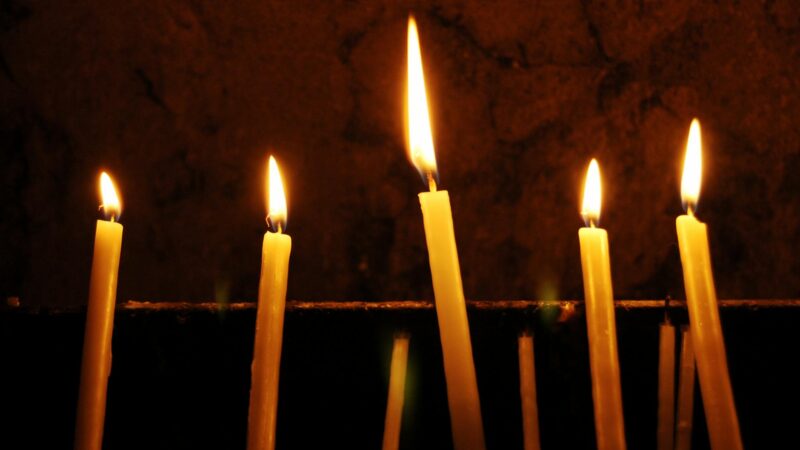
- إضاءة الشموع: تقليد سوري أرثوذكسي جميل في ليلة القيامة
العراق 🇮🇶 — مسيحيو بلاد ما بين النهرين
مسيحيو العراق (الكلدان والآشوريين والسريان) يحتفلون بعيد الفصح بتقاليد تعود لآلاف السنين.
- كنائس الموصل: التي أُعيد بناء بعضها بعد تدمير داعش — تحتفل بقداسات مؤثرة
- أربيل وعنكاوا: أكبر تجمع مسيحي في العراق اليوم
- الكليجة: كعك عراقي تقليدي يُقدّم في المناسبات الدينية
- الترانيم الآشورية: ترانيم بالسريانية تعود لقرون
كيف يحتفل المسيحيون بالفصح تحت ظروف الحرب في 2026؟
عيد الفصح 2026 يأتي في سياق إقليمي استثنائي. الحرب الإيرانية-الأميركية التي اندلعت في مارس 2026 ألقت بظلالها الثقيلة على المنطقة بأسرها.
في لبنان
الكنائس اللبنانية أقامت قداساتها رغم التوترات الأمنية. بعض الكنائس في الجنوب اللبناني اضطرت لتقصير القداسات أو نقلها إلى ملاجئ بسبب المخاوف الأمنية. لكن كاتدرائية مار جرجس المارونية في وسط بيروت أقامت قداساً حاشداً حمل رسالة سلام وأمل.
في فلسطين
القيود الإسرائيلية على التنقل زادت حدّة، مما منع كثيراً من مسيحيي الضفة الغربية من الوصول إلى القدس. كنيسة القيامة استقبلت أعداداً أقل من المعتاد من الحجاج بسبب الوضع الأمني. في غزة، أقام المسيحيون الفصح في ظروف إنسانية بالغة الصعوبة.
في سوريا
رغم عدم تأثر سوريا مباشرة بالحرب الإيرانية-الأميركية، إلا أن التوترات الإقليمية أضافت طبقة جديدة من القلق. الكنائس السورية دعت إلى صلوات خاصة من أجل السلام في المنطقة.
في مصر
الأقباط المصريون احتفلوا بالفصح وشم النسيم بشكل طبيعي نسبياً، مع تعزيزات أمنية حول الكنائس الرئيسية كإجراء احترازي معتاد. البابا تواضروس الثاني ألقى كلمة دعا فيها إلى السلام في المنطقة وحماية المدنيين.
أطعمة عيد الفصح التقليدية — دليل شامل
لا يكتمل عيد الفصح بدون المائدة التقليدية. إليكم أشهر أطعمة الفصح في العالم العربي:
الحلويات
- المعمول: الحلوى الأيقونية — كعك محشو بالتمر (عجوة) أو الجوز أو الفستق، مزيّن بقوالب خشبية منقوشة. موجود في كل بلد عربي بنكهات مختلفة
- الكحك المصري: كعك بالسمن والسمسم، يُحشى بالعجوة أو الملبّن أو يُترك سادة ويُرشّ بالسكر البودرة
- البسكويت والغريبة: حلويات بسيطة لكنها أساسية على مائدة الفصح
- القطايف: في بعض المناطق تُحضّر القطايف للفصح أيضاً
الأطباق الرئيسية
- لحم الخروف: الطبق الرئيسي في معظم البلدان العربية — يُحضّر مشوياً أو محشياً
- الفسيخ والرنجة: خاص بمصر في شم النسيم — سمك مملّح بطريقة تقليدية
- الكبة: طبق لبناني-سوري أساسي على مائدة الفصح
- الملوخية: في مصر، طبق شائع في أيام العيد
رمزيات الطعام
- البيض الملوّن: يرمز إلى القيامة والحياة الجديدة — اللون الأحمر يرمز لدم المسيح
- الخبز: يرمز لجسد المسيح في التناول المقدس
- الخمر/العصير: يرمز لدم المسيح في القداس
- الخروف: يرمز لحمل الله (المسيح كذبيحة الفداء)
أفكار لمنشورات ومشاركات عيد الفصح على السوشال ميديا
إذا كنت تبحث عن أفكار لمنشورات مميزة لعيد الفصح 2026:
أفكار صور
- صورة عائلية أمام الكنيسة مع عبارة “فصح مجيد”
- صورة مائدة الفصح التقليدية مع البيض الملوّن والمعمول
- صورة الشموع المضاءة في الكنيسة
- صورة أطفال يلعبون بالبيض الملوّن
- صورة المعمول وهو يُصنع بالقوالب الخشبية التقليدية
أفكار فيديوهات
- تايم لابس لتزيين البيض الملوّن
- فيديو طبخ المعمول مع الأهل
- مونتاج لتحضيرات العيد مع موسيقى ترانيم
- ريلز قصير بعبارة “المسيح قام، حقاً قام” مع مشاهد من الكنيسة
هاشتاغات مقترحة
#عيد_الفصح #فصح_مجيد #فصح_مجيد_2026 #المسيح_قام #عيد_الفصح_المجيد #Easter2026 #HappyEaster #ChristIsRisen #شم_النسيم #عيد_القيامة
الأهمية التاريخية لعيد الفصح في الأرض المقدسة
عيد الفصح (بالعبرية: بيسح، ובالعربية: عيد القيامة) هو أهم عيد في المسيحية على الإطلاق — أهم حتى من عيد الميلاد. فبينما يحتفل الميلاد بولادة المسيح، يحتفل الفصح بقيامته من بين الأموات بعد صلبه — وهو الحدث المؤسِّس للإيمان المسيحي.
الأحداث التاريخية
- الخميس العظيم: العشاء الأخير — آخر وجبة تناولها المسيح مع تلاميذه قبل الصلب
- الجمعة العظيمة: يوم الصلب على تلة الجلجثة (الجمجمة) في القدس
- سبت النور: يوم الانتظار — والنور المقدس ينبثق من القبر في كنيسة القيامة
- أحد القيامة: يوم قيامة المسيح من بين الأموات — وهو يوم الفصح
كنيسة القيامة — قلب العالم المسيحي
كنيسة القيامة في القدس القديمة بُنيت في القرن الرابع الميلادي بأمر من الإمبراطور قسطنطين، فوق الموقع الذي يُعتقد أنه مكان صلب المسيح ودفنه وقيامته. تتقاسم الكنيسة ستّ طوائف مسيحية: الأرثوذكس الروم، الكاثوليك (الفرنسيسكان)، الأرمن، الأقباط، السريان، والأحباش.
من المفارقات التاريخية أن مفتاح كنيسة القيامة بيد عائلتين مسلمتين فلسطينيتين — عائلة جودة وعائلة نسيبة — منذ العهد الصلاحي في القرن الثاني عشر. هذا التقليد الفريد يعكس التعايش الإسلامي-المسيحي العريق في فلسطين.
رسائل عيد الفصح بالإنجليزية مع ترجمة عربية
إذا كنت تريد إرسال رسالة بالإنجليزية مع النسخة العربية:
- EN: “Wishing you a blessed Easter filled with hope, love, and the joy of resurrection. Happy Easter 2026!”
AR: أتمنى لكم فصحاً مباركاً مليئاً بالأمل والمحبة وفرح القيامة. فصح مجيد 2026! - EN: “Christ is Risen! May this Easter bring peace to the Middle East and joy to your heart.”
AR: المسيح قام! عسى هذا الفصح أن يحمل السلام للشرق الأوسط والفرح لقلبك. - EN: “From the land of resurrection, we send you Easter blessings. Peace for Palestine, Lebanon, and all the world.”
AR: من أرض القيامة نبعث لكم بركات الفصح. سلام لفلسطين ولبنان وللعالم أجمع. - EN: “Easter reminds us that after every dark Friday, there’s a bright Sunday. Happy Easter!”
AR: الفصح يذكّرنا أن بعد كل جمعة مظلمة هناك أحد مشرق. فصح مجيد! - EN: “May the light of Easter shine through the darkness of war and bring hope to our region. Blessed Easter 2026.”
AR: عسى نور الفصح أن يشقّ ظلام الحرب ويحمل الأمل لمنطقتنا. فصح مبارك 2026. - EN: “To all Christians in the Middle East: your faith is an inspiration. Happy Easter from The Middle East Insider.”
AR: لكل مسيحيي الشرق الأوسط: إيمانكم مصدر إلهام. فصح مجيد من ذا ميدل إيست إنسايدر. - EN: “This Easter, we pray for peace in the Holy Land and safety for all people of faith.”
AR: في هذا الفصح نصلّي من أجل السلام في الأرض المقدسة وسلامة كل أهل الإيمان. - EN: “He is Risen! Sending love and Easter blessings to my Arab Christian brothers and sisters everywhere.”
AR: لقد قام! نرسل الحب وبركات الفصح لإخوتنا وأخواتنا المسيحيين العرب في كل مكان.
تهاني عيد الفصح للمسلمين الذين يهنّئون جيرانهم المسيحيين
في العالم العربي، من التقاليد الجميلة أن يهنّئ المسلمون جيرانهم وزملاءهم المسيحيين بعيد الفصح. إليكم بعض العبارات المناسبة:
- “كل عام وأنتم بخير بمناسبة عيد الفصح المجيد.” — تهنئة بسيطة ولطيفة ومحترمة.
- “نبارك لكم عيدكم ونتمنى لكم الفرح والسعادة.” — تعبّر عن الاحترام المتبادل.
- “أعاد الله عليكم العيد بالخير واليمن والبركات.” — صيغة تقليدية مناسبة لكل الأعياد.
- “عيد سعيد عليكم وعلى عائلاتكم. الله يديم المحبة بيننا.” — تعبّر عن قيم التعايش.
هذه التقاليد تعكس روح التعايش العربي الأصيل الذي يجمع بين المسلمين والمسيحيين في نسيج اجتماعي واحد منذ قرون.
الفصح الغربي vs الفصح الشرقي — جدول مقارنة شامل
| البُعد | الفصح الغربي (كاثوليكي/بروتستانتي) | الفصح الشرقي (أرثوذكسي/قبطي) |
|---|---|---|
| تاريخ 2026 | 5 أبريل | 12 أبريل |
| التقويم | الغريغوري | اليولياني |
| الصوم | 40 يوماً (الصوم الكبير) | 55 يوماً عند الأقباط |
| النور المقدس | يُحتفل به لكن ليس بنفس المركزية | حدث محوري — ينبثق من القبر في القدس |
| القداس | قداس عيد الفصح صباح الأحد | قداس ليلة السبت حتى فجر الأحد |
| التحية | “عيد فصح سعيد” / “Happy Easter” | “المسيح قام! حقاً قام!” |
| الطعام | لحم خروف، بيض ملوّن، شوكولاتة | فسيخ (مصر)، معمول، كسر الصيام |
| الأجواء | احتفالية عائلية | روحانية عميقة + احتفال عائلي |
تهاني عيد الفصح المجيد للأطفال — رسائل بسيطة ومحبّة
الأطفال يحتاجون رسائل بسيطة وواضحة تنقل لهم فرحة العيد:
- “عيد فصح سعيد يا بطل!” — ربنا يحميك ويفرحك ويخليك لماما وبابا. فصح مجيد يا حبيبي.
- “يا أحلى بنوتة بالعالم” — كل فصح وإنتِ أحلى وأذكى وأقوى. ربنا يحميكِ يا قمر.
- “هل لوّنت البيض اليوم؟” — أكيد إنت أحلى واحد لوّنهم! فصح مجيد يا حلو.
- “يسوع بيحبك كتير يا صغيري” — وإحنا كمان بنحبك كتير. عيد فصح مبارك عليك.
- “الفصح يعني الفرح والأمل” — وإنت فرحتنا وأملنا يا حبيب قلبنا. كل سنة وإنت بخير.
رسائل عيد الفصح للحبيب والزوج والزوجة
تهاني خاصة ورومانسية لشريك الحياة:
- “يا نور عيوني” — فصح مجيد يا حبيبي/حبيبتي. ما في أحلى من إنّي قاعد/ة جنبك بهالعيد. الله يخلّيك إلي وما يحرمني منك. المسيح قام!
- “حبيبي/حبيبتي الغالي/ة” — كل فصح وأنت معي = أحلى فصح بالدنيا. ربنا يحمي حبنا ويبارك بيتنا. فصح مجيد.
- “زوجي العزيز / زوجتي الغالية” — شكراً لأنك بتحمل/ي معي كل شي بالحياة. عيد القيامة هو عيد الأمل — وأنت أملي الأكبر. فصح مجيد.
- “كل فصح وأنا بحبك أكتر” — ما في حدود لحبي إلك. ربنا يبارك أيامنا سوا. عيد فصح مبارك يا عمري.
تهاني عيد الفصح لزملاء العمل والجيران
رسائل لطيفة ومحترمة لمحيطك الاجتماعي والمهني:
- لزميل العمل: “كل عام وأنت بخير بمناسبة عيد الفصح المجيد. أتمنى لك ولعائلتك عيداً سعيداً مليئاً بالفرح. فصح مجيد.”
- لمديرك: “أزكى التهاني بمناسبة عيد الفصح المجيد 2026. أعاده الله عليكم وعلى عائلتكم الكريمة بالخير والبركات.”
- للجيران: “كل فصح وإنتو بخير يا جيرانا الغاليين! عقبال كل سنة ونحن سوا. فصح مجيد.”
- لمجموعة العمل: “زملائي الأعزاء، بمناسبة عيد الفصح المجيد، أتقدم لمن يحتفل بأحرّ التهاني والتبريكات. كل عام وأنتم بخير.”
أشعار وأبيات عن عيد الفصح
من أجمل ما قيل شعراً عن عيد القيامة:
قام المسيح فيا ظلام تبدّد
وانشقّ قبرٌ كان بالصخر مُوصَد
نورُ القيامة ليس يُطفأ أبداً
والحبّ فينا ليس يفنى ويُفقَد
يا عيد فصحٍ جئتَ والدنيا حروب
فأضأتَ شمعةَ أملٍ في القلوب
من أرض قدسٍ نحو كلّ شعوب
سلامٌ سلامٌ رغم كلّ خطوب
هذه الأبيات تعكس روح الفصح الحقيقية — النور الذي ينبثق من قلب الظلام، والأمل الذي لا ينطفئ مهما اشتدت العواصف.
أخطاء شائعة في تهاني عيد الفصح — تجنّبها!
بعض الناس يرتكبون أخطاء دون قصد عند تهنئة الآخرين بعيد الفصح. إليكم ما يجب تجنّبه:
- لا تقل “عيد ميلاد سعيد” بدل “فصح مجيد”: عيد الميلاد في ديسمبر، عيد الفصح في الربيع — اثنان مختلفان تماماً!
- لا تخلط بين الفصح المسيحي والفصح اليهودي (بيسح): رغم التقارب الزمني أحياناً، هما عيدان مختلفان بمعاني مختلفة
- لا تقل “رمضان كريم” لصديقك المسيحي: في حين أن النية طيبة، التهنئة الصحيحة هي “فصح مجيد” أو “كل عام وأنتم بخير”
- لا تتجاهل الصوم: المسيحيون يصومون قبل الفصح — لا تدعُ صديقك المسيحي لوليمة لحم خلال الصوم الكبير
- لا تنسَ الردّ: إذا قال لك أحد “المسيح قام!” فالردّ الصحيح هو “حقاً قام!” — وليس “شكراً” فقط
تطبيقات وموارد لتصميم بطاقات تهنئة عيد الفصح
إذا أردت إرسال بطاقات تهنئة مصمّمة بشكل جميل:
- Canva: يوفر قوالب جاهزة لبطاقات عيد الفصح — يمكنك إضافة نصوص عربية وإنجليزية
- Adobe Express: تصميم سريع لبطاقات احترافية
- PicsArt: لتعديل الصور وإضافة ملصقات عيد الفصح
- InShot: لتصميم فيديوهات تهنئة قصيرة للسوشال ميديا
- Pinterest: مصدر إلهام لتصاميم بطاقات وأفكار ديكور الفصح
دعاء وصلاة لعيد الفصح 2026 — من أجل السلام
في ظل ما تمرّ به منطقتنا، نختم بهذه الصلاة:
يا رب السلام،
في هذا الفصح المجيد 2026، نرفع إليك صلاتنا من أرض القيامة.
نصلّي من أجل فلسطين وأهلها الصامدين.
نصلّي من أجل لبنان وأهله الذين لا تنكسر إرادتهم.
نصلّي من أجل سوريا والعراق ومصر وكل بلاد الشرق.
نصلّي من أجل كل أم فقدت ابنها، وكل طفل فقد بيته.
كما قمت من بين الأموات، أقم السلام من بين ركام الحرب.
فصح مجيد يا رب. فصح مجيد يا عالم.
المسيح قام… حقاً قام.
الأسئلة الشائعة
متى يصادف عيد الفصح 2026؟
عيد الفصح الغربي (الكاثوليكي والبروتستانتي) يصادف يوم الأحد 5 أبريل 2026. عيد الفصح الشرقي (الأرثوذكسي والقبطي) يصادف يوم الأحد 12 أبريل 2026. الفرق يعود لاختلاف التقويمين الغريغوري واليولياني في حساب البدر الأول بعد الاعتدال الربيعي.
ما هي تحية عيد الفصح التقليدية بالعربية؟
التحية التقليدية هي “المسيح قام!” والردّ عليها “حقاً قام!” — وهي ترجمة للتحية اليونانية القديمة “Χριστός Ανέστη”. يمكن أيضاً قول “فصح مجيد” أو “قيامة مباركة” أو “كل عام وأنتم بخير”.
ما الفرق بين الفصح وشم النسيم؟
عيد الفصح هو عيد مسيحي يحتفل بقيامة المسيح. شم النسيم هو عيد مصري قديم يعود للفراعنة ويحتفل ببداية الربيع. يصادف شم النسيم دائماً يوم الإثنين الذي يلي أحد الفصح القبطي. في مصر يحتفل بشم النسيم المسلمون والمسيحيون معاً.
كيف أهنّئ صديقي المسيحي بعيد الفصح؟
يمكنك ببساطة قول “كل عام وأنت بخير بمناسبة عيد الفصح المجيد” أو “عيد سعيد عليك وعلى عائلتك”. هذه تهنئة محترمة ولطيفة تعبّر عن روح التعايش العربي الجميل.
ما هو النور المقدس؟
النور المقدس (أو النار المقدسة) هو حدث يقع كل سنة يوم سبت النور في كنيسة القيامة بالقدس. يدخل بطريرك الروم الأرثوذكس إلى القبر المقدس وينبثق النور بشكل يعتبره المؤمنون معجزة إلهية. يُنقل هذا النور إلى كنائس العالم بأسره.
ما هي أشهر أكلات عيد الفصح في العالم العربي؟
أشهر الأطعمة: المعمول (كعك محشو بالتمر أو الجوز)، الكحك المصري، البيض الملوّن، لحم الخروف، الفسيخ والرنجة (مصر في شم النسيم)، الكبة (لبنان وسوريا). كل بلد عربي له لمسته الخاصة على مائدة الفصح.
لماذا لا يتطابق تاريخ الفصح مع تاريخ ثابت كل عام؟
لأن تاريخ الفصح يُحسب بناءً على القمر — يكون في أول أحد بعد أول بدر بعد الاعتدال الربيعي (21 مارس). لذلك يتغيّر التاريخ كل سنة، ويمكن أن يقع بين 22 مارس و25 أبريل.
هل يمكن زيارة كنيسة القيامة في القدس خلال الفصح 2026؟
نظرياً نعم، لكن عملياً الوصول صعب في 2026 بسبب القيود الإسرائيلية المشددة والوضع الأمني المتوتر. السلطات الإسرائيلية تفرض قيوداً على أعداد الزوار وتصاريح الدخول، خاصة للفلسطينيين. يُنصح بالتواصل مع السفارات والقنصليات للحصول على أحدث المعلومات.