The Paradox of a Desert City That Built the World’s Most Tourist-Friendly Metro
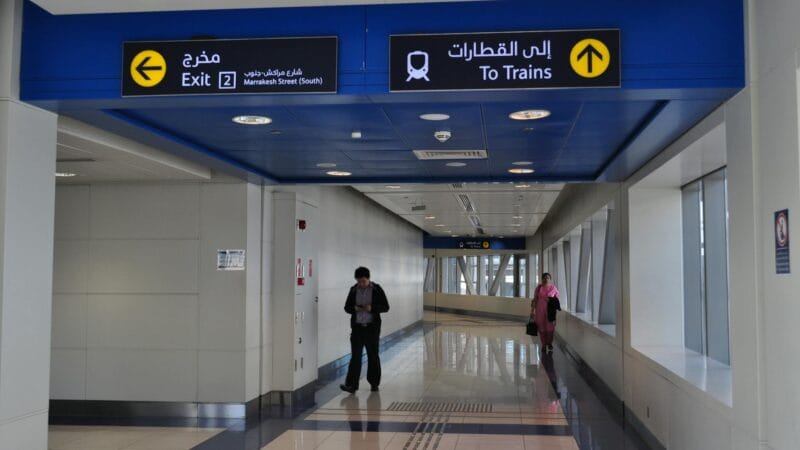
Here is the contradiction that greets every first-time visitor to Dubai: this is a city built for cars—a sprawling, highway-laced metropolis where Lamborghinis idle next to Land Cruisers in six-lane traffic—yet it operates one of the most efficient, affordable, and beautifully designed metro systems on earth. The Dubai Metro, which celebrated its 15th anniversary in 2024, carries hundreds of millions of passengers annually through stations that look like they belong in a science fiction film, at fares so low they would make London and New York commuters weep with envy. And in 2026, with new extensions, improved connections, and enhanced services, the system has never been more essential for both tourists and residents.
But here is the part that guidebooks rarely explain honestly: the Dubai Metro is simultaneously extraordinarily useful and somewhat limited. It covers the city’s main spine brilliantly but leaves vast areas—including some of the most popular tourist and residential districts—requiring additional transport connections. Knowing how to use the metro effectively means understanding not just the routes and stations, but when to use it, when to combine it with other transport, and how to avoid the mistakes that cost tourists unnecessary time and money every day.
This is that guide. Every station listed, every fare explained, every connection mapped, and every tip tested by people who actually live here and use the system daily.

Dubai Metro Overview: The System at a Glance
The Dubai Metro consists of two main lines—the Red Line and the Green Line—plus connections to the Dubai Tram and the Palm Jumeirah Monorail. Here are the essential numbers for 2026:
- Total length: Approximately 90 kilometers (Red Line: 52.1 km, Green Line: 22.5 km, plus extensions)
- Total stations: 53 (Red Line: 35 stations, Green Line: 18 stations, with 2 interchange stations)
- Daily ridership: Approximately 700,000-800,000 passengers on peak days
- Annual ridership: Over 250 million passengers
- Train type: Driverless, fully automated (Kinki Sharyo trains)
- Speed: Maximum 110 km/h, average commercial speed approximately 45 km/h
- Classes: Gold Class, Women & Children cabin, Standard Class
- Payment: Nol card, contactless bank cards, Apple Pay, Google Pay
The system operates above ground for most of its length, offering spectacular views of Dubai’s skyline—one of the few metro systems in the world where the journey itself is a tourist attraction.
The Red Line: Dubai’s Main Artery
The Red Line is the backbone of the Dubai Metro system and the line most tourists and residents will use. Running roughly northeast to southwest, it connects the airport to the city center, Downtown Dubai, the financial district, and extends all the way to the Expo 2020/Dubai South area and Jebel Ali.
Complete Red Line Stations (Northeast to Southwest)
Here is every station on the Red Line as of 2026, with key landmarks and connections:
- Centrepoint (Rashidiya) — Eastern terminus. Bus connections to Sharjah. Park-and-ride facility.
- Emirates — Residential area, connections to Mirdif City Centre.
- Terminal 3 (Airport) — Direct connection to Dubai International Airport Terminal 3 (Emirates hub). Underground station.
- Terminal 1 (Airport) — Direct connection to Dubai International Airport Terminal 1 (international airlines). Underground station.
- GGICO (Gulf General Investment Company) — Deira business district area.
- Deira City Centre — Deira City Centre Mall, popular shopping area for budget travelers.
- Al Rigga — Deira hotel district, budget accommodation hub. Walking distance to Gold Souk area.
- Union — INTERCHANGE STATION (Red-Green Line). Major bus terminal. Heart of old Deira. Gold Souk, Spice Souk nearby.
- BurJuman — INTERCHANGE STATION (Red-Green Line). BurJuman Centre mall. Bur Dubai area.
- Al Fahidi — Al Fahidi Historical Neighbourhood (Bastakiya). Dubai Museum. Textile Souk. Cultural heart of old Dubai.
- Sharaf DG — Meena Bazaar area. Electronics and textile shopping.
- Al Jafiliya — Residential area. Connections to Zabeel Park area.
- World Trade Centre — Dubai World Trade Centre exhibition and convention venue. Sheikh Zayed Road business corridor begins.
- Emirates Towers — Emirates Towers complex. DIFC (Dubai International Financial Centre) accessible via walkway.
- Financial Centre — Gate Village, DIFC main entrance. High-end dining and art galleries. Walking distance to City Walk.
- Burj Khalifa/Dubai Mall — The most popular tourist station. Connected to The Dubai Mall and Burj Khalifa via 10-15 minute covered walkway. Dubai Fountain access.
- Business Bay — Business Bay district. Hotels, offices, and the rapidly developing Dubai Canal area.
- Noor Bank (Al Quoz) — Al Quoz industrial and arts district. Alserkal Avenue art galleries accessible by taxi/bus.
- First Abu Dhabi Bank — Residential area along Sheikh Zayed Road.
- Mall of the Emirates — Mall of the Emirates (home of Ski Dubai). Major shopping and entertainment destination. Kempinski Hotel connected.
- Mashreq — Residential area between Mall of the Emirates and Dubai Marina.
- Dubai Internet City — Dubai Internet City and Media City free zones. Major tech and media company offices.
- Sobha Realty (Al Sufouh) — Knowledge Village area.
- DMCC (Jumeirah Lakes Towers) — TRAM INTERCHANGE. Connection to Dubai Tram for JBR Beach, Bluewaters Island (Ain Dubai), The Walk JBR. DMCC free zone offices.
- Jabal Omar (Dubai Marina) — Dubai Marina area. Walking distance to Marina Walk and Marina Mall. Tram connection alternative.
- Damac Properties (Jumeirah Lake Towers) — JLT cluster area. Budget-friendly hotels and dining.
- Nakheel — Between JLT and Ibn Battuta areas.
- Ibn Battuta — Ibn Battuta Mall (themed around explorer Ibn Battuta’s travels). One of Dubai’s most unique malls.
- Energy — Energy sector companies area. Jebel Ali industrial zone proximity.
- Danube — Jebel Ali area.
- Discovery Gardens — Affordable residential community.
- Al Furjan — Residential area, newer developments.
- Jumeirah Golf Estates — Premium residential community and golf club.
- UAE Exchange (Route 2020) — Connection to the Route 2020 extension serving the Expo site.
- Expo 2020 / Dubai Exhibition Centre — The Expo 2020 site, now Dubai Exhibition Centre, District 2020, and the Museum of the Future Al Wasl Plaza.
The Green Line: Old Dubai and the Creek
The Green Line serves the older, more culturally rich parts of Dubai—Deira and Bur Dubai—areas that many tourists prioritize for their authentic markets, historic architecture, and diverse dining scene. While shorter than the Red Line, the Green Line is essential for exploring Dubai’s heritage side.
Complete Green Line Stations
- Etisalat (Creek) — Eastern terminus near Festival City area. Dubai Festival City Mall accessible by bus/taxi.
- Creek — Dubai Creek area. Dhow cruise access point.
- Healthcare City — Dubai Healthcare City free zone. Wafi Mall nearby.
- Oud Metha — Lamcy Plaza area. American Hospital nearby.
- Dubai Healthcare City (Phase 2) — Extended healthcare district services.
- Al Jadaf — Jadaf waterfront area. Culture Village development. Mohammed Bin Rashid Library.
- Creek — Creek area connections.
- Abu Baker Al Siddique — Deira business and residential area.
- Salah Al Din — Salah Al Din Road commercial area.
- Union — INTERCHANGE STATION (Red-Green Line). Major bus hub.
- Baniyas Square — Deira commercial center. Close to traditional souks.
- Palm Deira — Northern Deira area.
- Al Ras — Closest station to the Gold Souk and Spice Souk. Traditional abra (water taxi) crossing to Bur Dubai.
- Al Ghubaiba — Traditional abra station. Bur Dubai Souk. Textile trading area.
- BurJuman — INTERCHANGE STATION (Red-Green Line). BurJuman Centre mall.
- Al Fahidi — See Red Line description above.
- Al Jafiliya — See Red Line description above.
- Creek (Jaddaf) — Near the Creek area, connecting to waterfront developments.
Fares and Nol Card: Everything About Payment
Dubai Metro uses the Nol card system, an integrated fare card that works across metro, tram, buses, water buses, and some taxis. Understanding the fare system will save you significant money during your stay.
Zone System
Dubai’s public transport network is divided into fare zones. Metro fares are calculated based on how many zones you travel through:
- Within one zone (T1): Short trips within a single zone
- Two zones (T2): Crossing one zone boundary
- All zones (T3): Crossing two or more zone boundaries
Fare Table (2026 Prices in AED)
| Card Type | One Zone | Two Zones | All Zones | Daily Cap |
|---|---|---|---|---|
| Silver Nol | 4.00 | 6.00 | 8.50 | 22.00 |
| Gold Nol | 8.00 | 12.00 | 17.00 | 44.00 |
| Red Nol Ticket | 6.00 | 8.00 | 8.50 | N/A |
| Blue Nol (Personal) | 4.00 | 6.00 | 8.50 | 22.00 |
Nol Card Types Explained
Red Nol Ticket: Disposable paper ticket for occasional travelers. Can be loaded with up to 10 trips or a day pass. No refund on unused credit. Best for tourists staying 1-2 days who will make only a few metro trips.
Silver Nol Card (Recommended for Most Visitors): Reusable plastic card costing AED 25 (includes AED 19 travel credit). Can be topped up at stations, online, or via the RTA app. Works on all public transport. Valid for 5 years. This is the best option for most tourists and short-term visitors.
Gold Nol Card: Same as Silver but allows access to Gold Class cabins. Costs AED 25 (includes AED 19 credit). Worth considering for first-time visitors who want the Gold Class experience, especially for the front-window views.
Blue Nol Card (Personal): Personalized card with photo, available from RTA offices. Offers auto-top-up and can be linked to a bank account. Best for residents. Can also be used for concession fares (students, seniors, people of determination).
Contactless Payment
As of 2026, Dubai Metro gates accept contactless bank cards (Visa, Mastercard) and mobile payment (Apple Pay, Google Pay, Samsung Pay). Fares charged are equivalent to Silver Nol card rates. This is extremely convenient for tourists who do not want to purchase a Nol card, though a Nol card still offers the daily fare cap protection. For current fare information, visit Dubai RTA’s official website.
Operating Hours and Frequency
Dubai Metro operating hours vary by day, reflecting the UAE’s work week (Monday-Friday) and the cultural significance of Friday:
| Day | First Train | Last Train | Peak Frequency | Off-Peak Frequency |
|---|---|---|---|---|
| Saturday-Wednesday | 5:00 AM | 12:00 AM (midnight) | 3-4 minutes | 7-8 minutes |
| Thursday | 5:00 AM | 1:00 AM | 3-4 minutes | 7-8 minutes |
| Friday | 10:00 AM | 1:00 AM | 3-4 minutes | 7-8 minutes |
Important note for Friday travelers: The late opening on Friday (10:00 AM instead of 5:00 AM) catches many tourists off guard. If you have an early Friday flight or appointment, plan for taxi or ride-hailing service. The late start accommodates Friday prayers, the most important prayer of the week in Islam.
Peak hours: Generally 6:00-10:00 AM and 4:00-8:00 PM, Saturday through Thursday. Trains can be very crowded during these periods, particularly between Union and Burj Khalifa/Dubai Mall stations. If you are a tourist, consider traveling outside these hours for a more comfortable experience.
Ramadan hours: During the holy month of Ramadan, operating hours may be adjusted, with extended late-night service (as Ramadan nightlife is active) and potentially shortened daytime service. Check the RTA app or website for current Ramadan schedules.
Connections: Dubai Tram, Palm Monorail, and Buses
The Dubai Metro does not cover the entire city—far from it. Understanding the connecting transport systems is essential for getting to many popular destinations.
Dubai Tram
The Dubai Tram operates a 14.5-kilometer loop through Dubai Marina, JBR (Jumeirah Beach Residence), and the Knowledge Village/Internet City area. It connects to the Red Line at two stations:
- DMCC Metro Station → Jumeirah Lakes Towers Tram Station
- Sobha Realty / Dubai Internet City Metro Station area → nearby Tram stops
The Tram is the best way to reach:
- JBR Beach and The Walk JBR
- Bluewaters Island and Ain Dubai (the world’s largest observation wheel)
- Dubai Marina promenade and restaurants
- Palm Jumeirah Monorail (see below)
Tram fares use the same Nol card system. A single tram journey costs AED 4 (Silver) within one zone. Trams run every 8-12 minutes.
Palm Jumeirah Monorail
The Palm Jumeirah Monorail connects the Palm Jumeirah trunk to Atlantis The Royal and Atlantis The Palm resort at the crescent. It connects to the Dubai Tram at Palm Jumeirah station.
- Route: Gateway Station (trunk) → Al Ittihad Park → Nakheel Mall → Atlantis Aquaventure
- Fare: AED 20-30 (separate from Nol system in some configurations; check current pricing)
- Frequency: Every 15-20 minutes
- Journey time: Approximately 10-15 minutes end-to-end
The Monorail ride itself offers stunning views of the Palm Jumeirah island and is worth taking even if you are not visiting Atlantis.
RTA Bus Network
Dubai’s bus network connects metro stations to areas not served by rail. Key bus routes for tourists:
- From Mall of the Emirates station: Buses to Jumeirah Beach, Kite Beach, Jumeirah Mosque
- From Burj Khalifa/Dubai Mall station: Buses to City Walk, La Mer Beach
- From Union station: Buses across Deira and to Sharjah
Buses use the Nol card system. Air-conditioned bus shelters are available at most stops—essential in Dubai’s summer heat.
Metro Etiquette and Rules: What You Need to Know
Dubai Metro enforces rules more strictly than most metro systems worldwide. Understanding these rules will help you avoid fines (which are substantial) and ensure a pleasant journey.
Strictly Enforced Rules
- No eating or drinking: This includes water, gum, and candy. Fine: AED 200. This is the most commonly violated rule by tourists.
- No sleeping: Fine: AED 350. Inspectors do enforce this, though typically with a warning for first-time offenders.
- No sitting in wrong class: Sitting in Gold Class without a Gold ticket, or in the Women & Children cabin (men), incurs fines. Fine: AED 200.
- Nol card violations: Traveling without sufficient credit or failing to tap in/out. Fine: AED 200.
- No loud music/phone calls on speaker: Use headphones. This is both a rule and a social expectation.
Cultural Considerations
- Women & Children cabin: The cabin closest to the front (after Gold Class) is reserved for women and children. Men entering this cabin will be fined. The signage is clear, but tourists sometimes miss it.
- Priority seating: Designated seats for elderly, pregnant women, and people of determination (people with disabilities) are marked in all cabins. These are taken seriously.
- Dress code: While Dubai is generally tolerant, extremely revealing clothing may attract attention or comments. Standard tourist attire is perfectly fine.
- Photography: Photography is permitted in stations and on trains for personal use, but avoid photographing people without consent, particularly women in traditional dress.
Tourist Strategy: Using the Metro to See Dubai’s Top Attractions
Here is how to use the metro system to visit Dubai’s most popular tourist destinations, organized as practical itineraries. For official tourist information, visit Visit Dubai’s official website.
Itinerary 1: Classic Dubai (One Day)
- Morning — Old Dubai: Take the Green Line to Al Ras station. Walk to the Gold Souk and Spice Souk. Take a traditional abra (water taxi, AED 1) across the Creek to Bur Dubai side. Visit Al Fahidi Historical Neighbourhood and Dubai Museum.
- Midday — Downtown: Take the Red Line from Al Fahidi to Burj Khalifa/Dubai Mall station. Walk the covered walkway to The Dubai Mall. Visit At The Top observation deck (book online in advance). Lunch at the mall’s restaurants.
- Afternoon: Explore The Dubai Mall (aquarium, ice rink, shopping). Watch the Dubai Fountain show (every 30 minutes from 6:00 PM, also 1:00 PM and 1:30 PM shows).
- Evening — Marina: Take the Red Line to DMCC station, transfer to Dubai Tram, ride to JBR. Walk The Walk JBR, dinner at a beachfront restaurant. View Ain Dubai (Bluewaters Island).
Itinerary 2: Shopping and Entertainment
- Morning: Mall of the Emirates (Red Line, Mall of the Emirates station). Visit Ski Dubai if interested (book online).
- Afternoon: The Dubai Mall (Red Line, Burj Khalifa/Dubai Mall station). VR Park, Aquarium, shopping.
- Evening: Ibn Battuta Mall (Red Line, Ibn Battuta station) — the themed architecture is worth seeing even if you do not shop.
Itinerary 3: Beach and Leisure
- Morning: Red Line to DMCC, transfer to Tram, ride to JBR Beach. Spend the morning at the beach.
- Afternoon: Tram to Palm Jumeirah Monorail. Ride to Atlantis. Visit Aquaventure Waterpark.
- Evening: Return via Monorail and Tram. Dinner at Dubai Marina (Tram stop: Dubai Marina).
Places NOT Easily Accessible by Metro
Honesty requires acknowledging that several major Dubai attractions are not well-served by the metro. For these, you will need taxis, ride-hailing (Careem or Uber), or tour buses:
- Jumeirah Beach / Kite Beach / La Mer: The Jumeirah coastal strip has no direct metro access. Bus connections from Mall of the Emirates or Burj Khalifa/Dubai Mall stations, or take a taxi (AED 20-40 from central metro stations).
- Jumeirah Mosque: No nearby metro station. Taxi recommended.
- Dubai Frame: Near Al Jafiliya station but requires a 15-20 minute walk through Zabeel Park.
- Global Village: No metro access. Dedicated bus services operate during the season (November-April).
- Dubai Miracle Garden: No metro access. Taxi or dedicated bus service required.
- Desert Safari meeting points: Typically in southern Dubai. Tour operators usually provide hotel pickup.
- Al Marmoom / Hatta: Far outside metro coverage. Requires car.
- Museum of the Future: Near Emirates Towers station on the Red Line — actually one of the few attractions with excellent metro access.
Tips for Using Dubai Metro Like a Local
After years of using the system, here are the insider tips that separate confident metro users from confused tourists:
Smart Card Strategy
- Buy a Silver Nol card immediately at the airport: Available at the airport metro stations. Load AED 50-100 for a week-long stay. This works on metro, tram, buses, and water buses.
- Use the daily cap to your advantage: With a Silver Nol card, you will never pay more than AED 22/day regardless of how many trips you make. If you plan to use the metro 3+ times in a day, the daily cap effectively makes additional trips free.
- Keep your card accessible: You must tap in AND tap out. Forgetting to tap out charges the maximum fare.
- Try Gold Class at least once: The front window of the Gold Class cabin offers a driver’s-eye view of the tracks ahead — a unique experience on a driverless train.
Timing Tips
- Avoid the 5:00-6:30 PM rush: Trains between DMCC and Burj Khalifa/Dubai Mall are extremely crowded during this period. If you are heading from the Marina to Downtown, leave before 4:30 PM or after 7:00 PM.
- Friday morning alternatives: Remember the metro does not start until 10:00 AM on Friday. For early Friday plans, use taxis or Careem.
- Last train planning: If you are out late, remember that the last train varies by day. Missing the last train means a taxi, which can be expensive from distant locations like Dubai Marina to Deira (AED 80-120).
Navigation Tips
- Use the RTA app (S’hail): The official RTA journey planning app provides real-time train information, route planning, and fare estimates. Essential for combining metro, tram, and bus connections.
- Know the interchange stations: Union and BurJuman are the only Red-Green Line interchanges. If you need to switch lines, plan your route through one of these stations.
- The Burj Khalifa/Dubai Mall walkway is long: Budget 10-15 minutes for the covered walkway from the metro station to the mall entrance. It is air-conditioned and has travelators, but it is longer than expected.
- Station names change: Dubai Metro stations are frequently renamed after corporate sponsors. Use landmark names (“the station near Dubai Mall”) rather than sponsor names when asking for directions.
Dubai Metro for Residents: Commuting Strategies
For Dubai residents using the metro for daily commuting, here are strategies that make the experience more efficient:
Living Near Metro: Property Considerations
Properties within 500 meters of a metro station command a 5-15% rental premium in Dubai, but for car-free or single-car households, the savings on vehicle costs (insurance, fuel, Salik tolls, parking) often more than offset the premium. The most metro-friendly residential areas include:
- Dubai Marina / JLT: Excellent Red Line access plus Tram connections
- Business Bay: Red Line station with growing residential stock
- Bur Dubai / Al Fahidi: Green Line access to affordable housing with cultural character
- Discovery Gardens / Al Furjan: Budget housing with Red Line access
Cost Comparison: Metro vs. Car
For a typical Dubai commuter making a round-trip daily commute:
- Metro (Silver Nol, two zones each way): AED 12/day, capped at AED 22/day = approximately AED 264-480/month
- Car ownership: Fuel (AED 400-600) + insurance (AED 200-400) + parking (AED 300-600) + Salik tolls (AED 200-400) + maintenance (AED 200) = AED 1,300-2,200/month
For residents who can structure their lives around metro routes, the annual savings can exceed AED 15,000-20,000—significant money that can go toward rent, travel, or savings.
Future Expansions: What Is Coming
Dubai’s metro system continues to expand, with several projects in various stages of planning and development:
Blue Line (Announced)
The proposed Blue Line would create a third metro line running from Dubai International Airport through Business Bay, connecting to Dubai Harbour and potentially extending to the Al Maktoum International Airport area. This would significantly improve connectivity to waterfront areas currently underserved by metro. The timeline for the Blue Line has not been finalized as of 2026, but studies and preliminary design work are underway.
Red Line Extensions
Potential extensions to the Red Line include further southward expansion toward the Al Maktoum International Airport and northward connections toward Sharjah, which would be transformative for the estimated 300,000+ daily commuters between the two emirates.
Green Line Extension
A Green Line extension to Academic City and International City has been discussed, which would serve large residential communities currently dependent on bus connections.
For updates on metro expansion projects, monitor the RTA official website.
Accessibility Features
Dubai Metro is one of the most accessible metro systems in the world, designed from the ground up for universal access:
- Elevators and ramps: All stations have elevators and ramps for wheelchair access
- Tactile paving: Tactile guide paths throughout all stations for visually impaired passengers
- Audio and visual announcements: Station names and safety information announced in Arabic and English
- Wheelchair spaces: Dedicated wheelchair spaces in all train cabins
- Priority seating: Clearly marked priority seats near doors
- Assistance service: RTA provides assistance for passengers with disabilities — call 8009090 to arrange
People of determination (the UAE’s preferred term for people with disabilities) travel free on Dubai Metro and all RTA public transport with a Blue Nol card.
Summer Survival Guide: Using Metro in Dubai’s Heat
Dubai’s summer temperatures (June-September) regularly exceed 45°C with extreme humidity. The metro becomes not just convenient but essential during these months. Here are summer-specific tips:
- Minimize outdoor walking: The walk from metro stations to attractions can be brutal in summer. Use covered walkways where available (Burj Khalifa/Dubai Mall, Mall of the Emirates). For uncovered walks, carry water (but remember, no drinking on the train).
- Air conditioning strategy: Dubai Metro stations and trains are heavily air-conditioned (sometimes to the point of being cold). If you are coming from the summer heat outside, the temperature difference can be shocking. A light layer can be useful.
- Hydration: Drink water before entering the station and after exiting. You cannot drink on the train or in the station.
- Peak time in summer: Summer changes commuting patterns. Evening rush hour may shift later (6:00-9:00 PM) as people avoid the afternoon heat.
Quick Reference: Essential Metro Information
Save this section for quick access during your trip:
- Emergency number: 999 (police), 998 (ambulance)
- RTA customer service: 8009090 (toll-free within UAE)
- Lost and found: Contact any station staff or call 8009090
- RTA journey planner app: S’hail (available on iOS and Android)
- WiFi: Free on all trains and stations
- Mobile charging: USB ports available in newer train cabins
- Luggage: Allowed on metro (no size restriction stated, but large luggage can be cumbersome during peak hours)
- Bicycles: Foldable bicycles allowed; regular bicycles not permitted
- Pets: Not allowed (service animals excepted)
The Dubai Metro is more than a transport system—it is the most democratic space in a city known for its extremes. In Gold Class, executives ride alongside tourists. In Standard Class, laborers heading home share space with families heading to the mall. It is the one place in Dubai where everyone, regardless of income or nationality, shares the same efficient, clean, air-conditioned journey. Use it wisely, and it will transform your Dubai experience.