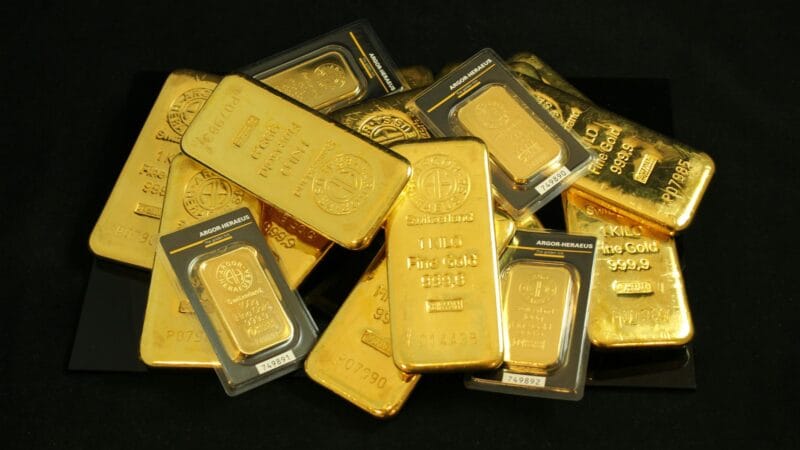
Central banks worldwide are continuing their unprecedented gold accumulation strategy in 2026, with 43% of monetary authorities actively increasing their precious metal reserves as gold prices reach $150.26/gram ($4,674/oz). This sustained buying pattern reflects growing concerns about currency stability and geopolitical tensions that have reshaped global monetary policy.
Strategic Reserve Diversification Drives Demand
The persistent appetite for gold among central banks stems from multiple converging factors. Primary among these is the ongoing need to diversify away from traditional reserve currencies amid heightened geopolitical risks. Financial institutions are increasingly viewing gold as a hedge against potential currency devaluations and systemic financial risks.
According to recent surveys, central banks cite inflation protection, portfolio diversification, and crisis preparedness as their top motivations for gold purchases. The metal’s performance during periods of market volatility has reinforced its appeal as a safe-haven asset for institutional investors managing national reserves.

Regional Patterns in Gold Accumulation
Emerging market central banks continue to lead the gold buying surge, with institutions in Asia and the Middle East representing the largest share of new purchases. These banks are particularly focused on reducing their dependence on dollar-denominated assets while building more resilient reserve portfolios.
Reuters reports that several major central banks have announced significant increases to their gold allocation targets, suggesting this trend will persist throughout 2026. The buying patterns indicate a structural shift in how monetary authorities view gold’s role in modern reserve management.
Market Implications and Price Dynamics
The sustained institutional demand has contributed to gold’s strong price performance, with the precious metal maintaining elevated levels above $150/gram. This institutional buying provides a fundamental support level for gold prices, even during periods when retail and speculative demand fluctuates.
Oil markets are also experiencing significant institutional attention, with Brent crude trading at $107.73/barrel and WTI crude at $106.22/barrel. The correlation between commodity prices and central bank diversification strategies reflects broader concerns about traditional financial asset valuations.
Long-term Strategic Considerations
Central banks’ gold strategies extend beyond short-term market movements. Many institutions are implementing multi-year accumulation programs designed to gradually increase gold’s percentage of their total reserves. This methodical approach suggests that central bank demand will remain a persistent feature of the gold market.
The trend also reflects lessons learned from recent financial crises, where gold proved its value as a crisis asset. Financial Times analysis indicates that central banks view gold holdings as essential for maintaining monetary sovereignty and financial stability during uncertain times.
Looking ahead, the combination of persistent central bank buying, geopolitical tensions, and inflation concerns suggests that institutional demand for gold will remain robust. This creates a supportive environment for gold prices and reinforces the metal’s role as a cornerstone of modern central banking strategy.
Related Articles
- Gold Hits $150/Gram: Safe Haven Demand Surges Today
- Gold & Oil Prices Today April 2, 2026: Gold at $150.26/gram, Brent at $107.73/barrel
- Middle East Countries 2026: Complete List with Map, Populations & Key Facts
- Top Arab Influencers 2026: Highest Earners, Followers & Brand Deals in the Middle East
- Dubai Real Estate Market 2026: War Impact, Bond Crisis & Investment Opportunities — Complete Guide