Last Updated: April 1, 2026 | Brent: $105.27/bbl | WTI: $102.92/bbl
Oil prices have defined 2026. Brent crude surged from $76 in January to a peak of $115 in late March — a 51% rally driven by the Iran war, the Strait of Hormuz crisis, and the largest energy supply disruption in modern history. This page tracks live oil prices with daily analysis, weekly forecasts, and the key events moving crude markets.
Oil Prices Today: April 1, 2026
| Benchmark | Price | Daily Change | Monthly Change | YTD Change |
|---|---|---|---|---|
| Brent Crude | $105.27 | -1.2% | +38% | +39% |
| WTI Crude | $102.92 | -0.8% | +35% | +43% |
| Brent-WTI Spread | $2.35 | — | Narrowing from $12 | — |
What’s Driving Oil Prices Right Now
The Hormuz Crisis: 90-95% Traffic Collapse
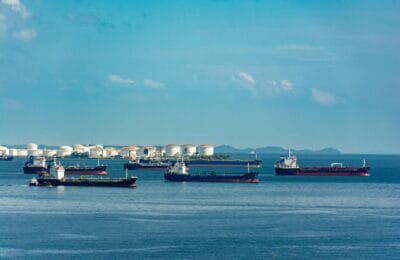
The Strait of Hormuz — through which 20% of global oil transits daily — has seen shipping traffic collapse by 90-95% since the Iran war began on February 27. An estimated 2,000 vessels are stranded on either side of the waterway. Iran’s IRGC has established a “toll booth” system, charging tankers up to $2 million per crossing in Chinese yuan for escorted passage through Iranian waters.

Pakistan secured a limited deal for 20 ships to transit, but this represents a trickle compared to pre-war volumes. Until Hormuz reopens fully, the supply disruption will keep a $15-25 risk premium embedded in oil prices.
OPEC+ April 5 Meeting: The Next Big Catalyst
OPEC+ meets on April 5 to decide production policy. The cartel agreed on March 1 to begin adding 206,000 b/d in April — a modest increase given the crisis. Key questions:
- Will Saudi Arabia increase production further to calm markets?
- How will members respond to the Hormuz disruption reducing actual exports?
- Will non-OPEC producers (US shale, Brazil, Guyana) fill the gap?
Iran War: Month Two and No End in Sight
The US-Israel military campaign against Iran entered its second month with no ceasefire timeline. Trump’s March peace proposals were rejected. The war has already caused the largest oil supply disruption since the 1973 Arab oil embargo, with Gulf producers forced to cut production by at least 10 mb/d according to IEA estimates.
Oil Price Forecast: April Through Q3 2026
| Period | Brent Range | WTI Range | Key Driver |
|---|---|---|---|
| April 2026 | $95–$120 | $90–$115 | OPEC+ April 5 decision, Hormuz status |
| May 2026 | $90–$115 | $85–$110 | Summer driving season, Iran talks |
| June 2026 | $85–$110 | $80–$105 | Q2 demand data, SPR releases |
| Q3 2026 | $75–$100 | $70–$95 | Potential ceasefire, demand normalization |
Sources: JPMorgan, EIA, Goldman Sachs, IEA March 2026 Oil Market Report
Analyst Forecasts
JPMorgan: Expects Brent to average $110 in March-April, declining to below $80 by Q3 if Hormuz reopens.
Goldman Sachs: Sharply raised forecasts, expecting Brent to average $110 through April with war premium intact.
EIA: Forecasts Brent above $95 through Q2, falling to $70-80 range by year-end as supply normalizes.
IEA: Sees implied oversupply of 3.8 million b/d in 2026 once disruptions end — bearish for H2 prices.
March 2026 in Review: A Record Month for Oil
March 2026 was the most volatile month for oil since 2008:
- Brent rose 36% from February 27 to March 27 (hitting $113)
- Dubai crude surged 76% to $126 — the physical delivery premium reflecting actual supply tightness
- The Brent-WTI spread blew out to $12.51 (triple the historical average) before narrowing
- US gasoline prices jumped to $4.50+/gallon, impacting consumer sentiment
Impact on GCC Economies
High oil prices are a double-edged sword for Gulf states:
Positive: Saudi Arabia, UAE, Kuwait, and Qatar see windfall revenues. Saudi Arabia’s fiscal breakeven is around $80/bbl — every dollar above that adds billions to government coffers. This funds Vision 2030 projects and sovereign wealth fund investments.
Negative: The Hormuz crisis physically prevents Gulf producers from exporting at full capacity. Iraq and Kuwait have begun shutting in production. Dubai real estate faces uncertainty as investor confidence wobbles.
How to Track Oil Prices
Use our live market ticker at the top of every page on The Middle East Insider for real-time Brent and WTI prices. For deeper analysis, follow our weekly oil market updates every Monday.
Frequently Asked Questions
What is the oil price today?
As of April 1, 2026, Brent crude is at $105.27 per barrel and WTI crude is at $102.92 per barrel. Prices remain elevated due to the ongoing Strait of Hormuz crisis and Iran war.
Why are oil prices so high in 2026?
The Iran war (starting February 27, 2026) disrupted the Strait of Hormuz, through which 20% of global oil transits. Shipping traffic dropped 90-95%, creating the largest supply disruption since the 1973 oil embargo. OPEC+ production cuts add to supply tightness.
Will oil prices go down in 2026?
Most analysts expect oil to decline in H2 2026 if the Hormuz crisis eases. JPMorgan forecasts Brent falling below $80 by Q3. The EIA projects a $70-80 range by year-end. However, if the war escalates, prices could spike above $120.
What is the OPEC+ decision for April 2026?
OPEC+ meets on April 5, 2026. In March, they agreed to add 206,000 b/d. The April meeting will address whether to increase further given high prices, while balancing that Hormuz disruptions are already limiting actual export volumes.
How does the Iran war affect gas prices?
US gasoline prices exceeded $4.50/gallon in March 2026, up from $3.20 in February. The war-driven oil spike feeds directly into pump prices. Goldman Sachs estimates every $10/bbl increase in crude adds roughly $0.25/gallon at the pump.