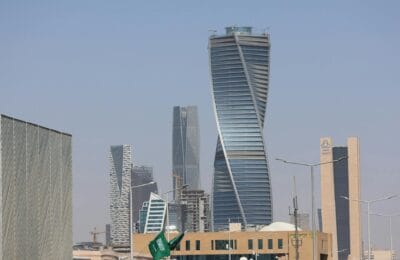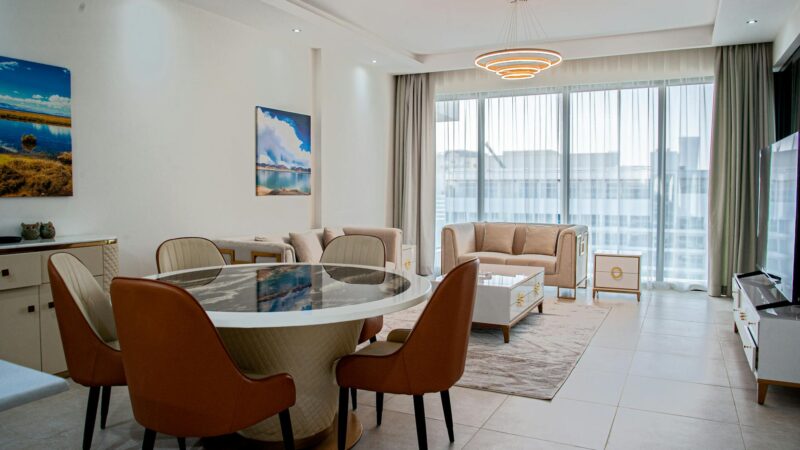
Riyadh has changed more in the past five years than in the previous thirty. What was once a conservative, car-dependent capital with limited entertainment options has become one of the fastest-transforming cities in the world — driven by Saudi Arabia’s Vision 2030 agenda and a deliberate push to attract foreign talent, investment, and tourism.
For expats considering a move, the cost equation is straightforward: Riyadh offers a substantially lower cost of living than Dubai or Abu Dhabi while increasingly matching those cities in terms of lifestyle, infrastructure, and professional opportunity. The trade-offs have shrunk considerably. Housing is cheaper, groceries are cheaper, and the absence of personal income tax means your take-home pay is your full salary.
That said, Riyadh is a city still in transition. Some costs — particularly private education and healthcare — can be high, and the lifestyle options, while rapidly expanding, still lag behind Dubai in certain areas. This guide breaks down every major expense category with current 2026 pricing so you can plan accurately.

For a broader view of the Saudi economy and job market, see our Saudi Arabia Economy Guide.
Housing and Rent
Rent in Riyadh is significantly lower than in Dubai, Doha, or Abu Dhabi, and is the primary reason the city’s overall cost of living is so competitive. The market operates on annual leases (typically paid in 1-4 installments), and there is a wide range of options from budget apartments in older neighborhoods to premium compounds and luxury towers in the newer northern districts.
Average Annual Rent by Area (2026 Estimates)
| Area | Studio/1-Bed (SAR/year) | 2-Bed (SAR/year) | 3-Bed (SAR/year) | Villa/Compound (SAR/year) |
|---|---|---|---|---|
| Olaya (Central Business District) | 25,000-40,000 | 40,000-65,000 | 55,000-85,000 | 90,000-150,000 |
| Al Malqa | 30,000-50,000 | 50,000-75,000 | 70,000-110,000 | 120,000-200,000 |
| Hittin | 35,000-55,000 | 55,000-85,000 | 80,000-130,000 | 140,000-250,000 |
| Diplomatic Quarter (DQ) | 40,000-60,000 | 60,000-90,000 | 85,000-140,000 | 150,000-280,000 |
| Al Nakheel | 28,000-45,000 | 45,000-70,000 | 65,000-100,000 | 110,000-180,000 |
| King Abdullah Financial District (KAFD) | 45,000-70,000 | 70,000-100,000 | 95,000-150,000 | — |
| Al Sahafah | 22,000-35,000 | 35,000-55,000 | 50,000-80,000 | 85,000-130,000 |
| Al Yasmin | 25,000-40,000 | 40,000-60,000 | 55,000-90,000 | 95,000-160,000 |
| Al Rabwah / Al Wurud | 18,000-28,000 | 28,000-45,000 | 40,000-65,000 | 70,000-110,000 |
| Exit 10-15 areas (South) | 14,000-22,000 | 22,000-35,000 | 30,000-50,000 | 55,000-85,000 |
Sources: Bayut Saudi, Aqar, Saudi Realty. Prices vary by building age, condition, and amenities.
Housing Notes
- Compound living is popular with Western expat families. Compounds offer villa-style homes within gated communities with shared pools, gyms, playgrounds, and often a more relaxed social environment. Premium compounds in DQ or Hittin can cost SAR 180,000-280,000 per year for a 3-4 bedroom villa.
- KAFD (King Abdullah Financial District) is Riyadh’s newest premium district, with luxury high-rise apartments and proximity to the new financial center. It commands the highest apartment rents in the city but offers the most modern living experience.
- Northern expansion is the dominant trend. The Al Malqa, Hittin, and Al Nakheel corridor along King Fahd Road represents the most active development zone, with new apartment buildings, retail, and restaurants opening regularly.
Utilities
Saudi Arabia subsidizes electricity and water for residents, keeping utility costs low compared to international standards.
| Utility | Monthly Cost (SAR) |
|---|---|
| Electricity (SEC) — apartment | 200-500 (summer: 400-800) |
| Electricity (SEC) — villa | 500-1,200 (summer: 1,000-2,500) |
| Water (NWC) | 50-150 |
| Internet (fiber, 100-200 Mbps) | 200-350 |
| Mobile plan (postpaid, data-heavy) | 150-300 |
| Total utilities — apartment | 600-1,300 |
| Total utilities — villa | 900-2,000 |
Summer electricity bills can be two to three times higher than winter bills due to air conditioning load. Riyadh summers regularly exceed 45°C, making A/C a non-negotiable expense from May through September.
Groceries and Household Items
Groceries in Riyadh are generally 15-25% cheaper than in Dubai. The city has a full range of supermarkets, from budget options like Panda and Othaim to premium outlets like Danube, Tamimi Markets, and LuLu Hypermarket.
Common Grocery Prices (2026 Estimates)
| Item | Price (SAR) |
|---|---|
| Milk, 1 liter | 5-7 |
| Bread, white loaf | 3-5 |
| Rice, 1 kg (basmati) | 8-15 |
| Chicken breast, 1 kg | 20-30 |
| Beef, 1 kg | 45-65 |
| Eggs, dozen | 10-14 |
| Apples, 1 kg | 8-15 |
| Tomatoes, 1 kg | 4-8 |
| Potatoes, 1 kg | 4-7 |
| Bottled water, 1.5L | 1.5-3 |
| Local cheese, 1 kg | 25-40 |
| Olive oil, 1 liter | 20-35 |
| Coffee (ground), 250g | 20-40 |
Monthly grocery budget: SAR 800-1,200 for a single person, SAR 1,500-2,500 for a couple, SAR 2,500-4,000 for a family of four. These figures assume a mix of local and imported products from mainstream supermarkets.
Dining Out
Riyadh’s restaurant scene has expanded dramatically since 2018, driven by Vision 2030 lifestyle reforms and a surge of international restaurant brands entering the Saudi market. The city now offers everything from budget shawarma joints to high-end fine dining.
| Dining Type | Cost Per Person (SAR) |
|---|---|
| Street food / local restaurant | 15-30 |
| Midrange restaurant | 60-120 |
| Upscale restaurant | 200-400+ |
| Fast food meal (combo) | 25-40 |
| Coffee (café) | 15-25 |
| Takeout/delivery for two | 60-100 |
Note: Saudi Arabia does not serve alcohol, so dining bills do not include the bar tabs that can inflate costs in Dubai or Bahrain. This alone can make dining out noticeably cheaper. The 15% VAT applies to all restaurant bills.
For context on how these costs fit within Saudi Arabia’s broader economic transformation, see our What Is Vision 2030 guide.
Transportation
Riyadh was historically one of the most car-dependent major cities in the Middle East. That is changing with the Riyadh Metro.
Riyadh Metro
The Riyadh Metro — a six-line, 176-kilometer rapid transit system with 85 stations — is the world’s largest urban metro system built from scratch. After years of construction delays, the system began phased operations in late 2024, with full network operation rolling out through 2025. As of early 2026, most lines are operational, transforming mobility for residents in a city where traffic congestion was one of the biggest quality-of-life complaints.
Single-ride tickets are priced at SAR 4-7 depending on distance, with daily and monthly passes available (monthly pass approximately SAR 140-200).
Car Ownership and Ride-Hailing
Despite the metro, car ownership remains the norm. Fuel costs are among the lowest in the world.
| Transport Cost | Monthly (SAR) |
|---|---|
| Petrol (91 octane), per liter | 2.18 |
| Monthly fuel cost (average driving) | 200-400 |
| Car insurance (annual, comprehensive) | 2,500-6,000 |
| Ride-hailing (Uber/Careem), 10 km trip | 20-35 |
| Monthly parking (office district) | 200-500 |
| Car installment (mid-range sedan) | 1,500-2,500 |
| Total monthly — car owner | 600-1,200 (excl. installment) |
| Total monthly — ride-hailing dependent | 1,500-3,000 |
Taxis and ride-hailing apps (Uber and Careem) are widely available and considerably cheaper than in Dubai.
Healthcare
Saudi Arabia has a two-tier healthcare system: government hospitals (free or heavily subsidized for Saudi nationals and some public-sector expats) and private hospitals (used by most private-sector expats, covered by mandatory employer-provided health insurance).
| Healthcare Cost | Price (SAR) |
|---|---|
| GP consultation (private) | 150-300 |
| Specialist consultation (private) | 250-500 |
| Dental cleaning | 200-400 |
| Health insurance (basic, annual) | 2,000-5,000 |
| Health insurance (comprehensive, annual) | 5,000-15,000 |
| Emergency room visit (private) | 500-2,000 |
Employers are legally required to provide health insurance for employees and their dependents. The quality of private healthcare in Riyadh is generally good, with facilities like Dr. Sulaiman Al Habib, King Faisal Specialist Hospital, and Saudi German Hospital offering international-standard care.
Education
Private education is a significant expense for families. International schools in Riyadh are generally cheaper than their Dubai counterparts but still represent a major budget line.
| School Type | Annual Tuition (SAR) |
|---|---|
| Nursery / pre-school | 10,000-25,000 |
| International school (primary) | 25,000-60,000 |
| International school (secondary) | 40,000-80,000 |
| Premium international school (IB/British) | 60,000-100,000 |
Popular international schools include the American International School of Riyadh (AISR), British International School of Riyadh (BISR), and the International Schools Group (ISG). Waiting lists at top schools can be long, so early application is advised.
Entertainment and Lifestyle
This is where Riyadh has changed the most. Before 2018, the city had virtually no public entertainment infrastructure — no cinemas, no concerts, no mixed-gender public events. The transformation under Vision 2030 has been dramatic:
- Cinemas: AMC, VOX, and Muvi now operate multiple screens across the city. Ticket prices: SAR 50-75 for standard, SAR 100-150 for premium/IMAX.
- Riyadh Season: An annual mega-entertainment festival (October-March) featuring international concerts, sporting events, themed zones, and cultural exhibitions. It has hosted events with global artists and draws millions of visitors.
- Sports: Saudi Pro League football, Formula E, boxing world title fights, WWE events, and golf tournaments are now regular fixtures.
- Fitness: Gym memberships range from SAR 150-400 per month for standard gyms to SAR 500-1,500 for premium fitness clubs.
- Diriyah Gate: A major cultural and lifestyle district being developed at the UNESCO World Heritage site of At-Turaif, expected to include hotels, museums, retail, and dining.
Monthly Budget Tables
Single Professional
| Category | Budget (SAR/month) | Comfortable (SAR/month) | Premium (SAR/month) |
|---|---|---|---|
| Rent | 1,500-2,500 | 3,000-4,500 | 5,000-7,000 |
| Utilities | 400-600 | 500-800 | 700-1,200 |
| Groceries | 600-900 | 900-1,200 | 1,200-1,800 |
| Dining out | 300-600 | 800-1,500 | 1,500-3,000 |
| Transport | 400-700 | 700-1,200 | 1,500-2,500 |
| Entertainment | 200-400 | 500-1,000 | 1,000-2,500 |
| Personal/misc | 300-500 | 500-1,000 | 1,000-2,000 |
| TOTAL | 3,700-6,200 | 6,900-11,200 | 11,900-20,000 |
Couple (No Children)
| Category | Budget (SAR/month) | Comfortable (SAR/month) | Premium (SAR/month) |
|---|---|---|---|
| Rent | 2,500-4,000 | 4,500-7,000 | 7,000-12,000 |
| Utilities | 500-800 | 700-1,000 | 900-1,400 |
| Groceries | 1,000-1,500 | 1,500-2,200 | 2,200-3,500 |
| Dining out | 500-1,000 | 1,200-2,000 | 2,500-4,500 |
| Transport | 500-900 | 900-1,500 | 1,800-3,000 |
| Entertainment | 300-600 | 700-1,500 | 1,500-3,000 |
| Personal/misc | 400-700 | 700-1,200 | 1,200-2,500 |
| TOTAL | 5,700-9,500 | 10,200-16,400 | 17,100-29,900 |
Family of Four (2 School-Age Children)
| Category | Budget (SAR/month) | Comfortable (SAR/month) | Premium (SAR/month) |
|---|---|---|---|
| Rent | 4,000-6,000 | 7,000-11,000 | 12,000-23,000 |
| Utilities | 700-1,000 | 900-1,300 | 1,200-2,000 |
| Groceries | 2,000-3,000 | 3,000-4,000 | 4,000-6,000 |
| Dining out | 600-1,200 | 1,500-2,500 | 3,000-5,000 |
| Transport | 600-1,000 | 1,200-2,000 | 2,000-3,500 |
| Education (2 children) | 4,000-7,000 | 7,000-12,000 | 12,000-17,000 |
| Healthcare (top-up) | 200-500 | 300-700 | 500-1,500 |
| Entertainment | 400-800 | 800-1,500 | 1,500-3,000 |
| Personal/misc | 500-800 | 800-1,500 | 1,500-3,000 |
| TOTAL | 13,000-21,300 | 22,500-36,500 | 37,700-64,000 |
Riyadh vs Dubai vs Other Gulf Cities
| Category | Riyadh (SAR) | Dubai (AED ≈ SAR) | Doha (QAR ≈ SAR) | Muscat (OMR ≈ SAR) |
|---|---|---|---|---|
| 1-bed rent (mid-range area, annual) | 30,000-50,000 | 55,000-85,000 | 40,000-65,000 | 20,000-35,000 |
| Groceries (monthly, single) | 800-1,200 | 1,000-1,500 | 900-1,300 | 700-1,100 |
| Midrange dinner for two | 120-200 | 180-300 | 150-250 | 100-180 |
| Petrol, per liter | 2.18 | 2.94-3.24 | 1.90 | ~0.250 OMR (~2.40) |
| Monthly transport | 600-1,200 | 800-1,500 | 700-1,200 | 500-1,000 |
| Personal income tax | 0% | 0% | 0% | 0% |
| VAT | 15% | 5% | None | None |
| Overall cost index (Dubai = 100) | ~70-75 | 100 | ~80-85 | ~60-65 |
The most important distinction: Riyadh has a 15% VAT rate versus Dubai’s 5%, which affects all consumer spending. However, the lower rent and generally cheaper goods more than compensate for this difference, and Riyadh still comes out ahead on total cost of living.
For a detailed breakdown of Dubai’s costs for comparison, see our Cost of Living in Dubai guide.
Riyadh vs Jeddah: Quick Comparison
Jeddah, Saudi Arabia’s second city and commercial capital of the western region, offers a slightly different cost profile.
- Rent: Jeddah is approximately 10-20% cheaper than Riyadh for equivalent quality housing, particularly outside the premium Corniche and Al Hamra areas.
- Lifestyle: Jeddah has historically been considered more cosmopolitan and relaxed than Riyadh, with a Red Sea coastline that adds beach culture and water sports. The city also has a longer history of restaurants and cultural events.
- Jobs: Riyadh dominates in government, finance, and corporate headquarters. Jeddah is stronger in trade, shipping, logistics, and Hajj/Umrah-related industries.
- Weather: Both are hot, but Jeddah is humid year-round while Riyadh has dry heat with cooler winters (December-February lows of 8-14°C, which is genuinely pleasant).
- Future development: Riyadh is the clear winner in terms of mega-project investment. NEOM, while geographically closer to Jeddah, is a standalone development. Riyadh is receiving the bulk of Vision 2030’s urban development funding, including the Riyadh Metro, Diriyah Gate, King Salman Park, and the New Murabba project.
Tips for Newcomers
1. Negotiate rent. Unlike Dubai, Riyadh landlords are often willing to negotiate, especially for annual upfront payment. A 5-15% discount is achievable in many buildings.
2. Get a car (or use the metro). While the metro is now operational, Riyadh is still largely car-oriented. If your work and home are well-connected by metro lines, you can avoid car ownership. Otherwise, a car remains essential for most residents.
3. Factor in the 15% VAT. This applies to nearly all goods, services, restaurants, and entertainment. It is higher than the UAE’s 5% and affects daily spending noticeably.
4. Use Tamara or Tabby for instalment payments. Buy-now-pay-later services are widely accepted in Saudi Arabia and can help manage large purchases without interest charges.
5. Summers are intense. Plan your budget for electricity bills that may triple between June and September. If possible, schedule annual leave or travel during peak summer months.
6. Riyadh is expanding fast. New neighborhoods, malls, and entertainment venues are opening constantly. Areas that seemed remote two years ago may now be well-connected and desirable. Stay current with development updates.
FAQ
Is Riyadh cheaper than Dubai?
Yes, significantly. Overall cost of living in Riyadh is approximately 20-30% lower than Dubai, primarily driven by much cheaper rent. A lifestyle that costs AED 15,000 per month in Dubai can typically be replicated for SAR 10,000-12,000 in Riyadh. The main offsets are Saudi Arabia’s higher 15% VAT rate (versus Dubai’s 5%) and the fact that some imported goods carry higher prices. However, the rent savings alone usually more than compensate.
Is the Riyadh Metro operational in 2026?
Yes. The Riyadh Metro began phased operations in late 2024, with progressively more lines and stations coming online through 2025. As of early 2026, the system is largely operational across its six lines and 85 stations. It covers major corridors including the north-south spine along King Fahd Road, east-west connections, and links to the airport, KAFD, and Olaya business district. The metro has meaningfully reduced commute times and traffic congestion, though the city remains car-dependent for many trips.
Do expats pay income tax in Saudi Arabia?
No. Saudi Arabia does not levy personal income tax on residents, regardless of nationality. Employees do contribute 2% of their salary to GOSI (General Organization for Social Insurance) for occupational hazard coverage, and employers pay an additional contribution. There is no income tax, capital gains tax, or wealth tax for individuals. The main taxes that affect daily life are 15% VAT on goods and services and excise taxes on tobacco, energy drinks, and sugary beverages.
Is Riyadh safe for expats?
Riyadh is generally considered very safe, with low crime rates compared to most global capitals. Violent crime is extremely rare, and petty theft is uncommon. The main safety concerns for expats are road safety (driving standards, while improving, can be aggressive) and extreme summer heat. The social environment has liberalized significantly since 2018, with women driving, public entertainment, and mixed-gender public spaces now standard. That said, Saudi Arabia retains conservative social norms in many areas, and expats should familiarize themselves with local customs and regulations.
What salary do I need to live comfortably in Riyadh?
A single professional can live comfortably on SAR 10,000-15,000 per month, which covers a good one-bedroom apartment in a desirable area, regular dining out, a car, and entertainment. A couple without children would be comfortable on SAR 15,000-22,000 per month. A family of four with two children in international school would typically need SAR 25,000-40,000 per month for a comfortable lifestyle, with education being the largest variable. These figures are for take-home salary, which in Saudi Arabia is the same as your gross salary due to zero income tax.
This guide is published by The Middle East Insider and reflects available data as of February 2026. Prices are indicative and vary by specific location, lifestyle choices, and exchange rate fluctuations. All SAR figures are approximate and should be verified against current local pricing.