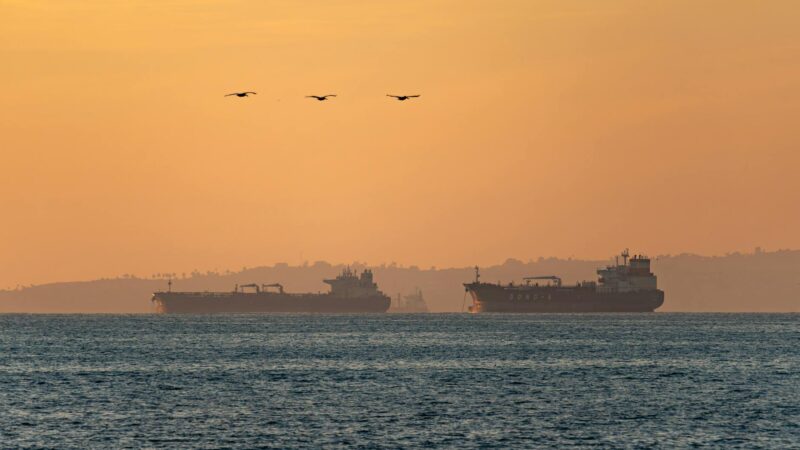
For the first time since 2022, Brent crude has breached the $100 per barrel mark in March 2026, rising approximately 40% since the conflict erupted. The immediate cause is clear: the Strait of Hormuz — which once saw 138 ships transit daily — now handles just 5 ships per day. This is not merely a supply chain disruption; it is a fundamental restructuring of global energy markets.
The Hormuz Blockade in Numbers: From 138 to 5 Ships Daily
The Strait of Hormuz represents the single most critical chokepoint in the global energy market. Before the crisis, approximately 21 million barrels transited daily — equivalent to 21% of global oil consumption. The decline from 138 ships to 5 ships per day means more than 96% of commercial traffic through the strait has effectively ceased.
The reasons are multiple: naval mines, shipping insurance premiums surging to unprecedented levels, and military warnings against navigating the area. Maritime insurers have added war risk premiums reaching 5-7% of cargo value, compared to less than 0.1% before the crisis — an increase of more than 50-fold.

Alternative Shipping Routes: The True Cost of Rerouting
With Hormuz effectively closed, Gulf oil has shifted to overland pipelines and alternative maritime routes:
Saudi East-West Pipeline (Petroline): Maximum capacity of 5 million barrels per day, but it is not currently operating at full capacity. Even at full throughput, it covers only a quarter of what transited through Hormuz. Oil is transported to Yanbu port on the Red Sea, adding days to the shipping journey toward Asia.
Abu Dhabi Pipeline (Habshan-Fujairah): Capacity of 1.5 million barrels per day, reaching Fujairah port outside the strait. But it covers only a portion of UAE exports.
Circumnavigating Africa: The last resort and most expensive option. An oil tanker’s journey from the Gulf to Europe increases from 15 days to 35 days, doubling shipping costs and tying up more tankers en route.
OPEC+ 206,000 bpd Increase: Sufficient or Symbolic?
In a move that surprised some analysts, OPEC+ agreed to increase production by 206,000 barrels per day starting April. But this figure represents less than 1% of the group’s current output, and is insufficient by any measure to compensate for the loss of Hormuz transit.
The decision appears more political than economic — a signal to markets that OPEC+ is prepared to act, without actually committing to pumping volumes large enough to bring down prices. For Saudi Arabia, the UAE, and Kuwait — the largest producers affected by the Hormuz blockade — oil above $100 generates exceptional revenues even with lower export volumes.
Consumer Impact: From Riyadh to Washington
United States
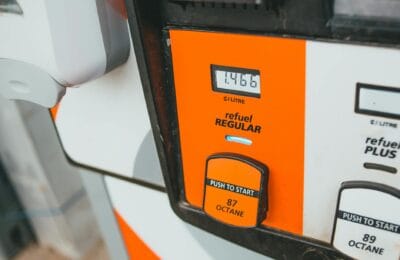
US gasoline prices have risen to $3.60 per gallon, up $0.35 in a single week. According to the IMF, every 10% rise in oil prices adds 0.4% to inflation and subtracts 0.15% from global GDP growth. With a 40% increase since the crisis began, we are looking at 1.6% additional inflation and 0.6% lost global growth.
Gulf Producer States
Paradoxically, Gulf oil-producing states are benefiting financially on a massive scale. Saudi Arabia, as we covered in our economic analysis, is generating a daily surplus exceeding $135 million above its fiscal breakeven price.
Asia — The Largest Importer
China, India, Japan, and South Korea — which depend heavily on Gulf oil — face a genuine energy crisis. Japan, which imports 90% of its oil from the Middle East, is most exposed. Routing around Africa adds $10-15 to the cost per barrel arriving at Asian ports.
4,000+ Daily Flight Cancellations: The Forgotten Dimension
The crisis’s impact extends beyond oil. The cancellation of more than 4,000 flights daily is driving jet fuel prices higher and adding pressure to global kerosene demand. This creates a vicious cycle: higher fuel prices raise air freight costs, which pressure prices of air-transported goods.
Oil Price Scenarios: Where Do We Go From Here?
Continued blockade (base scenario): Brent oscillates between $95-115 with high volatility. Markets gradually adapt to alternative shipping routes, but the risk premium remains elevated.
Military escalation in the strait: Brent could spike to $120-140. This scenario would push major economies to tap strategic reserves and could trigger a global recession.
Diplomatic breakthrough: Brent retreats to $80-90 within weeks as the strait reopens. But the geopolitical risk premium would persist at $5-10 above pre-crisis levels for months.
Conclusion: A New Energy Order Is Forming
What is unfolding in March 2026 goes beyond a temporary price crisis. The Hormuz blockade has exposed the structural fragility of a global energy system excessively dependent on a single maritime corridor. The traffic collapse from 138 to 5 ships daily has pushed Brent up 40% above $100, added 1.6% to global inflation per the IMF formula, and rendered OPEC+’s 206,000 bpd increase a mere symbolic gesture. The winners are clear — producer nations with logistical alternatives. The losers are clearer — oil-importing Asian economies and consumers everywhere. The bigger question: will the world return to depending on Hormuz after this crisis, or has this blockade permanently changed the rules of the game?