As the Iran-Israel conflict enters its third week on March 14, 2026, the military theater is witnessing qualitative shifts while economic repercussions deepen across the region and beyond. Oil markets are trading at historically elevated levels, diplomatic efforts are intensifying without a clear breakthrough, and Gulf states are moving to shield their economies from the fallout of the conflict.
This daily update tracks the most significant developments over the past 24 hours across military, diplomatic, and economic fronts, with analysis of what the coming days may hold.
Military Developments: March 14, 2026
The Iranian Front
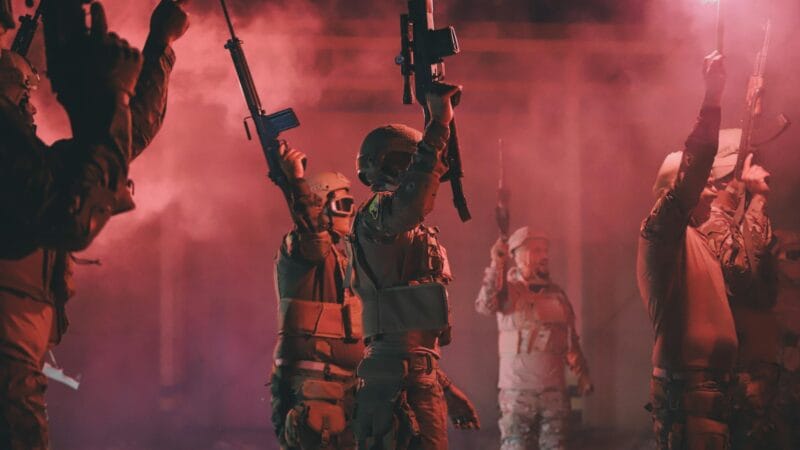
Iran’s Revolutionary Guard Corps announced the launch of a new wave of ballistic missiles toward Israeli targets, describing it as a “proportional response” to ongoing US-Israeli strikes. Unconfirmed reports suggest some missiles targeted installations in the Negev desert and the Dimona area, though Israel’s Iron Dome and American defense systems intercepted the vast majority, according to Israeli sources.
Meanwhile, US and Israeli strikes on multiple Iranian sites continued. Western military sources indicated that total sorties have exceeded 1,200 since operations began, with recent days focusing on nuclear infrastructure and uranium enrichment facilities at Natanz and Fordow.
Secondary Fronts
Escalation has not been limited to the direct Iranian front. In Lebanon, Hezbollah intensified rocket launches at northern Israel, with reports of more than 150 rockets in 24 hours. Houthis in Yemen continued targeting commercial ships in the Red Sea, adding further pressure on global supply chains. Iraq also saw drone attacks on bases hosting US forces.
Diplomatic Efforts: Racing Against Time
UN Security Council Initiative
China and France introduced a joint draft resolution at the UN Security Council calling for an immediate ceasefire. The draft includes provisions for establishing a humanitarian corridor and launching comprehensive negotiations on Iran’s nuclear program. However, diplomatic sources indicate that the United States will exercise its veto against any resolution that does not include clear conditions for Iran’s nuclear disarmament.
Gulf Mediation
Gulf diplomatic efforts are intensifying, with reports of intensive Saudi-Emirati-Omani contacts with both Tehran and Washington. Oman, which maintains traditionally good relations with Iran, is playing the role of quiet mediator. Informed sources indicated that Muscat has conveyed messages between the parties containing preliminary conditions for a temporary truce, but the gap between demands remains wide.
Oil and Energy Markets: March 2026
Oil Prices
Brent crude traded at $112 per barrel on March 14, 2026, up 3.7% from the previous week’s close. West Texas Intermediate traded at $107. These levels represent the highest oil prices since the 2022 crisis, with expectations of further increases if shipping through the Strait of Hormuz faces any actual disruption.
Approximately 21 million barrels of oil pass through the Strait of Hormuz daily — roughly 21% of global consumption. Any partial or total closure of the strait would have a catastrophic impact on global energy markets.
Natural Gas Prices
Liquefied natural gas prices have risen 28% since the conflict began, with particular concern in European and Asian markets that rely on Qatari supplies. Qatar, the world’s largest LNG exporter, confirmed that its shipments continue uninterrupted, but insurance premiums on gas tankers passing through the Gulf have risen sharply.
Financial Markets: Volatility Persists
Gulf Stock Exchanges
Gulf exchanges showed mixed performance on March 14, 2026. The Saudi TASI fell 1.4% with pressure on petrochemical stocks despite rising oil prices, amid fears of weakening global demand. The Abu Dhabi market posted a slight 0.6% gain supported by energy company shares. The Dubai bourse held steady at previous closing levels.
Gold and Safe Havens
Gold continued its record-breaking run, trading at $5,520 per ounce in March 2026 — a cumulative increase exceeding 15% since the conflict began in late February. The US dollar maintained its strength against major currencies as a traditional safe haven, with the euro and British pound declining.
Gulf States’ Position: Cautious Neutrality
GCC states are adopting a stance best described as “cautious neutrality.” Saudi Arabia and the UAE maintain their relationships with Washington as strategic allies but are avoiding any direct involvement in military operations.
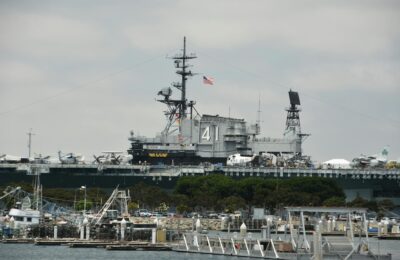
Al Udeid Air Base in Qatar and American bases in Bahrain and the UAE are being used for some operations, placing these countries in a delicate position. Tehran has repeatedly warned that “any country whose territory is used as a platform to strike Iran will be treated as a party to the war” — a threat Gulf states take seriously.
Impact on Global Trade
The conflict’s damage to global trade is mounting through multiple channels:
- Maritime Shipping: Shipping costs in the Arabian Gulf have surged 340%, with some lines rerouting
- Insurance: Ship insurance premiums for vessels transiting the Strait of Hormuz now exceed 7% of cargo value, compared to 0.5% before the war
- Aviation: More than 28,000 commercial flights cancelled due to Iranian and Iraqi airspace closures
- Supply Chains: Delays of 5 to 15 days on cargo shipments from Asia to Europe
What to Watch: March 15 and Beyond
Several pivotal factors will shape the conflict’s trajectory in the coming days:
- Security Council Vote: Expected within 48 hours; its outcome will directly impact markets
- Strait of Hormuz: Any shipping incident will push oil above $120
- Lebanese Front: Expanded confrontation with Hezbollah could open a full second front
- Strategic Reserves: Possible US announcement of a Strategic Petroleum Reserve release to calm prices
- US Stock Markets: The S&P 500 has lost more than 8% since the war began
The Iran-Israel conflict in March 2026 represents the most dangerous geopolitical crisis the Middle East has faced in decades. Every day without a diplomatic solution deepens the economic damage and widens the circle of those affected. Investors and analysts are watching every development with extreme caution, awaiting any signal that the warring parties are prepared to sit at the negotiating table.
The Middle East Insider continues its daily coverage of the Iran-Israel conflict with comprehensive analytical updates. Follow us to stay informed.