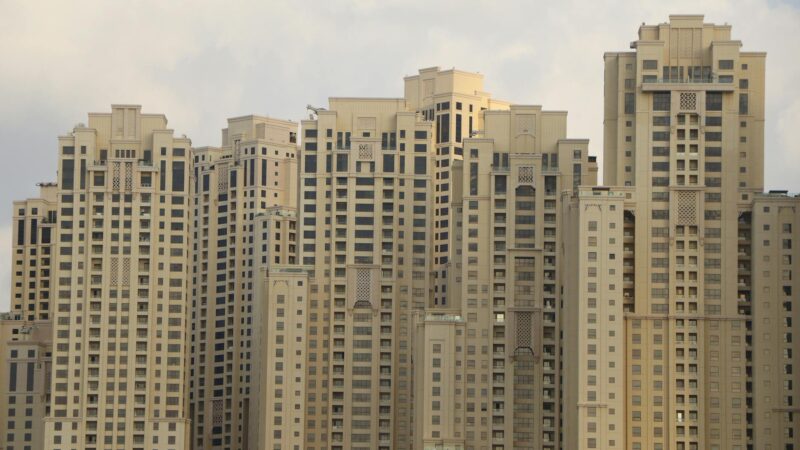
Dubai continues to cement its position as one of the world’s most attractive real estate markets for foreign investors. In 2025, international buyers accounted for over 65% of all property transactions in the emirate, according to data from the Dubai Land Department (DLD). As we enter March 2026, the most frequently asked questions remain: How can a foreigner buy property in Dubai? And what are the real legal requirements and costs?
Freehold vs. Leasehold: Understanding the Key Difference
Dubai’s property law allows foreigners to own freehold property in designated areas, granting them full ownership of both the property and the land with no time restrictions. The most prominent freehold zones include Palm Jumeirah, Downtown Dubai, Dubai Marina, Business Bay, Jumeirah Village Circle (JVC), and Dubai Hills Estate.
In contrast, leasehold arrangements grant the right to use a property for up to 99 years without owning the land. This option is less common among foreign investors due to limited disposal rights compared to freehold ownership.

As of March 2026, the number of freehold zones available to foreigners has exceeded 50, up from approximately 23 in 2020, reflecting the continued expansion of market access for international investment.
Legal Requirements and Required Documents
Dubai law does not require a foreign buyer to hold UAE residency to complete a purchase. The essential documents required are:
- Valid passport (with attested copies)
- Proof of residential address in the country of residence
- Signed sale and purchase agreement (MoU or Form F)
- No Objection Certificate (NOC) from the property developer
- Receipt of DLD fee payment
Buyers from outside the country can appoint a lawyer or legal representative through a notarized Power of Attorney authenticated by the UAE embassy in their home country.
The Step-by-Step Buying Process
Step 1: Define Your Budget and Property Type
Average apartment prices in Dubai start from approximately AED 750,000 ($204,000) in areas like JVC, reaching AED 5 million ($1.36 million) and above in premium locations like Palm Jumeirah and Downtown. Villas start from AED 1.5 million in emerging areas and exceed AED 20 million in luxury communities.
Step 2: Choose a Licensed Real Estate Agent
You should work exclusively with agents registered with Dubai’s Real Estate Regulatory Agency (RERA). Agent licensing can be verified through the Dubai REST app. Agent commissions typically range from 2% to 3% of the property value and are usually borne by the buyer.
Step 3: Sign the MoU and Pay the Deposit
After agreeing on the price, both parties sign a Memorandum of Understanding (Form F), and the buyer pays a deposit typically equal to 10% of the property value. This amount is deposited with a RERA-approved escrow agent.
Step 4: Obtain the No Objection Certificate (NOC)
The seller applies for a NOC from the property developer, confirming no outstanding financial obligations or overdue service charges on the property. The certificate costs between AED 500 and AED 5,000 depending on the developer and typically takes 3-5 business days.
Step 5: Register with the Dubai Land Department
This is the most critical step. The buyer and seller (or their representatives) attend the DLD office or complete the process through the Dubai REST digital platform. Registration fees amount to 4% of the property value plus AED 580 in administrative charges. While the 4% is traditionally split between buyer and seller, the current market tends to place the full amount on the buyer.
Total Costs: What Will You Actually Pay?
Beyond the property price, buyers should account for the following costs:
- DLD registration fee: 4% of property value
- Agent commission: 2% of property value + 5% VAT on the commission
- NOC fee: AED 500 – 5,000
- Administrative registration fee: AED 580
- Mortgage registration fee (if applicable): 0.25% of loan value
- Property valuation fee: AED 2,500 – 3,500
In total, buyers should expect additional costs of 7% to 8% above the purchase price.
Mortgage Options for Non-Residents
Several UAE banks offer mortgages to non-residents, though the terms are stricter compared to residents. Key highlights:
- Loan-to-value ratio: Up to 50% of property value for non-residents (versus 80% for residents)
- Minimum down payment: 50% of property value
- Loan tenure: Up to 25 years
- Interest rate: Ranges between 4.5% and 6.5% annually as of March 2026
- Minimum property value: Typically AED 1 million and above for non-residents
Leading banks serving foreign buyers include Emirates NBD, First Abu Dhabi Bank, Mashreq Bank, and HSBC Middle East.
Residency Impact: Golden Visa and Property-Linked Residency
Purchasing property in Dubai provides a pathway to a residence visa. As of 2026:
- Property valued at AED 750,000 or more: Qualifies for a 2-year residence visa
- Property valued at AED 2 million or more: Qualifies for the 10-year Golden Visa
The Golden Visa represents a powerful incentive, as it covers residency for family members and domestic staff, with automatic renewal as long as the investor maintains property ownership.
Key Risks and Considerations
Despite the market’s appeal, several factors warrant attention:
- Market volatility: Dubai property prices have experienced notable boom-and-bust cycles, with declines reaching 30% between 2015 and 2020
- Annual service charges: Range between AED 15 and AED 40 per square foot annually, depending on the community and developer
- Rental yield vs. capital gains: Average rental yields in Dubai range between 5% and 8% annually in March 2026, among the highest globally
- Tax considerations: Dubai imposes no income or capital gains tax on real estate, but buyers must consider tax obligations in their country of residence
What Lies Ahead in the Second Half of 2026?
Projections indicate continued momentum in Dubai’s real estate market throughout 2026, supported by several factors: accelerating population growth expected to push the emirate’s population to 4 million by 2027, major infrastructure projects including new Dubai Metro expansions, and sustained capital inflows from Europe, Russia, and South Asia.
However, analysts caution that rising supply in certain areas may pressure prices in the mid-range apartment segment. The core advice: focus on areas with completed infrastructure and proven rental demand rather than developing zones with higher risk profiles.