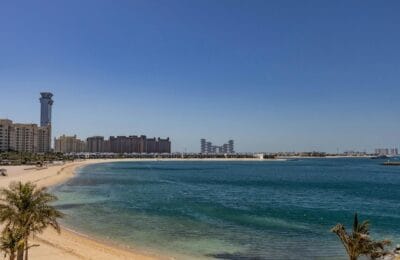
The Middle East has transformed in recent years from a tourism destination into an emerging hub for digital nomads and remote workers. With several countries in the region launching dedicated remote work visas and developing world-class digital infrastructure, working from a cafe overlooking the Arabian Gulf or a coworking space in the heart of Dubai has become a realistic and financially viable option in 2026.
In this comparative guide, we analyze the six best destinations for digital nomads in and around the region, with detailed comparisons of visas, costs, internet speeds, coworking spaces, and tax implications.
United Arab Emirates: The Undisputed Top Choice
Dubai Remote Work Visa
Dubai launched its “Virtual Working” program in 2021, and it has since become a model for the region. The visa grants one-year residency, renewable, allowing holders to live in the UAE while working for companies outside the country.

- Visa Cost: $611 (government fees) + mandatory health insurance
- Income Requirement: Proof of monthly income of at least $3,500 or equivalent
- Processing Time: 5-10 business days
Freelance Visa
An alternative through free zones such as IFZA and DMCC, allowing freelance work legally. Costs range from $2,500 to $5,500 annually depending on the free zone.
Cost of Living
- Monthly Rent (studio): $1,200-$2,500 (varies by area)
- Monthly Living (excluding rent): $1,000-$1,500
- Total Monthly Budget: $2,500-$4,000
- Coworking Spaces: $200-$500/month (LETSWORK, Astrolabs, WeWork)
Digital Infrastructure
- Average Internet Speed: 200+ Mbps (among the fastest globally)
- 5G Coverage: Extensive across Dubai and Abu Dhabi
- Note: Some VoIP services (e.g., WhatsApp calls) may be restricted
Verdict: The UAE leads the list thanks to superior infrastructure, streamlined procedures, and zero personal income tax, though high living costs make it the most expensive option.
Saudi Arabia: The Ambitious Newcomer
Remote Work Visa
Saudi Arabia launched its remote work visa in 2024 as part of Vision 2030 economic diversification initiatives. The program is still in its early stages but evolving rapidly.
- Visa Cost: $267 for one year
- Income Requirement: Proof of monthly income of at least $4,000
- Processing Time: 7-14 business days
Cost of Living
- Monthly Rent (studio): $500-$1,200 (Riyadh most expensive, Jeddah mid-range)
- Monthly Living (excluding rent): $700-$1,000
- Total Monthly Budget: $1,500-$2,500
- Coworking Spaces: $150-$350/month (Emerge85, Flat6Labs, The Garage)
Digital Infrastructure
- Average Internet Speed: 150+ Mbps
- 5G Coverage: Available in major cities (Riyadh, Jeddah, Dammam)
- Note: VoIP services have been fully available since 2023
Verdict: Saudi Arabia offers a good balance between cost and infrastructure quality. Rapid cultural transformation and mega entertainment projects (Riyadh Season, NEOM, Red Sea developments) make it an increasingly attractive destination, though social life remains less diverse than Dubai.
Bahrain: The Open Island
Freelance Visa
Bahrain launched its “Golden Freelance” visa in 2023, targeting freelancers and remote workers to attract them to the Gulf’s smallest nation.
- Visa Cost: $530 for one year
- Income Requirement: Proof of monthly income of at least $2,000
- Processing Time: 3-7 business days
Cost of Living
- Monthly Rent (studio): $400-$800
- Monthly Living (excluding rent): $600-$900
- Total Monthly Budget: $1,200-$2,000
- Coworking Spaces: $100-$250/month (C5 Accelerate, CH9)
Digital Infrastructure
- Average Internet Speed: 130 Mbps
- 5G Coverage: Available across most of the island
- Note: VoIP services fully available, no digital content restrictions
Verdict: Bahrain offers the best value for money in the Gulf. Relatively low living costs, an open social environment, and proximity to Saudi Arabia (via the King Fahd Causeway) make it an ideal base for mid-budget digital nomads.
Oman: Tranquility and Nature
Remote Work Visa
Oman launched its “Oman Digital Nomad” visa in late 2024, leveraging its unique natural appeal in the region.
- Visa Cost: $390 for one year
- Income Requirement: Proof of monthly income of at least $2,500
- Processing Time: 7-10 business days
Cost of Living
- Monthly Rent (studio): $350-$700
- Monthly Living (excluding rent): $500-$800
- Total Monthly Budget: $1,000-$1,800
- Coworking Spaces: $80-$200/month (limited options compared to Dubai)
Digital Infrastructure
- Average Internet Speed: 80 Mbps
- 5G Coverage: Limited to Muscat and urban areas
- Note: Internet speeds lower outside major cities
Verdict: Oman is ideal for digital nomads seeking tranquility and stunning natural landscapes at a reasonable cost. Mountains, beaches, and deserts offer a unique environment, but limited coworking spaces and internet speeds outside Muscat may challenge intensive remote work.
Turkey: The East-West Bridge
Tourist Residence and Freelancing
Turkey does not have an official remote work visa, but the tourist residence permit (ikamet) is widely used by digital nomads. It can be obtained for one year and renewed easily.
- Permit Cost: $150-$300 (varies by nationality)
- Income Requirement: Bank statement showing sufficient savings (typically $6,000+)
- Processing Time: 30-60 business days
Cost of Living
- Monthly Rent (studio): $300-$700 (Istanbul most expensive, Antalya cheaper)
- Monthly Living (excluding rent): $400-$700
- Total Monthly Budget: $800-$1,500
- Coworking Spaces: $60-$200/month (Workinton, KoLab, Impact Hub Istanbul)
Digital Infrastructure
- Average Internet Speed: 55 Mbps (improving rapidly)
- 5G Coverage: Limited (expansion planned for 2026-2027)
- Note: Some websites are blocked and require VPN
Verdict: Turkey offers the best cost of living on this list combined with exceptional cultural richness. Istanbul in particular has become a global digital nomad hub thanks to its diverse cafes and coworking spaces. Challenges include currency volatility (Turkish lira) and slow bureaucratic processes.
Georgia: The Hidden Gem Nearby
Remotely from Georgia Program
Georgia launched its “Remotely from Georgia” program in 2020, and it has become one of the world’s most successful remote work programs. It grants one-year residency with renewal options.
- Visa Cost: Free (no government fees)
- Income Requirement: Proof of monthly income of at least $2,000
- Processing Time: 10 business days
Cost of Living
- Monthly Rent (studio): $250-$500 (Tbilisi)
- Monthly Living (excluding rent): $350-$600
- Total Monthly Budget: $700-$1,200
- Coworking Spaces: $50-$150/month (Terminal, Impact Hub Tbilisi)
Digital Infrastructure
- Average Internet Speed: 45 Mbps
- 5G Coverage: Very limited
- Note: No restrictions on digital content or VoIP
Verdict: Georgia is by far the cheapest option on this list, with a free visa and living costs that do not exceed $1,200 per month. Taxes are low (just 1% for small business owners), and the food and culture are exceptional. The main challenge is geographic distance from the Middle East and moderate internet speeds.
Comprehensive Comparison
A quick summary of key metrics across all six destinations in 2026:
- Lowest Total Cost: Georgia ($700-$1,200/month)
- Best Internet: UAE (200+ Mbps)
- Easiest Visa: Georgia (free, 10 days)
- Best Value in the Gulf: Bahrain ($1,200-$2,000/month)
- Best for Nature: Oman
- Best for Social Life: Dubai
- Zero Income Tax: UAE, Saudi Arabia, Bahrain, Oman
Taxes: A Decisive Factor
One of the most significant advantages of working from the Middle East is the favorable tax environment:
- UAE: No personal income tax. 9% corporate tax on profits exceeding AED 375,000
- Saudi Arabia: No personal income tax for residents. 2.5% zakat on Saudi-owned businesses
- Bahrain: No personal income tax. No corporate tax
- Oman: No personal income tax. 15% corporate tax
- Turkey: Progressive income tax of 15-40% (though remote workers for foreign companies are typically not subject to it)
- Georgia: 1% income tax for small business owners, 20% for individuals
Important Note: Tax obligations depend on your country of citizenship and tax residency. We strongly recommend consulting an international tax specialist before making relocation decisions.
Practical Tips for Digital Nomads in the Region
- Health Insurance: Mandatory in the UAE and Saudi Arabia. Plans like Cigna Global and SafetyWing offer regional coverage starting from $80/month
- Banking: Wise and Revolut work in most regional countries. Opening a local account typically requires a residency permit
- Getting Around: Flights between Gulf countries are relatively cheap ($50-$150). flydubai, flynas, and Gulf Air offer budget options
- Climate: Summers are extremely hot (June-September) in Gulf countries. Many digital nomads spend summers in Turkey or Georgia and return for winter
The Bottom Line: Which Destination Suits You?
Choosing the optimal destination depends on your priorities in 2026:
- Priority: Infrastructure and Social Life: Dubai, UAE
- Priority: Cost-Quality Balance: Bahrain or Saudi Arabia
- Priority: Low Budget: Georgia or Turkey
- Priority: Nature and Tranquility: Oman
The trend is clear: the Middle East is rapidly transforming into one of the world’s best regions for remote work, and as governments continue to develop visa programs and improve digital infrastructure, the region’s appeal to digital nomads will only grow in the years ahead.