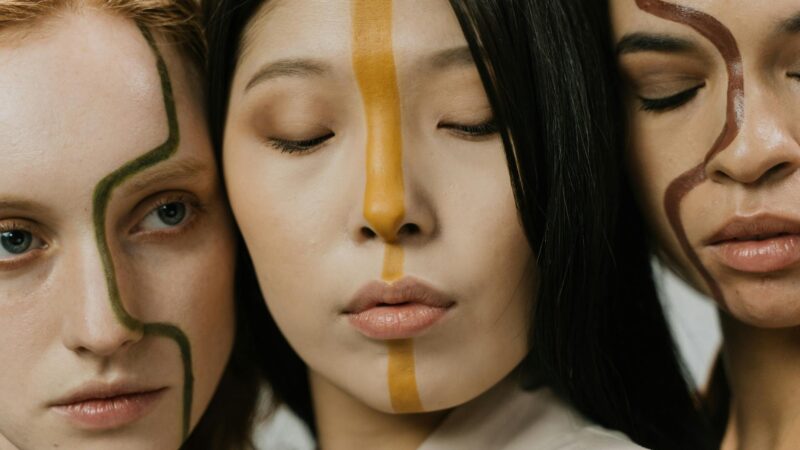
What’s considered “beautiful” in Seoul might be completely different from the ideal in Rio de Janeiro, Lagos, or Dubai. Beauty standards aren’t universal — they’re a mirror of culture, history, economics, and even climate.
In this comprehensive 2026 guide, we explore what 30 countries around the world consider attractive — from body shape to skin tone to facial features — and how these standards are rapidly shifting in the age of social media.
Asia: Smooth Skin and Delicate Features
1. South Korea
South Korea is Asia’s beauty capital. The ideal includes: “glass skin” free of imperfections, a small oval face (V-line jaw), large double-lidded eyes, naturally full lips, and a slim body. The K-beauty industry is worth $13.9 billion in 2026. Korean men spend more on skincare than men in any other country.

2. Japan
Japan favors “natural” and “innocent” beauty: pale, smooth skin, delicate and refined features, a youthful appearance (kawaii), and teeth that may be slightly crooked (“yaeba” — considered charming). Japanese makeup tends toward simplicity compared to Korean beauty.
3. China
Traditional standard: “jade-white” skin, an oval face, a high and delicate nose, and small rosy lips. The saying goes: “White skin hides a thousand flaws.” However, in 2026, a counter-movement celebrating skin tone diversity is emerging, especially among Gen Z consumers.
4. India
Despite India’s enormous diversity, a preference for fair skin has historically dominated, reflected in a skin-lightening cream industry worth $700 million. Traditional standards include long, thick black hair, large expressive eyes, and a fuller figure (signaling prosperity). Movements like “Dark is Beautiful” are increasingly challenging these norms.
5. Thailand
Thailand blends Asian and Western standards: fair skin, a high-bridged nose, and large eyes. Thailand has one of the highest per-capita rates of cosmetic surgery. “Feminine” beauty is especially valued, with deep cultural appreciation for femininity in all its forms.
6. The Philippines
Clear Spanish-American influence: fair to “morena” (golden brown) skin. Mixed features (mestiza) are historically prized. In 2026, the #MagandangMorena movement celebrates natural brown skin and breaks old colonial beauty standards.
The Middle East: Bold Femininity and Sharp Features
7. United Arab Emirates
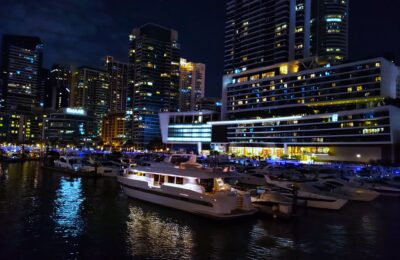
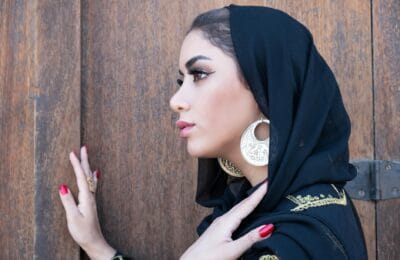
Dubai has become a global beauty capital. The standard: large, expressive eyes (kohl is essential), thick well-groomed eyebrows, full lips, smooth skin, and a curvy figure. Beauty spending in the UAE exceeds $1.5 billion annually.
8. Lebanon
Lebanon has one of the highest per-capita rates of cosmetic surgery globally. The standard: a small, refined nose (rhinoplasty is extremely common), long carefully styled hair, glowing skin, and a proportionate body. Lebanese beauty is a blend of Eastern and Western ideals.
9. Iran
Iran has the highest rate of nose jobs in the world. The standard: a small upturned nose, thick arched eyebrows, fair skin, and large eyes. Wearing hijab has made the face — especially the eyes and nose — the focal point of beauty. The post-surgery nose bandage has become a status symbol.
10. Saudi Arabia
Traditional standard: thick black hair, wide kohl-lined eyes, smooth skin, and clear femininity. With Vision 2030 and social openness, Saudi beauty standards are increasingly influenced by global trends while maintaining a distinctive local character.
11. Turkey
Turkey has become a global destination for medical beauty tourism. The standard: thick natural eyebrows, dark shiny hair, expressive eyes, and a proportionate body. Hair transplants for men have become a massive industry, indicating that thick hair is a male beauty standard too.
Europe: Diversity Between Natural and Polished
12. France
French beauty revolves around “effortless chic”: natural skin with minimal makeup, hair that’s not overly styled, and confidence over physical perfection. French women spend more on skincare than on makeup — it’s about the canvas, not the paint.
13. Italy
The standard: confident femininity. Glowing olive skin, thick dark hair, expressive eyes, and a naturally full healthy body. Italians value a woman who “owns her space” more than extreme thinness.
14. Sweden
The Scandinavian standard: natural and athletic beauty. Blonde hair (natural or dyed), clear fair skin, a fit and healthy body, and minimal makeup. “Lagom” (moderation) applies to beauty too — nothing excessive in either direction.
15. Russia
Russian beauty is polished and distinctly feminine: full daily makeup, high heels even for everyday activities, long styled hair, and feminine clothing. Russian women invest heavily in their appearance. Beauty is considered a “social duty” rather than a choice.
16. Spain
The standard: vitality and passion more than physical perfection. Dark hair, olive or warm skin, expressive eyes, and vibrant energy. Dance (flamenco) is as much an expression of beauty as it is an art form.
17. United Kingdom
Major shift from 2020-2026: from “fake tan and long lashes” to the “clean beauty” trend. The current standard leans toward natural skin and minimal makeup, influenced by body positivity movements.
18. Germany
The German standard is practical: health and fitness over makeup. Healthy skin, an athletic body, and simple elegance. Germans value authenticity and naturalness over artifice.
The Americas: From Curves to Diversity
19. United States
American beauty standards change at dizzying speed. In 2026, they’ve shifted from “extreme thinness” (2000s) to “curves” (2010s, the Kim Kardashian effect) to the “all bodies are beautiful” movement. But the reality is that social media standards still push a specific look: smooth skin, full lips, and an “hourglass” figure.
20. Brazil
Brazil celebrates curves and an athletic body. A toned backside (bunda) is a core cultural beauty standard. Brazil is the world’s second-largest market for cosmetic surgery. But Brazilian beauty also encompasses glowing skin, a wide smile, and positive energy.
21. Colombia
Shares Brazil’s appreciation for curvy bodies. Colombia has one of the world’s highest rates of buttock augmentation. The standard includes: long dark hair, golden skin, and bold femininity.
22. Mexico
Mexican beauty standards blend indigenous heritage and Western influence. Golden-brown skin, thick black hair, and strong features. The “Morena es Hermosa” movement celebrates authentic Mexican beauty.
23. Argentina
Strong European influence (especially Italian): “European” beauty with a Latin twist. Fair skin, sharp features, a slim athletic body. Buenos Aires is considered one of Latin America’s most European-influenced fashion cities.
Africa: Exceptional Diversity and Cultural Pride
24. Nigeria
Nigerian standard: a full, healthy body signaling prosperity. Dark glowing skin (though skin-lightening creams remain unfortunately common). Natural Afro hair is making a powerful comeback after decades of chemical processing.
25. Ethiopia
Ethiopian beauty is distinctive: delicate features (a refined nose, almond-shaped eyes), golden-brown skin, soft curly hair, and a tall slim frame. Ethiopian beauty is globally celebrated in the fashion industry.
26. South Africa
Enormous diversity reflecting the nation: no single standard. The “Black is Beautiful” movement is very strong. Natural hair has become an expression of identity and cultural pride.
27. Kenya
Kenyan standard: dark smooth skin, a tall slim body (Maasai influence), and distinctive African features. Kenya has produced a remarkable number of international fashion models, boosting pride in authentic African beauty.
Oceania and Other Regions
28. Australia
Australian standard: “sun-kissed” tanned skin, an athletic healthy body, natural hair (often blonde), and a relaxed practical look. Beach culture heavily influences beauty standards.
29. New Zealand
Clear Maori cultural influence: traditional face tattoos (Tā moko) are considered an expression of beauty and identity. The modern standard blends European naturalness with Polynesian cultural pride.
30. Jamaica
Jamaican standard: confident curves, dark glowing skin, and vibrant energy. Dancehall culture celebrates the body in motion more than the body at rest. Self-confidence is considered the most beautiful “accessory.”
How Social Media Is Reshaping Beauty Standards in 2026
In 2026, social media is reshaping beauty standards at an unprecedented pace:
- “The Instagram Effect”: A University of London study (2025) found that 30 minutes daily of filtered beauty content reduces appearance satisfaction by 28%
- AI beauty filters: In 2026, 87% of young people (18-25) use beauty filters in their photos, creating impossible standards
- Counter-movement: #NoFilter and #RealBeauty are growing by 45% annually, especially in North America and Europe
- Diverse representation: Brands like Fenty Beauty changed the game by offering 50+ foundation shades, forcing the entire industry toward diversity
The Bottom Line: Beauty Is in the Eye of the Beholder… and the Culture
What this survey reveals is that there is no single universal beauty standard. What’s considered ideal in one culture may be ordinary — or even undesirable — in another.
The good news? In 2026, the world is moving — slowly but steadily — toward embracing diversity. Body positivity, natural beauty movements, and diverse media representation are all helping to expand the definition of beauty to include everyone.
Ultimately, the one thing researchers agree on across all cultures: self-confidence is the most attractive trait in the entire world.