TASI in March 2026: Lowest Level Since October 2023
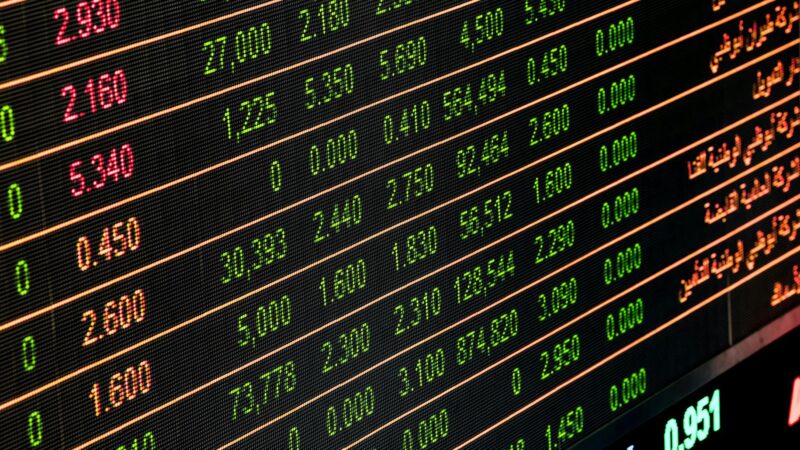
Saudi Arabia’s main stock market index (TASI) is navigating one of its most challenging periods in over two years, declining to 10,365 points in March 2026 — its lowest level since October 2023. This represents a 13.88% drop compared to levels 12 months ago, and a 1.68% decline in the last four weeks alone. The index had reached a period high of 11,484 points before entering the current correction wave.
What Is Pressuring the Saudi Market?
Several converging factors are shaping the current pressure on Tadawul:
- Iran war: U.S. military operations and the Strait of Hormuz closure triggered broad-based selling across all Gulf markets
- Risk-off sentiment: Foreign and institutional investors tend to reduce exposure to regional markets during geopolitical tensions
- Dual impact of rising oil: While higher oil benefits Aramco and government budgets, it raises costs for importing companies and feeds inflation fears
- Global correction: The S&P 500’s 2% decline impacts investor sentiment worldwide
The Most Resilient Sectors: Where Are the Opportunities?
Despite the overall index decline, several sectors show notable resilience according to the latest SNB Capital report:

Information Technology: 20% Year-over-Year Growth
The IT sector leads the most-growing sectors in the Saudi market, with 20% year-over-year growth. This outstanding performance reflects the Kingdom’s accelerating digital transformation under Vision 2030, and rising demand for cloud services, cybersecurity, and government digital solutions.
Tourism and Hospitality: 20% Growth
The tourism sector continues its strong performance with 20% growth, supported by mega entertainment projects, Riyadh Season, and the Kingdom’s vision to attract 100 million annual visitors. Hospitality and hotel stocks remain solid defensive choices.
Healthcare: 16% Growth
The healthcare sector benefits from expanded government spending on hospitals and medical centers, with 16% growth making it one of the most stable sectors against geopolitical volatility.
Banking Sector: Positive Outlook
Saudi banks maintain a positive outlook despite pressures, benefiting from healthy profit margins and lending growth. Banks like Al Rajhi, SNB, and Riyad Bank display strong fundamentals with comfortable capital adequacy ratios.
Aramco: The Biggest Beneficiary and the Biggest Pressure Point
Saudi Aramco represents approximately 12% of TASI’s weighting, and its market impact is dual-edged. While it directly benefits from oil prices above $100 — boosting profits and dividends — the magnitude of oil price volatility and uncertainty surrounding regional supply pressures its market valuation.
TASI vs. Other Gulf Markets
TASI is not alone in declining in March 2026. All GCC markets experienced selling pressure, though to varying degrees:
- Abu Dhabi market: Declined less, aided by the UAE’s diversified economy and safe-haven capital flows
- Kuwait Boursa: Among the hardest hit due to direct exposure to Gulf export disruptions
- Qatar Exchange: Moderate performance, benefiting from rising natural gas prices
Non-Oil Economy: The First Line of Defense
Non-oil GDP growth of 4.8% represents the most significant support factor for the Saudi market in March 2026. This growth reflects the success of economic diversification under Vision 2030 and provides a strong earnings base for listed companies outside the energy sector.
Public Investment Fund (PIF) investments also play a crucial role in supporting the market, both through direct investments in listed companies and by stimulating economic activity through mega-projects.
Investor Strategy for March 2026
In this volatile environment, analysts recommend a defensive strategy with selective positioning:
- Focus on defensive sectors: banking, healthcare, and utilities
- Avoid companies with high exposure to supply chain disruptions
- Use blue-chip price pullbacks to build gradual positions
- Monitor the 10,000-point support level — a break below could open further downside
The Saudi market remains hostage to regional geopolitical developments, but its strong economic fundamentals — led by non-oil growth and Vision 2030 investments — provide a safety net that limits the depth of decline and paves the way for a strong recovery once tensions subside.