Oil Shatters $100: What Is Happening in Global Energy Markets?
In a development unseen in energy markets for decades, Brent crude surged past $106 per barrel in March 2026, after touching $119.50 during intraday trading — the largest single-session spike since April 2020. This staggering rally represents a 50% increase since February 28, 2026, when U.S. military operations against Iran began, unleashing an unprecedented wave of panic across global oil markets.
The Strait of Hormuz Shutdown: The World’s Oil Lifeline Goes Dark
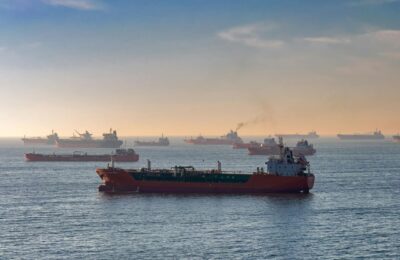
Approximately 21 million barrels of crude oil transit the Strait of Hormuz daily — roughly 21% of global consumption. With maritime traffic at a complete standstill due to insurance companies withdrawing coverage and premiums soaring to record levels, markets have effectively lost an estimated 4 million barrels per day of actual supply — a figure exceeding any previous oil disruption in history.
CNN has described this as the “biggest oil disruption in history,” surpassing the 1973 oil crisis and the 1990 Gulf War. The critical difference this time is that the complete closure of the Strait of Hormuz simultaneously cuts off exports from Iran, Iraq, Kuwait, the UAE, and a significant portion of Saudi Arabia’s output.

OPEC+ Raises Output, but the Gap Remains Enormous
OPEC+ responded swiftly by increasing production by 206,000 barrels per day, but this increase appears symbolic compared to the 4-million-barrel disruption. Iraq, Kuwait, and the UAE have all announced production cuts due to export difficulties through their Gulf-facing ports.
JPMorgan estimates that the disruption could exceed 4 million barrels per day if military operations continue, with Brent potentially reaching $120 to $150 per barrel under worst-case scenarios.
Direct Consumer Impact: Gasoline Prices Spike
For American consumers, the average price of a gallon of gasoline has jumped 43 cents to $3.41, with further increases expected if the crisis persists. Goldman Sachs projects U.S. inflation will rise from 2.4% to 3% as a direct result of surging energy costs.
The S&P 500 dropped 2% to open the first week of March 2026, as investors fear the impact of rising energy costs on corporate earnings and economic growth rates.
The Gap Between Forecasts and Reality: From $58 to $106
Before the crisis erupted, the EIA had forecast an average Brent price of $58 per barrel in 2026, citing ample supply and slowing Chinese demand. Today, oil trades at more than double that forecast — a stark reminder that geopolitical risk can overwhelm every economic model.
Winners and Losers
- Losers: Oil-importing nations like India, Japan, South Korea, and Europe; airlines and maritime shipping companies; and consumers everywhere
- Winners: Producers outside the Gulf region such as Norway, Canada, and Brazil; U.S. shale companies that will benefit from elevated prices
- Marine insurers: Have raised premiums by over 500% on Gulf tankers — the decisive factor halting maritime traffic
Oil Price Scenarios for March 2026
Analysts are mapping three primary scenarios for oil prices in the coming weeks:
- Optimistic ($80-$90): A rapid ceasefire and reopening of the Strait of Hormuz within two weeks
- Base case ($100-$120): Operations continue for weeks with partial supply rerouting
- Worst case ($130-$150): Military escalation, infrastructure destruction, and extended Strait closure
What This Means for Investors
For regional investors, this price surge is a double-edged sword. While national oil company profits rise and government budgets improve for exporting nations, geopolitical uncertainty pressures equity markets and raises financing costs. The optimal strategy in March 2026 is to hedge risks while maintaining measured exposure to the energy sector.
Oil prices remain hostage to military and diplomatic developments in the days ahead. Any signal of a ceasefire could bring prices back to more moderate levels — but until then, the oil market remains in a state of historic, unprecedented shock.