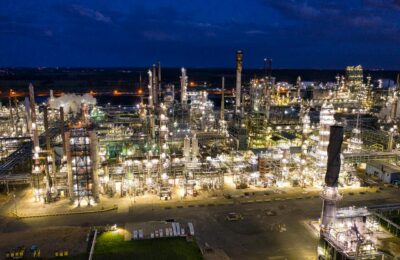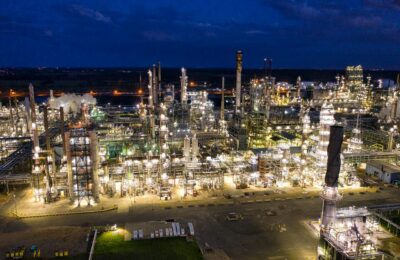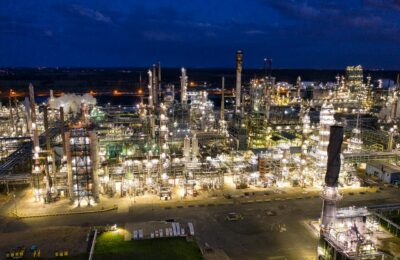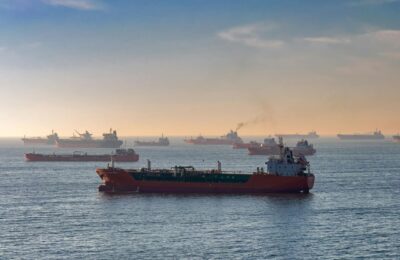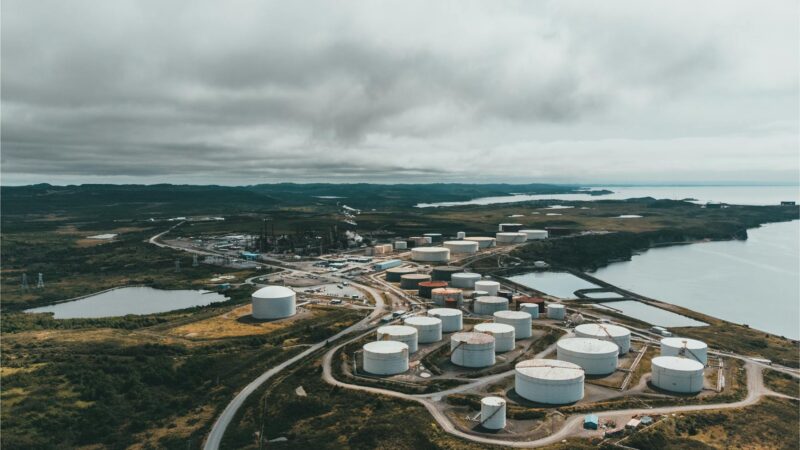
The OPEC+ alliance is the most powerful force shaping global energy markets. Every production decision directly impacts Gulf economies — from government revenues to development project timelines to consumer fuel prices.
The OPEC+ Structure
OPEC+ comprises 23 countries producing roughly 40 million barrels daily — about 40% of global output. Decisions are made in periodic meetings through complex negotiations per Reuters.
Saudi Arabia’s Swing Producer Role
With spare capacity exceeding 12 million bpd per Aramco, Saudi Arabia can rapidly adjust output. Voluntary cuts sacrifice short-term revenue for medium-term price stability.
“Saudi Arabia doesn’t control oil prices, but it holds the most powerful tool to influence them: the ability to adjust supply quickly at scale.”
— International Energy Agency
Impact on Gulf Budgets
Per the IMF, each dollar increase per barrel adds ~SAR 4 billion to Saudi annual revenue. Kuwait is most oil-sensitive, while Qatar’s LNG focus provides relative protection.
Alliance Challenges
- Member compliance with quotas
- US shale production responding rapidly to higher prices
- Energy transition pressuring long-term demand per Bloomberg NEF
- Balancing prices vs market share
The Diversification Race
Gulf states are accelerating non-oil revenue: Saudi non-oil revenue now represents ~36% of total, UAE has introduced corporate (9%) and VAT (5%) taxes, and tourism/tech investments are growing rapidly.
This article is for educational purposes only and does not constitute financial advice. Consult a licensed financial advisor before making investment decisions.