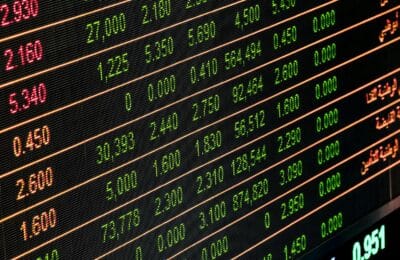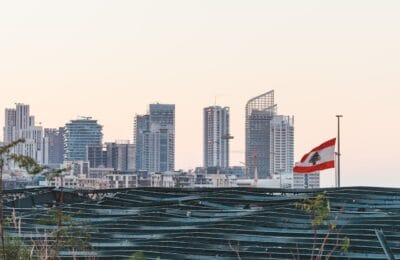
Riyadh is experiencing an extraordinary rise as a global financial center, redrawing the power map of the international financial services industry. Driven by sweeping regulatory reforms, unprecedented investment flows, and massive infrastructure projects — led by the King Abdullah Financial District (KAFD) — this transformation extends beyond strengthening the Saudi capital’s regional standing to pose a direct challenge to the dominance of the Dubai International Financial Centre (DIFC) and London’s City, which have dominated the financial landscape for decades. With more than 480 regional and international companies relocating their headquarters to Riyadh and Public Investment Fund assets surpassing $930 billion, the Kingdom now possesses all the prerequisites to become the premier financial capital in emerging markets and the global economy sector.
King Abdullah Financial District: The Beating Heart of Financial Riyadh
King Abdullah Financial District (KAFD) stands as one of the world’s most ambitious financial infrastructure projects. Spanning over 1.6 million square meters in the heart of the Saudi capital, it comprises more than 59 towers designed to the highest global architectural standards, hosting offices of investment banks, asset management firms, hedge funds, and financial regulatory bodies.
KAFD was designed to be more than an office complex — it is a fully integrated financial city featuring five-star hotels, luxury residential spaces, entertainment facilities, and international conference centers, creating an attractive work-life environment for the world’s top financial talent. Bloomberg reports indicate that KAFD is attracting increasing interest from major global financial institutions seeking a foothold in the region’s fastest-growing market.
As the project’s final phases near completion, the district is expected to host more than 50,000 financial sector employees, making it one of the largest specialized financial clusters in the Middle East and North Africa. The district is also connected to Riyadh’s modern metro network, significantly enhancing accessibility and reducing commute times.
The Regional Headquarters Mandate: 480 Companies Choose Riyadh
In a move that changed the rules of the game across the region, the Kingdom announced in 2021 that companies seeking Saudi government contracts must relocate their regional headquarters to Riyadh. This strategic decision, issued through the Ministry of Investment of Saudi Arabia (MISA), triggered an unprecedented wave of corporate migration to the capital.
The number of companies that have relocated or established regional headquarters in Riyadh has surpassed 480, including prominent names in international finance and business. The list includes consulting giants such as McKinsey, BCG, and Bain; technology firms like SAP and Oracle; and dozens of financial institutions that have chosen Riyadh as the base for their regional operations.
“The question is no longer whether companies will move to Riyadh, but when. The city offers incentives too compelling to ignore: a massive domestic market exceeding 35 million people, a strategic location connecting three continents, a continuously improving regulatory environment, and government spending estimated in the hundreds of billions.”
— Financial Times report on Saudi Arabia’s business environment
This shift has impacted Riyadh’s commercial real estate market, with Grade A office rents rising by over 30% in the past two years, reflecting surging demand for office space in the capital. The Ministry of Investment is streamlining licensing procedures and offering tax incentives to accelerate the relocation process.
Global Investment Banks Race Toward Riyadh
Recent years have witnessed an intense race among the world’s largest investment banks to establish and expand their operations in Riyadh — a clear acknowledgment of the Saudi capital’s growing financial weight.
Leading the list are financial powerhouses:
- Goldman Sachs: Goldman Sachs has significantly expanded its Riyadh operations, opening a major new office housing investment banking, wealth management, and securities trading teams. The bank now manages regional operations worth billions of dollars from the Saudi capital.
- JPMorgan: JPMorgan has established a strong presence in the Kingdom, focusing on mega-project financing linked to Vision 2030 and the rapidly growing Saudi debt markets.
- Citibank: Citibank has bolstered its Riyadh presence by offering corporate finance, risk management, and investment solutions to corporate and government clients across the region.
- Morgan Stanley: Expanded its Kingdom operations with a focus on IPOs and mergers and acquisitions in the Saudi market.
According to Reuters, these institutions are competing for their share of the Saudi financial services market, valued at over $45 billion annually, with projected growth exceeding 15% per year through the end of the decade. This race reflects global confidence in Riyadh’s future as a top-tier financial center.
Tadawul and the CMA: Regulatory Reforms Boosting International Confidence
The Saudi Stock Exchange (Tadawul) forms the backbone of Riyadh’s financial ascent. With a market capitalization exceeding $2.8 trillion, Tadawul has become the largest exchange in the Middle East and one of the world’s top ten exchanges by market capitalization, surpassing established exchanges in Europe and Asia.
The Capital Market Authority (CMA) has played a pivotal role in achieving this growth through a series of fundamental regulatory reforms:
- Opening the Market to Foreign Investors: The CMA has progressively removed restrictions on foreign direct investment in the stock market, raising foreign ownership to unprecedented levels. Estimates indicate that foreign institutional investment flows into Gulf equity markets have accelerated significantly.
- Developing the Sukuk and Bond Market: The Kingdom has become one of the world’s largest issuers of Islamic debt instruments, with sukuk issuances exceeding $100 billion.
- Modernizing Listing Rules: The CMA has streamlined IPO procedures, resulting in a wave of successful listings across diverse sectors from technology to healthcare.
- Launching the Derivatives Market: Tadawul has added sophisticated financial products including futures and options, enhancing market depth and appeal to sophisticated investors.
- Adopting International Governance Standards: The authority has imposed disclosure and transparency standards aligned with global best practices, boosting confidence among international institutional investors.
Analysts project that the Tadawul index will break through the 14,000-point barrier by year-end, driven by foreign capital inflows, new IPOs, and growth in listed company earnings. The inclusion of Tadawul in MSCI and FTSE Russell emerging market indices has significantly boosted institutional flows into the Saudi market.
The Public Investment Fund: The Financial Powerhouse Reshaping the Landscape
The Public Investment Fund (PIF) sits at the heart of Saudi Arabia’s financial transformation. With assets exceeding $930 billion, the fund has become one of the world’s five largest sovereign wealth funds and the most active in diversifying the Saudi economy away from oil.
PIF plays a dual role in bolstering Riyadh’s financial standing. On one hand, it is the largest institutional investor in the Saudi market through investments in major domestic companies and strategic projects such as NEOM, The Line, Qiddiya, and The Red Sea. On the other, its international investment portfolio — which includes stakes in companies like Lucid Motors, Uber, and Nintendo — draws interest from global financial institutions eager to manage a portion of these massive assets.
According to EY Middle East and North Africa estimates, the fund targets growing its assets to over $2 trillion by 2030, which would make it the world’s largest sovereign wealth fund, surpassing the Norwegian Government Pension Fund. This accelerated growth means more opportunities for asset managers and investment banks, further enhancing Riyadh’s appeal as a global financial center.
Riyadh vs. Dubai and London: Comparing Financial Powers
To understand the scale of the challenge Riyadh poses, its rise must be placed in the context of competition with established financial centers. According to the Z/Yen Global Financial Centres Index (GFCI), Riyadh has made notable leaps in rankings during recent editions, rapidly closing the gap with more established financial hubs.
Compared to the Dubai International Financial Centre (DIFC), Riyadh holds advantages in several critical areas: domestic market size is five times larger, government spending exceeds the UAE’s combined budget, and Tadawul’s market capitalization surpasses the Dubai exchange by over tenfold. However, Dubai retains important competitive advantages in regulatory flexibility, legal infrastructure, and quality of life for expatriates.
In comparison with London, the British financial district faces multiple post-Brexit challenges that have led to a gradual erosion of its share of European financial trading. Riyadh is capitalizing on this weakness by attracting financial talent and companies seeking high-growth emerging markets. A Deloitte Middle East report indicates that Saudi financial sector growth exceeds 12% annually compared to less than 3% in London.
However, Riyadh still faces gaps in several areas that need to be addressed to fully compete with established centers:
- Legal Environment: The need to develop an independent international commercial arbitration framework matching DIFC and ADGM courts.
- Capital Flow Freedom: Some restrictions on profit repatriation and currency exchange continue to concern foreign investors.
- Lifestyle and Entertainment: Despite the Kingdom’s significant opening, Dubai still leads in lifestyle appeal for Western expatriates.
- Liquidity Depth: Tadawul needs to increase daily trading volumes to compete with exchanges like the London Stock Exchange and Nasdaq.
The FinTech Sector: Riyadh’s New Growth Lever
The financial technology (FinTech) sector represents a critical growth lever in Riyadh’s journey toward global status. Reports indicate that the Saudi FinTech sector is nearing the production of its first Saudi unicorn in this space, reflecting the ecosystem’s maturity and investor appeal.
The Capital Market Authority and Saudi Central Bank (SAMA) have supported the sector through:
- Regulatory Sandbox: Allowing startups to test financial products in a flexible supervisory environment before full launch.
- Digital Banking Licenses: Granting fully digital banking licenses, opening the door to a wave of financial innovation.
- Instant Payment System: Developing advanced digital payments infrastructure that rivals the world’s best systems.
- Open Banking: Adopting a regulatory framework for open finance that enables secure data sharing between financial institutions.
A Goldman Sachs report projects the Saudi FinTech market will reach $15 billion by 2030, making it one of the fastest-growing markets globally in this sector. Vision 2030 also targets raising electronic payments to 70% of total transactions, a goal approaching realization thanks to widespread adoption of apps like STC Pay and Mada.
Financial Employment Targets and Human Capital
The Kingdom recognizes that building a global financial center requires more than infrastructure and regulations — it requires qualified, specialized human capital. Accordingly, Saudi Vision 2030 has set ambitious targets for Saudi employment in the financial sector.
The Kingdom targets creating over 90,000 new financial sector jobs by 2030, with focus on specialized fields including financial analysis, risk management, regulatory compliance, FinTech, and Islamic finance. The government has launched intensive training programs in partnership with international institutions such as CFA Institute and the Association of Chartered Certified Accountants (ACCA) to qualify national talent.
International financial institutions operating in the Kingdom are also localizing an increasing share of their positions, with training programs sending Saudi graduates to global headquarters in New York, London, and Hong Kong. This knowledge exchange contributes to transferring global financial expertise to Saudi talent and accelerates the building of a financial talent base capable of leading the sector domestically.
Data from the Ministry of Human Resources indicates that Saudization in the financial sector has risen from 72% in 2020 to over 83% currently, among the highest rates in specialized economic sectors.
Global Financial Centres Index: Where Does Riyadh Stand?
The Z/Yen Global Financial Centres Index (GFCI) is the premier reference for ranking financial cities worldwide, measuring multiple factors including business environment, human capital, infrastructure, financial sector development, and international reputation.
Riyadh has made remarkable progress in this index, jumping several positions in recent editions. While it remains behind historic financial centers such as New York, London, Singapore, and Hong Kong, its rate of advancement is the fastest among all cities in the index.
Factors driving Riyadh’s ranking upward include:
- Strong Economic Growth: The Kingdom records non-oil GDP growth rates exceeding 5% annually.
- Accelerating Regulatory Reforms: Notable improvement in ease of doing business indicators and financial transparency.
- Modern Infrastructure: Projects like KAFD, Riyadh Metro, and the new King Salman International Airport elevate the city’s competitiveness.
- Capital Market Size: Tadawul’s massive market capitalization gives Riyadh undeniable weight in any global ranking.
- Geopolitical Role: The Kingdom’s position as the world’s largest oil exporter and OPEC+ leader adds a strategic dimension to its financial leadership.
EY analysts expect Riyadh to enter the top 15 global financial centers by 2030 if the current pace of reforms continues — an achievement unprecedented for a Middle Eastern city.
Ultimately, Riyadh’s rise as a global financial center represents one of the most significant shifts in global financial geography since the emergence of Singapore and Hong Kong in the second half of the twentieth century. With the convergence of political will, vast financial resources, strategic geographic location, and a large domestic market, the Saudi capital possesses all the prerequisites to achieve its ambition. The real challenge lies in the speed of execution, depth of regulatory reforms, and the ability to attract and retain global human capital. If the Kingdom succeeds in overcoming these challenges — and current indicators strongly suggest it will — the global financial power map will undergo a fundamental reshaping in Riyadh’s favor over the coming decade.
This article is for educational purposes only and does not constitute financial advice. Consult a licensed financial advisor before making investment decisions.