تُعدّ مجموعة أوبك+ — التحالف الذي يضم 23 دولة منتجة للنفط بقيادة المملكة العربية السعودية وروسيا — القوة الأكثر تأثيراً في تحديد مسار أسعار النفط العالمية وإمدادات الطاقة. ومنذ تشكيل هذا التحالف في عام 2016، أصبح يتحكم في أكثر من 40% من إنتاج النفط العالمي وأكثر من 80% من الاحتياطيات المؤكدة، وفقاً لبيانات منظمة أوبك الرسمية. وفي ظل التحولات الجيوسياسية المتسارعة — من الحرب الروسية الأوكرانية إلى تباطؤ النمو الاقتصادي الصيني — تتبنى المجموعة استراتيجية إنتاج بالغة التعقيد تهدف إلى تحقيق التوازن بين استقرار الأسعار وحماية الحصة السوقية. وقد بلغ إجمالي التخفيضات الطوعية أكثر من 5.8 مليون برميل يومياً منذ أواخر 2022، وفقاً لأحدث تقارير رويترز (Reuters)، مما يجعلها أكبر عملية تقييد للإمدادات في تاريخ أسواق النفط الحديثة. يرصد هذا التقرير الشامل كيف تُدير السعودية وروسيا سوق النفط العالمي، والجدول الزمني للتخفيضات والزيادات، وتأثير ذلك على أسعار النفط ومستقبل الطاقة العالمية.
الجدول الزمني لتخفيضات وزيادات إنتاج أوبك+ منذ 2022
مرّت استراتيجية إنتاج أوبك+ بسلسلة من التحولات الحاسمة منذ عام 2022، يمكن تلخيصها في المراحل التالية:
- أكتوبر 2022: أعلنت أوبك+ تخفيضاً جماعياً بواقع 2 مليون برميل يومياً من حصص الإنتاج — وهو أكبر خفض منذ جائحة كوفيد-19 — وسط معارضة أمريكية شديدة اعتبرت القرار “تحالفاً مع روسيا” في خضم أزمة الطاقة العالمية.
- أبريل 2023: فاجأت مجموعة من الأعضاء الأسواقَ بإعلان تخفيضات طوعية إضافية بلغت 1.66 مليون برميل يومياً، بقيادة السعودية التي تحملت النصيب الأكبر بتخفيض 500 ألف برميل يومياً.
- يوليو-ديسمبر 2023: مددت السعودية تخفيضها الطوعي الإضافي البالغ مليون برميل يومياً — ليصل إجمالي خفضها إلى 1.5 مليون برميل يومياً عن مستوى حصتها الأساسية — فيما أعلنت روسيا تخفيض صادراتها بمقدار 500 ألف برميل يومياً.
- يونيو 2024: وافقت المجموعة على خطة تدريجية لإعادة جزء من الإمدادات المحتجزة بدءاً من أكتوبر 2024، مع تمديد بعض التخفيضات حتى نهاية 2025.
- نوفمبر 2024-فبراير 2025: أُجّلت الزيادات المقررة مرتين بسبب ضعف الطلب العالمي، وأبقت السعودية على إنتاجها عند مستوى 9 ملايين برميل يومياً تقريباً — أقل بكثير من طاقتها الإنتاجية البالغة 12.5 مليون برميل يومياً.
وفقاً لبيانات بلومبرغ (Bloomberg)، أسهمت هذه التخفيضات المتتالية في الحفاظ على أسعار خام برنت في نطاق 70-90 دولاراً للبرميل خلال معظم الفترة، رغم الضغوط الهبوطية الناتجة عن تباطؤ الاقتصاد العالمي.

التخفيضات الطوعية السعودية: قيادة السوق بالتضحية
تلعب المملكة العربية السعودية دور “المنتج المُرجّح” (Swing Producer) في تحالف أوبك+، حيث تتحمل العبء الأكبر من تخفيضات الإنتاج لضمان استقرار الأسواق. وقد بلغت التخفيضات السعودية الطوعية ذروتها عند مليون برميل يومياً إضافية فوق حصتها الأساسية المُخفضة أصلاً، وفقاً لتقرير إس آند بي غلوبال بلاتس (S&P Global Platts).
“المملكة العربية السعودية تتعامل مع سوق النفط كقائد استراتيجي وليس كمُنتج يبحث عن أقصى إيرادات قصيرة الأجل. التخفيضات الطوعية هي استثمار في استقرار السوق على المدى الطويل.”
— تحليل معهد أكسفورد لدراسات الطاقة (Oxford Institute for Energy Studies)
لكن هذه الاستراتيجية تأتي بتكلفة مالية باهظة. فمع سعر التعادل المالي السعودي (Fiscal Breakeven Price) الذي يتراوح بين 80-96 دولاراً للبرميل حسب تقديرات صندوق النقد الدولي — يتعين على المملكة الحفاظ على أسعار مرتفعة نسبياً لتمويل مشاريع رؤية 2030 الطموحة التي تشمل نيوم والبحر الأحمر وغيرها. وتُظهر بيانات إدارة معلومات الطاقة الأمريكية (EIA) أن الإيرادات النفطية السعودية انخفضت بنسبة 15% تقريباً في 2023 مقارنة بـ2022 بسبب انخفاض أحجام التصدير، رغم أن الأسعار ظلت في مستويات مقبولة نسبياً.
وتتضمن الأهداف الاستراتيجية السعودية من هذه التخفيضات:
- دعم الأسعار: الحفاظ على سعر خام برنت فوق مستوى 80 دولاراً لتأمين الإيرادات اللازمة لمشاريع التنويع الاقتصادي.
- إثبات القيادة: تعزيز مكانة السعودية كقائد لا غنى عنه في أسواق الطاقة العالمية.
- الضغط على غير الملتزمين: إرسال رسالة لبقية الأعضاء بأن الالتزام بالحصص ليس اختيارياً.
- الاستعداد للمرحلة القادمة: بناء طاقة إنتاجية فائضة يمكن استخدامها كسلاح استراتيجي إذا لزم الأمر.
ديناميكيات الصادرات الروسية: الحرب والعقوبات وسقف الأسعار
تمثل روسيا الشريك الأهم في تحالف أوبك+ من خارج منظمة أوبك التقليدية، وتواجه معادلة أكثر تعقيداً من بقية الأعضاء بسبب العقوبات الغربية وسقف الأسعار البالغ 60 دولاراً للبرميل الذي فرضته مجموعة السبع (G7) في ديسمبر 2022. ووفقاً لتقارير رويترز وبلومبرغ، نجحت روسيا في إعادة توجيه صادراتها النفطية بشكل جذري:
- تحويل التدفقات: انخفضت الصادرات الروسية إلى أوروبا بنسبة تزيد عن 90%، بينما ارتفعت الصادرات إلى الصين والهند لتشكل أكثر من 80% من إجمالي الصادرات البحرية.
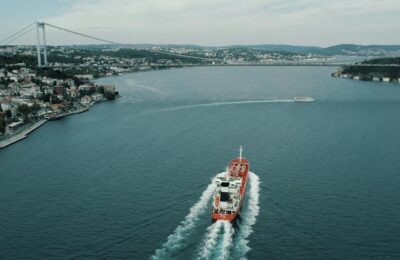
- أسطول الظل: تعتمد روسيا على ما يُعرف بـ”أسطول الظل” (Shadow Fleet) — أكثر من 600 ناقلة نفط تعمل خارج نظام التأمين الغربي — لنقل نفطها متجاوزةً العقوبات.
- خصومات الأسعار: يُباع خام الأورال الروسي بخصم يتراوح بين 10-20 دولاراً مقارنة بخام برنت، مما يعني أن الإيرادات الفعلية أقل بكثير من الأسعار العالمية.
- الالتزام المتذبذب: أثارت عدة تقارير تساؤلات حول مدى التزام روسيا بحصص الإنتاج المتفق عليها، حيث أظهرت بيانات الأقمار الاصطناعية وتتبع الناقلات أن الإنتاج الفعلي قد يتجاوز الحصص المُعلنة بمئات آلاف البراميل يومياً.
ورغم ذلك، يظل التحالف مع السعودية ضمن أوبك+ مصلحة استراتيجية لروسيا، إذ يمنحها نفوذاً جيوسياسياً ويُبقي أسعار النفط في مستويات تُموّل ميزانيتها العسكرية ومتطلباتها الاقتصادية في ظل الحرب. ويُقدّر سعر التعادل المالي الروسي بنحو 60-70 دولاراً للبرميل من خام الأورال، وفقاً لتقديرات غولدمان ساكس (Goldman Sachs).
مراقبة الالتزام والخلافات الداخلية بين أعضاء أوبك+
يُعدّ الالتزام بحصص الإنتاج أحد أكبر التحديات التي تواجه تماسك تحالف أوبك+. وتتولى اللجنة الوزارية المشتركة لمراقبة الإنتاج (JMMC) — المؤلفة من وزراء الطاقة في عدة دول أعضاء — مهمة مراجعة بيانات الإنتاج شهرياً ومحاسبة الدول المتجاوزة لحصصها. لكن الواقع العملي يكشف عن فجوات كبيرة:
تُظهر بيانات مسوحات الإنتاج المستقلة من رويترز وبلومبرغ وبلاتس أن معدل الالتزام الفعلي لبعض الأعضاء لم يتجاوز 60-70% في بعض الأشهر، مما يُقوّض فعالية التخفيضات على الورق.
وتبرز الخلافات مع الأعضاء الأفارقة كأحد أبرز نقاط التوتر الداخلي في التحالف:
- نيجيريا: عانت من تراجع حاد في الطاقة الإنتاجية بسبب نقص الاستثمارات وسرقة النفط والتخريب في منطقة دلتا النيجر، مما جعل حصتها المُخصصة أعلى من قدرتها الفعلية على الإنتاج. وطالبت مراراً بتعديل خط الأساس ليعكس طاقتها الحقيقية.
- أنغولا: في خطوة دراماتيكية، انسحبت أنغولا من أوبك بالكامل في يناير 2024 بعد خلاف مُستمر حول حصص الإنتاج، إذ رفضت القبول بالحصة المُخفضة التي فرضتها المنظمة. كان هذا الانسحاب بمثابة صدمة للتحالف وأثار تساؤلات حول مدى تماسكه.
- الكونغو وغينيا الاستوائية: واجه هذان العضوان صعوبات مماثلة في الوفاء بحصصهما بسبب تراجع الإنتاج الطبيعي ونقص الاستثمارات في البنية التحتية.
- العراق وكازاخستان: تكررت تجاوزات هاتين الدولتين لحصصهما، حيث كشفت بيانات وكالة الطاقة الدولية (IEA) عن إنتاج فائض بمئات آلاف البراميل يومياً. وقد طُلب من كلتيهما تقديم خطط “تعويضية” لإنتاج أقل في الأشهر اللاحقة لتعويض التجاوزات السابقة.
ويرى محللون في معهد أكسفورد لدراسات الطاقة أن مشكلة الالتزام تُقلّص الأثر الفعلي للتخفيضات المُعلنة بنحو 500-700 ألف برميل يومياً، وتُضعف مصداقية التحالف أمام الأسواق.
ضغوط الإمارات لتوسيع الطاقة الإنتاجية وإعادة تقييم الحصص
تمثل الإمارات العربية المتحدة حالة فريدة داخل أوبك+، إذ استثمرت مليارات الدولارات عبر شركة أدنوك (ADNOC) في توسيع طاقتها الإنتاجية لتصل إلى 5 ملايين برميل يومياً بحلول 2027 — ارتفاعاً من نحو 4.2 مليون برميل حالياً — بينما تُلزمها حصة أوبك+ بالإنتاج عند مستويات أقل بكثير.
هذا التناقض بين الطاقة الإنتاجية المتنامية والحصص المقيّدة ولّد توتراً ملحوظاً داخل التحالف. وتتضمن أبرز نقاط الضغط الإماراتي:
- المطالبة بخط أساس أعلى: نجحت الإمارات في التفاوض على رفع خط الأساس لحصتها من 3.168 مليون إلى 3.519 مليون برميل يومياً بدءاً من 2024، لكنها لا تزال ترى أن هذا الرقم لا يعكس استثماراتها الحقيقية في الطاقة الإنتاجية.
- ضغوط الاستثمار: استثمرت أدنوك أكثر من 150 مليار دولار في مشاريع توسعة الطاقة الإنتاجية، ولا يمكنها تبرير هذه الاستثمارات لمساهميها إذا بقيت الحصص مقيّدة لسنوات.
- التنويع الاقتصادي: تسعى الإمارات لتعظيم إيراداتها النفطية في النافذة الزمنية المتبقية قبل تحول الطاقة العالمي، وفقاً لتحليل إس آند بي غلوبال بلاتس.
وقد أصبح الموقف الإماراتي نقطة خلاف محورية في اجتماعات أوبك+، حيث يُمثل سابقة قد تدفع دولاً أخرى — كالكويت وليبيا — للمطالبة بمراجعات مماثلة لخطوط الأساس، مما يُعقّد عملية إدارة الإنتاج بأكملها.
استجابة النفط الصخري الأمريكي وأثره على معادلة أوبك+
يُمثل النفط الصخري الأمريكي (US Shale) التحدي الخارجي الأكبر لاستراتيجية أوبك+، إذ بلغ إنتاج الولايات المتحدة مستويات قياسية تجاوزت 13.2 مليون برميل يومياً في 2024، وفقاً لبيانات إدارة معلومات الطاقة الأمريكية (EIA) — مما يجعل الولايات المتحدة أكبر منتج للنفط في العالم متفوقة على السعودية وروسيا.
وتتجلى ديناميكيات المواجهة بين أوبك+ والنفط الصخري في عدة محاور:
- المعضلة الاستراتيجية: كل تخفيض من أوبك+ يرفع الأسعار، ما يُحفّز منتجي النفط الصخري على زيادة الإنتاج — فتمتص الحصة السوقية التي تتخلى عنها أوبك+. هذه الدورة المُفرغة تُقيّد فعالية التخفيضات.
- تغيّر سلوك المنتجين الأمريكيين: لكن المُفارقة أن انضباط رأس المال (Capital Discipline) أصبح سائداً لدى شركات النفط الصخري منذ 2020، حيث باتت تُركّز على عوائد المساهمين بدلاً من نمو الإنتاج بأي ثمن. وهذا يعني أن الاستجابة الأمريكية لارتفاع الأسعار أصبحت أبطأ مما كانت عليه في 2014-2019.
- تكاليف الإنتاج: يتراوح سعر التعادل لمعظم حقول النفط الصخري بين 45-65 دولاراً للبرميل، مما يعني أن أي محاولة من أوبك+ لإغراق السوق وخفض الأسعار دون هذا المستوى ستكون مكلفة للغاية على ميزانياتها.
- ذروة الإنتاج الصخري: تُشير تقديرات غولدمان ساكس إلى أن نمو إنتاج النفط الصخري الأمريكي قد يتباطأ بشكل ملحوظ بحلول 2026-2027 بسبب نضوب أفضل المواقع الجيولوجية (Tier 1 Acreage)، مما قد يُخفف الضغط على أوبك+ مستقبلاً.
وتُشير بيانات EIA إلى أن الولايات المتحدة أصبحت أيضاً أكبر مُصدّر صافٍ للنفط ومنتجاته في العالم، بصادرات تتجاوز 4 ملايين برميل يومياً من الخام وحده، مما يُعقّد حسابات أوبك+ في إدارة الإمدادات العالمية.
توقعات الطلب: المعركة بين تقديرات وكالة الطاقة الدولية وأوبك
يتمحور أحد أهم الجدالات في أسواق النفط حول الفجوة الواسعة في توقعات الطلب بين المنظمتين الأكثر نفوذاً في هذا المجال — وكالة الطاقة الدولية (IEA) وأوبك — وتأثير ذلك على قرارات الإنتاج:
- توقعات أوبك: تتبنى المنظمة نظرة تفاؤلية، حيث تُقدّر نمو الطلب العالمي على النفط بنحو 1.8-2.2 مليون برميل يومياً سنوياً حتى 2028، مدفوعاً بالنمو الاقتصادي في الصين والهند وجنوب شرق آسيا وأفريقيا. وتتوقع أوبك أن يصل الطلب العالمي إلى أكثر من 116 مليون برميل يومياً بحلول 2045 — أي لا تراجع في حقبة النفط في المدى المنظور.
- توقعات وكالة الطاقة الدولية (IEA): على النقيض، تتبنى الوكالة نظرة أكثر تحفظاً، حيث تُقدّر نمو الطلب بنحو 0.8-1.1 مليون برميل يومياً فقط — أي نصف تقديرات أوبك تقريباً. وتتوقع IEA أن يبلغ الطلب ذروته قبل 2030 بسبب تسارع التحول إلى السيارات الكهربائية وتحسن كفاءة الطاقة وزيادة مصادر الطاقة المتجددة.
- أثر الفجوة على أوبك+: إذا كانت توقعات IEA أقرب إلى الواقع، فإن أوبك+ ستواجه فائضاً هيكلياً في الإمدادات يصعب إدارته بالتخفيضات الطوعية وحدها. أما إذا صدقت توقعات أوبك، فإن الأسعار مُرشحة للارتفاع بقوة عند إعادة ضخ الإمدادات المحتجزة.
“الفجوة بين توقعات أوبك ووكالة الطاقة الدولية ليست مجرد خلاف فني — إنها تعكس رؤيتين مختلفتين جذرياً لمستقبل الطاقة العالمية، وقرارات الإنتاج الحالية تُبنى على هذه الرهانات المتباينة.”
— تقرير غولدمان ساكس لأبحاث السلع (Goldman Sachs Commodities Research)
ويُضاف إلى هذه المعادلة عامل النمو الصيني المتباطئ، حيث انخفض معدل نمو الطلب الصيني على النفط من مليون برميل يومياً في 2023 إلى نحو 200-300 ألف برميل يومياً في النصف الثاني من 2024، وفقاً لبيانات IEA — مدفوعاً بالتوسع السريع في السيارات الكهربائية وشاحنات الغاز الطبيعي المسال في السوق الصيني.
الاحتياطيات الاستراتيجية والمعادلة الجيوسياسية الأوسع
تلعب الاحتياطيات البترولية الاستراتيجية (Strategic Petroleum Reserves – SPR) دوراً محورياً في معادلة أسواق النفط، وتُستخدم كأداة سياسية من قبل الدول المُستهلكة لمواجهة قرارات أوبك+:
- الاحتياطي الاستراتيجي الأمريكي: أفرجت إدارة بايدن عن أكثر من 180 مليون برميل من الاحتياطي الاستراتيجي في 2022 لمواجهة ارتفاع الأسعار بعد الحرب الأوكرانية — وهو أكبر إفراج في التاريخ. وانخفض الاحتياطي إلى أدنى مستوياته منذ أكتوبر 1983 عند نحو 347 مليون برميل، قبل أن تبدأ عمليات إعادة الملء بوتيرة بطيئة.
- الاحتياطي الاستراتيجي الصيني: بنت الصين احتياطياً استراتيجياً ضخماً يُقدّر بنحو 900 مليون-مليار برميل، مستغلة فترات انخفاض الأسعار والخصومات الروسية لتعزيز أمن الطاقة.
- احتياطي دول الخليج: تحتفظ السعودية والإمارات والكويت بطاقة إنتاجية فائضة تُعادل 4-5 ملايين برميل يومياً، وتعمل هذه الطاقة الفائضة كاحتياطي استراتيجي يُمكن تفعيله خلال أسابيع في حالات الطوارئ.
ومن المنظور الجيوسياسي، تتشابك استراتيجية إنتاج أوبك+ مع عدة ملفات إقليمية ودولية ساخنة:
- العلاقات السعودية-الأمريكية: شكّلت قرارات أوبك+ بتخفيض الإنتاج مصدر توتر مع واشنطن، التي تسعى لأسعار نفط منخفضة لكبح التضخم. وقد هدّد الكونغرس مراراً بتشريعات مثل قانون NOPEC الذي يُتيح مقاضاة أوبك بموجب قوانين مكافحة الاحتكار الأمريكية.
- التنافس على السوق الآسيوي: تتنافس السعودية وروسيا — رغم تحالفهما ضمن أوبك+ — على حصص الأسواق الآسيوية الحيوية، خاصة الصين والهند، حيث تُقدّم روسيا خصومات كبيرة لتأمين حصتها.
- تحولات الطاقة: يُدرك قادة أوبك+ أن تحول الطاقة العالمي يُشكّل تهديداً وجودياً على المدى الطويل، مما يخلق توتراً بين الحاجة لتعظيم الإيرادات الآن والحفاظ على تنافسية النفط كمصدر للطاقة.
معركة الحصة السوقية مقابل دعم الأسعار: المعضلة الاستراتيجية الكبرى
تواجه أوبك+ — وخاصة السعودية بصفتها القائد الفعلي — معضلة استراتيجية جوهرية تتمثل في الاختيار بين نهجين متعارضين:
النهج الأول: الدفاع عن الأسعار (Price Defense)
- يتطلب تخفيضات إنتاج مستمرة وعميقة
- يحافظ على إيرادات مرتفعة للبرميل الواحد
- لكنه يُفقد أوبك+ حصصاً سوقية لصالح المنتجين الآخرين (أمريكا، البرازيل، غيانا، كندا)
- يُعجّل بتحول الطاقة عبر تحفيز الاستثمار في البدائل
النهج الثاني: حماية الحصة السوقية (Market Share Protection)
- يتطلب زيادة الإنتاج والقبول بأسعار أقل
- يُخرج المنتجين مرتفعي التكلفة من السوق
- يُبطئ تحول الطاقة عبر جعل النفط أكثر تنافسية
- لكنه يُلحق أضراراً بالغة بميزانيات الدول المنتجة على المدى القصير
وقد جرّبت السعودية النهج الثاني في 2014-2016 عندما رفضت تخفيض الإنتاج وتركت الأسعار تنهار من 115 دولاراً إلى 26 دولاراً للبرميل، في محاولة لإخراج منتجي النفط الصخري الأمريكي من السوق. لكن التجربة أثبتت أن المنتجين الأمريكيين أكثر مرونة مما كان متوقعاً، وأن التكلفة على ميزانية المملكة كانت باهظة.
أما الاستراتيجية الحالية فتُمثل حلاً وسطاً يجمع بين:
- تخفيضات محسوبة: خفض الإنتاج بما يكفي لدعم الأسعار فوق 70-80 دولاراً، دون رفعها إلى مستويات تُحفّز إنتاجاً أمريكياً ضخماً.
- مرونة تكتيكية: الاستعداد لزيادة الإنتاج بسرعة إذا تطلب الأمر “تأديب” أي عضو يتجاوز حصته أو أي منافس خارجي.
- رسائل مزدوجة: تلويح السعودية بقدرتها على ضخ 12.5 مليون برميل يومياً يُرسل رسالة ردع للمنافسين دون الحاجة لتنفيذها فعلياً.
ويرى محللون في إس آند بي غلوبال بلاتس أن السعودية قد تلجأ في 2025-2026 إلى زيادة تدريجية في الإنتاج — حتى لو أدى ذلك لانخفاض الأسعار — لاستعادة الحصة السوقية ومعاقبة الأعضاء غير الملتزمين، في نسخة مُصغّرة من سيناريو 2014.
في خضم هذه التحولات، تبقى أوبك+ اللاعب الأكثر تأثيراً في أسواق النفط العالمية، لكنها تواجه تحديات غير مسبوقة من تحول الطاقة وصعود المنتجين الجدد والتصدعات الداخلية. وسيتحدد مستقبل أسواق النفط والطاقة إلى حد كبير بقدرة التحالف على الحفاظ على تماسكه والتكيف مع عالم يتغير بسرعة — عالمٌ لن ينتظر قرارات فيينا لتحديد مسار طاقته.
إخلاء مسؤولية: هذا المقال لأغراض إعلامية وتحليلية فقط ولا يُعتبر نصيحة استثمارية أو مالية. المعلومات الواردة مبنية على مصادر عامة متاحة بما في ذلك تقارير رويترز (Reuters) وبلومبرغ (Bloomberg) ومنظمة أوبك (OPEC) ووكالة الطاقة الدولية (IEA) وإس آند بي غلوبال بلاتس (S&P Global Platts) وإدارة معلومات الطاقة الأمريكية (EIA) ومعهد أكسفورد لدراسات الطاقة وغولدمان ساكس (Goldman Sachs)، وقد لا تعكس أحدث التطورات. يُرجى الرجوع إلى المصادر الرسمية للحصول على أحدث البيانات. لا يتحمل موقع The Middle East Insider أي مسؤولية عن أي قرارات تُتخذ بناءً على المعلومات الواردة في هذا المقال.